Introduction to Industrial Evaporative Cooling Pumps
An industrial air cooler pump is the driving force behind every high-capacity evaporative cooling system. Whether you’re operating a warehouse, factory floor, greenhouse, or outdoor event space, the pump ensures a continuous flow of water to the cooling media—making the entire evaporative process possible.
Industrial evaporative coolers rely on water circulation to reduce air temperature naturally. Unlike traditional HVAC systems that use refrigerants and compressors, these systems depend on evaporation. At the center of this process is the evaporative cooler pump, which distributes water evenly across cooling pads so warm air can pass through and lose heat efficiently.
Without a properly sized industrial water pump for cooler systems, airflow may continue—but cooling performance drops dramatically.
Why the Pump is the Heart of the Cooler
The pump is often compared to the heart of an evaporative cooling system—and for good reason. Just as the heart circulates blood, the pump circulates water throughout the unit.
Most industrial coolers use a Centrifugal Pump mechanism. This type of pump uses a rotating Impeller to move water from the reservoir to the distribution system. The water is delivered to cooling pads, where evaporation occurs and produces the cooling effect.
Here’s why the pump plays such a critical role:
- Maintains Continuous Water Flow: Proper water circulation ensures consistent cooling across the entire pad surface.
- Supports System Efficiency: A correctly sized pump with adequate GPH (Gallons Per Hour) rating ensures optimal water distribution without overloading the system.
- Ensures Proper Vertical Lift: Industrial setups often require higher Head Height capabilities to move water across larger units.
- Protects Against Overheating: Quality pumps include Thermal Overload Protection, which prevents motor burnout in demanding industrial environments.
- Improves Longevity: Durable designs featuring high Corrosion Resistance and a sealed Submersible Design extend service life in wet conditions.
In industrial environments, pump failure doesn’t just reduce comfort—it can halt operations, increase heat stress risks, and compromise productivity. That’s why selecting the right heavy duty cooler pump or replacement pump for industrial cooler systems is essential.
Types of Pumps for Industrial Coolers
Choosing the right industrial air cooler pump starts with understanding the two primary configurations used in evaporative systems: submersible pumps and external centrifugal pumps. While both perform the same essential function—circulating water to cooling pads—their design, installation method, performance characteristics, and maintenance requirements differ significantly.
In industrial environments where uptime, efficiency, and durability are critical, selecting the appropriate pump type directly affects cooling performance, operating costs, and system longevity.
Submersible Pumps vs. External Centrifugal Pumps
Both pump types are commonly used as an evaporative cooler pump, but each serves different operational needs.
Submersible Pumps
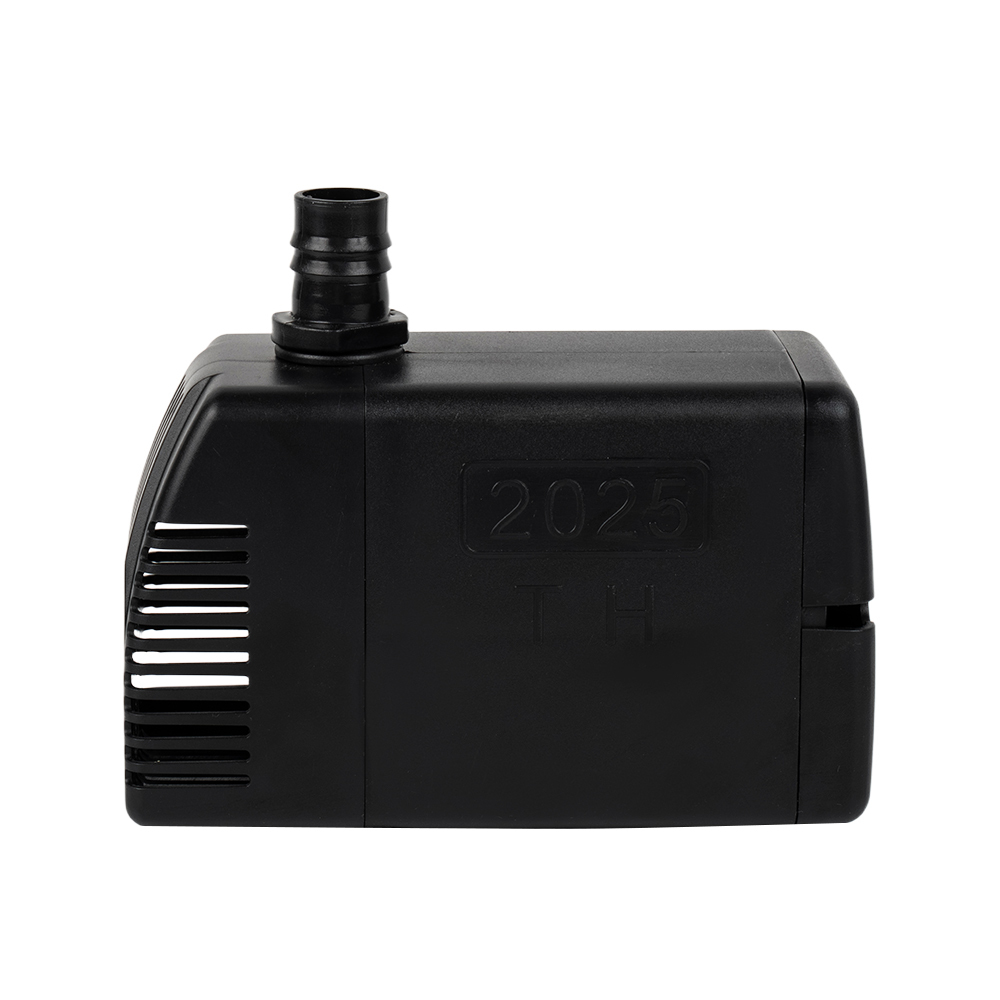
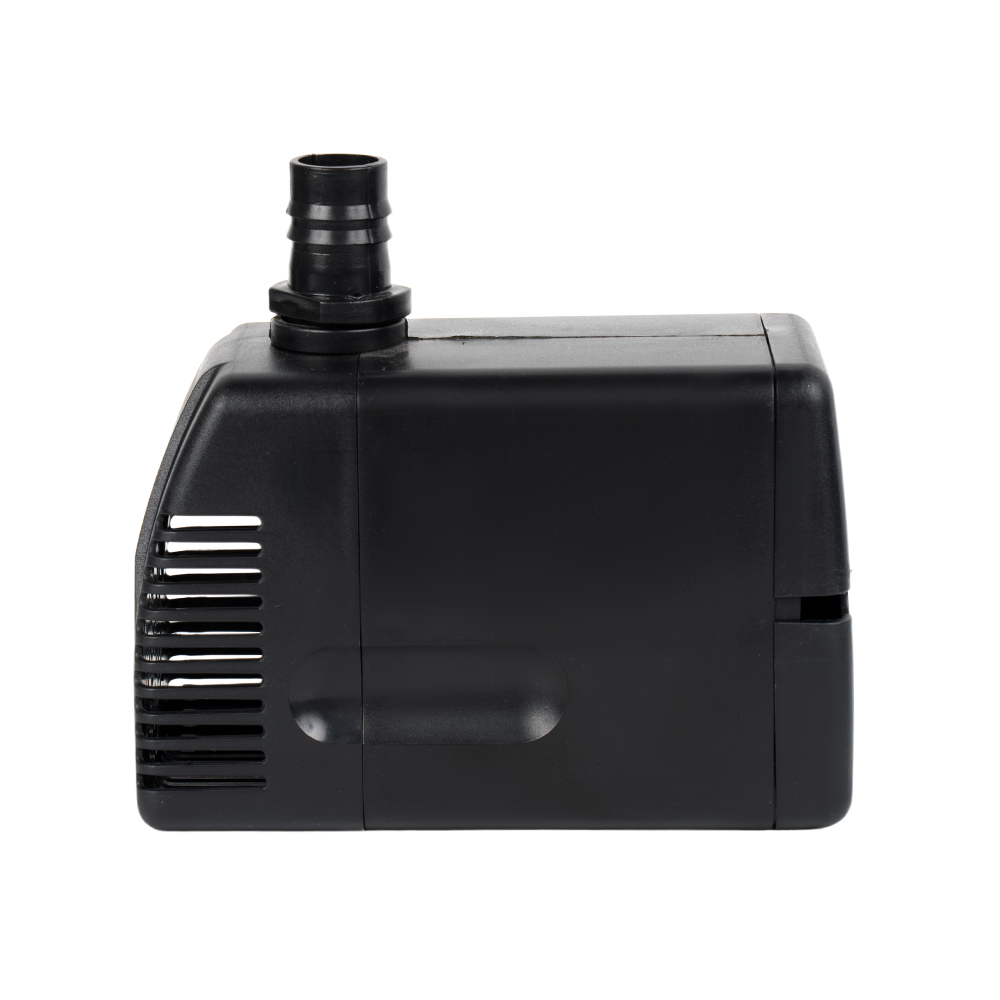
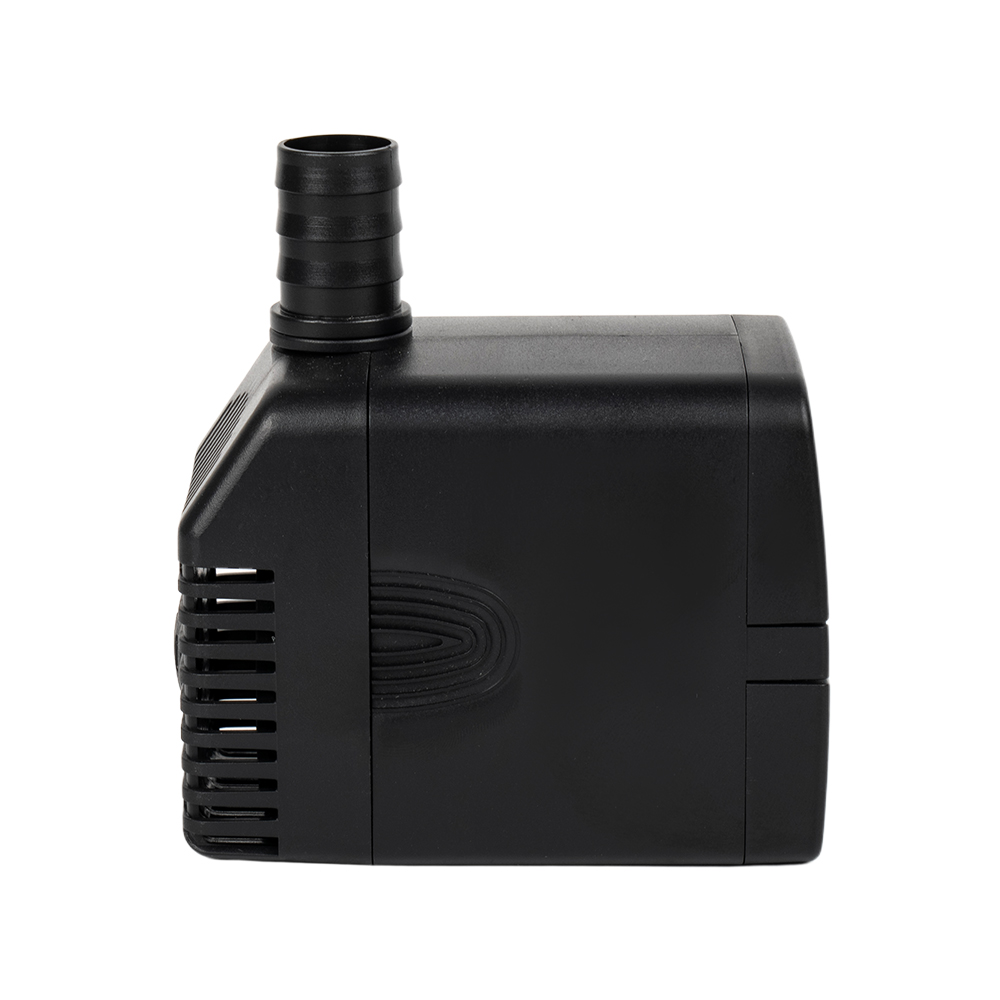
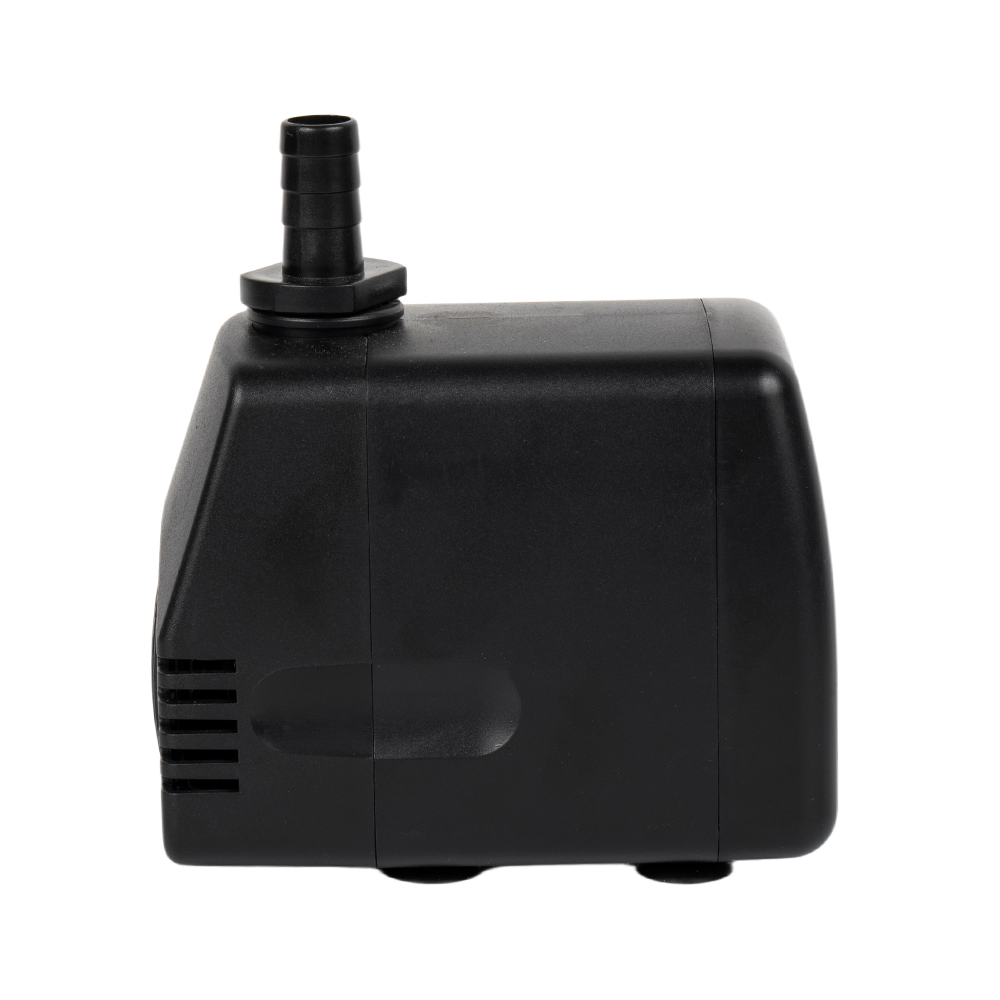
A submersible cooler pump operates fully submerged in the water reservoir of the cooler. Most industrial portable evaporative coolers and mid-sized commercial units rely on this configuration because of its compact footprint and straightforward installation.
These pumps typically use a Centrifugal Pump mechanism, where an internal Impeller spins to draw water upward through a discharge tube and onto the cooling pads.
How Submersible Pumps Work
Water enters the pump housing through intake vents. The impeller accelerates the water outward using centrifugal force, pushing it up through a delivery line to the distribution header. Because the unit is submerged, it benefits from natural water cooling, which helps regulate motor temperature.
Many industrial models include Thermal Overload Protection, automatically shutting the motor off if overheating occurs—a key safeguard in high-demand settings.
Advantages of Submersible Industrial Water Pumps for Coolers
- Easy Installation: Submersible pumps are plug-and-play. They sit directly in the cooler’s sump with minimal plumbing. This makes them ideal as a replacement pump for industrial cooler systems.
- Compact Design: Their sealed Submersible Design eliminates the need for external mounting space, which is especially beneficial in portable or mobile coolers.
- Quiet Operation: Because they operate underwater, vibration and motor noise are dampened.
- Lower Initial Cost: Most submersible units are more affordable than external heavy-duty systems.
- Reduced Priming Issues: Being submerged eliminates air-lock problems, ensuring consistent startup performance.
Limitations of Submersible Pumps
While highly practical, submersible pumps do have constraints:
- Limited Head Height: Industrial applications requiring significant vertical lift may exceed standard specifications.
- Lower Maximum GPH Output: Smaller motor sizes may restrict high flow demands.
- Exposure to Debris and Scale: Being inside the sump increases exposure to mineral buildup and contaminants.
When evaluating models, always check the pump’s GPH (Gallons Per Hour) rating and Head Height to ensure it matches your system requirements.
External Centrifugal Pumps
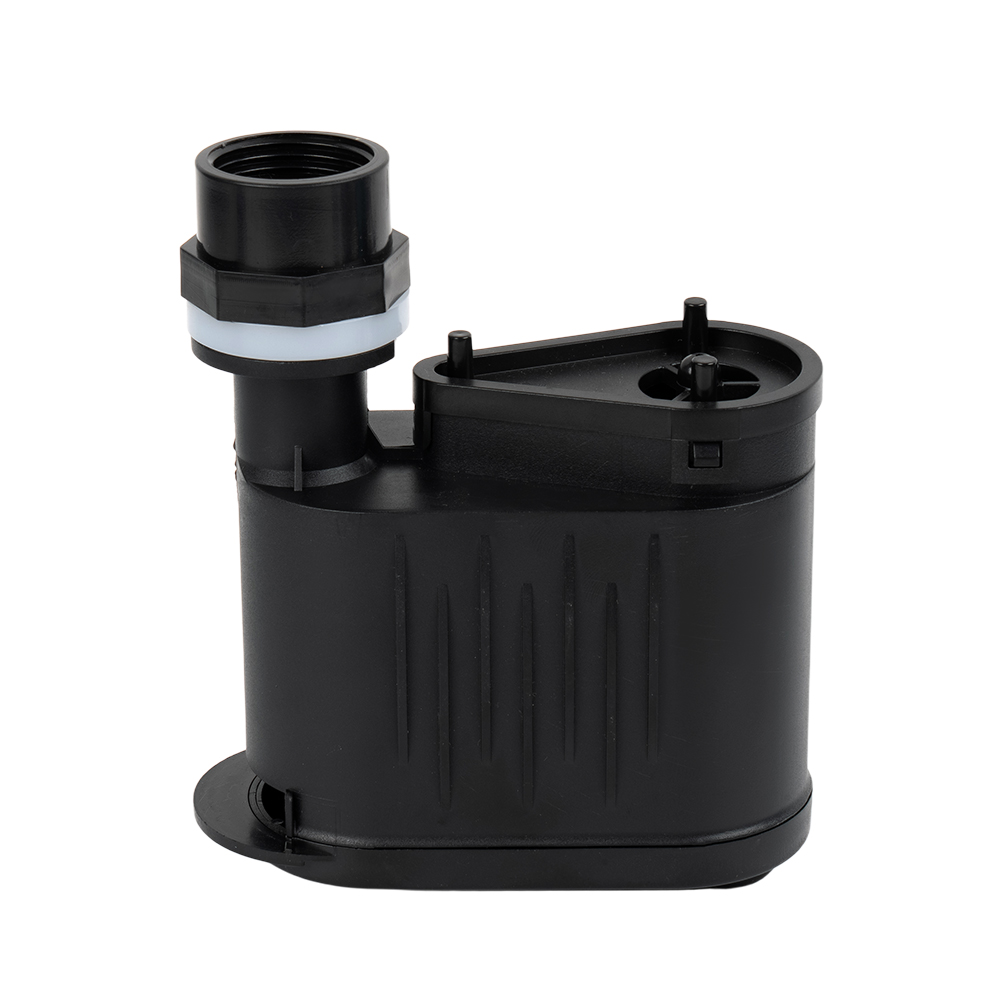
External pumps are mounted outside the water reservoir and connected through inlet and outlet plumbing lines. These are typically used in large fixed industrial evaporative cooling systems where higher flow rates and lift capabilities are required.
Like submersible models, they rely on centrifugal force via a rotating impeller, but they often feature larger motors and more robust housings designed for continuous-duty operation.
How External Industrial Pumps Operate
Water flows from the sump into the pump’s intake line. The motor spins the impeller, increasing water velocity and pressure before pushing it through discharge piping to the cooling distribution network.
Because they are not submerged, external pumps rely on airflow and motor housing design for cooling rather than water immersion.
Advantages of External Heavy Duty Cooler Pumps
- Higher Flow Capacity: External units are ideal for systems requiring a high flow air cooler pump with elevated GPH output.
- Greater Head Height Capability: They are better suited for large industrial coolers where water must travel vertically or across extended piping systems.
- Easier Maintenance Access: Technicians can service the motor and housing without draining the sump.
- Enhanced Durability: Many models are engineered with superior Corrosion Resistance, including stainless steel shafts and reinforced thermoplastic housings.
- Longer Continuous Duty Cycles: Industrial-grade external pumps are built for 24/7 operation in manufacturing or agricultural facilities.
Limitations of External Pumps
Despite their power, they do have trade-offs:
- Higher Installation Complexity
- Increased Cost
- Potential Priming Requirements
- More Installation Space Needed
Improper installation can cause cavitation or reduced efficiency, so professional setup is often recommended.
Key Comparison: Submersible vs. External Pumps
| Feature |
Submersible Pump |
External Centrifugal Pump |
| Installation |
Simple, plug-in |
Requires plumbing |
| Typical GPH Range |
Moderate |
High |
| Head Height |
Limited to moderate |
Moderate to high |
| Noise Level |
Quiet |
Moderate |
| Maintenance Access |
Requires sump access |
Easily accessible |
| Best For |
Portable & mid-sized coolers |
Large fixed industrial systems |
Which Pump Type Is Right for Your Application?
Selecting between a submersible cooler pump and an external centrifugal unit depends on several operational factors:
Choose a Submersible Pump If:
- You operate portable industrial coolers.
- You need a quick replacement solution.
- Your system has moderate flow and lift requirements.
- You prioritize ease of installation.
Choose an External Pump If:
- Your facility uses large, fixed evaporative cooling systems.
- You require high vertical lift.
- You need high-capacity water circulation.
- Continuous heavy-duty operation is expected.
Industry Applications and Pump Selection
Different industries demand different pump capabilities:
- Warehouses & Manufacturing Plants: Often require high flow industrial water pumps for cooler systems with extended ducting.
- Greenhouses & Agricultural Buildings: Benefit from corrosion-resistant pumps due to mineral-rich water.
- Outdoor Event Cooling: Portable units typically rely on submersible pumps for convenience.
- Workshops & Auto Garages: Mid-range submersible pumps often provide sufficient performance.
Selecting the correct pump type ensures uniform pad saturation, stable airflow temperature reduction, and consistent humidity levels.
Performance Considerations Beyond Pump Type
Regardless of configuration, evaluating these technical metrics is critical:
- Flow Rate (GPH): Determines how evenly water covers cooling media.
- Maximum Head Height: Defines the pump’s lifting capability.
- Motor Wattage & Voltage Compatibility
- Debris Tolerance & Filtration Needs
- Compatibility with Commercial Evaporative Cooler Parts
Matching pump specifications to system size prevents both underperformance and unnecessary energy consumption.
Final Thoughts on Pump Types
Both submersible and external centrifugal pumps play vital roles in industrial evaporative cooling systems. There is no universally “better” option—only the best fit for your operational requirements.
A properly selected industrial air cooler pump ensures optimal cooling efficiency, reduced downtime, and extended equipment lifespan. Understanding the structural and functional differences between pump types is the first step toward making an informed, cost-effective decision.
In the next section, we’ll explore the critical features you should evaluate—such as GPH, head height, material durability, and protective technologies—before purchasing a heavy-duty cooler pump for your facility.
Critical Features to Look For
When selecting an industrial air cooler pump, it’s essential to understand the various features that can influence the performance, longevity, and efficiency of your cooling system. While the specific needs of your application may vary depending on the size of your cooler, the environment, and the level of use, there are several key features that are universally important for ensuring reliable operation.
Flow Rate (GPH) and Gallons Per Minute
One of the first specifications to examine is the flow rate, typically measured in Gallons Per Hour (GPH) or Gallons Per Minute (GPM). The flow rate directly affects how efficiently the pump circulates water to the cooling pads, which is essential for maintaining proper cooling capacity. A higher flow rate ensures that the pads remain adequately saturated with water, optimizing the evaporation process.
Why Flow Rate Matters
- Adequate Cooling: If the flow rate is too low, the pads will not be sufficiently saturated, leading to reduced cooling efficiency. Conversely, if the flow rate is too high, water may overflow, leading to unnecessary water waste and potential damage to the system.
- Even Distribution: A pump with the right GPH rating ensures that water is evenly distributed across the cooling media, preventing dry spots and maximizing heat exchange.
How to Choose the Right Flow Rate
When selecting the appropriate flow rate, consider the size and design of your evaporative cooler:
- Small-to-Medium Industrial Coolers: Pumps with flow rates in the range of 500 to 1,500 GPH are often sufficient for smaller systems.
- Larger Systems: For industrial-scale coolers that serve larger facilities, pumps with flow rates of 3,000 GPH or more may be required to provide adequate water circulation.
Matching the flow rate to the size and type of your cooler is crucial for ensuring optimal performance and energy efficiency.
Maximum Head Height and Vertical Lift
The maximum head height or vertical lift of a pump refers to its ability to move water vertically from the sump to the distribution pads. This is a critical feature in industrial air cooler pump systems that require water to travel significant distances vertically.
Why Head Height Matters
- Overcoming Gravity: Industrial coolers often have water tanks located at a lower level than the cooling pads, requiring the pump to overcome gravitational forces and lift the water to a higher level.
- Efficient Water Circulation: For external pumps in large cooling systems, the vertical lift must be sufficient to push water through longer or more complex distribution lines.
Head Height Calculation
The required head height depends on:
- The vertical distance between the water reservoir and the cooling pads.
- The length and diameter of the pipes.
- The number of bends or elbows in the piping system, which can create additional resistance.
In general, for a system with longer ducts and higher cooling pads, a high head height pump is necessary to ensure water reaches the top effectively. Be sure to check the maximum head height specifications listed by the manufacturer to ensure that it aligns with your system’s requirements.
Material Durability and Corrosion Resistance
One of the most important aspects of any industrial air cooler pump is its material durability. The pump will be exposed to constant water flow, and in many cases, the water can contain minerals, sediments, or other corrosive substances. For this reason, corrosion resistance and the material quality of the pump are essential for long-term performance.
Why Material Durability and Corrosion Resistance Matter
- Longevity: Pumps made from materials that resist corrosion, such as stainless steel or high-grade thermoplastics, will last much longer in demanding industrial environments. Poorly constructed pumps can degrade quickly when exposed to water, leading to frequent breakdowns and costly repairs.
- Performance in Harsh Conditions: In industrial settings with high mineral content in the water, a pump made from corrosion-resistant materials will prevent rust, buildup, and damage, ensuring the pump continues to perform optimally.
Key Materials for Pump Durability
- Stainless Steel: A top choice for pump shafts and components exposed to water. It provides excellent corrosion resistance, even in harsh environments.
- High-Grade Thermoplastics: Materials such as polypropylene or PVC are often used for impellers and pump housings. They offer a good balance of durability and resistance to corrosion.
- Ceramic Coatings: Some high-end pumps use ceramic coatings or other advanced treatments to protect metal components from corrosion.
In addition to corrosion resistance, also look for pumps that feature anti-scaling coatings. These prevent mineral buildup, which can reduce the pump’s efficiency and lifespan.
Thermal Overload Protection Features
Another essential feature to look for in an industrial air cooler pump is thermal overload protection. Pumps, especially those operating in high-demand environments, are prone to overheating due to the continuous flow of water and the strain placed on the motor. Thermal overload protection is designed to prevent the motor from overheating and burning out, ensuring the pump runs efficiently for longer periods.
Why Thermal Overload Protection Matters
- Prevents Motor Damage: Overheating can cause irreversible damage to the motor and electrical components of the pump, resulting in costly repairs or replacements.
- Protects Your Investment: Thermal overload protection helps extend the life of your pump by preventing damage during high heat or extreme operational conditions.
- Reduces Downtime: When a pump overheats and shuts down without thermal protection, it can lead to unexpected downtime, affecting productivity in industrial settings. Having an integrated thermal overload protection feature ensures automatic shutoff before overheating becomes an issue.
How It Works
Thermal overload protection typically uses a built-in thermal switch or a temperature sensor that monitors the motor’s operating temperature. If the motor exceeds its safe temperature range, the switch will cut off the power supply, preventing overheating. Some pumps also feature automatic reset capabilities, while others require manual intervention to restart the pump.
Understanding Critical Features
When selecting an industrial water pump for cooler applications, focusing on the flow rate (GPH), maximum head height, material durability, and thermal overload protection features is essential for ensuring the pump performs effectively and lasts as long as possible.
- Flow Rate (GPH): Ensure the pump can circulate enough water to saturate the cooling pads without causing overflow or inadequate distribution.
- Maximum Head Height: Choose a pump that can lift water to the required height, overcoming gravity and ensuring effective water circulation.
- Material Durability and Corrosion Resistance: Select pumps made from high-quality materials that can withstand water exposure, mineral buildup, and harsh industrial conditions.
- Thermal Overload Protection: Prevent overheating and motor damage by choosing pumps with built-in thermal protection features.
Each of these critical features directly impacts the cooling system’s performance, energy efficiency, and longevity. By carefully considering these aspects, you can select the ideal heavy-duty cooler pump for your industrial application, ensuring smooth, reliable operation year after year.
Installation Best Practices for Industrial Settings
Proper installation of an industrial air cooler pump is essential for ensuring optimal performance, efficiency, and longevity of the entire cooling system. Whether you're working with a submersible cooler pump or an external centrifugal pump, the installation process must be carefully planned and executed to avoid common issues such as water overflow, system inefficiency, or unnecessary pump wear.
Select the Right Location for the Pump
The first step in a successful installation is selecting the appropriate location for your industrial water pump for cooler system. This is especially critical for submersible pumps, but even external centrifugal pumps require careful consideration of placement.
Key Considerations for Pump Location
- Avoid Debris and Sediment: For submersible pumps, it’s essential to place the pump in an area of the reservoir where there is minimal debris, dirt, and sediment. Debris can clog the intake, reduce flow efficiency, and cause premature pump wear. Installing the pump in the cleanest section of the tank will also minimize the need for frequent maintenance and cleaning.
- Ensure Proper Water Depth: For submersible pumps, ensure that the water depth is sufficient for the pump to function effectively. A pump positioned too high may not submerge the impeller properly, leading to cavitation, inefficiency, and damage to the pump. Similarly, a pump placed too deep may struggle to push water upward, resulting in inadequate head height.
Position for Easy Access and Maintenance: For external pumps, consider the space around the pump for ease of maintenance. These pumps often require periodic cleaning, motor inspections, and adjustments. Leave sufficient room around the pump for access to the motor and other components.
Avoid Direct Sunlight and Excessive Heat: Both submersible and external pumps should be placed in areas where they will not be exposed to direct sunlight or excessive external heat sources, as this could increase wear on the motor and shorten the pump’s lifespan. Additionally, high temperatures may affect the pump's efficiency and the integrity of its components.
Properly Align the Pump and Plumbing Connections
Once you've selected the right location, the next step is to ensure that the pump is properly aligned and that plumbing connections are securely made. Misalignment or improper plumbing can result in leaks, reduced performance, and premature pump failure.
Aligning the Pump
- Horizontal Alignment: If using an external pump, make sure it is properly leveled. Even slight tilting can cause uneven water flow, increased strain on the motor, and inefficient operation. Ensure the pump is installed on a solid, flat surface to prevent vibrations and ensure even water distribution.
- Ensure Proper Intake Positioning: For both submersible and external pumps, the intake screen or filter should be positioned in such a way that it draws water efficiently without creating air pockets. For submersible pumps, this means positioning the pump so that the intake is always fully submerged during operation. External pumps must have their intake properly connected to the reservoir, without any kinks or bends in the intake line.
Plumbing and Piping Connections
- Use Correct Pipe Sizes: The pipe diameter should match the pump’s output capacity. Using pipes that are too small can restrict water flow, increase friction, and lead to pump strain. Conversely, pipes that are too large can increase the cost of materials without providing significant benefits. Be sure to refer to the pump manufacturer’s specifications for optimal pipe sizing.
- Seal Joints Properly: Any joints in the plumbing system, whether for submersible or external pumps, should be sealed carefully to avoid leaks. Use high-quality pipe sealant or Teflon tape to ensure a tight fit around all threads and connections. Leaky pipes can result in water loss and reduced cooling efficiency.
- Check for Proper Flow Direction: When installing external pumps, ensure that the flow direction of the pump matches the desired flow of the system. It’s easy to make an error here, but the wrong flow direction can compromise water circulation and system efficiency.
Ensure Proper Electrical Wiring and Power Supply
For industrial air cooler pumps, especially those with motors requiring 230V or 460V power, proper electrical installation is critical to ensure both safety and performance.
Electrical Requirements
- Voltage Compatibility: Always verify that the voltage rating of the pump matches the available electrical supply in your facility. Using a pump with an incompatible voltage can cause it to underperform, overheat, or fail prematurely.
- Grounding and Circuit Protection: Ensure that the pump is correctly grounded according to electrical safety codes to prevent electrical shock or damage to the system. Additionally, install appropriate circuit breakers or fuses to protect the pump from electrical overloads or short circuits.
- Dedicated Circuit: It is advisable to install a dedicated electrical circuit for the pump, particularly in industrial settings where other equipment may cause voltage fluctuations. A dedicated circuit will ensure that the pump receives stable power and operates at peak efficiency without interference from other devices.
Install Water Treatment Solutions
The water quality used in your cooler directly impacts the performance and longevity of the pump. Hard water with high mineral content can lead to scale buildup, clogging, and reduced flow, while dirty or contaminated water can cause damage to the pump components.
Water Treatment Considerations
- Filtration Systems: Install filtration systems to remove large particles and debris from the water before it enters the pump. This is especially important for submersible pumps, which are more likely to become clogged by debris. Regularly check the filters to ensure they are not clogged or damaged.
- Water Softening: If your facility uses hard water, consider installing a water softener to reduce mineral buildup. This will help prevent calcification on the pump and cooling pads, allowing the system to function more efficiently and extending the lifespan of your pump.
- Water Additives: Some systems benefit from the use of water treatment additives that help control algae and bacteria growth in the system. These additives can also help keep the pump clean and functioning properly by preventing biological buildup.
Test the System Before Full Operation
Once the pump is installed and the plumbing and electrical connections are secure, it’s essential to test the system thoroughly before full operation. This will help identify any potential issues early, allowing for quick adjustments and repairs before the system goes into service.
Testing the Pump
- Check Water Flow: For submersible pumps, verify that the water is flowing evenly across the cooling pads. For external pumps, check that water is being pumped to the distribution system without any signs of blockage or air pockets.
- Monitor Pressure and Head Height: If your system has a pressure gauge, monitor the water pressure to ensure that the pump is achieving the required head height. Low pressure may indicate a problem with the pump or plumbing, while excessively high pressure could signal a restriction in the water flow.
- Inspect for Leaks: Check all plumbing connections for leaks and tighten any loose fittings. Leaking pipes can reduce water pressure and efficiency while wasting water.
Regularly Monitor and Maintain the Pump
Proper installation is only part of the equation. Even the best-installed system can fail if it is not maintained properly. Regular monitoring and maintenance are critical to keeping your industrial air cooler pump functioning efficiently.
Key Maintenance Tasks
- Cleaning and Descaling: Regularly clean the pump, especially the impeller and intake screen, to prevent debris buildup. In hard water areas, descaling the pump and its components every few months can prevent mineral buildup that could reduce performance.
- Lubrication: If the pump has any moving parts that require lubrication, be sure to follow the manufacturer's instructions for proper maintenance intervals.
- Check for Wear and Tear: Periodically check for signs of wear, such as unusual noise, vibrations, or overheating. These could be signs of pump misalignment, clogged filters, or motor damage.
Maintenance Tips to Extend Pump Life
Proper maintenance is key to ensuring the long-term reliability and efficiency of your industrial air cooler pump. Whether you’re using a submersible cooler pump or an external centrifugal pump, regular maintenance is essential to keep the system running smoothly, prevent unexpected downtime, and extend the life of your equipment.
Cleaning the Impeller and Intake
The impeller is the heart of a pump’s ability to circulate water efficiently. Over time, debris, dirt, or even biological growth can accumulate on the impeller, restricting water flow and reducing pump efficiency. Similarly, the intake is a prime location for clogging, as it draws water from the sump or reservoir. Both the impeller and intake require regular cleaning to ensure smooth operation.
Why Cleaning the Impeller and Intake is Important
- Maintains Optimal Flow Rate: A clean impeller allows water to flow freely, maintaining the flow rate (GPH) required for efficient cooling. If the impeller becomes clogged, it may struggle to generate enough water flow, which can affect the cooling performance of the entire system.
- Prevents Overheating: Debris buildup on the impeller can cause it to work harder than necessary, leading to excessive heat and potential motor failure. Cleaning ensures the pump operates at its designed efficiency, helping prevent overheating.
- Reduces Pump Strain: When the intake is clogged, the pump has to work harder to pull water from the reservoir. This not only strains the pump motor but also shortens the overall lifespan of the pump.
How to Clean the Impeller and Intake
- Turn Off Power: Always disconnect the pump from the power supply before performing any maintenance to ensure safety.
- Remove the Pump: If you’re dealing with a submersible pump, carefully remove it from the water reservoir. For external pumps, ensure the system is turned off and the pump is safely accessible.
- Clean the Impeller: Inspect the impeller for any visible debris or buildup. Use a soft brush, such as a toothbrush, to gently remove dirt, algae, or mineral deposits. If necessary, use a mild detergent or degreaser to loosen stubborn debris, but avoid harsh chemicals that may damage the pump components.
- Check for Wear: While cleaning, inspect the impeller blades for any signs of wear or damage. Damaged impellers should be replaced immediately, as they can cause inefficient water circulation and strain the pump motor.
- Clean the Intake Screen: The intake screen or filter can become clogged with debris, limiting the flow of water into the pump. Remove the intake screen and clean it with water or a brush. Be sure there are no holes or cracks in the filter, as this could allow debris to enter the pump and damage internal components.
- Reassemble and Test: After cleaning the impeller and intake, reassemble the pump and reconnect it to the system. Turn the power back on and test the pump to ensure it’s operating at optimal performance.
Frequency of Cleaning
- Submersible Pumps: For submersible pumps, it’s typically recommended to clean the impeller and intake every 1-3 months, depending on the water quality and environmental conditions. In areas with high levels of dirt, debris, or algae, more frequent cleaning may be necessary.
- External Pumps: For external pumps, cleaning may be needed less frequently, but it’s still important to inspect and clean the impeller and intake at least twice a year.
Managing Scale and Mineral Buildup
One of the most common issues with industrial air cooler pumps—especially in areas with hard water—is scale and mineral buildup. When water evaporates through the cooling pads, minerals and salts can accumulate inside the pump, on the impeller, and throughout the system. Over time, this buildup can cause severe problems, including clogging, corrosion, and inefficient pump operation.
Why Managing Scale and Mineral Buildup is Important
- Prevents Blockages: Mineral deposits can block the pump intake, impeller, and pipes, reducing water flow and potentially causing the pump to seize up. In severe cases, this can lead to pump failure.
- Maintains Efficiency: Scale buildup on the impeller or within the pump casing can increase friction, making the pump work harder to circulate water. This reduces efficiency, increases energy consumption, and shortens the lifespan of the pump.
- Prevents Corrosion: In addition to physical blockages, mineral buildup can lead to corrosion, especially in pumps made from metal components. The accumulation of salts and minerals can corrode the motor, impeller, and other internal parts, leading to expensive repairs or replacements.
How to Manage Scale and Mineral Buildup
- Use Water Softening Solutions: One of the most effective ways to prevent mineral buildup is to treat the water before it enters the cooler system. Water softeners are designed to reduce the calcium and magnesium content in hard water, preventing the formation of scale. Install a water softening system if your area is prone to hard water.
- Install a Filtration System: A high-quality filtration system can help remove debris, dirt, and larger particles from the water, preventing them from entering the pump and causing blockages. Consider using a pre-filter or strainer before the water reaches the pump intake to reduce the amount of debris and scale that can accumulate.
- Regular Descaling: In areas where mineral buildup is prevalent, descaling the pump regularly is essential. This involves using a descaling solution to dissolve the mineral deposits inside the pump and associated piping. Many manufacturers recommend specific descaling solutions that are safe for use with pumps. Descaling should be performed at least every 6 months in hard water areas, but more frequent descaling may be necessary in regions with extremely high mineral content.
- Clean the Pump and Components with Vinegar or Acids: For minor scale buildup, you can clean the pump by soaking the impeller and intake screen in a mild solution of white vinegar or a mild acid solution (such as citric acid). This can help break down calcium deposits and prevent severe scaling issues. Always follow the manufacturer’s guidelines for cleaning with acids to avoid damage.
- Install an Automatic Drain Valve: If your system is located in an area with high mineral content, consider installing an automatic drain valve in the pump reservoir. This will allow you to flush the system periodically, removing any sediment or scale buildup that might occur.
Preventive Maintenance to Minimize Scale Build-up
- Use Distilled or Softened Water: If possible, use softened or distilled water to prevent scale from forming in the first place. Many industrial systems use softened water to avoid the build-up of minerals.
- Increase System Flush Frequency: Regularly flush the system with clean water to help clear any potential scale deposits before they have a chance to harden. Flushing can be done at the end of each cooling season or more frequently if mineral content is high.
- Monitor Water Quality: Consider installing a water quality monitor to keep track of the hardness levels and overall quality of the water being used in the cooler. Regular monitoring can help you adjust the maintenance schedule and prevent serious scale issues.
Additional Tips for Pump Longevity
In addition to cleaning the impeller and managing scale buildup, here are a few other maintenance tips to help extend the life of your industrial air cooler pump:
- Lubrication: Some pumps have bearings or moving parts that require periodic lubrication. Always follow the manufacturer's recommendations for the type and frequency of lubrication needed.
- Check for Wear and Tear: Regularly inspect the pump for any signs of wear, such as unusual noises, vibrations, or leaks. If you notice any issues, address them promptly to prevent further damage.
- Monitor Motor Temperature: Keep an eye on the temperature of the pump’s motor. Overheating can be a sign of inefficiency or impending failure. If the motor consistently runs hot, check for any issues with the impeller, water flow, or power supply.
- Test the System Regularly: Periodically test the entire cooling system to ensure it’s operating at peak efficiency. This includes checking water flow, head height, and the overall performance of the cooler.
Common Troubleshooting: Why Your Pump Might Fail
While regular maintenance can significantly extend the life of your industrial air cooler pump, even the best-maintained pumps can encounter issues over time. Understanding the common causes of pump failure and troubleshooting the problem early can prevent extended downtime and expensive repairs.
Pump Not Starting or Running
If your industrial air cooler pump is not starting or running, this can be one of the most concerning issues, as it prevents the entire cooling system from functioning. Several factors could be at play here, including electrical issues, motor problems, or physical obstructions.
Possible Causes and Fixes:
Power Supply Issues:
- Cause: The most common reason for a pump not starting is a lack of power or an electrical failure.
- Fix: First, ensure the pump is properly plugged in and that there are no issues with the electrical connection. Check for tripped circuit breakers, blown fuses, or faulty wiring. If the electrical system seems fine, inspect the motor power supply for any fluctuations or irregularities.
Motor Overload:
- Cause: If the motor is overloaded or experiencing excessive strain, it may trip the thermal overload protection or fail to start.
- Fix: Inspect the motor for any signs of overheating or burning smells. Reset the motor if it has tripped and ensure that the pump is not overloaded with too much resistance. Check that the system is properly balanced and not demanding more power than the pump is rated to handle.
Faulty Start Capacitor:
- Cause: Many pumps use a start capacitor to help the motor get going. If this component fails, the motor may struggle to start.
- Fix: Test the start capacitor using a multimeter to ensure it is working properly. If faulty, replace the capacitor with one that matches the manufacturer’s specifications.
Pump Motor Failure:
- Cause: If the motor itself is damaged or has worn out, the pump may fail to start or run.
- Fix: If other causes have been ruled out, inspect the motor for signs of damage. If necessary, replace the motor. A professional electrician or technician may be required for motor replacement.
No Water Flow or Low Flow
In some cases, the pump might start but fail to produce adequate water flow, or it may not circulate water at all. This can lead to ineffective cooling, inefficient energy use, and even overheating in the system.
Possible Causes and Fixes:
Clogged Intake or Impeller:
- Cause: One of the most common causes of low water flow is a clogged intake screen or impeller. Debris, dirt, or algae buildup can block the pump’s intake, preventing water from entering the system.
- Fix: Turn off the pump and disconnect the power. Remove the pump from the water tank (if it's a submersible pump) and inspect the intake and impeller. Clean them thoroughly using a soft brush and water. If necessary, use a mild detergent to loosen stubborn debris.
Air Lock or Cavitation:
- Cause: Air locks or cavitation can occur if air enters the system, causing the pump to lose its prime. This can happen if the intake pipe is not fully submerged or there are air pockets in the pipes.
- Fix: To resolve air locks, ensure that the intake is fully submerged and that the pipes are properly primed. For external pumps, check for air leaks in the suction pipe and seal any gaps or loose connections. You can also try manually priming the pump by filling the intake line with water to force out any trapped air.
Incorrect Pump Sizing:
- Cause: If the pump is too small for the system’s requirements, it may fail to produce enough water flow to meet demand.
- Fix: Ensure the pump is appropriately sized for your cooling system. If it’s undersized, consider upgrading to a larger pump that can provide the required GPH (Gallons Per Hour) or flow rate. Consult with the manufacturer or a professional for recommendations on pump sizing.
Clogged or Restricted Piping:
- Cause: Over time, pipes can become clogged with mineral deposits, debris, or scale, which restricts the flow of water.
- Fix: Inspect the piping for any signs of blockage, corrosion, or buildup. Clean or replace sections of the piping as needed. Descale the pipes and flush the system with clean water periodically to prevent future buildup.
Pump Running but Producing No Pressure or Insufficient Head Height
If your pump is running but fails to generate pressure or lift water to the desired height, there may be a number of underlying issues related to flow resistance, pump configuration, or system setup.
Possible Causes and Fixes:
Excessive Pipe Length or Resistance:
- Cause: If the piping system is too long, narrow, or contains too many bends, the pump may struggle to generate the necessary pressure to lift the water.
- Fix: Check the piping layout to ensure it is as short and straight as possible. If necessary, upgrade the pipes to a larger diameter to reduce flow resistance. Minimize the number of elbows or sharp turns in the piping, as these can create additional friction and reduce head height.
Insufficient Pump Head Height Rating:
- Cause: If the pump is not rated for the required maximum head height, it may struggle to deliver water to higher cooling pads or distant locations.
- Fix: Double-check the pump’s specifications for head height and compare them to your system’s requirements. If the pump is undersized for your system, consider upgrading to a pump with a higher head height capacity.
Worn Impeller or Pump Components:
- Cause: A worn or damaged impeller can fail to generate adequate pressure. Over time, wear and tear on pump components can reduce the pump’s ability to lift water.
- Fix: Inspect the impeller for signs of damage, wear, or corrosion. If the blades are chipped, cracked, or heavily worn, replace the impeller with a new one. Be sure to use a replacement part that matches the original specifications.
Pump Making Unusual Noises or Vibrating Excessively
If your pump is making strange noises, such as grinding, whining, or rattling, or if it is vibrating excessively, it could be a sign of internal issues or misalignment.
Possible Causes and Fixes:
Foreign Objects in the Pump:
- Cause: Foreign objects, debris, or sediment could be trapped in the pump, causing it to make unusual noises or vibrate.
- Fix: Turn off the pump, disconnect the power, and carefully inspect the impeller, motor, and pump housing for any debris or obstructions. Clean the pump thoroughly to remove any foreign objects that could be causing the noise.
Misalignment of Pump Components:
- Cause: If the motor or pump components are not properly aligned, this can cause the pump to vibrate or make noise during operation.
- Fix: Check the alignment of the motor and impeller. Ensure that all pump components are securely mounted and that there is no looseness or wobbling. Tighten any loose bolts or fasteners and replace any worn or damaged components.
Worn Bearings or Shaft:
- Cause: Over time, the bearings in the motor or pump may wear out, causing the pump to make a grinding or whining sound.
- Fix: Inspect the motor bearings and pump shaft for signs of wear. If the bearings are worn or damaged, they will need to be replaced. Lubricate the bearings if necessary, according to the manufacturer’s recommendations.
Leaks or Water Overflow
Leaks or water overflow from the pump or piping system can be a serious issue, leading to water wastage, damage to surrounding areas, and potential system failure.
Possible Causes and Fixes:
Loose or Faulty Pipe Connections:
- Cause: Leaks can occur if the pipe connections are loose, improperly sealed, or cracked.
- Fix: Inspect all pipe joints for signs of leakage. Tighten any loose connections and reseal the joints with pipe sealant or Teflon tape as needed. Replace any damaged or cracked pipes.
Cracked or Damaged Pump Housing:
- Cause: If the pump housing is cracked or damaged, water can leak from the pump itself.
- Fix: Inspect the pump housing for any visible cracks or holes. If damage is found, replace the pump housing or the entire pump if necessary.
Overflow Due to Excessive Water Flow:
- Cause: If the flow rate (GPH) is too high for the system’s capacity, water may overflow from the cooler or reservoir.
- Fix: Check the pump’s flow rate and ensure that it matches the requirements of your cooling system. If the flow rate is too high, consider installing a flow control valve or using a pump with a lower GPH rating.
References
- Evaporative Cooling Technology Handbook - Cooling Technology Institute
- Industrial Water Pumps: A Comprehensive Guide - Pump Systems Engineering
- Water Treatment for Industrial Cooling Systems - Water Conditioning and Purification Magazine
- Pump Handbook - McGraw-Hill Education
- Troubleshooting Industrial Pumps - Flowserve Corporation
 LANGUAGE
 中文简体
中文简体 [email protected]
 +86-575-83698898 / +86-13605859208 / +86-13615854385



 Wholesale Evaporative Cooling Water Pump Manufacturers
Contact Us