 LANGUAGE
 中文简体
中文简体DYH-80 High-Power 80W Resin Potting and Sealing Industrial Air Cooler Water Pump
The DYH-80 High-Power 80W Resin Potting and Sealing Industrial Air Cooler Water Pump is a water pump designed specifically for industrial applications...
See Details [email protected]
 +86-575-83698898 / +86-13605859208 / +86-13615854385

An air cooler pump is an essential component in the air conditioning systems, responsible for transferring cooling water from a cooling tower or reservoir to various parts of the air conditioning system, such as air coolers, condensers, and other heat exchangers. This process helps in dissipating the heat absorbed from the equipment, improving the overall efficiency of the system. Air cooler pumps are critical for maintaining stable temperatures in HVAC (Heating, Ventilation, and Air Conditioning) applications, ensuring optimal performance by circulating water throughout the cooling system. They are designed to operate continuously and effectively, making them a key part of ensuring smooth system functionality in both residential and industrial settings.
The air cooler pump works on a basic principle of fluid dynamics, where it pushes water through a system of pipes, pumps, and cooling units. In a typical air conditioning system, the pump draws water from the cooling tower or reservoir, directing it towards the cooling devices that absorb heat from the equipment. The circulated water absorbs the heat, which is then released into the air or redirected to another section of the system for further cooling. The efficiency of the pump plays a significant role in maintaining proper flow rates and ensuring the cooling system operates effectively under different working conditions. Maintaining a consistent flow of water is essential to avoid system overload and prevent overheating of the equipment involved in the cooling process.
There are various types of air cooler pumps available, each designed to suit different applications depending on factors such as required flow rate, pressure conditions, and system specifications. The two most common types of pumps used in air conditioning systems are centrifugal pumps and axial flow pumps. Each type offers distinct characteristics that make it suitable for specific operating conditions.
Centrifugal pumps are commonly used in air conditioning systems due to their ability to handle high-pressure environments efficiently. These pumps use a rotating impeller to generate centrifugal force, which pushes water outward from the center of the pump. As water moves outward, it gains velocity and is directed to the desired location. Centrifugal pumps are favored for their efficiency in moving water over long distances and under consistent pressure. They are particularly well-suited for industrial air conditioning systems where high-volume water circulation is required. Additionally, centrifugal pumps are known for their reliability, with relatively low maintenance needs compared to other types of pumps.
Axial flow pumps operate differently from centrifugal pumps, as they move water along the axis of the pump. The pump's blades push the water in a parallel direction to the shaft, which results in high-flow rates with relatively low-pressure generation. These pumps are typically used for applications where large volumes of water need to be moved, but the system does not require high pressure. Axial flow pumps are efficient in environments where water must be circulated quickly over short distances, making them ideal for situations where cooling is required at a large scale, such as in cooling towers or large air conditioning units.
The efficiency of an air cooler pump is crucial for the performance of the entire air conditioning system. An inefficient pump can cause excessive energy consumption, which not only increases operational costs but can also lead to system instability or overheating. In some cases, an underperforming pump may fail to circulate enough cooling water, resulting in elevated temperatures and reduced effectiveness of the cooling system. On the other hand, a well-chosen and properly maintained pump can optimize the system’s efficiency, maintaining consistent cooling temperatures while minimizing energy consumption. This is particularly important in industrial applications where cooling systems must run continuously and under significant loads.
Air cooler pumps are used in various applications, ranging from small-scale residential air conditioning systems to large industrial cooling systems. In residential settings, air cooler pumps help circulate water through air coolers, ensuring that the indoor environment remains comfortable. These pumps are designed to be quiet and efficient, operating without consuming excessive amounts of power. In industrial settings, however, larger and more powerful pumps are required to handle the demands of high-capacity cooling systems. Industries such as power plants, manufacturing facilities, and data centers use air cooler pumps to maintain the temperature of critical equipment and avoid overheating, ensuring smooth operations in environments that are prone to high heat levels.
Proper maintenance is essential for extending the lifespan of air cooler pumps and ensuring their long-term performance. Regular maintenance tasks include inspecting the pump for signs of wear, cleaning filters, and checking the seals and bearings to avoid leaks or inefficiencies. Additionally, routine checks for the water flow rate and pressure levels can help identify potential issues before they affect system performance. Regular lubrication of moving parts and timely replacement of damaged components also contribute to a pump’s longevity. In systems that operate in harsh conditions, such as those exposed to high temperatures or contaminants, more frequent maintenance may be necessary to ensure the pump remains in good working condition.
| Type of Pump | Operating Principle | Best Use | Efficiency |
| Centrifugal Pump | Uses a rotating impeller to push water outward from the center of the pump | Long-distance water circulation, high-pressure systems | High efficiency for high-load systems and long-distance operations |
| Axial Flow Pump | Moves water along the axis of the pump, creating high flow rates | Large-scale applications with low pressure and short distances | Efficient for high-volume water circulation but less effective for high-pressure needs |
Air cooler pumps play a crucial role in enhancing the efficiency of cooling systems. These pumps facilitate the circulation of water, which is key to effective heat exchange within the system. Without a proper flow, the cooling process would be sluggish, and the system's capacity to dissipate heat would be reduced. The flow of water provided by the pump ensures that the heat is efficiently transferred from the air to the water, making it easier for the cooling system to maintain lower temperatures.
Improved circulation helps the system dissipate heat more efficiently, which reduces energy consumption and increases the overall performance of the air conditioning unit. By ensuring that the heat exchange process occurs efficiently, the air cooler pump allows the system to maintain consistent cooling with less strain. This, in turn, results in better energy efficiency and helps to keep the operational costs lower, especially in systems that are in constant use, such as industrial cooling or large commercial air conditioners.
The reliability of an air cooler pump is directly related to the stability of the entire cooling system. If the pump fails or operates poorly, the water circulation would either slow down or stop altogether, which can lead to overheating of the system. Overheating could damage components and result in system failure, which would lead to costly repairs and potential downtime. A properly functioning pump keeps the water circulating at the necessary speed, ensuring that the cooling system works reliably and smoothly.
In industries that rely on precise temperature control, such as data centers, hospitals, or manufacturing plants, maintaining system stability is critical. Any fluctuation in cooling could lead to significant problems, such as equipment malfunction or product damage. A high-quality air cooler pump ensures that the water circulates consistently, which helps the cooling system perform reliably over time, preventing unexpected breakdowns and costly disruptions.
Energy efficiency is becoming increasingly important in today’s world, both for economic and environmental reasons. Air cooler pumps are essential for reducing the amount of energy required to operate cooling systems. By improving the flow of water and reducing friction, efficient pumps ensure that less energy is consumed in maintaining the required temperature levels. This is particularly beneficial in larger systems where energy costs can account for a significant portion of overall expenses.
Beyond the financial savings, air cooler pumps also contribute to environmental sustainability. When energy consumption is reduced, the overall carbon footprint of the cooling system decreases as well. This is important in industries where reducing greenhouse gas emissions is a priority. By investing in energy-efficient air cooler pumps, companies can reduce their reliance on fossil fuels, which has a direct positive impact on the environment. Additionally, many modern air cooler pumps are designed with eco-friendly materials and processes, further minimizing their environmental footprint.
Choosing the right air cooler pump is essential for optimizing the performance and longevity of the cooling system. There are several factors that need to be considered when selecting a pump, including its capacity, power consumption, and durability. A pump that is too small may not provide enough water flow, leading to ineffective cooling and overuse of energy. On the other hand, a pump that is too large may waste energy and lead to unnecessary wear on the system.
It is also crucial to consider the type of cooling system and the environment in which it will be used. Different systems have different cooling requirements, so selecting a pump with the appropriate capacity is important. For example, a pump designed for industrial air coolers may need to handle much higher flow rates and pressures compared to a residential air cooler pump. In addition, the pump’s energy efficiency and noise levels should be evaluated, as pumps that consume less energy and operate quietly contribute to both cost savings and comfort.
Air cooler pumps, like all mechanical devices, require regular maintenance to ensure they perform at their best. Over time, pumps may accumulate dirt, debris, and mineral deposits that can impede their operation. Regular cleaning and servicing can help prevent these issues, keeping the pump running smoothly. Additionally, ensuring that the pump is correctly lubricated will reduce wear and tear, leading to longer service life.
Another critical factor in pump longevity is monitoring for any signs of malfunction, such as unusual noise, vibrations, or leaks. Early detection of problems can help prevent further damage and avoid expensive repairs. Many modern air cooler pumps come with monitoring features that alert users to issues before they become serious, allowing for preventative maintenance and reducing downtime.
Routine maintenance, such as checking seals and gaskets, replacing worn-out components, and ensuring that the motor is functioning correctly, will help extend the life of the pump. A well-maintained pump will perform efficiently for many years, providing reliable cooling without unexpected failures.
The performance of an air cooler pump can be influenced by various environmental factors. For example, extreme temperatures, humidity levels, and exposure to contaminants can all affect the pump’s efficiency and lifespan. In harsh environments, such as outdoor cooling systems or industrial settings, the pump may need to be more robust and capable of handling higher pressures and temperatures.
In areas where water quality is poor, such as those with high mineral content or corrosive substances, it is essential to use a pump designed to withstand these conditions. Pumps made of corrosion-resistant materials or those equipped with protective coatings can help maintain performance and prevent damage from rust or scale buildup. Additionally, air cooler pumps used in dusty environments may need extra filtration to prevent debris from entering the system and causing blockages.
While high-quality air cooler pumps may have a higher initial cost, the long-term savings often justify the investment. A more efficient pump consumes less energy, which translates to lower utility bills. Additionally, pumps with longer lifespans require less frequent replacement, saving money on procurement and installation costs. Reduced downtime due to fewer breakdowns also contributes to cost savings, especially in businesses where continuous operation is essential.
Moreover, the reduced need for frequent repairs and maintenance means fewer interruptions to production or operations, which is especially important for industries that rely on cooling systems for critical processes. With the right pump, businesses can achieve a balance between initial investment and ongoing savings, making it a cost-effective solution in the long run.
| Factor | Impact |
| Efficiency | Improves energy consumption and cooling performance, reducing operational costs |
| System Stability | Prevents cooling failures, ensures continuous operation, and reduces downtime |
| Energy Saving | Reduces power consumption, contributing to lower utility bills and a smaller carbon footprint |
| Maintenance | Improves pump lifespan, reduces the frequency of repairs, and ensures optimal system performance |
| Cost-Effectiveness | Offers long-term savings despite higher initial investment, contributing to reduced operational costs |
Air cooler pumps are widely used in commercial buildings, such as large office complexes, shopping centers, and multi-story buildings. These structures often require a central air conditioning system to maintain a comfortable temperature for employees, customers, and visitors. Air cooler pumps are integral to these systems, as they help circulate water through cooling units, ensuring that the building’s HVAC system works efficiently.
In commercial buildings, the need for air cooler pumps is driven by the demand for a stable indoor climate. Offices, retail spaces, and public areas all require consistent cooling to maintain productivity and comfort. The water circulated by these pumps is typically used in cooling towers or chilled water systems, where it absorbs heat from the building’s air conditioning system before being returned to the cooling equipment for further processing. This cycle is crucial in large buildings, where the heat load is substantial and constant cooling is required to meet the needs of the space.
In industrial sectors, air cooler pumps are often utilized to maintain optimal working conditions in large factories, warehouses, and production facilities. These environments can generate a significant amount of heat due to heavy machinery, manufacturing processes, or the use of industrial equipment. Air cooler pumps help regulate the temperature in these environments by circulating water through cooling systems, which remove excess heat from the equipment, ensuring that it operates within safe and efficient temperature ranges.
Industrial cooling systems are particularly vital for maintaining the longevity and performance of machinery. Overheating can cause severe damage to equipment, leading to costly repairs and potential production downtime. By using air cooler pumps to ensure consistent cooling, industrial operations can keep machinery running efficiently, minimize the risk of overheating, and reduce the frequency of equipment failure. Additionally, air cooler pumps play a critical role in cooling systems used for power plants, manufacturing lines, or large-scale refrigeration systems, where maintaining precise temperature control is essential for continuous production.
Air cooler pumps are also essential in public facilities such as hospitals, schools, airports, and other large-scale infrastructure. In these types of buildings, providing a comfortable and stable indoor environment is crucial for the well-being of occupants, whether they are patients, students, travelers, or employees. Air cooler pumps are used in HVAC systems to help regulate temperatures and ensure that the air conditioning process remains efficient and reliable.
In hospitals, for example, maintaining a consistent and controlled environment is vital for patient recovery and the functioning of medical equipment. Extreme temperatures can be detrimental to both the health of patients and the operation of sensitive medical devices. By circulating water through cooling units, air cooler pumps help ensure that hospitals can maintain a controlled climate that is conducive to healing and operational efficiency. Similarly, schools and airports rely on air cooler pumps to create an optimal environment for learning and travel, where a steady and comfortable climate is essential for the comfort and safety of individuals in these facilities.
In large residential complexes, such as apartment buildings or gated communities, air cooler pumps are also used to regulate temperature and provide cooling for shared spaces. These buildings typically feature centralized air conditioning systems, where air cooler pumps play a critical role in circulating water through the system to maintain comfort for all residents.
As many large residential complexes have common areas, such as lobbies, gyms, and recreational facilities, air cooler pumps are important for maintaining a comfortable climate in these areas. In such settings, the need for efficient temperature control is crucial to ensure that tenants can enjoy a pleasant living environment. By ensuring that water is efficiently circulated through cooling systems, air cooler pumps help to maintain consistent cooling throughout the building, which reduces the overall energy consumption of the system and ensures long-term sustainability.
Data centers, which house critical IT infrastructure such as servers and networking equipment, are another environment where air cooler pumps are essential. In these facilities, temperature regulation is vital to prevent overheating of sensitive equipment, which could lead to system failure or data loss. Air cooler pumps are integrated into the cooling systems of data centers to maintain precise temperature control and ensure that equipment operates within safe temperature limits.
The continuous operation of data centers requires a robust and reliable cooling system. Air cooler pumps are part of the water-based cooling system that helps dissipate heat generated by servers, preventing the equipment from overheating. By circulating water through cooling towers or heat exchangers, these pumps remove excess heat and maintain a controlled temperature. In data centers, maintaining a stable temperature not only ensures the longevity of the equipment but also maximizes the efficiency of the servers and other critical systems, allowing them to run at peak performance levels.
Air cooler pumps are commonly used in manufacturing and production facilities to maintain the optimal operating temperature of both machinery and workers. Manufacturing processes often involve high-energy machines that generate a significant amount of heat, making it necessary to have an efficient cooling system in place. Air cooler pumps circulate water through the cooling system, drawing heat away from the equipment and ensuring that it does not overheat.
In these settings, effective cooling systems prevent equipment failure, protect product quality, and enhance worker comfort. Whether it is in a textile factory, an automotive plant, or a food processing facility, air cooler pumps are vital for maintaining stable temperatures. In addition, the cooling systems in these industries help maintain a safe working environment, as overheating machinery can lead to safety hazards, production slowdowns, and increased energy consumption. By maintaining optimal temperatures, air cooler pumps help ensure the smooth and safe operation of production processes.
| Application | Importance |
| Commercial Buildings | Maintain comfortable environments in large office buildings, malls, and public spaces |
| Industrial Facilities | Prevent overheating of machinery and ensure safe, efficient production |
| Public Facilities | Ensure stable temperatures for the comfort of patients, students, and visitors |
| Large-Scale Residential Complexes | Provide consistent cooling for shared spaces in apartment buildings and gated communities |
| Data Centers | Regulate temperature to prevent overheating of IT equipment and servers |
| Manufacturing and Production Facilities | Control heat in machinery and workspaces to ensure efficient and safe operations |
An air cooler pump plays a vital role in the water circulation system of cooling systems, specifically in air conditioning applications. The primary function of the pump is to continuously circulate water through the system. This water absorbs the heat from the air conditioning equipment and carries it away, effectively lowering the temperature of the system.
Once the water absorbs the heat from the air, it is transported to a cooling tower or water storage tank. The water is then cooled down either through evaporation or a heat exchange process in the cooling tower. After this cooling step, the water is pumped back into the system to continue the cooling cycle. This ongoing circulation ensures that the air conditioning system remains efficient and can maintain a consistent temperature, regardless of external environmental factors or internal heat loads.
The efficiency of the water circulation is critical because it determines how quickly the heat is removed from the system. A pump that can maintain a steady, high flow rate ensures that the water absorbs and transfers the heat effectively, keeping the cooling system operational. Without proper circulation, the air conditioning system would not be able to maintain the necessary cooling performance, leading to overheating and potential system failure.
Air cooler pumps come in various types, each designed for different flow rates and pressure requirements. The selection of the pump type depends on the specific needs of the cooling system, including the volume of water that needs to be circulated and the pressure that is required to transport the water through the system.
Centrifugal pumps are commonly used in air cooler systems where high flow rates and high pressure are needed. These pumps work by using a rotating impeller to create a centrifugal force, which pushes the water outward and generates the required flow. Centrifugal pumps are ideal for large-scale applications, such as industrial cooling systems or large commercial buildings, where significant volumes of water must be moved efficiently and effectively.
On the other hand, axial-flow pumps are more suitable for applications that require a large volume of water to be moved at a lower pressure. These pumps operate by drawing water into the pump along the axis of rotation and pushing it out in the same direction, making them ideal for systems that need to circulate large amounts of water without high pressure, such as in cooling towers or systems with less demanding pressure requirements.
Each pump type is designed to meet specific system requirements, and selecting the right pump type ensures that the cooling system operates efficiently, meeting both performance and energy consumption goals. The choice between centrifugal and axial-flow pumps is largely dictated by the flow and pressure requirements of the system and the space constraints where the pump will be installed.
Air cooler pumps are typically driven by electric motors, which provide the mechanical power needed to move the water through the system. These motors are often selected based on the pump's size, flow rate, and pressure requirements. The motor’s power must match the pump’s demands, ensuring that it operates efficiently without overloading the system.
The motor is connected to the pump through a drive mechanism, typically consisting of a shaft, bearings, and seals. The electric motor spins the shaft, which in turn drives the pump impeller or rotor, creating the necessary water flow. To control the motor’s operation, a control system is used to adjust the motor’s speed, start, stop, and regulate the flow of water based on the cooling load.
The control system is crucial because it allows for optimal performance based on varying cooling needs. In air conditioning systems, the cooling load can fluctuate depending on the time of day, outdoor temperature, or the number of occupants in a building. The control system adjusts the pump’s operation accordingly, ensuring that the water flow is balanced to meet the current cooling demands. This dynamic control helps to maintain energy efficiency while providing the necessary cooling performance.
In addition to managing flow, the control system may also include safety features to protect both the pump and the motor. For instance, the system may have temperature and pressure sensors that detect any abnormalities in the system. If the system encounters an issue, such as a blockage or a mechanical failure, the control system can automatically shut down the pump or adjust its operation to prevent further damage.
For optimal performance, air cooler pumps are integrated into larger HVAC systems that include various components such as cooling towers, heat exchangers, and air handling units. The efficiency of the pump depends not only on its design but also on how well it works with other parts of the cooling system. Proper integration ensures that water flows seamlessly through all parts of the system, allowing for efficient heat transfer and temperature regulation.
To optimize the overall performance of the cooling system, air cooler pumps are often equipped with variable speed drives (VSDs). These devices allow the pump to adjust its speed based on the real-time cooling needs of the system. By varying the pump’s speed, the system can maintain consistent cooling while reducing energy consumption during periods of low demand. This level of control is especially useful in systems where cooling requirements are not constant and can vary throughout the day.
In addition to VSDs, modern air cooler pumps may include advanced monitoring and diagnostic systems. These systems track the pump’s performance, monitor energy usage, and provide real-time data on any potential issues. This information is invaluable for operators, allowing them to identify maintenance needs, predict failures, and make informed decisions about system optimization. Regular maintenance and performance monitoring contribute significantly to the longevity and efficiency of the air cooler pump, ensuring that the system remains reliable and cost-effective.
Energy efficiency is one of the primary considerations when selecting and operating air cooler pumps. As cooling systems can be energy-intensive, it is essential to choose pumps that minimize energy consumption while still delivering the required performance. Pump selection, motor efficiency, and system optimization all play a role in achieving energy savings.
In addition to energy efficiency, environmental factors are also important when selecting an air cooler pump. Some systems may use eco-friendly refrigerants or incorporate water-saving technologies, which can reduce the environmental impact of the cooling process. For example, cooling towers that recycle water reduce the need for fresh water, while efficient pumps reduce the overall energy consumption of the system.
By selecting energy-efficient pumps and optimizing their performance through advanced control systems and monitoring, businesses can reduce both operating costs and their environmental footprint. Reducing energy consumption directly contributes to lowering carbon emissions, aligning with global sustainability goals and regulations aimed at reducing energy use in commercial and industrial settings.
| Component | Function |
| Water Circulation System | Continuously circulates water to remove heat from the air conditioning equipment and transfer it to the cooling tower |
| Pump Types | Centrifugal pumps for high flow and pressure; axial-flow pumps for large volume, low-pressure systems |
| Electric Motor | Drives the pump impeller or rotor, creating the necessary water flow for cooling |
| Control System | Manages the pump's operation, adjusting speed, start/stop functions, and flow based on system needs |
| Energy Efficiency | Optimizes energy consumption while maintaining necessary cooling performance |
Air cooler pumps offer several advantages that make them integral components in modern air conditioning systems. These pumps are designed to enhance the overall performance of HVAC systems by improving energy efficiency, reducing operational temperatures, and contributing to environmental sustainability.
One of the primary advantages of air cooler pumps is their ability to improve the energy efficiency of air conditioning systems. By continuously circulating water through the cooling system, these pumps help maintain a consistent temperature in the system. This reduces the workload on the air conditioning unit, which in turn lowers energy consumption.
Efficient circulation of water ensures that the system operates with minimal energy loss, as the cooling process is optimized. In large commercial or industrial settings, where cooling requirements are high, air cooler pumps play a crucial role in reducing the overall energy consumption of the HVAC system, helping businesses save on operational costs. The result is a more cost-effective cooling solution, particularly when cooling demands fluctuate throughout the day.
Air cooler pumps also contribute to the longevity of air conditioning systems by lowering the operational temperature of the equipment. High temperatures can accelerate wear and tear on mechanical components, leading to frequent breakdowns and higher maintenance costs. By ensuring that the cooling system operates efficiently and at a stable temperature, air cooler pumps help reduce the risk of overheating, which can cause damage to the compressor and other vital components.
With a reduced risk of overheating, the overall lifespan of the air conditioning system is extended. This means that businesses and homeowners alike can enjoy more reliable performance from their HVAC systems and avoid the costly expense of frequent repairs or replacements. In environments with sensitive equipment, such as data centers, the longevity provided by air cooler pumps is particularly valuable, ensuring that critical machinery remains operational over time.
Another significant advantage of air cooler pumps is their contribution to environmental sustainability. By improving the efficiency of air conditioning systems, air cooler pumps help reduce the overall energy consumption of cooling systems. This, in turn, lowers the carbon footprint of the system, which is increasingly important in a world focused on reducing energy consumption and mitigating climate change.
Efficient air cooler pumps reduce the reliance on fossil fuels, which are typically used to generate the electricity that powers air conditioning systems. By decreasing energy consumption, air cooler pumps help businesses and homeowners reduce their overall environmental impact. Additionally, some air cooler pumps are designed with environmentally friendly materials and features, further minimizing their ecological footprint.
While air cooler pumps offer several advantages, they are not without their drawbacks. There are some potential disadvantages that should be considered before installing or relying on these pumps in an HVAC system. These include noise generation, maintenance costs, and the potential for inefficiency if the wrong pump is chosen for the system.
One of the common disadvantages of air cooler pumps is the noise they produce during operation. Some pumps, especially those with larger capacities or older models, can create significant noise while they circulate water through the cooling system. This noise can be disruptive in environments where quiet operation is important, such as office spaces, residential areas, or hospitals.
In certain settings, the noise generated by the pump can affect the overall comfort of the environment. For instance, in an office or living space, loud pumps may interfere with conversations or disrupt sleep. While some newer models are designed to operate more quietly, the noise level remains an important factor to consider when selecting and installing an air cooler pump.
Another downside of air cooler pumps is the maintenance required to keep them in good working condition. These pumps are mechanical devices, which means they require regular maintenance to ensure optimal performance. Common maintenance tasks include cleaning the pump, checking and replacing seals, lubricating moving parts, and inspecting the system for potential issues such as blockages or leaks.
Failure to properly maintain the pump can lead to decreased efficiency and potential system failures. The cost of maintenance, including parts and labor, can add up over time, particularly in systems that require frequent servicing. In addition, some air cooler pumps may need to be replaced after several years of operation, further increasing the overall maintenance costs of the HVAC system.
For businesses and homeowners who are already facing high operational costs, the maintenance of air cooler pumps may become an added financial burden. It is important to factor in the long-term maintenance costs when evaluating the total cost of installing and operating an air cooler pump in a cooling system.
Not all air cooler pumps are created equal, and choosing an inefficient or improperly sized pump can lead to increased energy consumption and reduced system performance. Low-efficiency pumps or those that are not suited to the specific needs of the cooling system may actually cause more harm than good by requiring more energy to operate, which defeats the purpose of improving system efficiency.
If the pump is too small for the system, it may struggle to maintain proper water circulation, leading to inadequate cooling and overuse of energy. Conversely, if the pump is too large for the system, it may waste energy and cause unnecessary wear and tear on the components. In either case, the result is higher energy consumption and a less efficient system, which can lead to higher operational costs and a reduced return on investment.
It is essential to select the correct pump for the system's needs to avoid these inefficiencies. Working with a qualified professional to properly size and choose the pump based on the system's requirements can help mitigate the risk of inefficiency and ensure that the air cooler pump operates as intended.
| Advantage | Impact |
| Improved Energy Efficiency | Reduces energy consumption, leading to lower operational costs |
| Extended Equipment Life | Reduces the risk of overheating, increasing the lifespan of the air conditioning system |
| Environmental Benefits | Helps reduce energy consumption and carbon footprint, contributing to sustainability goals |
| Noise Generation | Potential disruption in environments where quiet operation is required |
| Maintenance Costs | Regular maintenance needed to ensure optimal performance, which can add to long-term costs |
| Efficiency Variations | Improperly sized or inefficient pumps can lead to increased energy consumption and reduced system performance |
Mordor Intelligence — "Air Cooler Pumps Market Size and Share"
Future Market Insights — "Air Conditioning System Components Market 2025‑2035"
Research and Markets — "Global Air Cooler Pumps Industry Overview"
Statista — "Air Conditioning and Pump Systems Market Growth"
International Journal of HVAC and Refrigeration — "Advances in Cooling Systems and Pump Technologies"
Global Energy Efficiency Report — "Impact of Cooling Systems on Energy Consumption"
World Economic Forum — "Sustainability and Energy Efficiency in HVAC Systems"
Cooling Technology Institute — "Optimization of Cooling Systems and Pump Selection"
Energy Star — "Best Practices for Energy-Efficient HVAC and Pump Systems"
ASHRAE (American Society of Heating, Refrigerating, and Air-Conditioning Engineers) — "Guidelines for Efficient Cooling and Pump Systems"
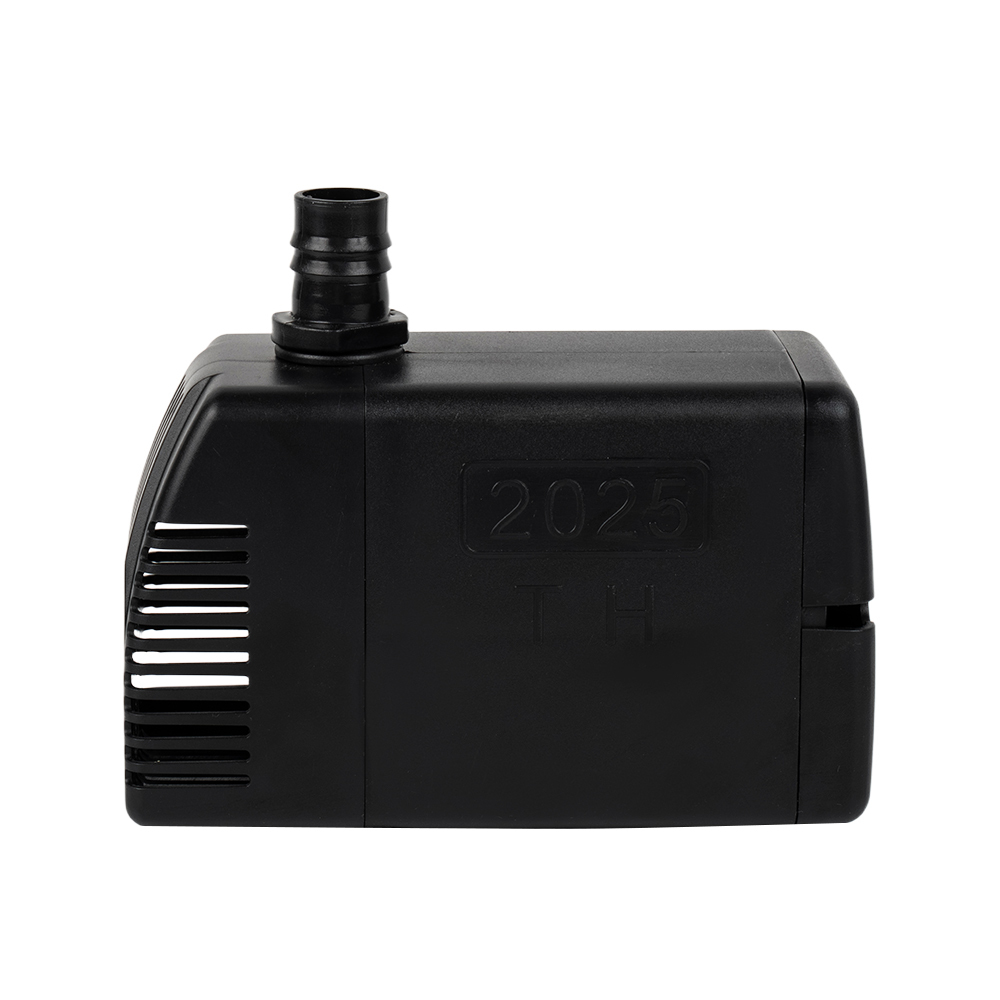
The DYH-80 High-Power 80W Resin Potting and Sealing Industrial Air Cooler Water Pump is a water pump designed specifically for industrial applications...
See Details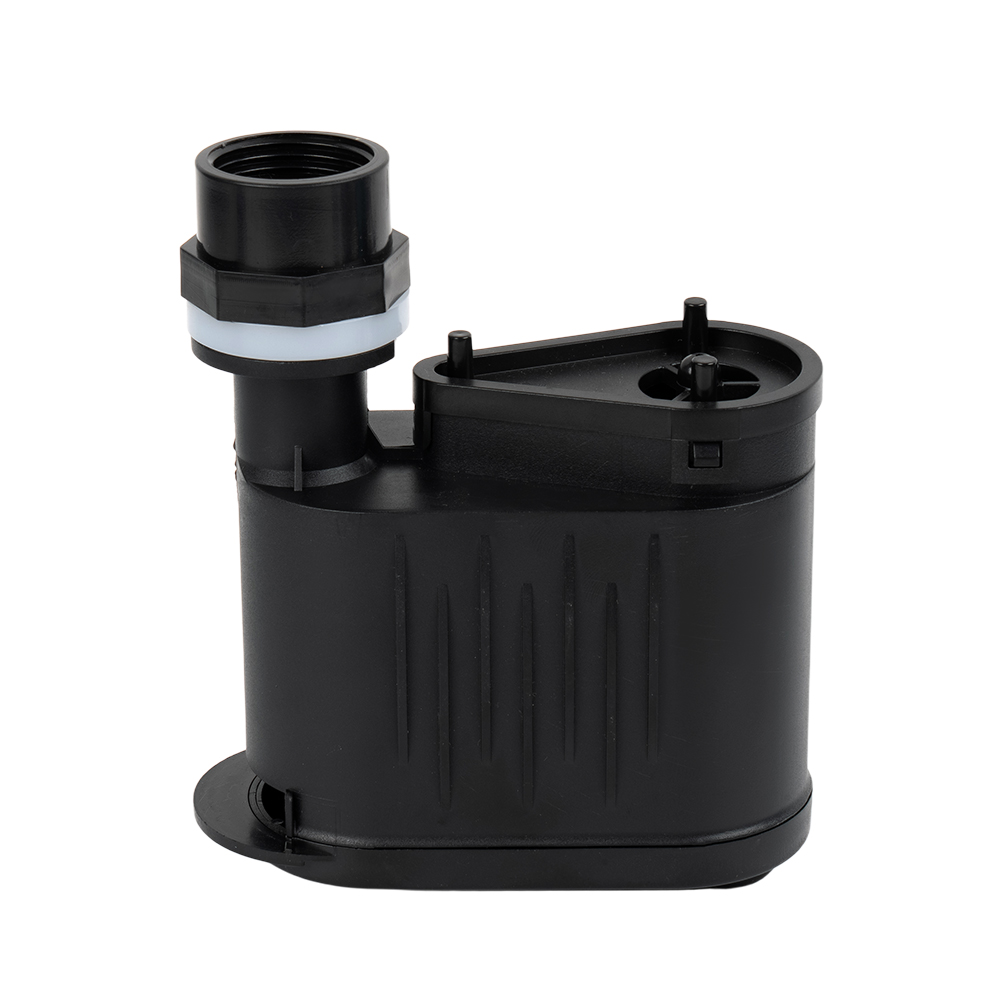
Factory direct supply, OEM/ODM supported, custom branding available. Suitable for a wide range of applications including air conditioning fans and oth...
See Details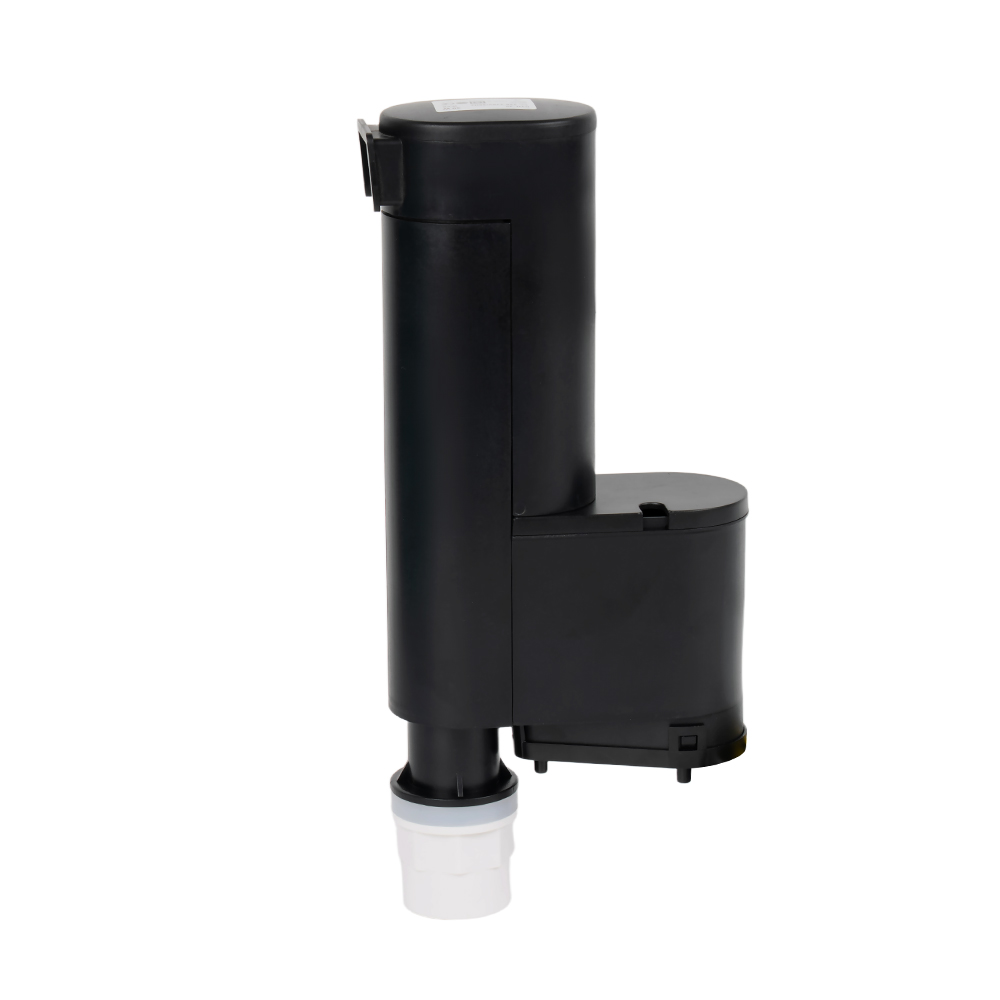
Are you troubled by the condensate drainage problem of your central air conditioning or fan coil units? Traditional drainage solutions often suffer fr...
See Details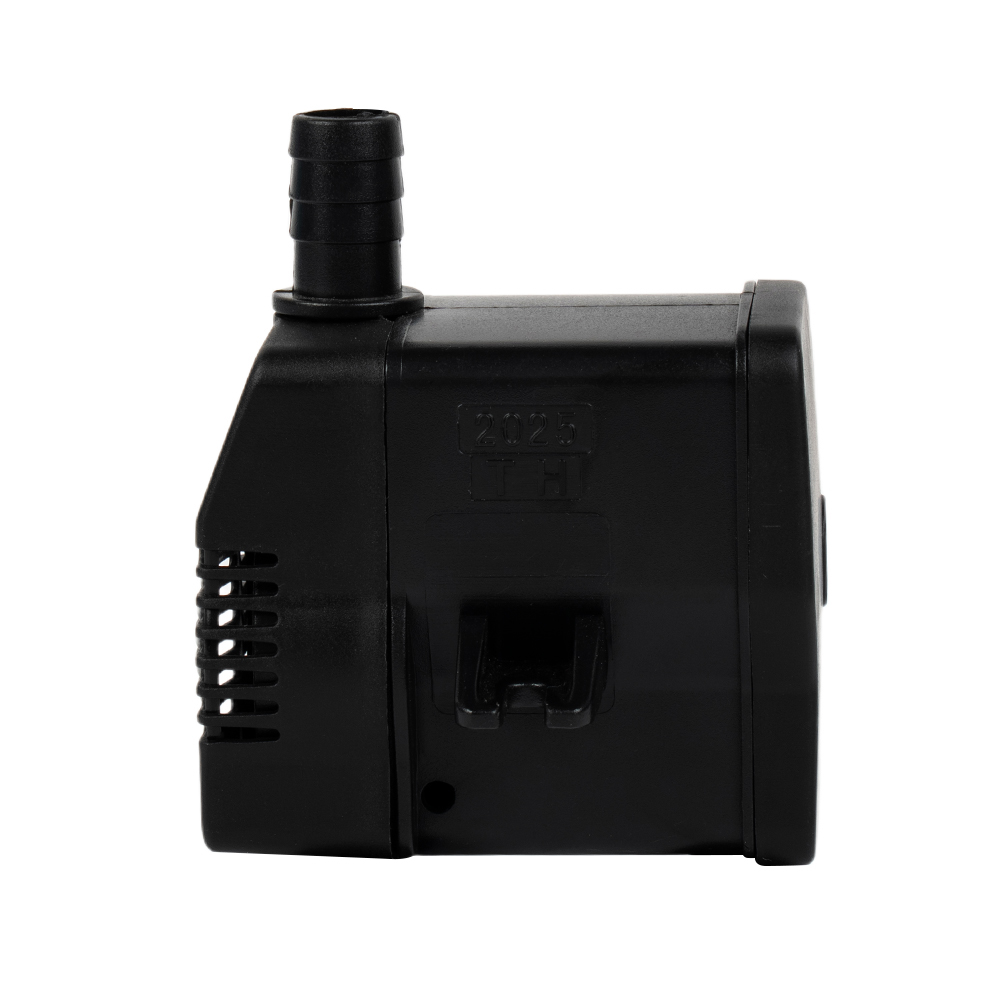
The DYH-18B Cooler Fan Water Pump is a high-performance, durable solution designed to enhance the efficiency of your cooling system. Made from brand-n...
See Details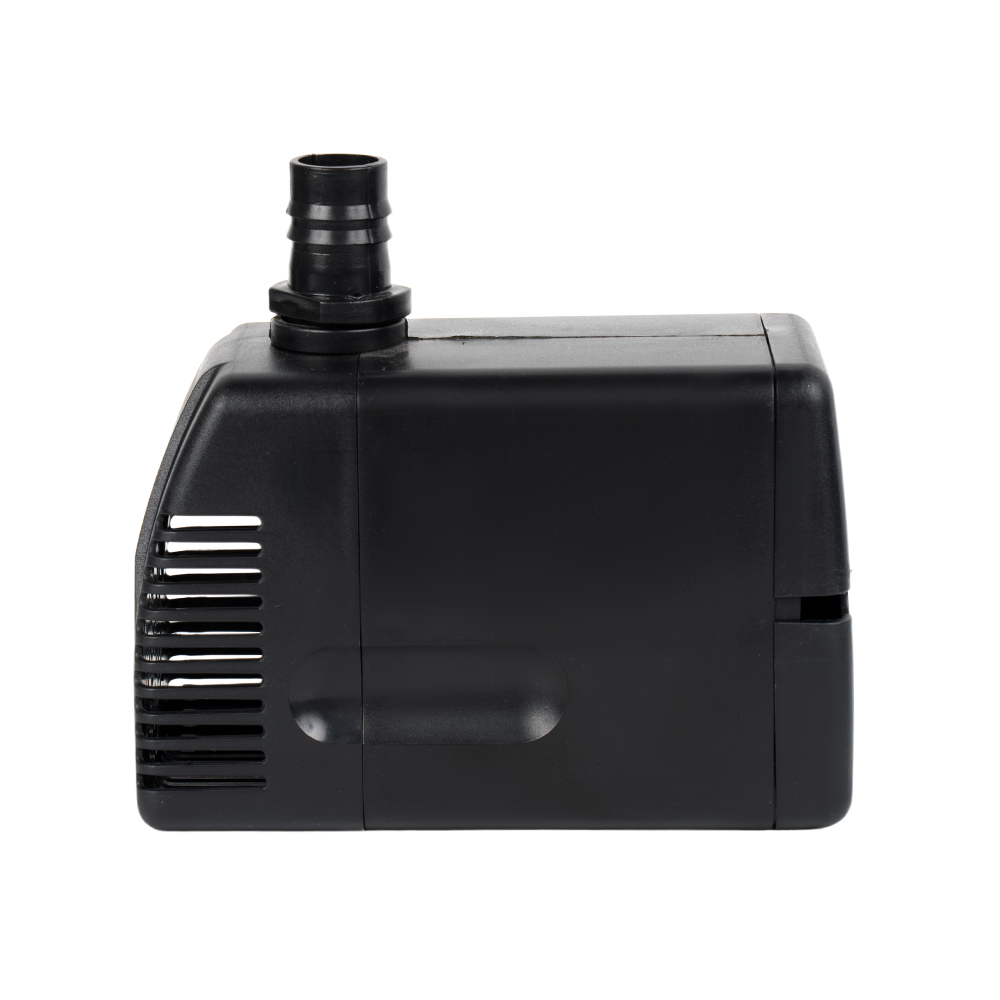
Product Applications: Suitable for industrial environmental air conditioning, mechanical equipment cooling, etc. Different outlet specifications can b...
See Details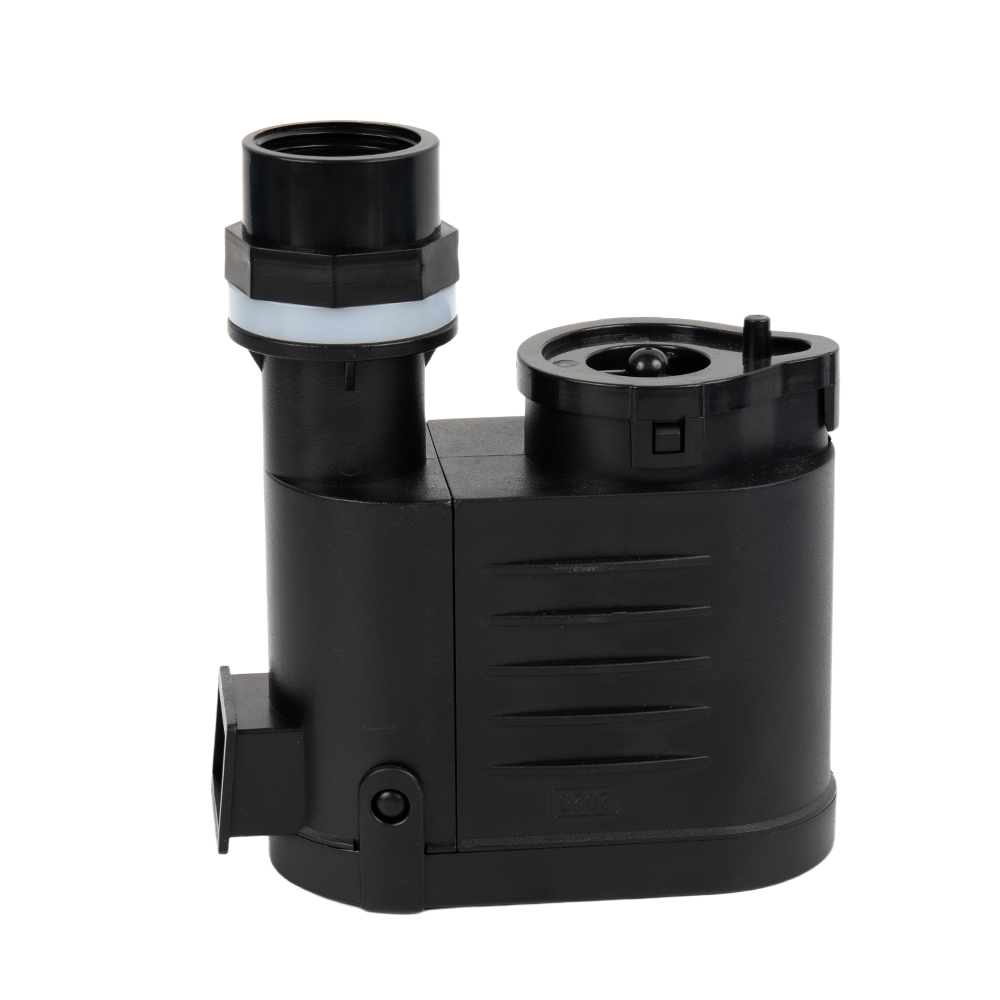
Customizable power and frequency, and customizable color box. Available in black and white outlets. Suitable for a wide range of applications includin...
See DetailsContent
Introduction to Air Cooler Drain Pumps In the realm of sustainable and cost-effective climate contro...
READ MOREWhat is an Air Cooler Pump? Definition of an Air Cooler Pump An air cooler pump is an essential comp...
READ MOREIntroduction to Industrial Evaporative Cooling Pumps An industrial air cooler pump is the driving fo...
READ MORE


+86-13605859208
+86-13615854385
+86-15167555022

Copyright © Shengzhou Tianhao Aluminum Foundry Co., Ltd.
All Rights Reserved.
 Wholesale Evaporative Cooling Water Pump Manufacturers
Contact Us