 LANGUAGE
 中文简体
中文简体DYH-30 Air Cooler Drain Pump with High Flow Rate and Outlet Design
Factory direct supply, OEM/ODM supported, custom branding available. Suitable for a wide range of applications including air conditioning fans and oth...
See Details [email protected]
 +86-575-83698898 / +86-13605859208 / +86-13615854385

In the realm of sustainable and cost-effective climate control, the evaporative cooler pump stands as a silent hero. As global temperatures rise and energy costs soar, more homeowners and industrial facility managers are turning to "swamp coolers" as a greener alternative to traditional refrigerant-based air conditioning. However, the heart of these systems is not just the fan or the cooling media, but the air cooler drain pump a specialized component designed to manage water flow and ensure the longevity of the entire unit.
An air cooler drain pump is a mechanical device, typically a submersible water pump, engineered to move water from the reservoir of an evaporative cooler to the distribution headers or, in the case of specialized drainage models, to remove stagnant water from the system. Unlike standard utility pumps, a swamp cooler pump is built to operate in high-moisture environments and often handles water with varying levels of mineral content.
To truly appreciate the critical importance of the evaporative cooler pump, one must first delve into the intricate physics of evaporative cooling. This cooling mechanism is governed by the principle of latent heat of vaporization—a thermodynamic phenomenon where a substance absorbs energy to change its physical state from a liquid to a gas without a change in temperature. In a swamp cooler, as water is distributed across the cooling media by the pump, it interacts with the incoming stream of hot, dry air.
As individual water molecules gain enough kinetic energy to break free from the surface of the liquid, they absorb thermal energy from the surrounding air. This specific energy requirement, known as the "enthalpy of vaporization," is remarkably high for water; it takes approximately 2,260 kilojoules of energy to evaporate just one kilogram of water. Because this heat is drawn directly from the air passing through the pads, the air’s sensible heat decreases, resulting in a significant and measurable drop in temperature. The pump’s primary mandate is to ensure that there is always a fresh, consistent supply of water molecules available for this phase change, maintaining the thermal gradient necessary for continuous refrigeration.
Comprehensive Saturation of Media: The water circulation pump acts as the primary delivery mechanism, lifting water from the bottom reservoir pan and forcing it through a network of distribution tubes. These tubes, often called a "spider" assembly, distribute the water evenly over the top of the cooling pads. Whether the pads are made of traditional aspen wood fibers or high-efficiency honeycomb cellulose, the pump must provide enough pressure to ensure the water seeps through the entire vertical span of the media. This thorough wetting is crucial because any dry area represents a failure in the system's ability to treat incoming air.
The Physics of Heat Exchange: Once the pads are fully saturated, the cooling process relies on the interaction between the water and the incoming airflow. As hot, dry ambient air is pulled through these saturated pads by a powerful blower, the water absorbs the sensible heat from the air. This heat is used to fuel the evaporation process, converting the liquid water into water vapor. As a result, the air loses its thermal energy, which significantly lowers the discharge air temperature—often by as much as 20 to 30 degrees Fahrenheit depending on the humidity levels.
Continuous Circulation and Thermal Consistency: The pump’s role is not a one-time task; it requires constant operation to ensure a steady state of evaporation. By providing a continuous flow, the swamp cooler pump prevents the pads from drying out during periods of intense heat or high wind. If the pump fails to maintain this flow, "efficiency leaks" occur. These are spots where dry, hot air rushes through the gaps in the media without undergoing a temperature drop, which can quickly raise the overall temperature of the cooled space and put unnecessary strain on the fan motor.
Strategic Drainage and Flushing (Bleed-off): In advanced or high-performance systems, a specialized air cooler drain pump or a bleed-off tee serves a secondary but vital maintenance function. As water evaporates, it leaves behind its mineral content, leading to a high concentration of "hard" minerals in the reservoir. By removing a small, controlled percentage of this highly concentrated water—often referred to as the "bleed-off" process—the pump helps prevent the "scaling" effect. This prevents calcium and magnesium from calcifying on the pads and internal metal components, which would otherwise destroy the unit’s efficiency and structural integrity over time.
Investing in a high-quality air cooler drain pump is not merely a matter of convenience; it is a critical requirement for maintaining a healthy and efficient cooler drainage system. Cheap, underpowered pumps often fail prematurely, leading to a cascade of mechanical issues, ranging from insufficient water pressure to total motor burnout during peak thermal loads.
One of the greatest enemies of any evaporative system is the presence of "hard water," which contains high levels of dissolved minerals like calcium and magnesium. Because the cooling process depends on pure water evaporating into the air, these minerals do not transition into a gaseous state; instead, they remain behind in the liquid reservoir. Over time, as the cycle continues, the concentration of these minerals in the reservoir increases exponentially, transforming the water into a thick, corrosive brine that can wreak havoc on the internal pump components and the delicate fibers of the cooling pads.
Biological Stagnation Risks: Without a robust submersible water pump to provide active circulation and the ability to occasionally drain the reservoir completely, the water becomes a dormant pool that is highly susceptible to contamination. Stagnant water in a warm environment becomes a fertile breeding ground for a variety of organic pollutants, including bacteria, algae, and mold. This bio-growth often manifests as a pungent, musty odor—widely recognized by homeowners as "swamp cooler smell." Beyond the unpleasant scent, these microorganisms can eventually be aerosolized and pulled into the living or working space, potentially leading to respiratory discomfort for sensitive individuals.
Mineral Scale and Chemical Concentration: A high-quality condensate removal pump or specialized drain pump is indispensable for implementing an effective "bleed-off" or "purge" system. Because pure water evaporates while minerals stay behind, the salinity and mineral concentration in the reservoir steadily climb. By constantly or periodically removing a portion of this mineral-rich "waste" water, the pump ensures that the system maintains a lower overall mineral threshold. This is vital for preventing the formation of white, crusty calcium deposits that clog distribution nozzles, coat the pump’s own impeller, and restrict the airflow through the cooling pads, ultimately preventing a total system breakdown.
Efficiency in an evaporative cooler is directly proportional to the "wetness" or saturation level of the pads. A subpar swamp cooler pump often lacks the necessary pressure or volume to achieve total saturation, especially if the maximum head height (the vertical distance water must travel) is not properly matched to the unit's height. When a pump underperforms, it creates "dead zones" within the cooling media—dry patches where air passes through untreated.
When you invest in a premium water circulation pump, you ensure a high-performance environment characterized by:
Consistent and Uniform Saturation: A high-quality pump guarantees that every square inch of the cooling media, from the top headers to the bottom tray, is thoroughly soaked. This maximizes the active surface area available for the heat exchange process, ensuring the air is cooled to the lowest possible wet-bulb temperature.
Rapid Thermal Response and Faster Temperature Drop: Higher flow rates allow the system to respond more quickly to sudden spikes in ambient temperature. In extremely dry or arid environments, water evaporates at an accelerated rate; a powerful pump ensures the pads are replenished faster than the moisture can be pulled away, resulting in a more rapid and sustained temperature drop.
Optimized Energy Consumption and Reduced Load: Modern, high-efficiency pumps move a larger volume of water with significantly less wattage than older models. By ensuring the cooler operates at peak efficiency, the pump allows the system to reach the desired comfort level faster, which can reduce the run-time of the high-amperage blower fan, contributing to a more eco-friendly and cost-effective cooling profile.
The selection of a replacement cooler pump is perhaps the single most influential factor in determining how often you will need to invest in new cooling pads. Because high-quality pads (especially rigid cellulose types) are expensive and leather-intensive to install, protecting them is a top priority for any maintenance plan.
If a pump fails to provide adequate flow or fails entirely, several destructive processes begin:
Accelerated Calcification and Scaling: When water flow is insufficient, minerals in the water are not rinsed away; instead, they "bake" onto the dry or damp sections of the pads. This creates a hard, cement-like crust that turns the once-porous media into a brittle, non-absorbent block, permanently destroying its cooling capacity.
Loss of Structural Integrity: Evaporative pads rely on uniform moisture to maintain their shape and density. Uneven wetting caused by a weak pump leads to localized drying, which causes the media to warp, sag, or develop "holing." These gaps allow hot air to bypass the cooling cycle entirely, rendering the unit ineffective.
Passive Self-Cleaning and Debris Removal: A robust and steady flow of water provided by a quality air cooler drain pump act as a continuous "washing cycle." As water cascades through the pads, it naturally flushes away airborne dust, pollen, and salt before they can become embedded in the fibers. This mechanical rinsing action keeps the airways open and significantly delays the need for professional cleaning or total pad replacement.
Selecting a replacement cooler pump is a nuanced process that requires more than just picking a generic model off a shelf. To ensure operational success, you must precisely match the pump's technical specifications such as flow rate, lift capacity, and electrical load to the specific engineering requirements of your cooling unit. Failure to align these variables often leads to "motor hunting," premature mechanical burnout, or chronic under-performance that leaves your living space uncomfortably warm.
To help you decide which evaporative cooler pump is right for your setup, refer to the table below based on typical industry standards:
|
Cooler Type |
Recommended GPH |
Max Head Height |
Common Voltage |
Best Use Case |
|---|---|---|---|---|
|
Portable Cooler |
170 - 250 GPH |
3 - 5 Feet |
110V/115V |
Indoor rooms or patios |
|
Window/Wall Unit |
300 - 500 GPH |
5 - 8 Feet |
115V |
Residential homes |
|
Roof Mount (Down) |
500 - 750 GPH |
8 - 12 Feet |
115V / 230V |
Large houses / Garages |
|
Industrial Unit |
1000+ GPH |
15+ Feet |
230V / 460V |
Warehouses / Factories |
The GPH (Gallons Per Hour) rating is the primary metric for measuring the volume of water the swamp cooler pump can transport within a sixty-minute window. This rating is critical because every evaporative cooler design has a specific "saturation requirement" based on the thickness and surface area of its cooling pads. A pump with a GPH rating that is too low will result in dry spots on the media, significantly reducing cooling efficiency. Conversely, an excessively high GPH can lead to "water carry-over," where the velocity of the water is so high that it gets pulled off the pads by the fan's airflow and sprayed into the ductwork or the living space. Finding the "Goldilocks zone" for flow dynamics is essential for balancing thermal exchange without causing moisture damage.
"Head height," often referred to simply as "lift," is a measurement of the vertical distance the submersible water pump must push water from the reservoir pan to the highest point of the distribution header. This is a crucial factor because gravity and friction within the internal tubing create resistance that the pump motor must overcome. It is important to note that a pump's GPH rating drops significantly as the lift height increases; a pump rated for 500 GPH at zero feet might only deliver 300 GPH at a six-foot lift. Always consult the "flow curve" chart provided by the manufacturer to ensure the pump can deliver the required volume at the specific height of your cooler unit.
Ensuring that your replacement cooler pump matches the electrical profile of your system is a non-negotiable safety requirement. Operating a pump on the incorrect voltage such as connecting a 115V pump to a 230V circuit will cause the motor windings to melt instantly, posing a fire risk. Conversely, running a 230V pump on a 115V line will result in a weak, sluggish motor that fails to lift water to the headers. Always verify the voltage requirements listed on the cooler’s nameplate or the old pump’s housing before purchasing, as many industrial or large-scale residential units utilize higher voltage to reduce current draw and improve motor longevity.
Because an air cooler drain pump is required to operate in high-ambient temperatures often while submerged in water that is rapidly warming due to solar gain it is subject to extreme thermal stress. Quality pumps feature an integrated thermal overload switch that acts as a failsafe. Furthermore, if the impeller becomes jammed by a mineral deposit, a stray aspen fiber, or a piece of debris, the motor will experience "locked rotor" conditions, generating excessive heat within seconds. The thermal protector detects this spike in temperature and automatically cuts power to the motor, preventing a permanent burnout and allowing the unit to cool down once the obstruction is cleared.
Installing a replacement cooler pump is a highly manageable DIY task for most homeowners, provided it is approached with a systematic mindset, a keen eye for mechanical precision, and an unwavering focus on electrical safety. By understanding the interaction between the water reservoir and the distribution network, you can successfully restore your system’s cooling capacity in under an hour, avoiding the high costs of professional service calls while ensuring the job is done to industrial standards.
Before you begin, ensure you have gathered the essential components and tools: a new air cooler drain pump verified for proper GPH and voltage, a screwdriver set containing both Phillips and Flathead heads, an adjustable wrench or pair of pliers, and wire strippers with electrical nuts if you aren't using a plug-and-play cord. Additionally, have new plastic tubing on hand if the old water circulation pump line is brittle, and keep a bucket and sponge nearby for cleaning the reservoir during the swap.
Before performing any mechanical work, prioritize safety by following these essential steps: first, power down the unit by unplugging the cooler or turning off the dedicated circuit breaker, and always verify the power is off using a voltage tester. Next, manage the water supply by drying off the line leading to the float valve. If you are working on a roof-mounted unit, ensure your physical stability by using a secure ladder and appropriate fall protection. Finally, maintain dry hands and avoid handling any electrical wires with wet hands or while standing in water to prevent accidental shock.
Strategically Position the Pump: Carefully place the submersible water pump at the lowest point of the reservoir pan to ensure it can access the maximum volume of water available. Ideally, you should position the intake away from the float valve and water inlet; this prevents air bubbles or turbulence created by incoming water from causing an "air lock" in the pump's impeller housing, which would stop the cooling flow entirely.
Secure Mounting and Vibration Control: Most swamp cooler pumps feature integrated suction cup feet or a specialized mounting bracket system. It is vital to secure the pump firmly to the floor of the pan so it does not "walk" or shift due to motor torque. Proper mounting also minimizes mechanical vibration against the metal or plastic casing, which significantly reduces operating noise and prevents the discharge tubing from rubbing against sharp edges.
Verify Tubing and Discharge Connections: Connect the primary discharge port of the pump to your vinyl or poly tubing. It is essential to ensure this connection is airtight and watertight; even a minor leak at the source will reduce the pressure reaching the cooling pads. If the fit is not perfectly snug, use a small zip-tie or a specialized hose clamp to lock the tubing in place and prevent it from popping off under pressure.
Kink-Free Routing to the Distribution Header: Route the discharge tubing upward to the distributor "spider" or main header pipe. Pay close attention to the path of the line, ensuring there are no sharp bends, kinks, or pinched sections that would restrict the condensate removal pump action. Any restriction in this line increases back-pressure on the motor, leading to overheating and a drastic reduction in the saturation of your cooling media.
Wiring the evaporative cooler pump is the final, critical step in the installation process. Many modern units are designed for ultimate user convenience, featuring a "plug-and-play" architecture where the pump cord terminates in a molded, industry-standard male plug. This plug is keyed to fit directly into a dedicated female outlet located inside the cooler’s internal junction box, ensuring a secure and water-resistant connection without the need for manual stripping.
If you are working with an older model or a hard-wired industrial unit, you may need to manually splice the pump's lead wires typically color-coded as Black (Hot), White (Neutral), and Green (Ground) into the cooler’s power harness. In these scenarios, it is imperative to use UL-listed waterproof wire nuts and high-grade electrical tape to protect the junctions from the high-humidity internal environment. Regardless of the connection method, always ensure the power cord is routed through the integrated strain relief clips to prevent the wires from being pulled into the blower wheel or becoming submerged in the reservoir water.
Under optimal conditions and with a consistent maintenance schedule, a high-quality air cooler drain pump can reliably serve your system for 3 to 5 years. Conversely, a neglected unit one forced to struggle against heavy mineral calcification or an obstructed intake is highly prone to catastrophic failure and may burn out in a single intensive cooling season. The difference in lifespan is almost entirely dictated by the owner's commitment to descaling and debris management, as the mechanical tolerances of the motor cannot withstand the increased torque and heat generated by a seized or sluggish impeller.
Adopting a rigorous and proactive cleaning regimen is the single most effective way to prevent the premature mechanical failure of your submersible water pump. Because these pumps are constantly exposed to a "cocktail" of airborne dust, organic debris, and heavy mineral concentrations, they are highly susceptible to "internal choking" which starves the motor of cooling water and forces the electrical windings to operate at dangerously high temperatures. By performing a deep-clean at the beginning, middle, and end of the cooling season, you can prevent the buildup of abrasive silt that acts like sandpaper on the motor's shaft and seals.
Thorough Intake Screen Cleaning: Almost all submersible water pumps are equipped with a snap-off or slide-off plastic intake screen at the base. This screen acts as the first line of defense against aspen fibers and debris. You must remove this housing and vigorously rinse it under high-pressure water to dislodge silt, mud, and trapped organic matter that could starve the pump of water and cause it to cavitate.
Advanced Vinegar Descaling Soak: In regions with hard water, mineral scale will inevitably coat the internal components. To resolve this, unplug the pump and submerge the entire lower assembly in a bucket filled with undiluted white vinegar for at least 2 hours. This acidic soak chemically dissolves the calcium and magnesium deposits that bond to the plastic, effectively "renewing" the smooth surfaces needed for optimal water flow and cooling efficiency.
Impeller Integrity and Manual Rotation Check: After descaling, use a toothpick or a small screwdriver to reach into the intake port and manually rotate the small plastic fan, known as the impeller. The impeller must spin freely with no resistance or "crunchy" feeling. If the impeller is seized or difficult to turn, the swamp cooler pump will likely produce a hum without pumping water, eventually leading to a permanent thermal burnout.
Developing a keen ear and eye for the early warning signs of mechanical distress is essential for any cooler owner; recognizing these symptoms early can prevent catastrophic failure of the entire cooler drainage system and protect the more expensive internal components, such as the blower motor. When a pump begins to fail, it often sends out "distress signals"—slight changes in sound, a decrease in water pressure, or an unusual odor—that, if caught in time, allow for a simple cleaning or part replacement rather than a total system overhaul. Ignoring these cues can lead to a cascading failure where a seized pump causes the water to stagnate, the pads to calcify, and the fan motor to overheat due to the increased resistance of dry, heavy air.
Identifying Abrasive Grinding Noises: If you hear a harsh, metallic grinding or rattling sound during operation, it almost certainly indicates that a pebble, a shard of calcified scale, or a large piece of debris has breached the intake screen and is physically impacting the spinning impeller. Continued operation under these conditions will shatter the plastic blades or bend the motor shaft, necessitating an immediate replacement cooler pump.
Interpreting Loud Humming and Thermal Hazards: A loud, steady electrical hum coming from the reservoir usually means the motor is receiving power but the impeller is mechanically jammed or the start capacitor has failed. This is a severe fire hazard because the electricity is being converted entirely into heat rather than mechanical energy. You must turn the unit off immediately and investigate for a physical blockage before the internal thermal overload protection is permanently triggered.
Managing Low Flow and Trickling Issues: If water is only trickling onto the pads despite the pump running, the water circulation pump may be losing its pressure due to age, or the discharge tubing is likely clogged with biological growth such as algae or "slime." Check for kinks in the vinyl line and blow compressed air through the tubes to clear any obstructions that are restricting the flow.
Diagnosing Dry Pads and Warm Air: When the blower fan is operating but the discharge air remains warm, the primary culprit is often a non-functional evaporative cooler pump. Check the water level first; if the reservoir is full but the pads are bone dry, the pump is either air-locked or its internal motor windings have failed. Verify the pump is receiving voltage using a multimeter before declaring it dead.
In regions subject to harsh winter conditions, failing to properly winterize your unit poses a severe mechanical threat; in cold climates, any stagnant water left within the cooler drainage system will undergo a phase change that is physically destructive to the equipment. As water freezes, it undergoes a molecular expansion of approximately 9%, exerting thousands of pounds of pressure per square inch on its container. This immense force will inevitably crack the rigid plastic pump housing, shatter the internal ceramic shafts, or blow out the watertight motor seals. Once these seals are breached, the pump becomes an immediate electrical hazard and will fail to hold pressure when the system is reactivated in the spring, leading to costly and avoidable repairs.
Complete Reservoir Evacuation and Drying: Begin the winterization process by using the air cooler drain pump to empty as much of the reservoir as possible. Once the pump can no longer pull water, turn off the power and use a large sponge or a wet/dry vacuum to remove every remaining drop from the pan. A bone-dry reservoir is your best defense against rust, corrosion, and the foul odors that develop when biological matter sits in a damp environment all winter.
Safe Pump Extraction and Indoor Storage: After the reservoir is dry, disconnect the electrical lead and the discharge tubing from the submersible water pump. Carefully remove the pump from the unit, rinse it with clean water to remove any residual summer silt, and dry the exterior thoroughly with a towel. Storing the pump in a climate-controlled indoor environment—such as a garage or basement—prevents the internal motor seals from becoming brittle due to extreme temperature fluctuations.
Clearing and Blowing Out Distribution Lines: Residual moisture trapped inside the vinyl or poly tubing can lead to ice blockages or algae growth over the winter. Use a canister of compressed air or a high-volume pump to blow through the distribution "spider" and all header tubes. Ensuring these lines are clear of water prevents the tubing from bursting in sub-freezing temperatures and ensures the condensate removal pump action is ready to go immediately when spring arrives.
Protective Unit Covering and Debris Shielding: Once the internal components are winterized, install a heavy-duty, breathable cooler cover over the entire exterior of the unit. A high-quality cover prevents snow, rain, and airborne debris from entering the cooler drainage system, while a breathable fabric allows any internal condensation to evaporate. This simple final step prevents the metal casing from rusting and ensures your cooling pads clean and free of dust until the next cooling season.
While life expectancy varies based on water quality, most experts recommend inspecting the air cooler drain pump annually. If you live in an area with extremely hard water, you might need a replacement cooler pump every 2 years. Using a "zinc anode" in the water pan can help reduce corrosion and extend the pump's life.
While they look similar, it is not recommended. A dedicated evaporative cooler pump is designed to handle the specific "head height" and constant-run duty cycles of a cooling system. Furthermore, many fountain pumps lack the thermal overload protection necessary for the high-temperature environment of a sun-soaked roof unit.
A water circulation pump is designed to run continuously to keep the pads wet. An air cooler drain pump (or "purge pump") is often used in specialized systems to periodically flush the reservoir to reduce mineral buildup. Some high-end systems use one pump for both, but many industrial units have separate pumps for each function within the cooler drainage system.
Not necessarily. If you put a 500 GPH pump in a small portable unit designed for 170 GPH, you may experience "water carry-over," where the water is moving so fast that it gets pulled off the pads by the fan and sprayed into the room. Always stick within the manufacturer's recommended range for your swamp cooler pump.
This isn't the pump's fault, but rather a sign that your cooler drainage system needs maintenance. The smell comes from bacteria growing in stagnant water. To fix this, drain the reservoir, scrub it with a mild bleach solution, and ensure your condensate removal pump or drain system is working correctly to prevent water from sitting for too long.
ASHRAE (American Society of Heating, Refrigerating and Air-Conditioning Engineers). (2021). Handbook—HVAC Systems and Equipment. Atlanta, GA: ASHRAE.
U.S. Department of Energy (DOE). (2023). Evaporative Coolers: Maintenance and Energy Efficiency Guide. Washington, D.C.
Internal Pump Standards Organization (IPSO). Technical Specifications for Submersible Centrifugal Pumps in High-Mineral Environments.
Manufacturer’s Service Manuals for Leading Brands (e.g., MasterCool, Bonaire, Portacool). (2022-2024). Installation and Troubleshooting Guides for Water Circulation Components.
Home Maintenance Standards Institute (HMSI). (2022). Seasonal Transition and Winterization Protocols for HVAC Systems.
Water Quality Association (WQA). The Impact of Calcium Carbonate (Scale) on Small Motor Cooling Systems.
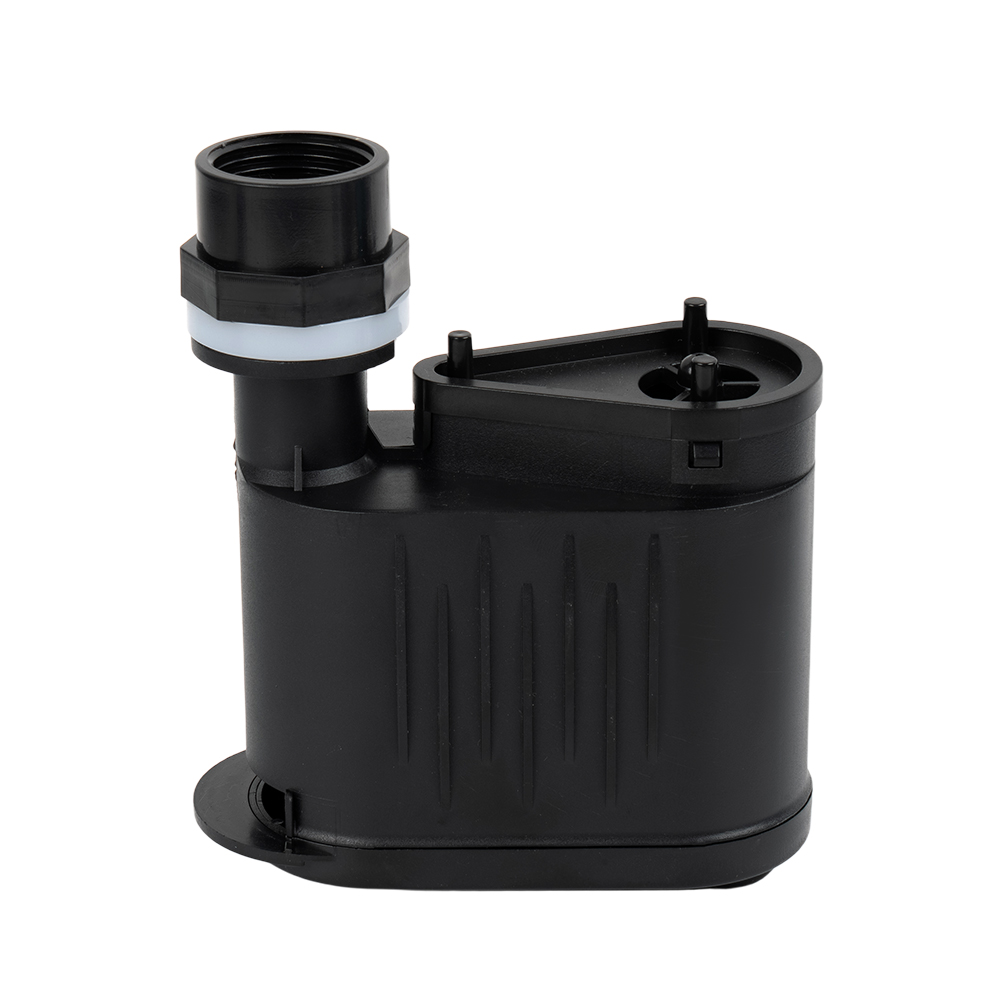
Factory direct supply, OEM/ODM supported, custom branding available. Suitable for a wide range of applications including air conditioning fans and oth...
See Details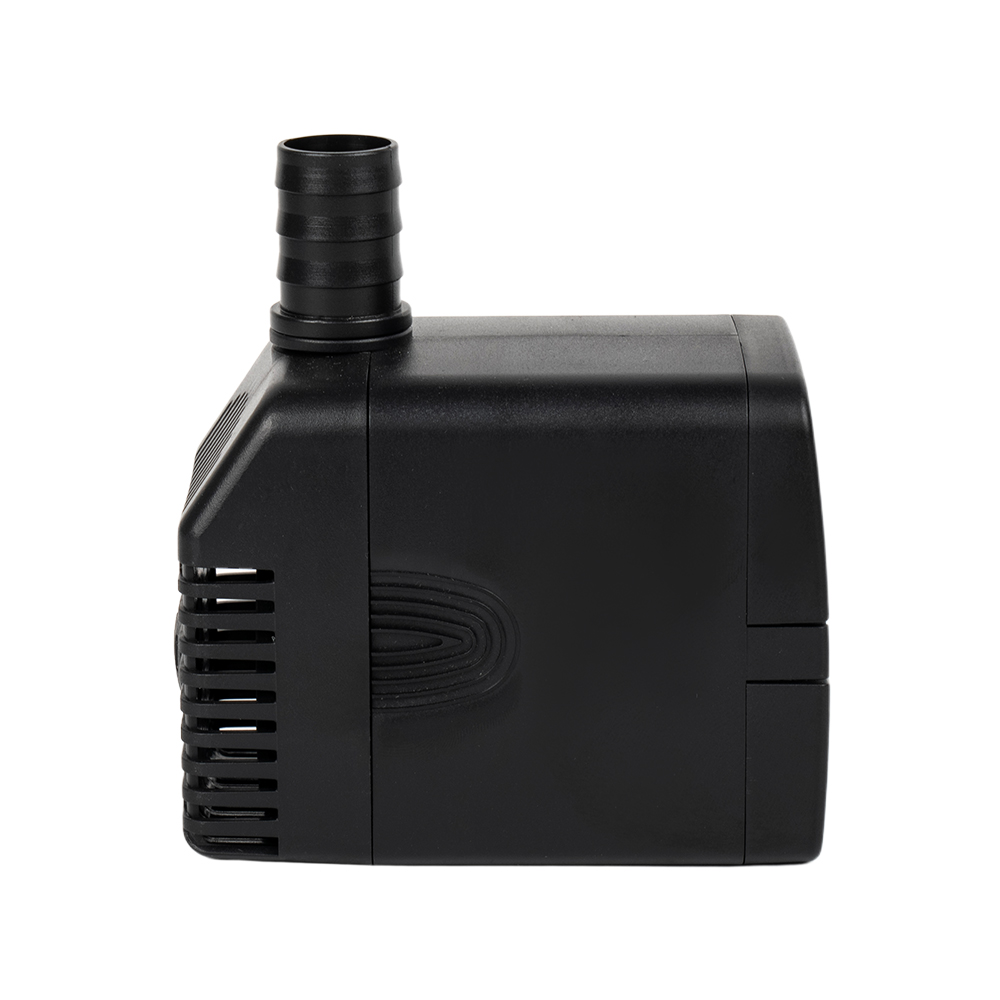
The DYH-40 customizable industrial air-cooled water pump is a high-efficiency pump designed specifically for industrial applications, widely used in a...
See Details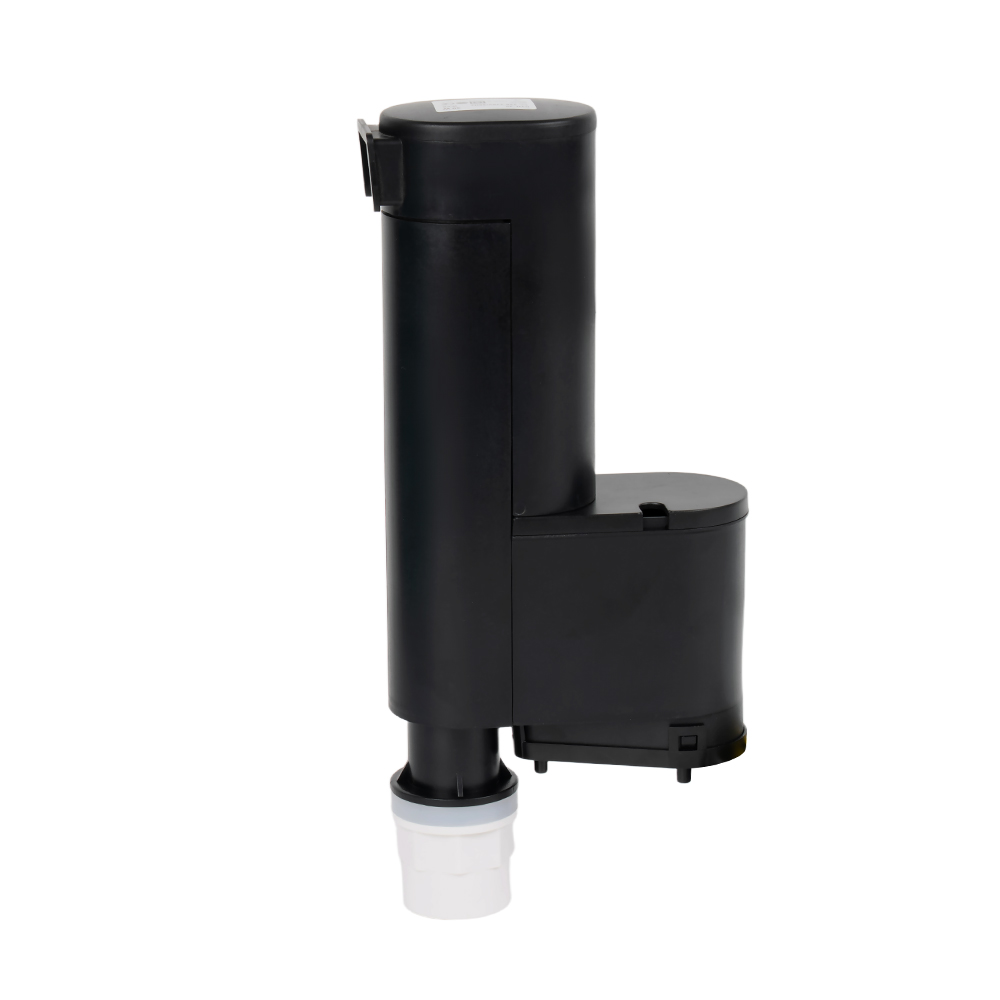
Are you troubled by the condensate drainage problem of your central air conditioning or fan coil units? Traditional drainage solutions often suffer fr...
See Details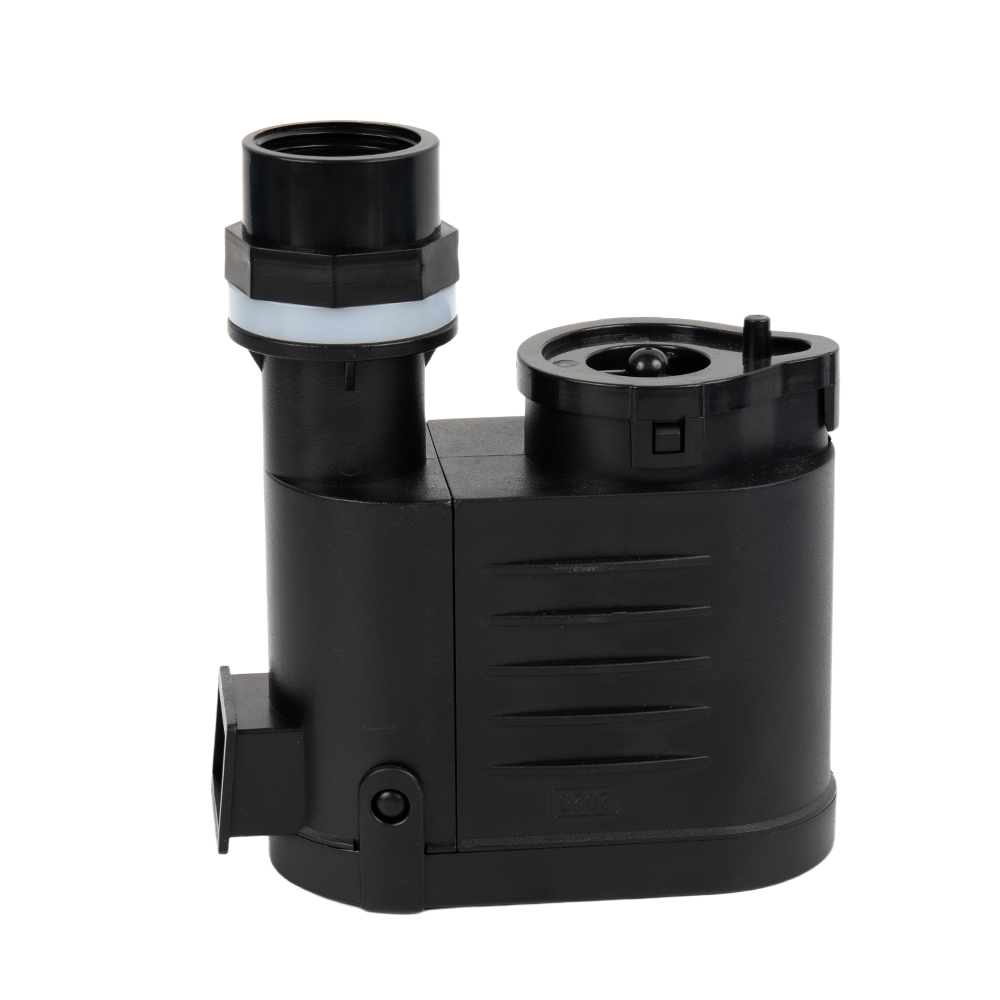
Customizable power and frequency, and customizable color box. Available in black and white outlets. Suitable for a wide range of applications includin...
See Details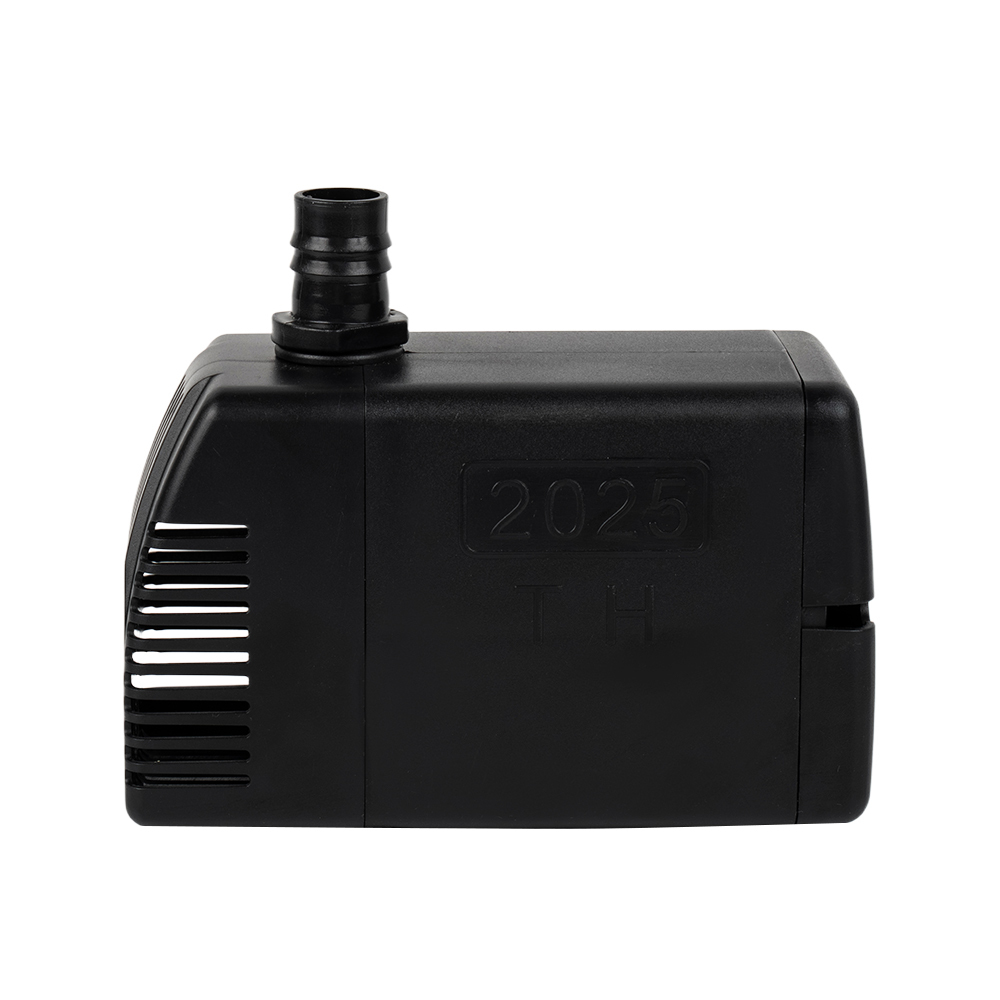
The DYH-80 High-Power 80W Resin Potting and Sealing Industrial Air Cooler Water Pump is a water pump designed specifically for industrial applications...
See Details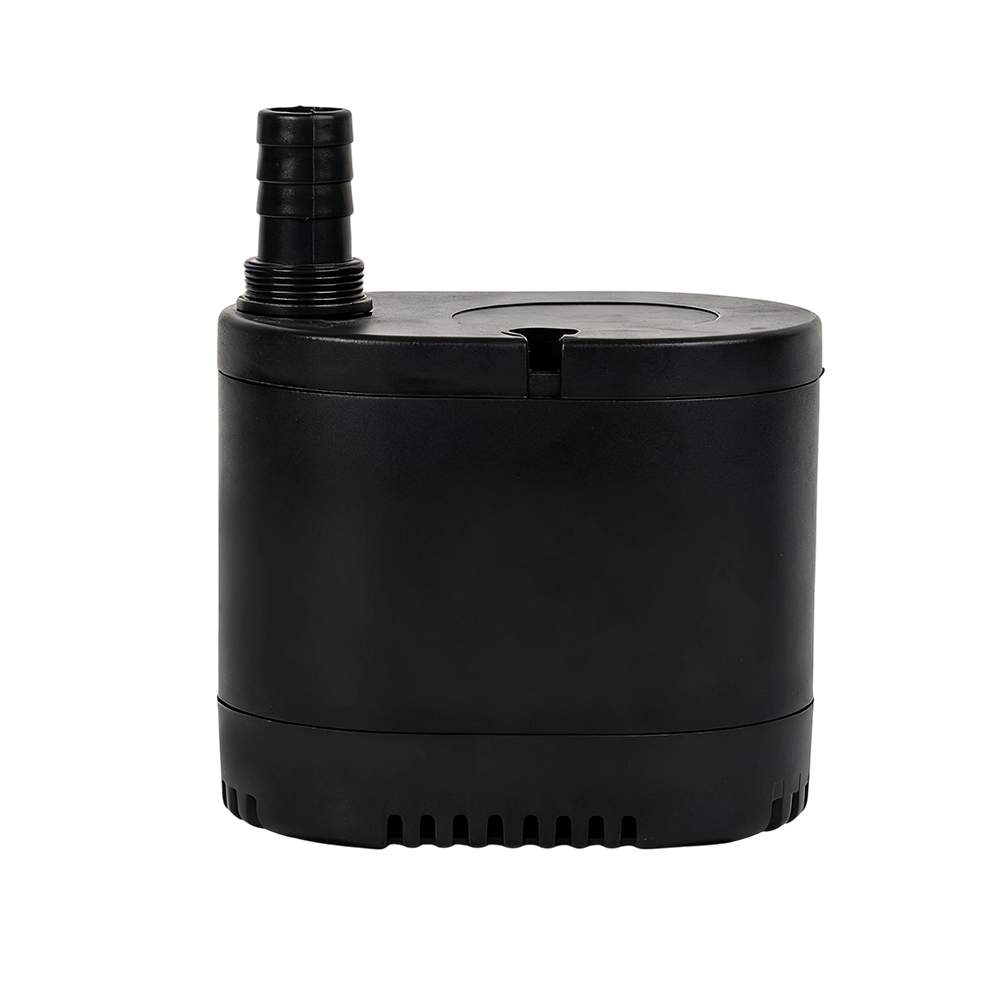
A round basket style is also available for order, with a variety of colors to choose from. The low-water-level design allows for pumping water levels ...
See DetailsIntroduction to Air Cooler Drain Pumps In the realm of sustainable and cost-effective climate contro...
READ MOREWhat is an Air Cooler Pump? Definition of an Air Cooler Pump An air cooler pump is an essential comp...
READ MOREIntroduction to Industrial Evaporative Cooling Pumps An industrial air cooler pump is the driving fo...
READ MORE


+86-13605859208
+86-13615854385
+86-15167555022

Copyright © Shengzhou Tianhao Aluminum Foundry Co., Ltd.
All Rights Reserved.
 Wholesale Evaporative Cooling Water Pump Manufacturers
Contact Us