Functional Water Pump Applications in Evaporative Cooling and Air Circulation Systems
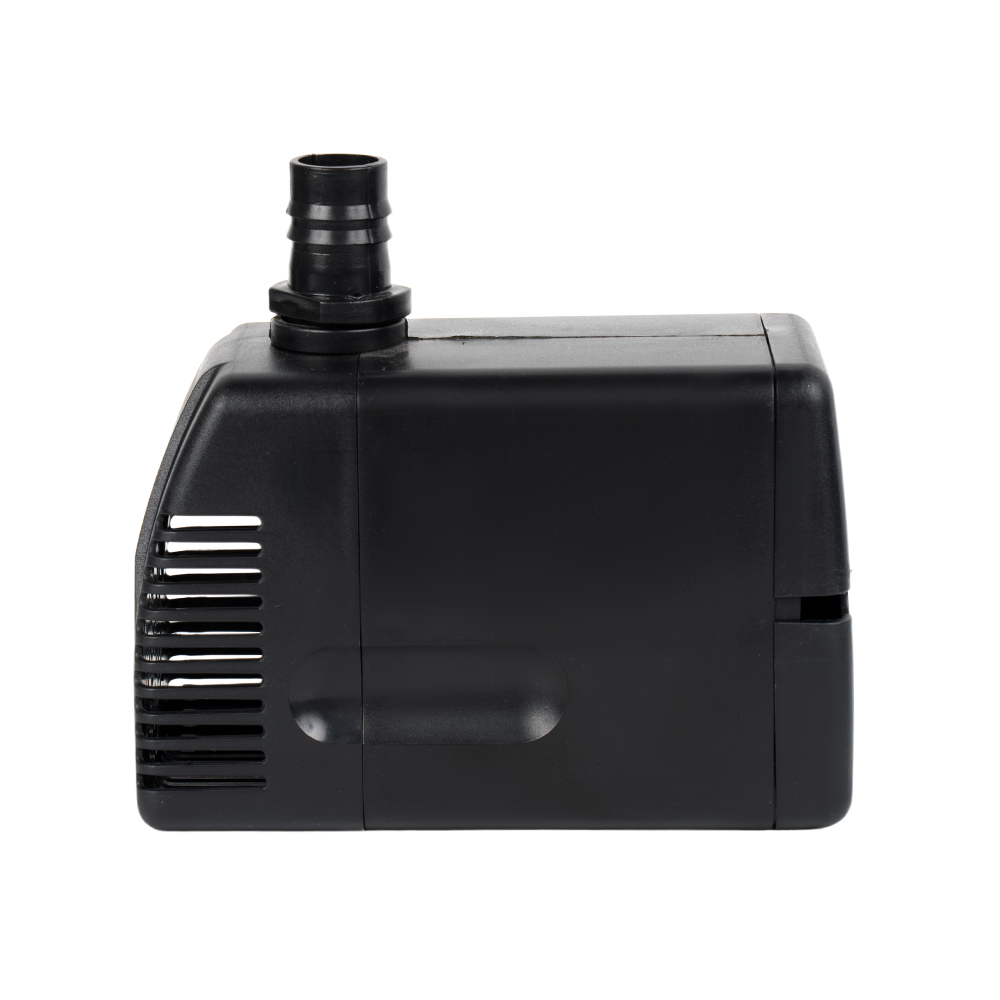
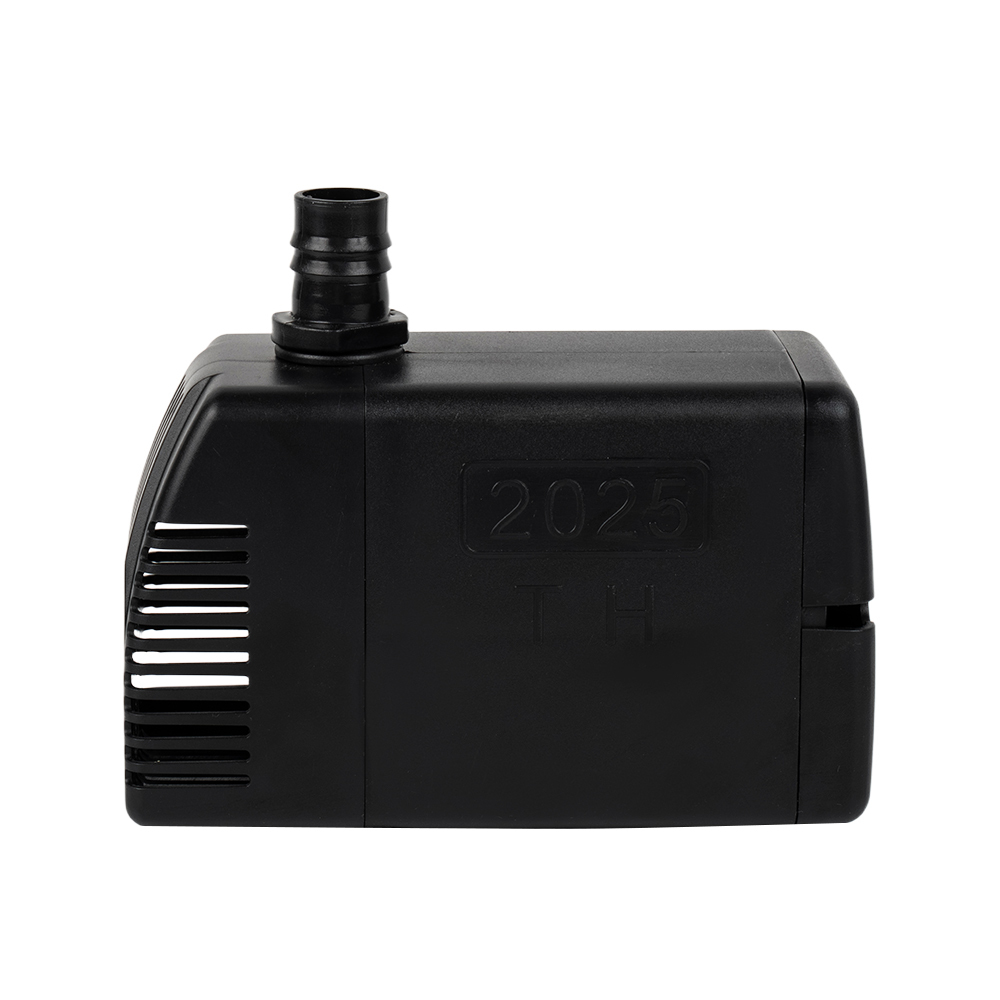
Functional water pumps are engineered to deliver reliable fluid movement under varying operational conditions, including continuous and intermittent flow scenarios. In evaporative cooling systems, the pump circulates water from the reservoir to the cooling pads or misting nozzles, ensuring uniform wetting and optimal heat transfer. Design parameters such as impeller diameter, blade curvature, rotational speed, and pump casing shape directly affect hydraulic performance, flow stability, and energy efficiency. Advanced computational fluid dynamics (CFD) modeling enables us to optimize impeller designs and minimize cavitation risks. The motor design is also critical for performance; brushless DC motors provide stable torque and high efficiency while minimizing vibration. Structural materials, including corrosion-resistant aluminum alloys and reinforced plastics, enhance durability and allow the pump to operate reliably in water with varying mineral content. Precise tolerances and mechanical balance reduce mechanical wear, prevent bearing damage, and extend service life. Noise reduction is achieved through low-friction seals, vibration damping mounts, and smooth hydraulic flow paths. Integration of AC and DC motor options with variable-frequency control provides adaptability, allowing the pump to adjust flow according to system demand. This adaptability ensures water distribution matches airflow patterns, preventing dry spots on cooling pads or uneven misting coverage. The structural engineering of functional water pumps also accounts for installation constraints, including vertical and horizontal orientations, submersible or external placement, and connection interfaces with the system plumbing. By maintaining consistent hydraulic performance and mechanical integrity, the pump contributes to stable system temperatures, extended equipment lifespan, and reduced energy consumption.
The core components of a functional water pump include the impeller, rotor, stator, shaft, bearings, seals, and casing. The quality, precision, and material of each component directly influence operational reliability and longevity. Impellers are manufactured with exacting tolerances to ensure uniform flow without turbulence, cavitation, or pressure fluctuations. Rotor and stator assemblies are engineered for magnetic efficiency and thermal stability, providing consistent torque and operational efficiency across variable loads. The shaft and bearing design ensures minimal friction and mechanical deformation under high-speed rotation, reducing wear over extended operation. Sealing systems prevent water ingress into the motor while maintaining smooth rotation. Materials used in functional water pumps are selected for corrosion resistance, thermal stability, and mechanical strength. High-grade aluminum alloys offer structural rigidity, while reinforced plastics and composite materials prevent chemical degradation from mineralized water. Precision manufacturing processes, including CNC machining, automated winding, and injection molding, enable consistent dimensional accuracy and reduce manufacturing variability. These processes ensure that each pump meets strict performance criteria without defects that could compromise efficiency or durability. For submersible applications, waterproof sealing and anti-leak designs are critical, while surface finishing prevents scale buildup and corrosion. The combination of precision components and advanced materials provides stability under continuous operation, resists mechanical and chemical degradation, and ensures that our pumps maintain flow consistency and system performance over long service periods. Variable-frequency and DC motor adaptations allow component configurations to be optimized for energy efficiency while sustaining high flow and pressure output. Each element of the pump is designed to function harmoniously, contributing to overall system efficiency, operational reliability, and minimal maintenance requirements.
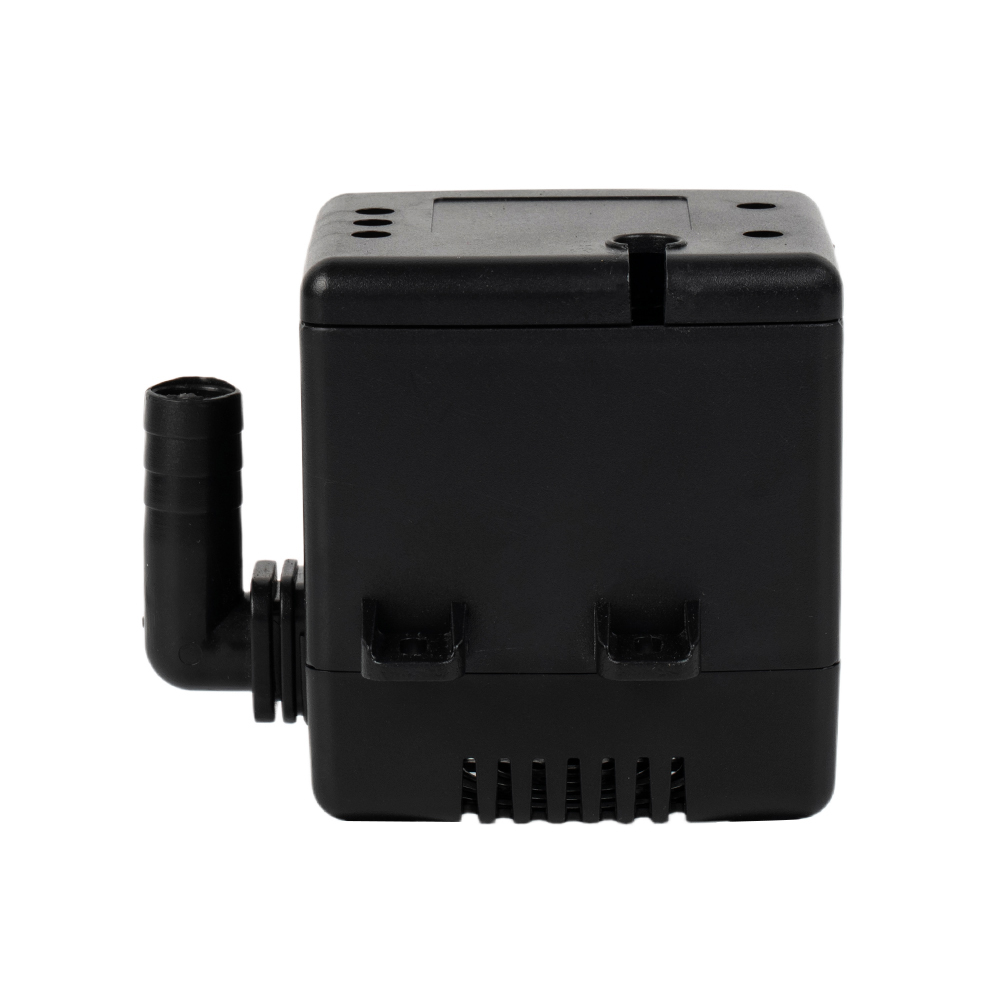
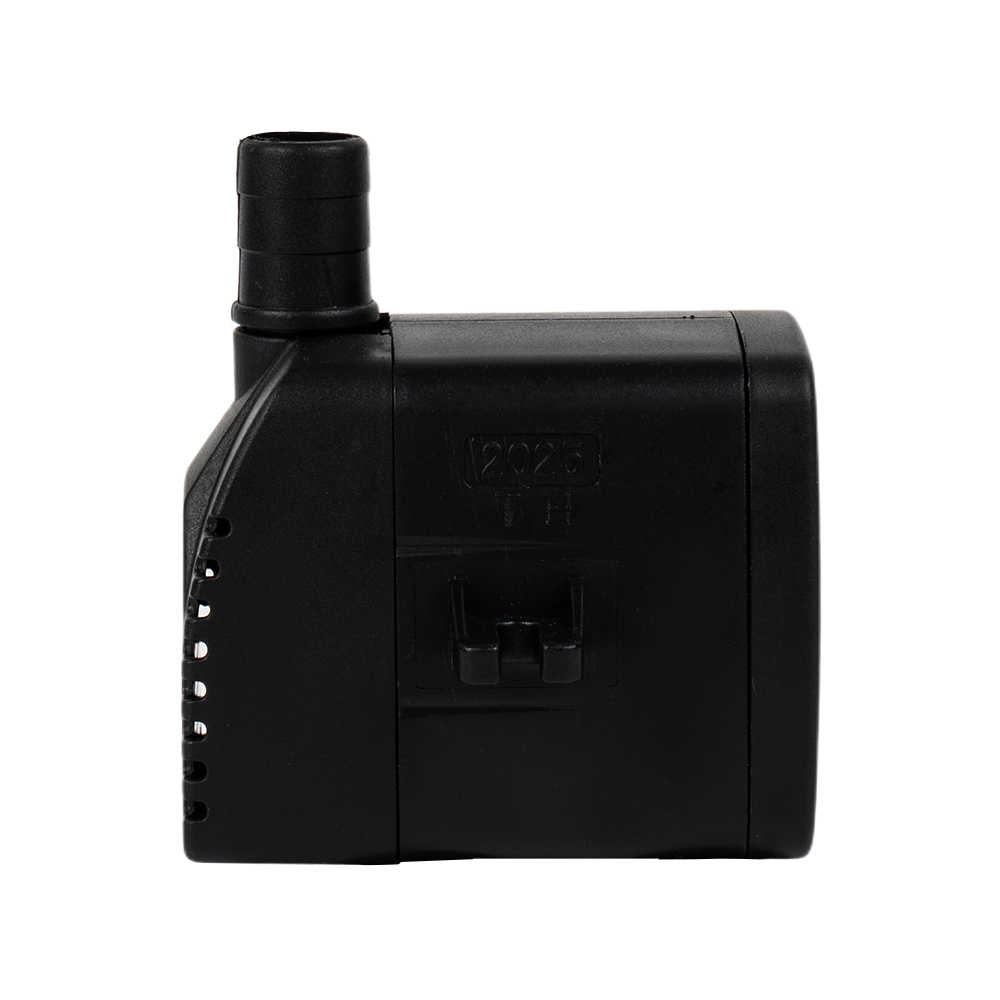
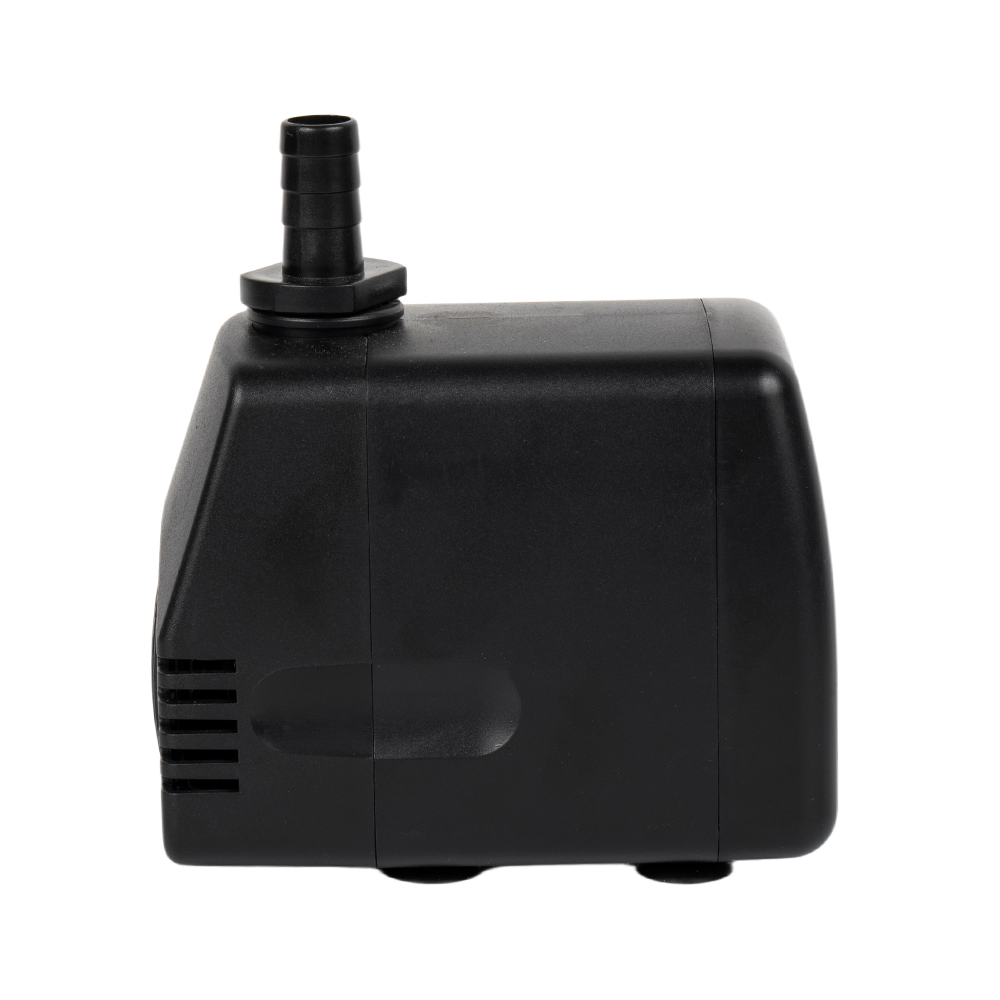
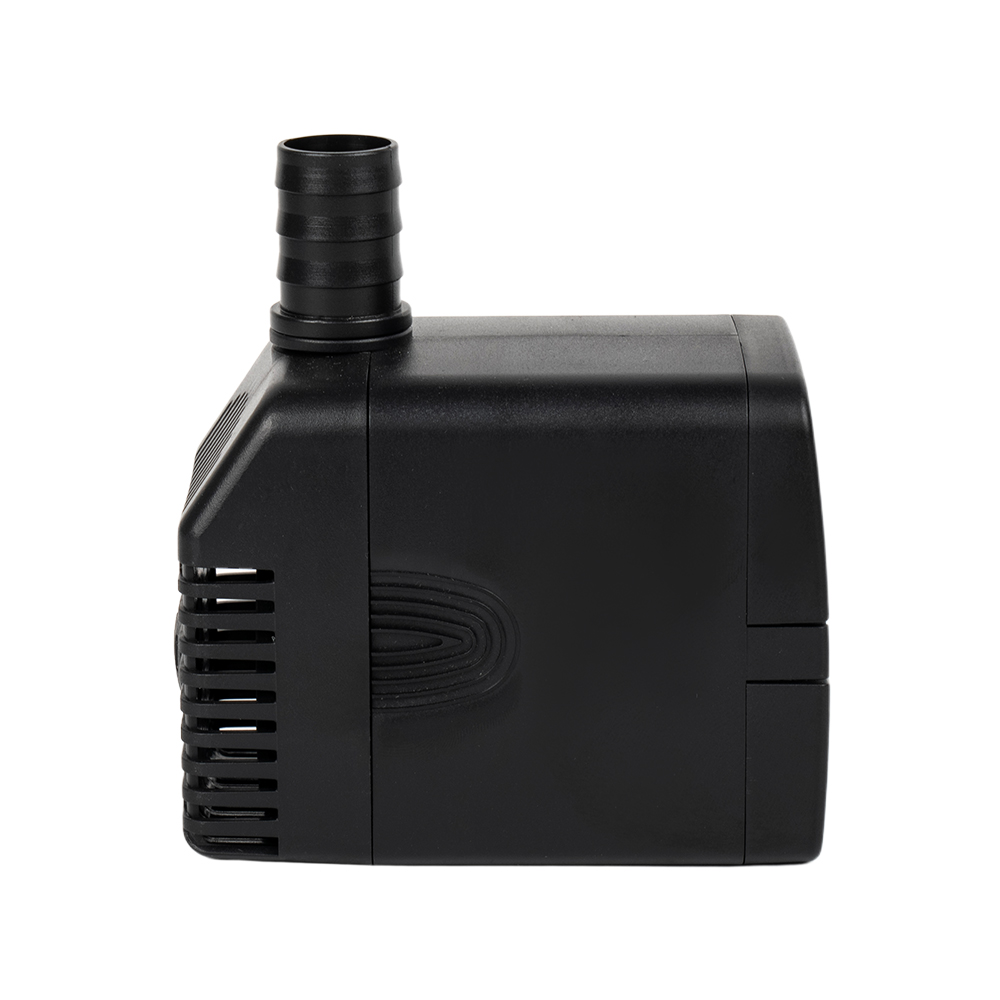
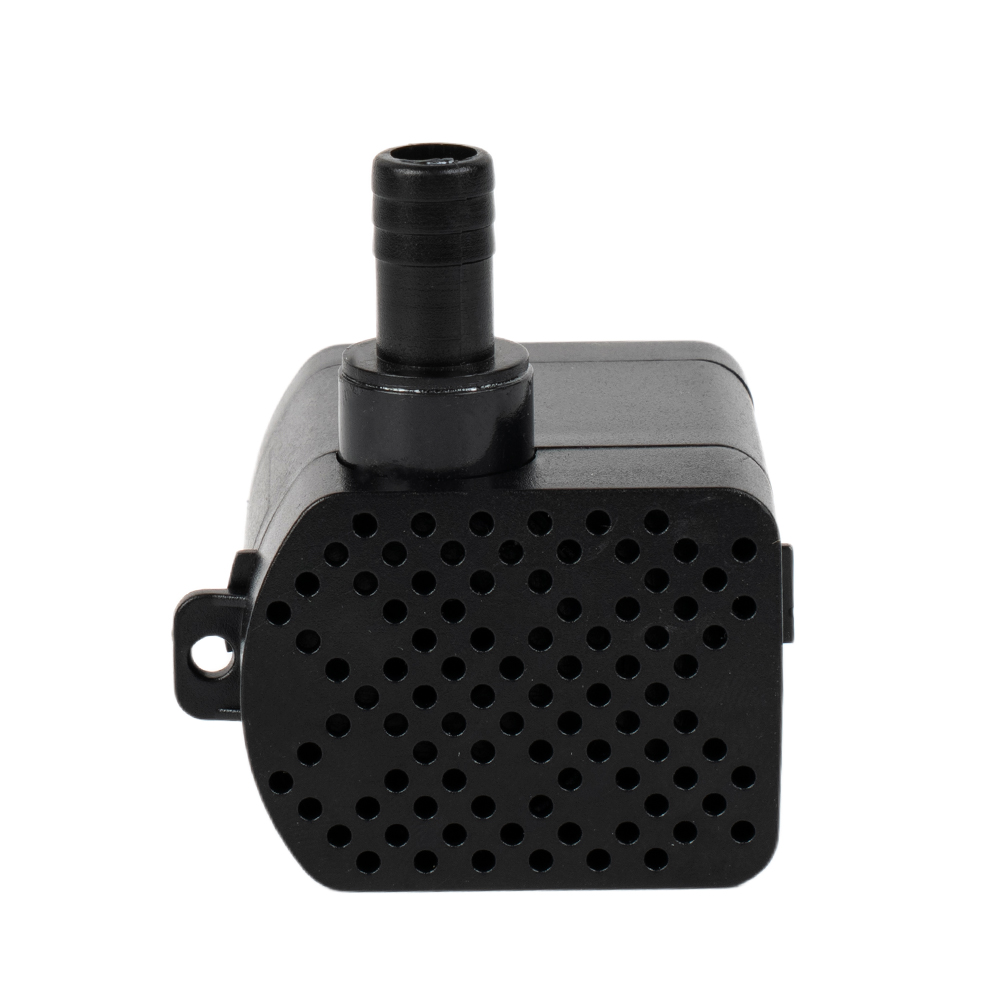
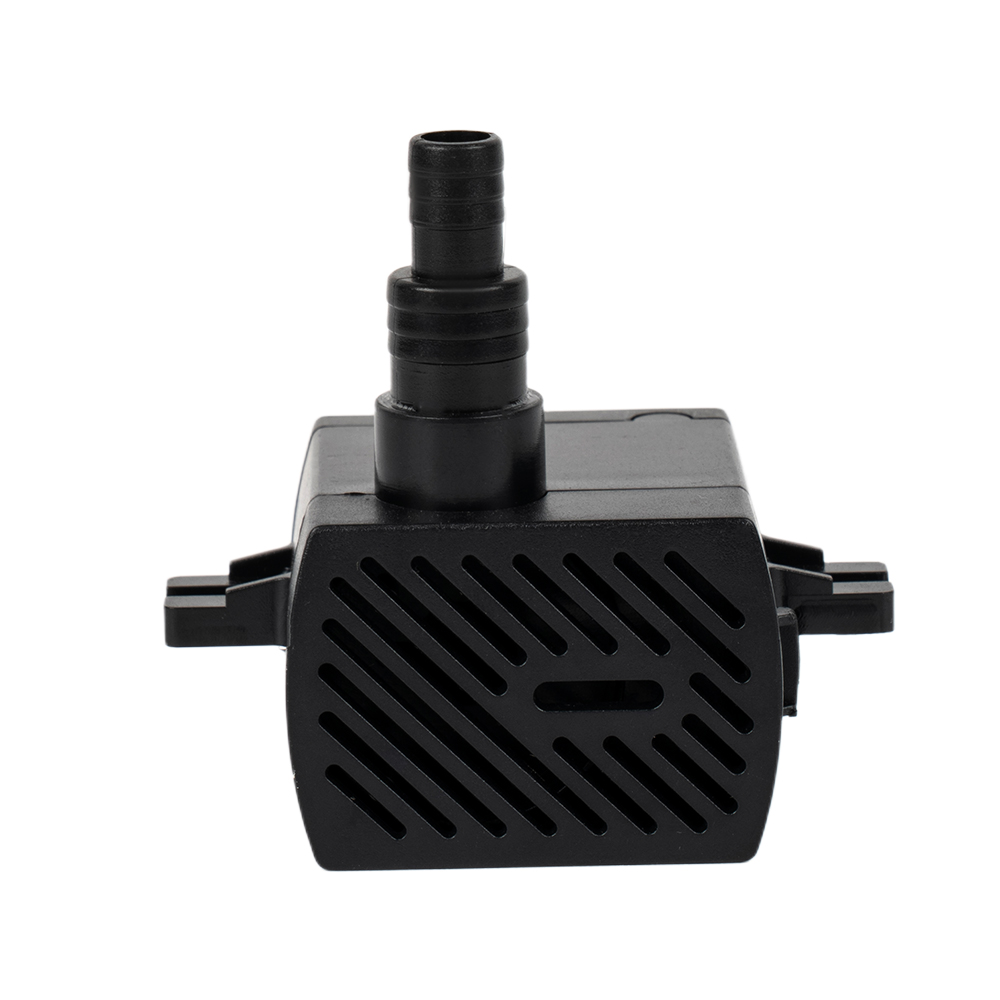
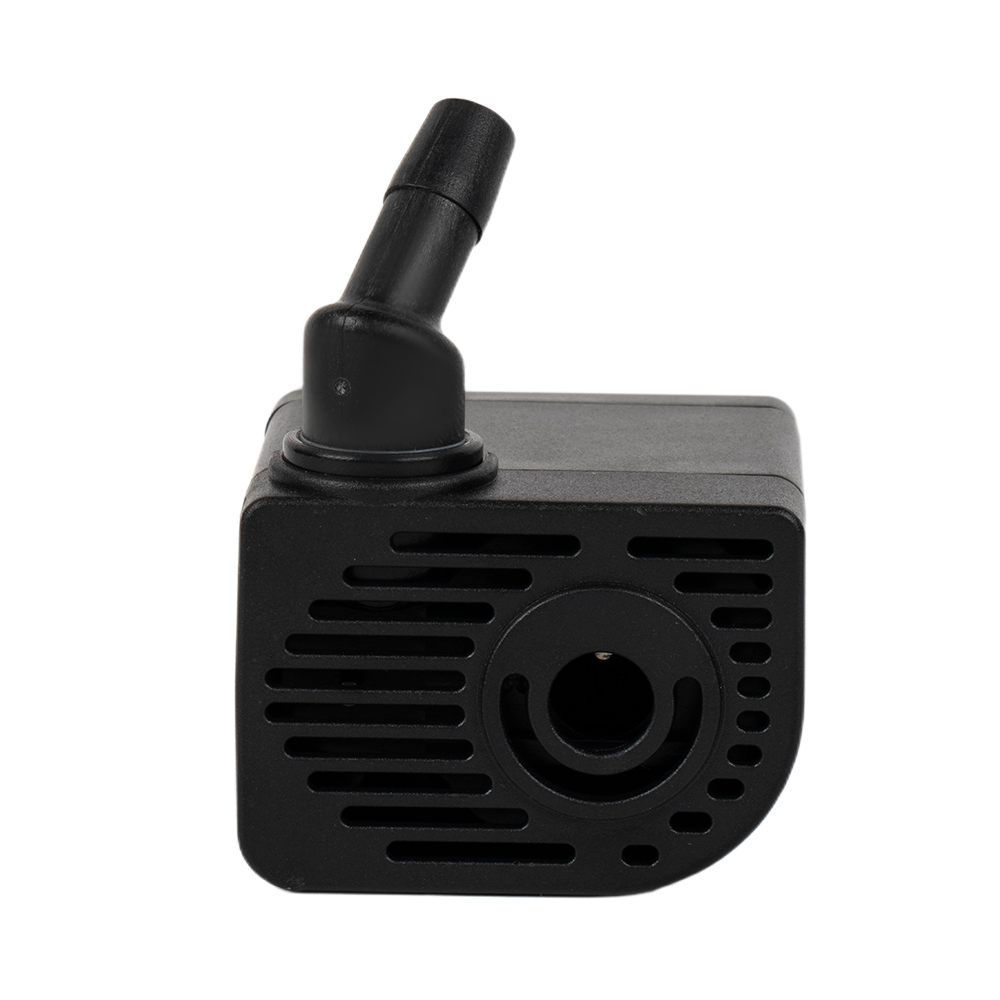
Residential evaporative coolers rely on functional water pumps to maintain consistent cooling and air circulation. These systems use water to absorb heat from passing air, lowering ambient temperature while controlling indoor humidity. Functional water pumps supply water evenly across cooling pads and misting channels, preventing dry areas and ensuring optimal heat exchange. In homes, pumps are designed for compact form factors, quiet operation, and minimal maintenance. Noise and vibration reduction is achieved through precision-balanced impellers, low-friction bearings, and sealed motor housings. Residential pumps often operate in small reservoirs with varying water quality, requiring corrosion-resistant materials and anti-clogging designs. Our micro submersible pumps can fit seamlessly in confined spaces, supporting evaporative units and misting systems without compromising airflow or cooling capacity. Intelligent control integration allows pumps to adjust flow rates based on temperature, humidity, or user input, enhancing energy efficiency and comfort. Additionally, the adaptability of our pumps ensures compatibility with different residential unit designs, from floor-mounted evaporative coolers to window-mounted air circulation units. Smooth operation reduces wear and maintenance frequency, and modular components allow homeowners to replace parts without professional intervention. Water distribution uniformity prevents hotspots and ensures efficient energy use, while the high-quality construction supports long-term reliability. By providing precise, consistent water flow and low-noise operation, functional water pumps enhance comfort, improve indoor air quality, and reduce energy costs for residential users.
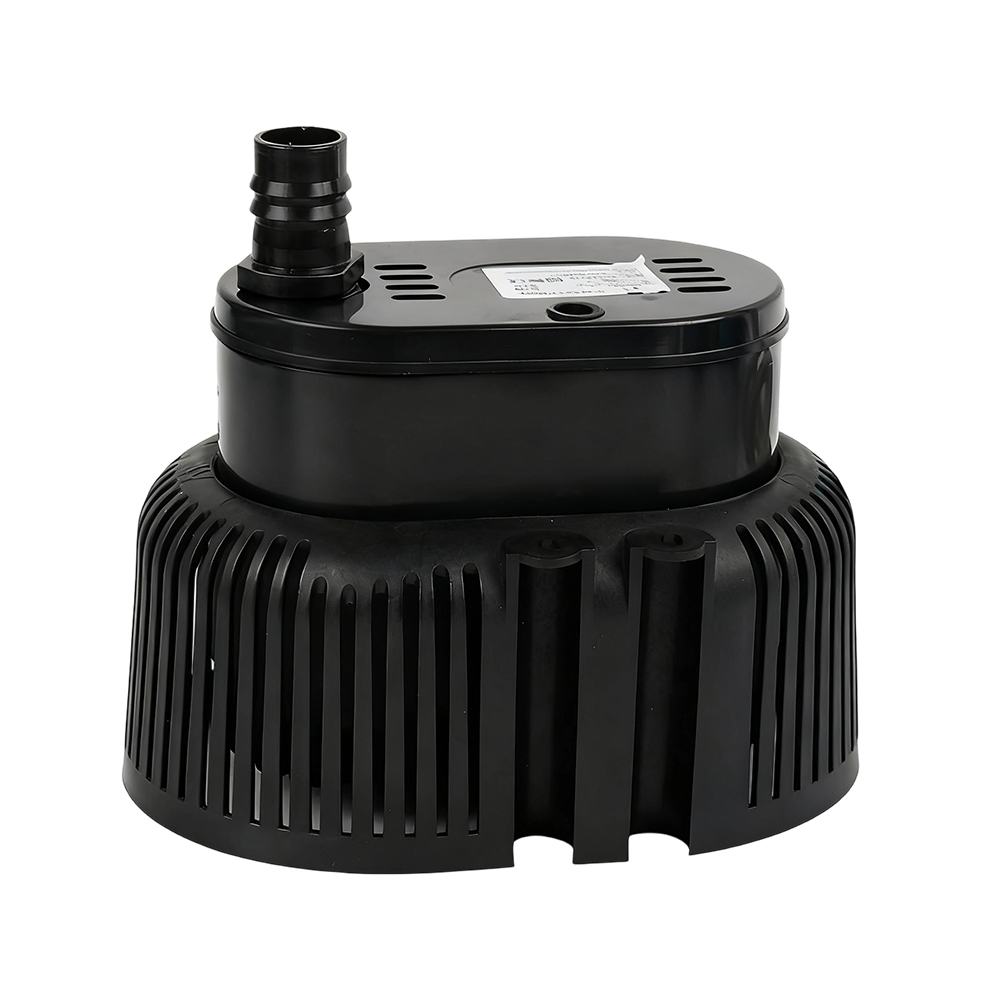
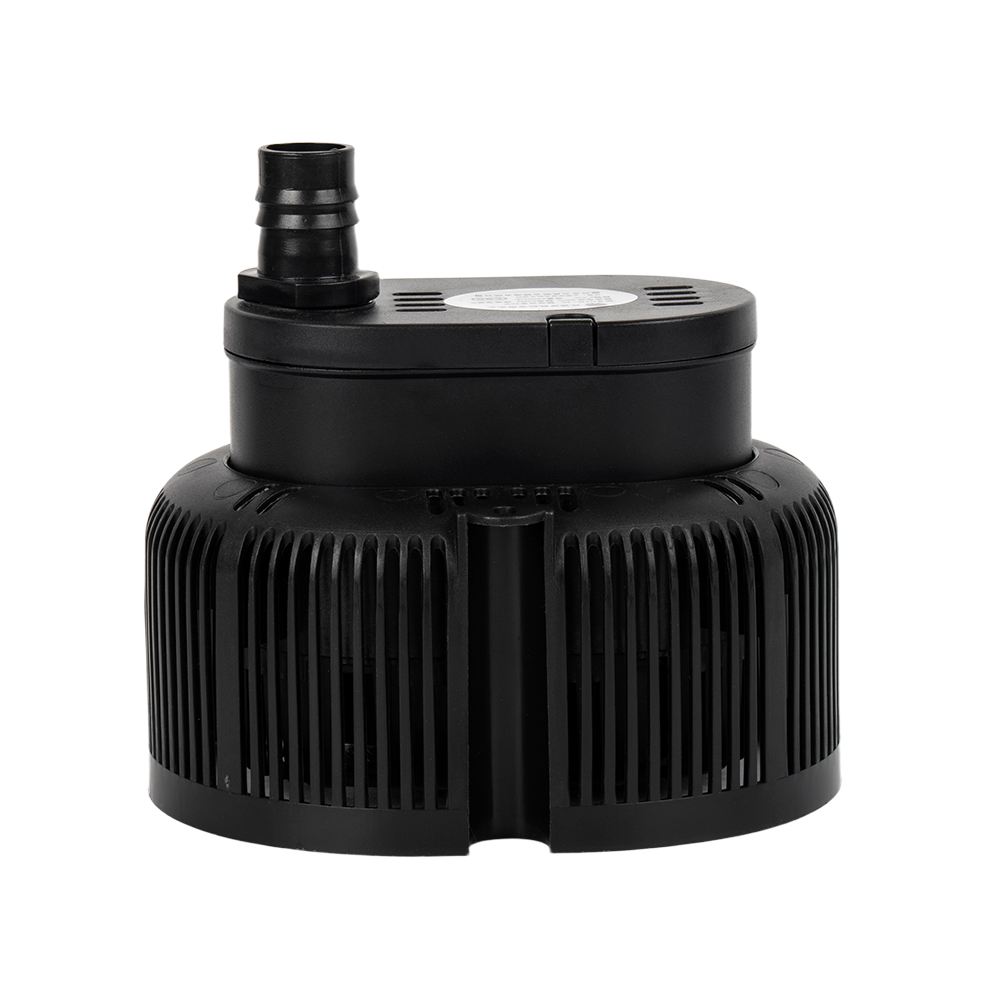
In commercial and industrial environments, evaporative cooling systems must support larger spaces and higher cooling loads. Functional water pumps in these systems maintain high-volume water circulation, distributing water evenly across extensive cooling pads, spray channels, and heat exchangers. Flow stability and pressure consistency are essential to prevent uneven cooling and mechanical strain on other system components. Pumps are engineered for continuous operation, heavy-duty load management, and adaptability to large-scale systems. Materials and mechanical design are optimized for chemical resistance, corrosion prevention, and temperature tolerance, ensuring long-term durability under industrial conditions. Variable-frequency drive systems allow real-time adjustment of pump speed, optimizing energy efficiency and reducing unnecessary wear. Remote monitoring and automated control systems further enhance operational reliability by providing real-time data on flow rates, motor performance, and water levels. Industrial-grade pumps also incorporate redundant safety features, such as thermal cutoffs, dry-run protection, and overload safeguards, protecting both equipment and personnel. The modular design of these pumps enables integration into various configurations, including multi-unit installations, vertical and horizontal layouts, and hybrid air circulation systems. Commercial applications include shopping centers, office buildings, industrial workshops, and factories, where maintaining stable temperature and airflow is critical for comfort, productivity, and safety. By ensuring precise water distribution, consistent flow, and durability, functional water pumps contribute to the efficiency, energy savings, and operational stability of commercial and industrial cooling systems.
Energy efficiency is a major factor in the design and application of functional water pumps. Pumps consume electrical power to move water, and inefficiencies can lead to increased operational costs and reduced system performance. Functional water pumps with DC motors and variable-frequency drives allow precise control of pump speed, flow rate, and pressure. This adaptability reduces unnecessary power consumption when cooling demand is lower and enables responsive adjustments during peak operation. Impeller design, motor efficiency, and low-friction components contribute to energy conservation while sustaining required flow and pressure. Integration with system sensors, such as temperature and humidity sensors, allows pumps to operate only as needed, further reducing energy consumption. High-efficiency pumps reduce thermal stress on system components and minimize heat generation, supporting longer equipment lifespan. Variable-frequency technology also provides smoother start-up and shutdown, reducing mechanical strain and extending bearing life. By combining precise hydraulic engineering, high-efficiency motors, and intelligent control systems, functional water pumps maintain optimal energy use while ensuring consistent cooling performance. These designs are compatible with residential, commercial, and industrial systems, providing scalable energy-efficient solutions for different operational environments.
Maintenance requirements and longevity are key considerations for functional water pumps in evaporative cooling systems. Pumps must resist wear from continuous operation, mineral buildup, and varying water quality. Durable materials, corrosion-resistant coatings, and high-quality bearings increase lifespan and reliability. Pumps are designed for ease of maintenance, with modular components that allow rapid replacement of impellers, seals, and motors without system disassembly. Preventive maintenance routines, such as cleaning, inspection, and lubrication, enhance reliability and reduce operational downtime. Submersible designs incorporate waterproof seals and anti-clog features to prevent damage and maintain continuous performance. For commercial and industrial systems, redundancy and fail-safe features allow uninterrupted operation even if a single pump requires servicing. Longevity is further supported by thermal management, vibration damping, and consistent hydraulic balance, which reduce mechanical stress and prevent early failure. By prioritizing long-term reliability, functional water pumps ensure continuous cooling and air circulation, minimize maintenance costs, and provide consistent system performance across years of operation.
 LANGUAGE
 中文简体
中文简体 [email protected]
 +86-575-83698898 / +86-13605859208 / +86-13615854385




 Custom Flow Cooler Water Pump Manufacturers