 LANGUAGE
 中文简体
中文简体DYH-30 High-Power, High-Flow Air Cooler Drain Pump
Customizable power and frequency, and customizable color box. Available in black and white outlets. Suitable for a wide range of applications includin...
See Details [email protected]
 +86-575-83698898 / +86-13605859208 / +86-13615854385

A standard air cooler water pump relies on gravity-assisted or manual priming — it must be submerged in the water tank before operation to function correctly. In contrast, self-priming pumps used in tower coolers can draw water from a dry or partially dry state, using internal suction to fill the pump chamber without external help. The core difference lies in design: submersible air cooler pumps are built for continuous immersion, while self-priming models use a sealed volute chamber that retains residual water to re-establish suction independently. For everyday residential use, both work well — but the gap becomes significant during startup, seasonal restarts, or low-water conditions.
Priming refers to the process of filling a pump and its intake line with water so it can generate suction and move fluid effectively. Without proper priming, a pump runs dry, which leads to impeller damage, motor burnout, and shortened service life. In the context of an evap cooler pump, priming is especially critical because these units often sit idle for months during winter and are restarted at the beginning of summer — frequently with empty or low-water tanks.
There are two dominant approaches in the market:
Understanding this difference helps users choose the right pump for their cooler type and usage pattern.
The typical air cooler water pump found in desert coolers, window coolers, and portable units is a submersible centrifugal pump. Its priming process is straightforward:
This method is simple and reliable under normal conditions. However, it has a key vulnerability: if the water level drops below the pump inlet, it will run dry and potentially burn out within minutes. Most budget air cooler pumps in the 15W–35W range do not include dry-run protection, making water level monitoring essential.
Priming time for a submerged air cooler pump is virtually zero — as long as the tank has water, it begins circulating immediately upon power-on, typically reaching full flow within 3–5 seconds.
Tower coolers often use externally mounted pumps due to their vertical, narrow design — a configuration that does not easily accommodate a bottom-tank submersible unit. Self-priming pumps solve this by incorporating a reservoir chamber within the pump housing that retains water even after shutdown. When the pump restarts, this residual water creates enough suction to draw more water up from the tank without manual filling.
Key characteristics of self-priming pumps used in tower coolers:
For the evap cooler pump segment, self-priming designs are increasingly favored in premium tower models because they reduce user intervention and improve startup reliability in tall-form-factor units.
| Feature | Standard Air Cooler Pump | Self-Priming Tower Cooler Pump |
|---|---|---|
| Priming Method | Gravity / Submersion | Internal Suction Chamber |
| Startup Time | 3–5 seconds | 15–45 seconds |
| Dry-Run Tolerance | Very Low (damages quickly) | Moderate (short tolerance window) |
| Suction Lift Capacity | Near zero (must be submerged) | 1.5 – 3 meters |
| Typical Power Range | 15W – 35W | 40W – 80W |
| Installation Complexity | Low | Medium to High |
| Best Suited For | Desert / Window / Portable Coolers | Tower / Slim / Vertical Coolers |
One of the most telling real-world tests for any priming mechanism is the seasonal restart — when a cooler has sat unused for 3–6 months and is fired up at the start of summer with a freshly filled tank.
Fill the tank, power on — and the air cooler water pump begins circulating within seconds. There is no priming delay because the submerged pump is already surrounded by water. The main risk here is scale buildup on the impeller from hard water deposits accumulated before the idle period, which can reduce flow by 20–30% if not cleaned.
After a long idle period, the internal priming chamber may have dried out completely. In this case, the user must manually pour water into the pump inlet before starting — effectively performing a manual prime. Without this step, the pump may cavitate noisily and fail to draw water. This is a commonly reported issue among tower cooler users after winter storage. Some higher-end self-priming models include a one-way valve that better retains water during long idle periods, reducing this problem.
The choice between a standard submersible air cooler water pump and a self-priming model should be driven by your cooler's physical design and your usage habits — not brand preference alone.
If you are replacing a failed pump and unsure which type was originally installed, check the mounting position: a pump sitting inside the water reservoir is submersible; one attached to the cooler frame or wall outside the tank is likely self-priming.
Priming design also influences how you maintain your pump over time. Here is what to expect:
The priming mechanism of a standard air cooler water pump is simpler, faster, and more cost-effective — but it demands consistent water levels and a tank-mounted installation. Self-priming pumps used in tower coolers offer greater flexibility and startup independence at the cost of higher complexity, slower initial priming, and a steeper price point. Neither design is universally superior — the right choice depends entirely on your cooler's form factor, installation layout, and how hands-on you are willing to be with maintenance. For most users running standard desert or window coolers, the submersible evap cooler pump remains the most practical and economical option available.
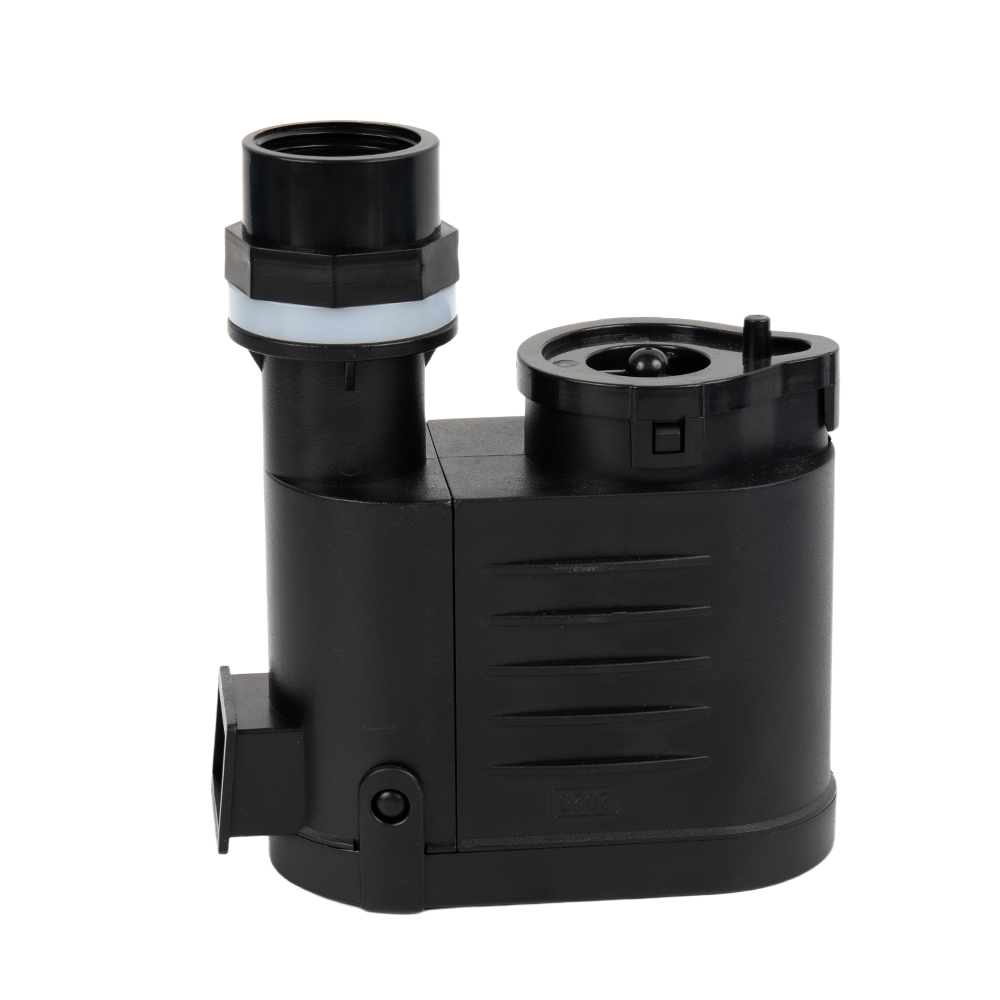
Customizable power and frequency, and customizable color box. Available in black and white outlets. Suitable for a wide range of applications includin...
See Details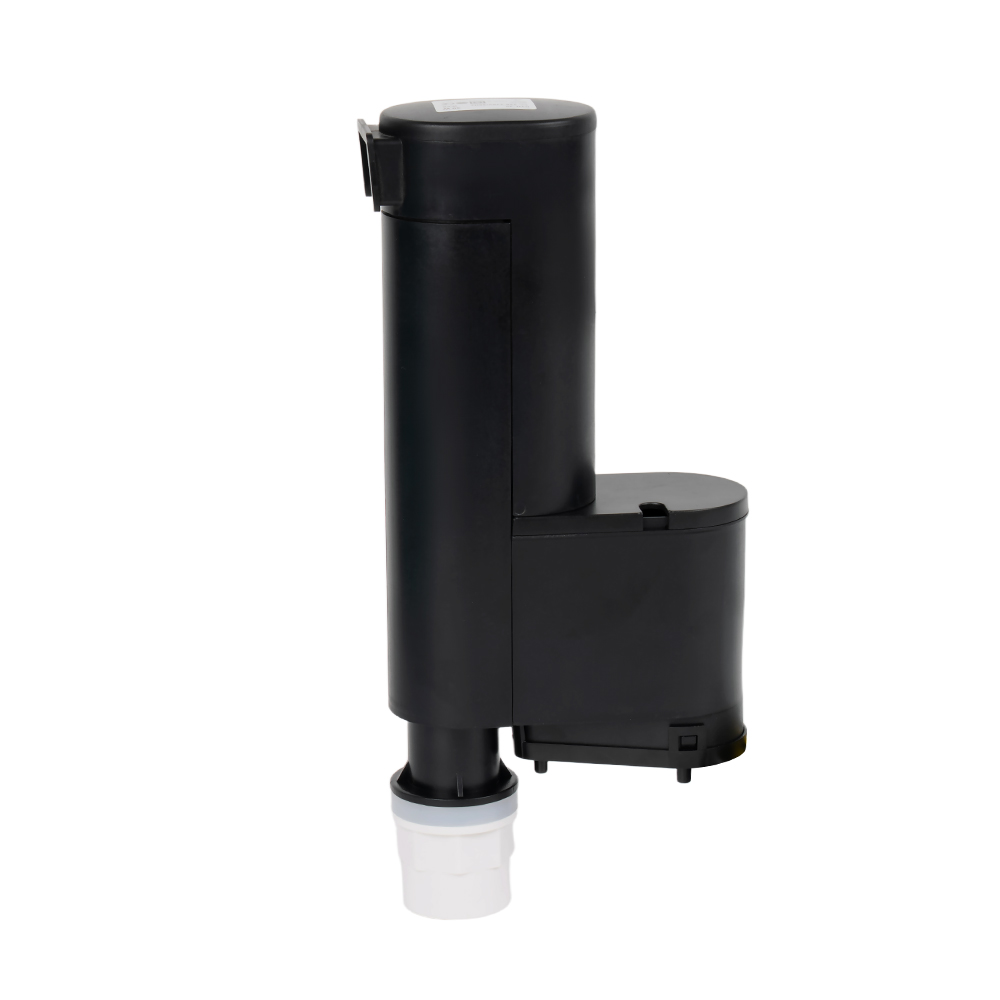
Are you troubled by the condensate drainage problem of your central air conditioning or fan coil units? Traditional drainage solutions often suffer fr...
See Details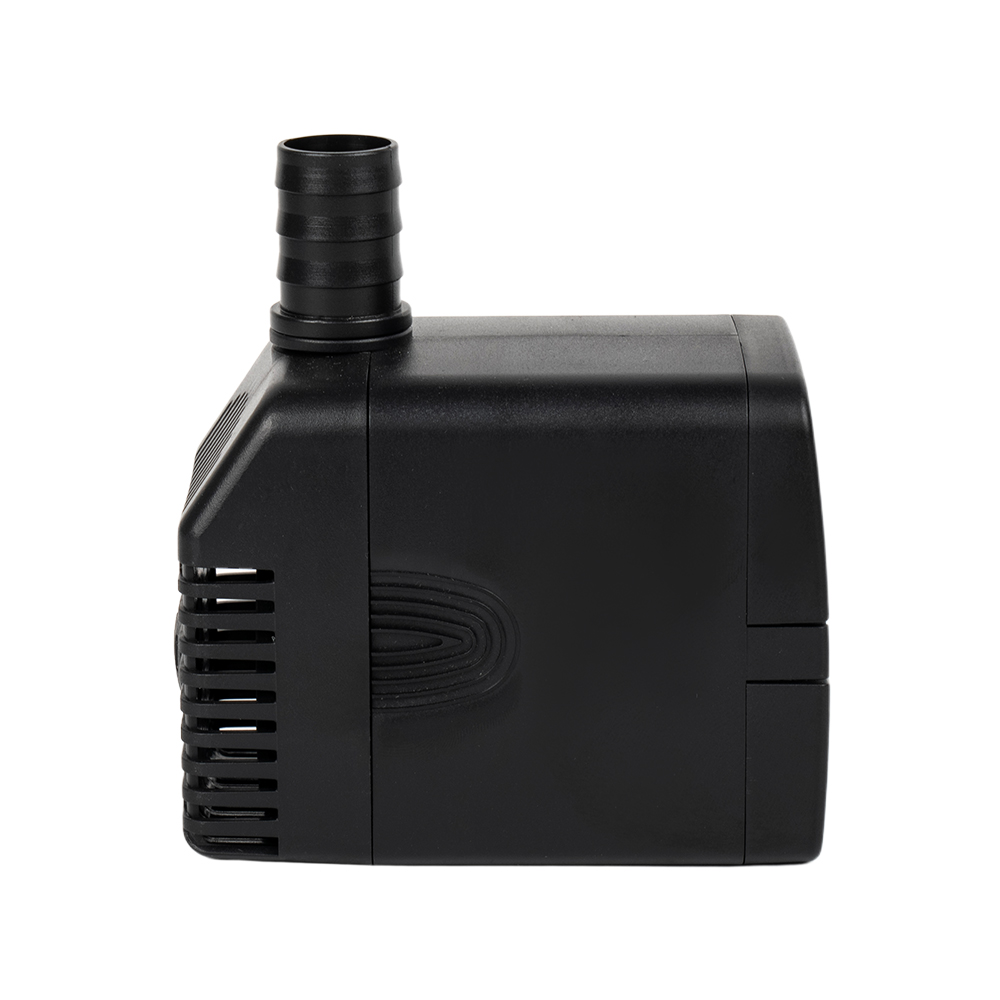
The DYH-40 customizable industrial air-cooled water pump is a high-efficiency pump designed specifically for industrial applications, widely used in a...
See Details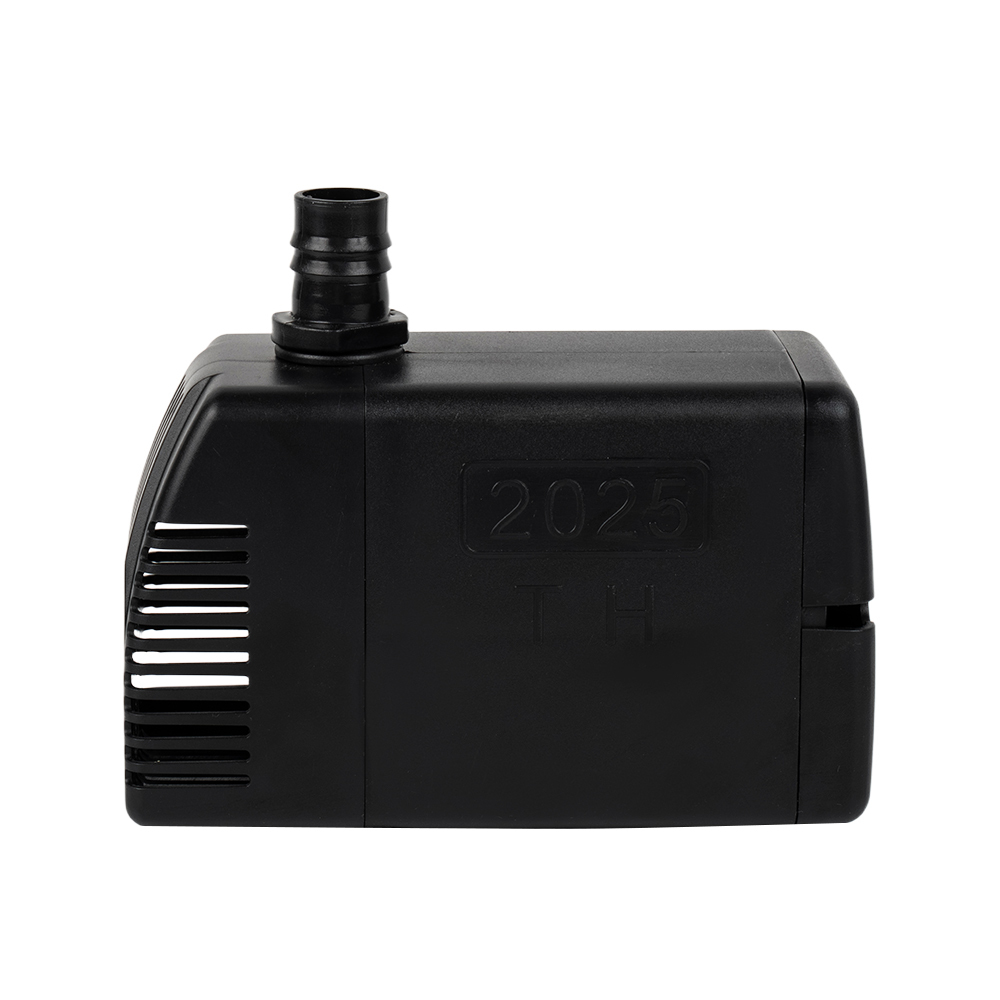
The DYH-80 High-Power 80W Resin Potting and Sealing Industrial Air Cooler Water Pump is a water pump designed specifically for industrial applications...
See Details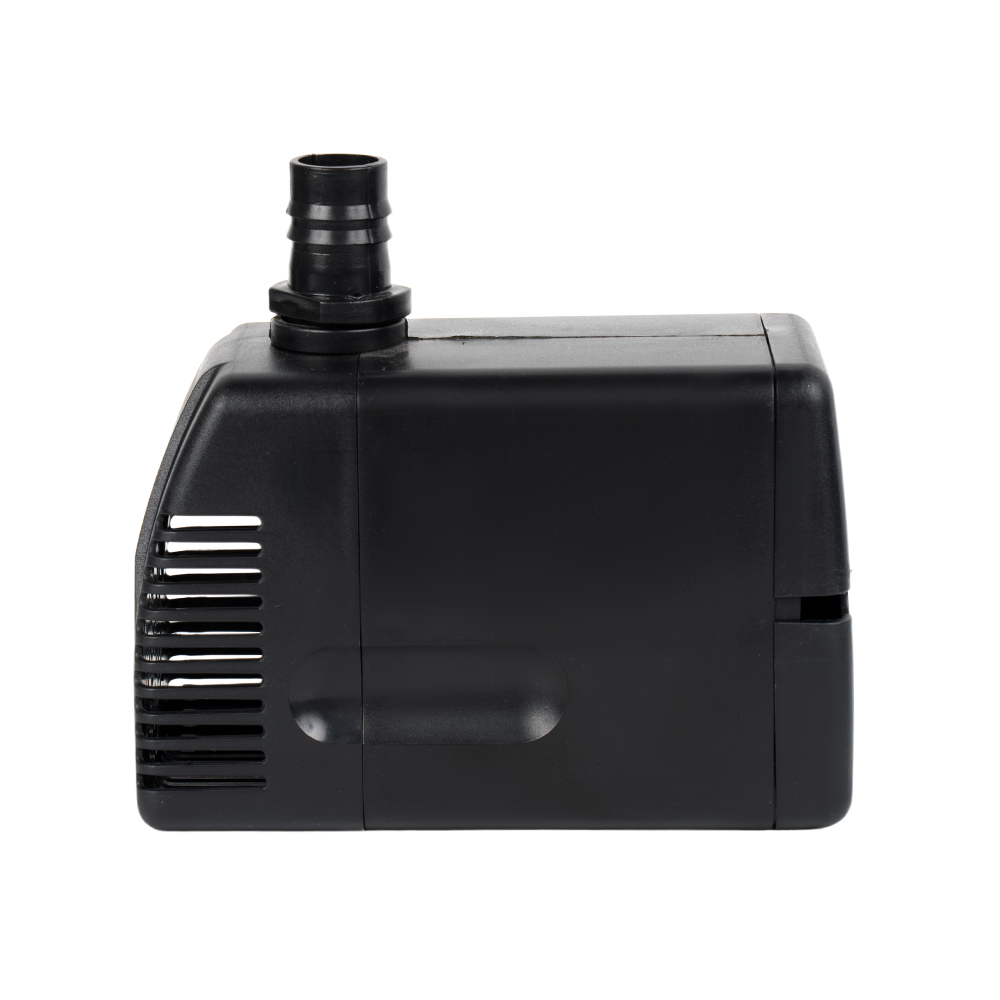
Product Applications: Suitable for industrial environmental air conditioning, mechanical equipment cooling, etc. Different outlet specifications can b...
See Details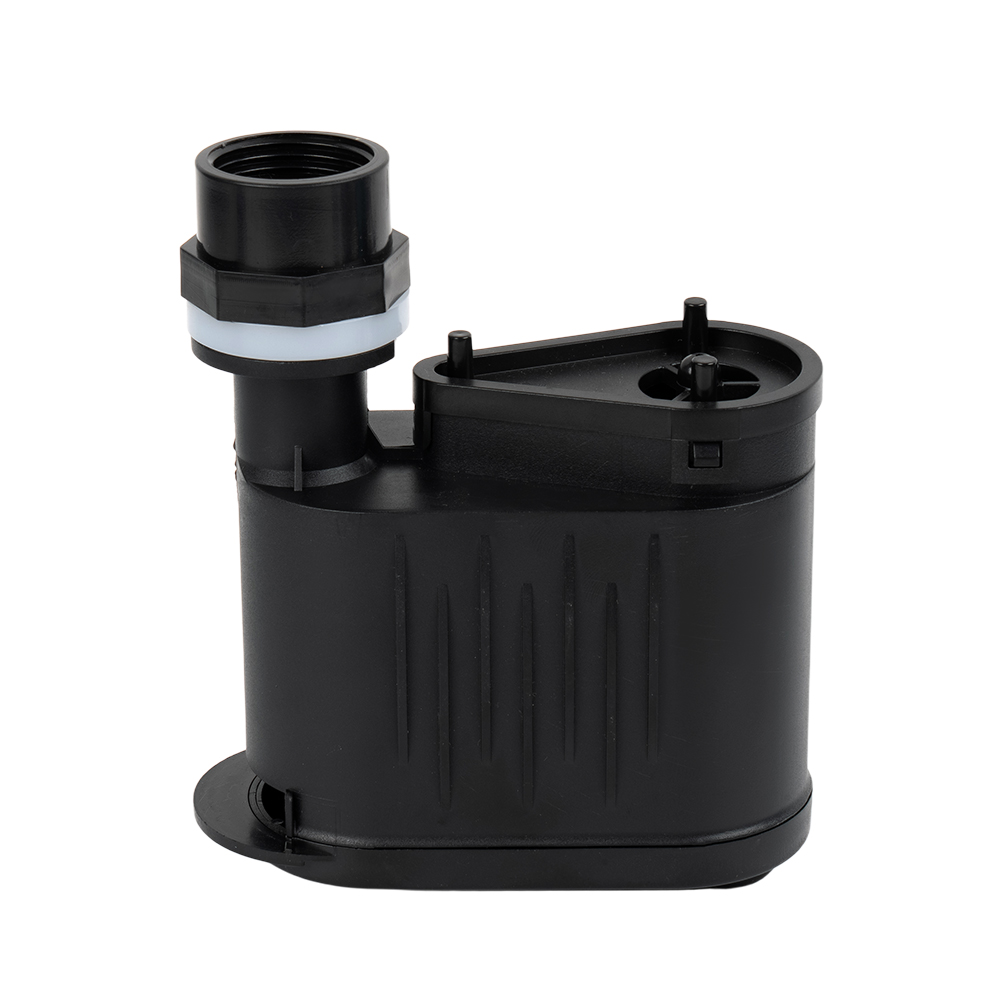
Factory direct supply, OEM/ODM supported, custom branding available. Suitable for a wide range of applications including air conditioning fans and oth...
See DetailsContent
Introduction to Air Cooler Drain Pumps In the realm of sustainable and cost-effective climate contro...
READ MOREWhat is an Air Cooler Pump? Definition of an Air Cooler Pump An air cooler pump is an essential comp...
READ MOREIntroduction to Industrial Evaporative Cooling Pumps An industrial air cooler pump is the driving fo...
READ MORE


+86-13605859208
+86-13615854385
+86-15167555022

Copyright © Shengzhou Tianhao Aluminum Foundry Co., Ltd.
All Rights Reserved.
 Wholesale Evaporative Cooling Water Pump Manufacturers
Contact Us