When it comes to stormwater drainage in confined spaces, a bottom suction submersible pump is generally more suitable than a dry-pit centrifugal pump. Its fully submerged, compact design eliminates the need for a separate dry pump room, makes self-priming unnecessary, and allows it to operate efficiently even in tight, below-grade installations. For engineers and facility managers evaluating pump options for urban drainage, flood control, or basement sump systems, this distinction has significant practical and economic consequences.
Understanding the Two Pump Types
Bottom Suction Submersible Pump
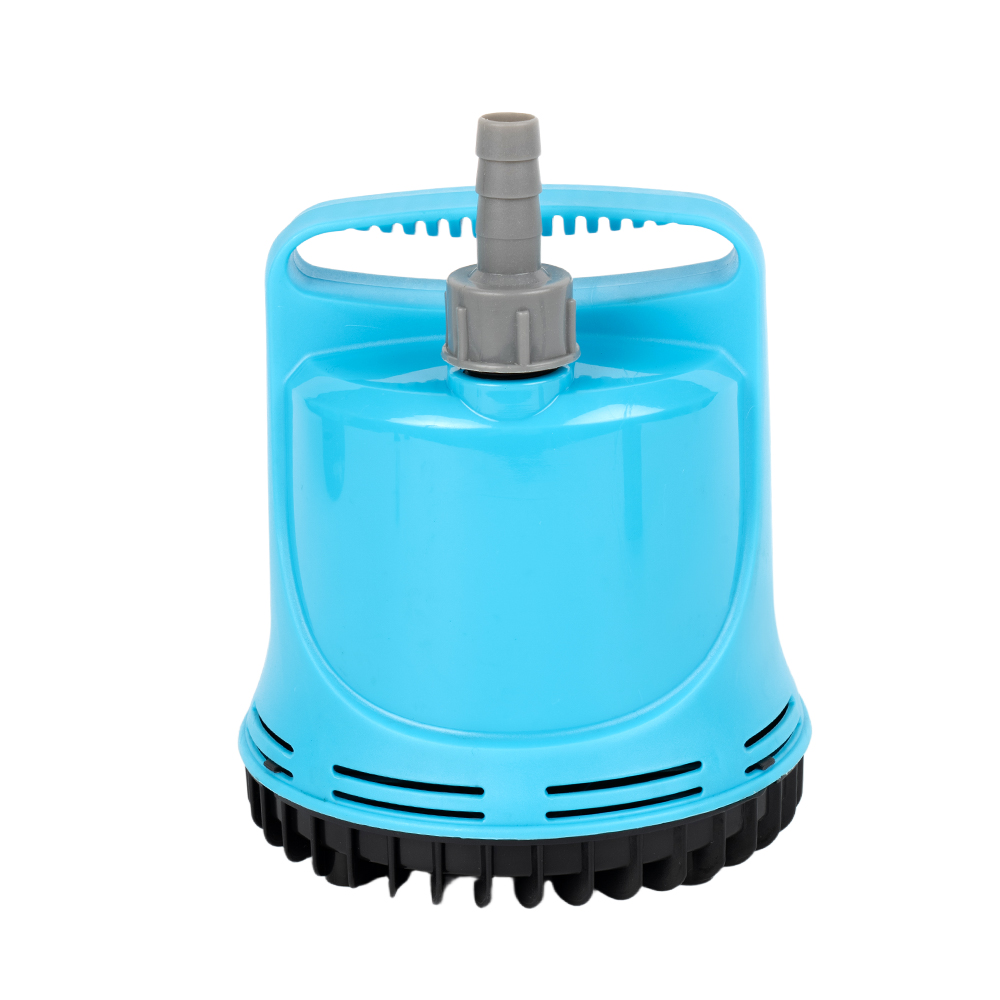
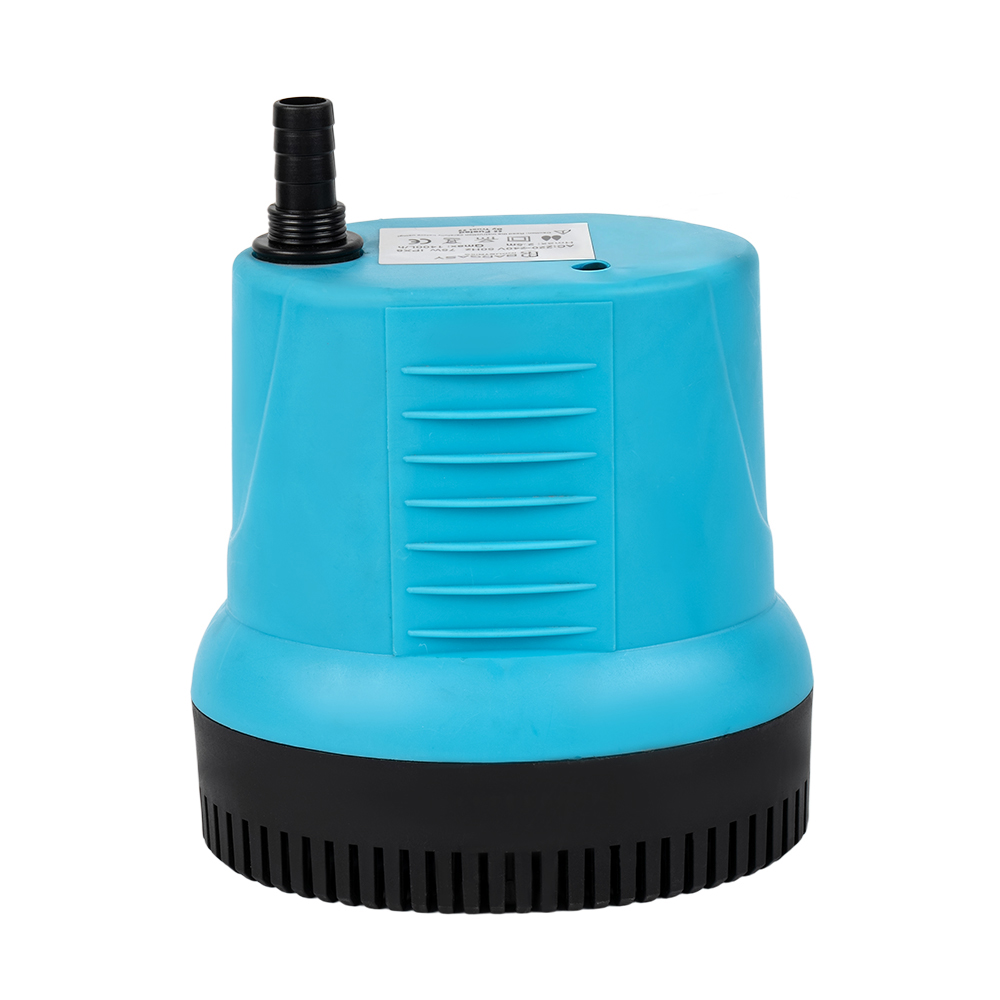
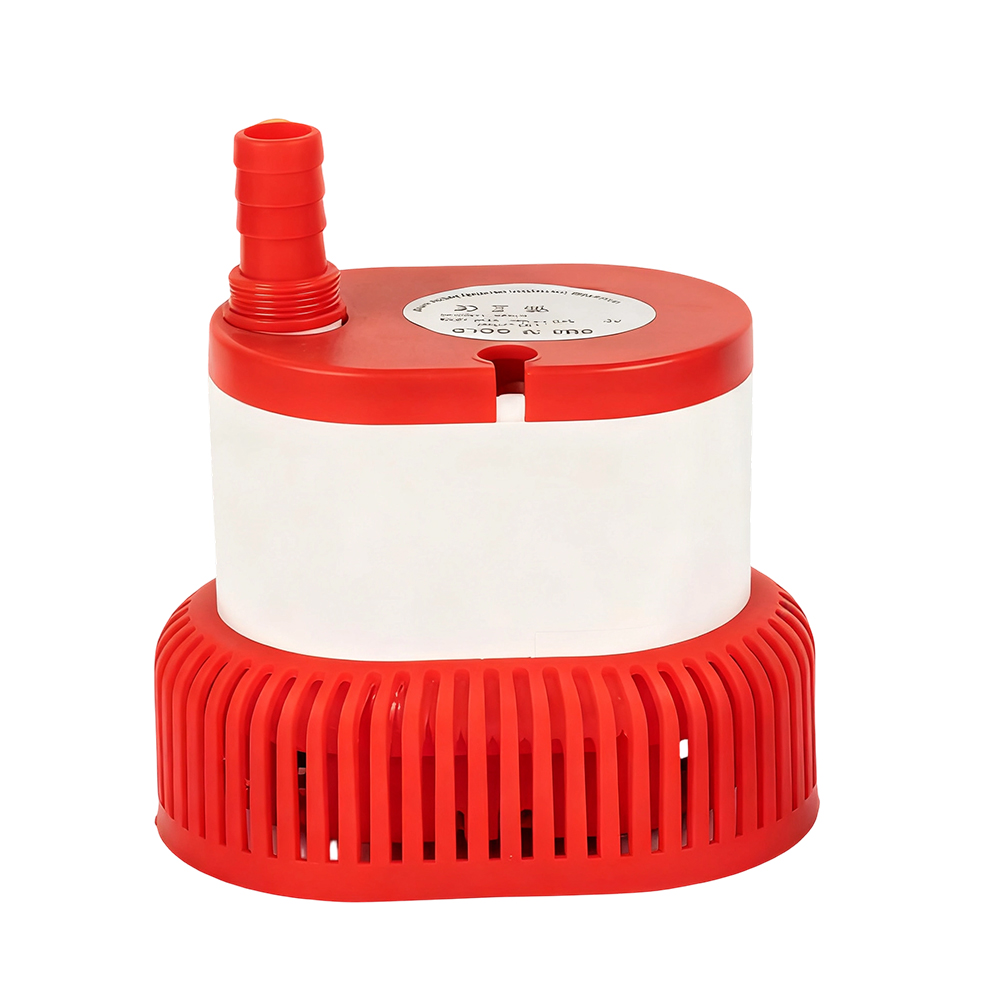
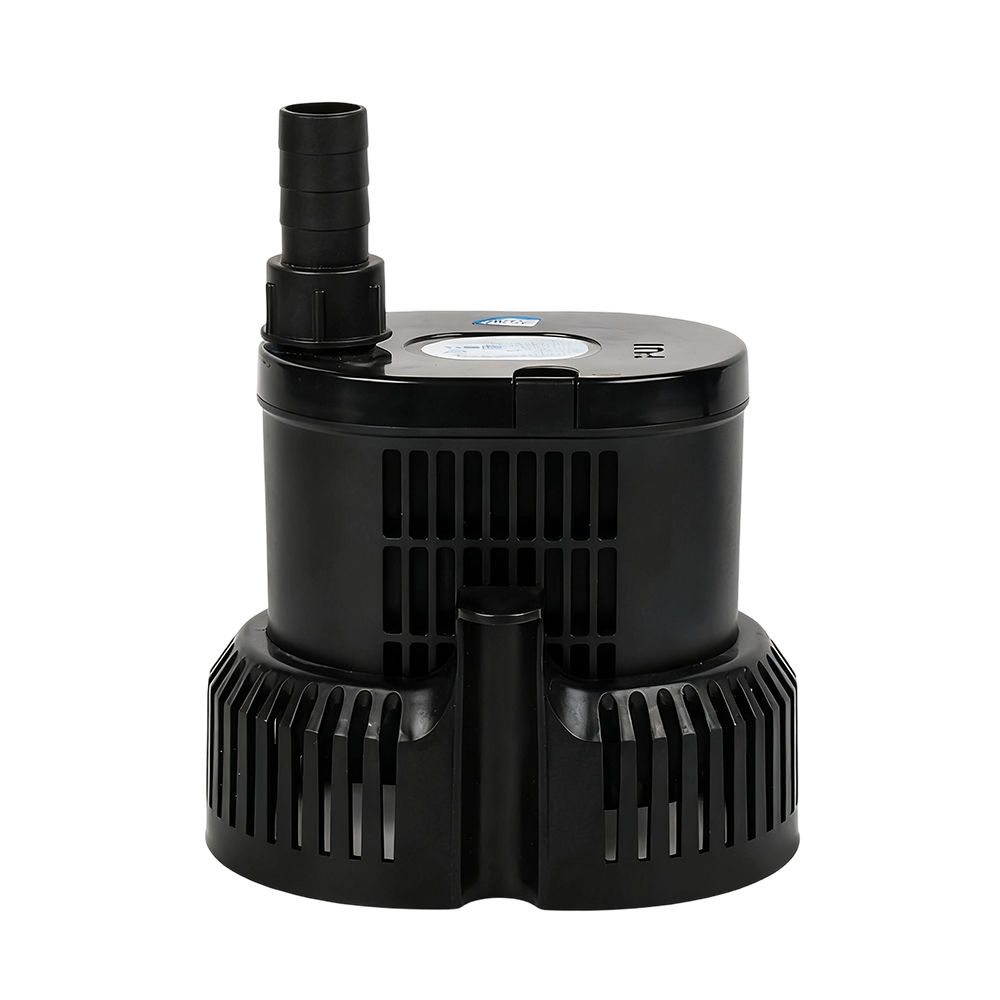
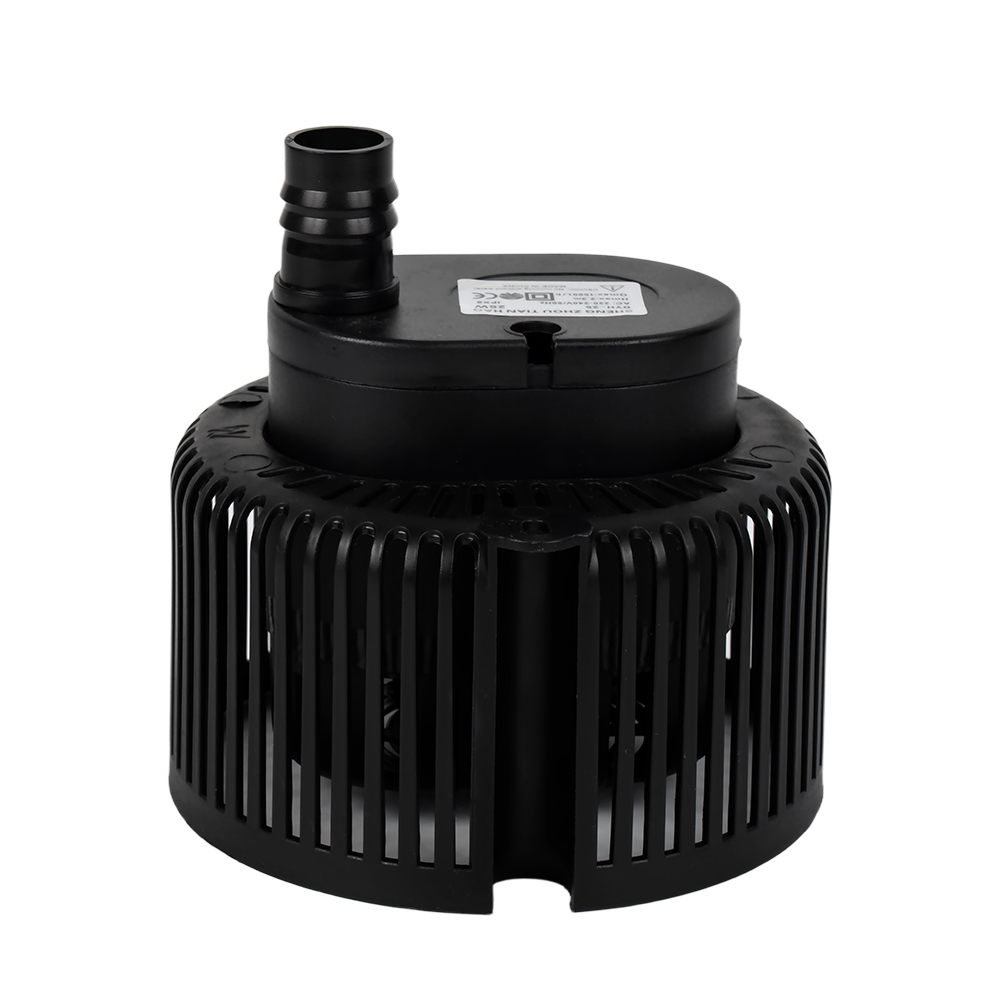
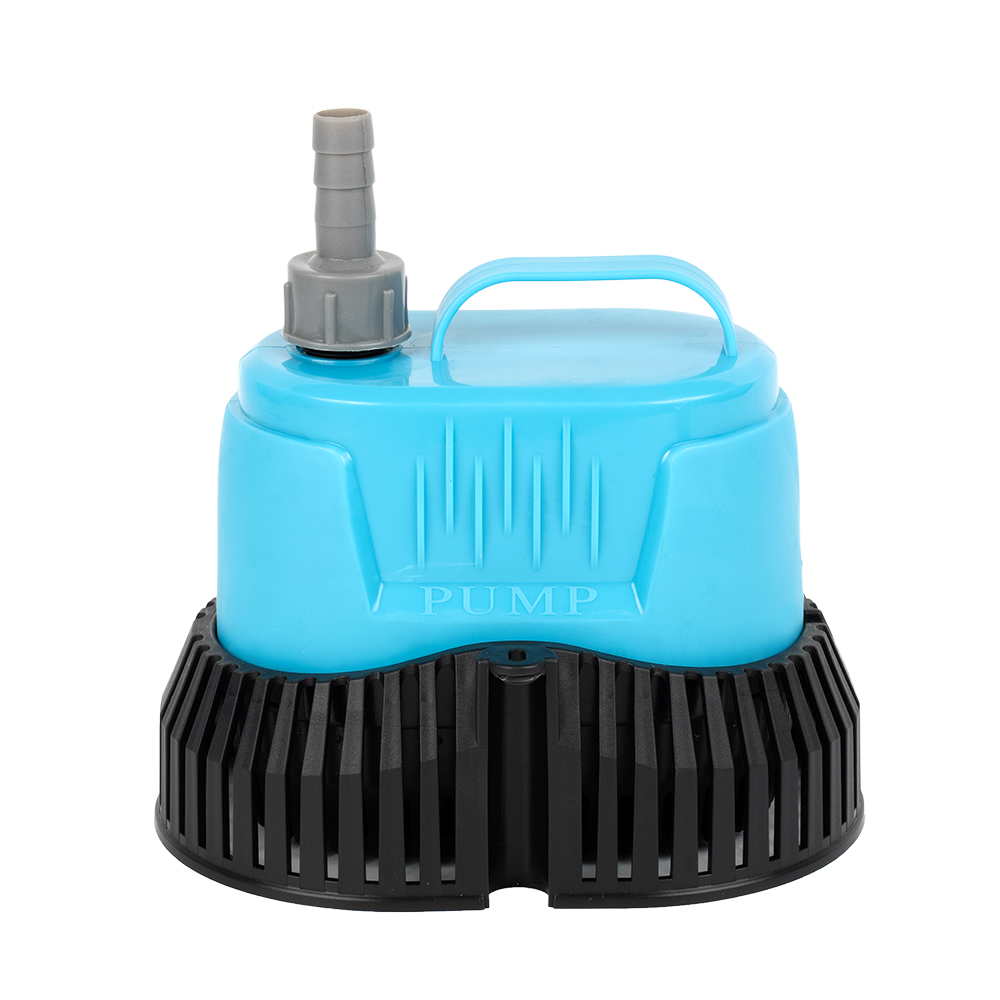
A bottom suction submersible pump draws fluid in through an inlet located at the base of the unit. The entire pump and motor assembly is submerged in the fluid being pumped. This design allows the pump to sit directly on the floor of a sump or wet pit, maximizing the volume of water that can be evacuated before the pump stops. It is widely used in municipal stormwater stations, underground car parks, metro systems, and industrial drainage pits.
Dry-Pit Centrifugal Pump
A dry-pit centrifugal pump is installed in a separate, dry chamber adjacent to the wet well. The motor and pump body remain above or away from the water, with suction piping extending into the wet pit. This configuration requires significantly more civil infrastructure, including a pump room with ventilation, access for maintenance personnel, and often a priming system to initiate flow.
Space Efficiency: A Clear Advantage for the Bottom Suction Submersible Pump
In confined or space-constrained environments, the footprint of pumping equipment is a critical factor. A dry-pit centrifugal pump installation typically requires 30% to 50% more civil construction volume than a submersible installation, because it needs a dedicated dry chamber with minimum ceiling height (usually at least 2.5 meters), walkways, and ventilation ducting.
By contrast, a bottom suction submersible pump requires only a wet pit sized to the pump's footprint and the required storage volume. In urban stormwater projects where underground real estate is extremely expensive — such as beneath city roads or in dense commercial districts — this spatial advantage directly reduces construction cost and complexity.
For example, a twin-pump stormwater station using bottom suction submersible pumps in a 3.0 m diameter wet well has been successfully installed in locations where a dry-pit arrangement would have required a reinforced concrete chamber of 6 m × 4 m × 4 m or larger.
Head-to-Head Comparison: Key Performance and Installation Factors
| Factor |
Bottom Suction Submersible Pump |
Dry-Pit Centrifugal Pump |
| Space Required |
Compact wet pit only |
Wet pit + dry pump room |
| Self-Priming Required |
No |
Often yes |
| Civil Construction Cost |
Lower |
Higher (30–50% more) |
| Flood Risk to Equipment |
Designed to operate submerged |
Risk of damage if dry pit floods |
| Noise Level |
Low (water absorbs sound) |
Higher, requires soundproofing |
| Maintenance Access |
Requires lifting from wet pit |
Walk-in access, easier in place |
| Suitability for Confined Space |
High |
Low |
Table 1: Comparison of Bottom Suction Submersible Pump vs. Dry-Pit Centrifugal Pump for stormwater drainage applications
Operational Reliability During Storm Events
One of the most critical performance criteria in stormwater drainage is reliability during peak inflow events. A bottom suction submersible pump offers a key operational advantage: it starts and runs immediately upon submersion without priming delay. In flash flood scenarios where water levels rise rapidly, this can mean the difference between effective drainage and equipment failure.
Dry-pit centrifugal pumps, if they rely on suction lift, can lose prime during surging inflow conditions or when air is entrained in the suction line. Additionally, if a dry-pit pump room becomes flooded due to a failure in sealing or waterproofing — which is not uncommon in severe storm events — the motor and electrical components are at serious risk of damage or destruction.
The bottom suction submersible pump, by design, is built to IP68 standards (fully submersible, typically rated for continuous immersion beyond 1 meter). Its motor is sealed and cooled by the surrounding fluid or by a built-in water jacket, making it inherently more resilient in flooding scenarios.
Where Dry-Pit Centrifugal Pumps Still Hold an Edge
It would be inaccurate to say the bottom suction submersible pump is superior in every scenario. Dry-pit centrifugal pumps retain certain advantages that make them preferable in specific conditions:
- Large-scale municipal stations: Where flow rates exceed 5,000 m³/h and the station justifies a full pump hall, dry-pit vertical turbine or split-case pumps offer easier in-situ maintenance and longer service intervals.
- High-temperature fluid handling: In applications such as cooling tower circulation or systems incorporating an air cooler water pump, where elevated fluid temperatures may exceed the thermal limits of a submerged motor, a dry-pit arrangement protects the motor more effectively.
- Abrasive slurry duty: When stormwater carries high concentrations of sand or grit, dry-pit pumps with external mechanical seals can sometimes be maintained more cost-effectively over time.
- Where in-place overhaul is required: Technicians can access and overhaul a dry-pit pump without lifting equipment, which is an advantage in remote or poorly accessible installations.
Cooling Considerations and the Role of Water-Based Cooling
Motor cooling is an important design consideration when selecting between these pump types. The bottom suction submersible pump uses the surrounding stormwater for motor cooling, which is highly effective as long as the pump remains submerged. However, in applications where the pump may operate at low water levels for extended periods — such as in combined stormwater and process water systems — thermal protection sensors must be installed.
In broader industrial fluid systems, the principle of water-based cooling is well-established. The water pump of air cooler units, for example, relies on a dedicated circulating pump to deliver cooling water through heat exchanger coils. Similarly, in HVAC applications, an air cooler water pump must deliver consistent flow at specified pressure to maintain heat rejection capacity. These parallels highlight how water-cooled motor technologies — whether in submersible drainage pumps or process cooling circuits — share common engineering principles around thermal management and flow reliability.
Installation Best Practices for Bottom Suction Submersible Pumps in Confined Spaces
To achieve reliable long-term performance from a bottom suction submersible pump in a confined stormwater application, the following installation guidelines should be observed:
- Ensure the wet pit floor is flat and free of large debris to allow full contact with the pump base plate and prevent suction starvation.
- Specify a minimum submergence depth (typically 0.5 m above the suction inlet) to prevent vortex formation and air entrainment during peak inflow.
- Install a guide rail system to allow the pump to be raised and lowered without personnel entering the confined wet pit, in compliance with confined space safety regulations.
- Integrate motor temperature and moisture sensors connected to the SCADA system for remote monitoring of thermal overload or seal failure.
- Specify impeller material based on expected solids content: cast iron for clean water, hardened stainless steel or chrome alloy for gritty stormwater runoff.
- Provide a lifting davit or monorail hoist rated to at least 1.5× the pump's wet weight for safe extraction during maintenance.
For the majority of stormwater drainage projects in confined or space-limited environments, the bottom suction submersible pump is the more practical, cost-effective, and operationally resilient choice. It eliminates the need for a dry pump room, reduces civil construction costs by 30–50%, operates without priming, and withstands full immersion during severe storm events.
The dry-pit centrifugal pump remains relevant in large-volume stations, high-temperature process fluid systems, and installations where walk-in maintenance access is a priority. But for urban drainage pits, underground carparks, metro sumps, and compact flood control installations, the bottom suction submersible pump consistently delivers a better balance of performance, safety, and space efficiency.
Selecting the right pump ultimately depends on accurately defining site constraints, required flow and head, fluid characteristics, and long-term maintenance strategy — but for confined-space stormwater duty, the bottom suction submersible pump starts with a decisive structural advantage.


 LANGUAGE
 中文简体
中文简体



Contact Us