

 LANGUAGE
 中文简体
中文简体
Home Systems · Field Notes
The Quiet Engineering of Water in Motion
How a standard water pump and a submersible sump pump solve two very different problems — one by staying dry, the other by disappearing entirely beneath the surface.
A standard water pump moves water by drawing it through an inlet, using centrifugal force or mechanical displacement from a position above or outside the water source. A submersible sump pump does the opposite — it operates fully submerged, sealed against the very water it's designed to remove, pushing it upward and out through a discharge pipe.
The distinction is not cosmetic. It is the difference between suction from a distance and displacement from within — and it shapes everything from motor construction to noise, energy draw, and the environments each machine can survive in.
How a Standard Pump Moves Water
At the center of a conventional water pump sits a spinning impeller, housed inside a volute casing. As it rotates, it flings water outward through centrifugal force, creating a pressure drop at its core that continuously draws new water in through the suction inlet.
Most above-ground pumps were never meant to be submerged — their housings lack the sealed bearings that survive constant contact with standing water.
- Motor — converts electrical energy into rotational force
- Impeller — spins to create the pressure differential
- Volute casing — directs flow toward the discharge outlet
- Suction & discharge ports — govern the direction of travel
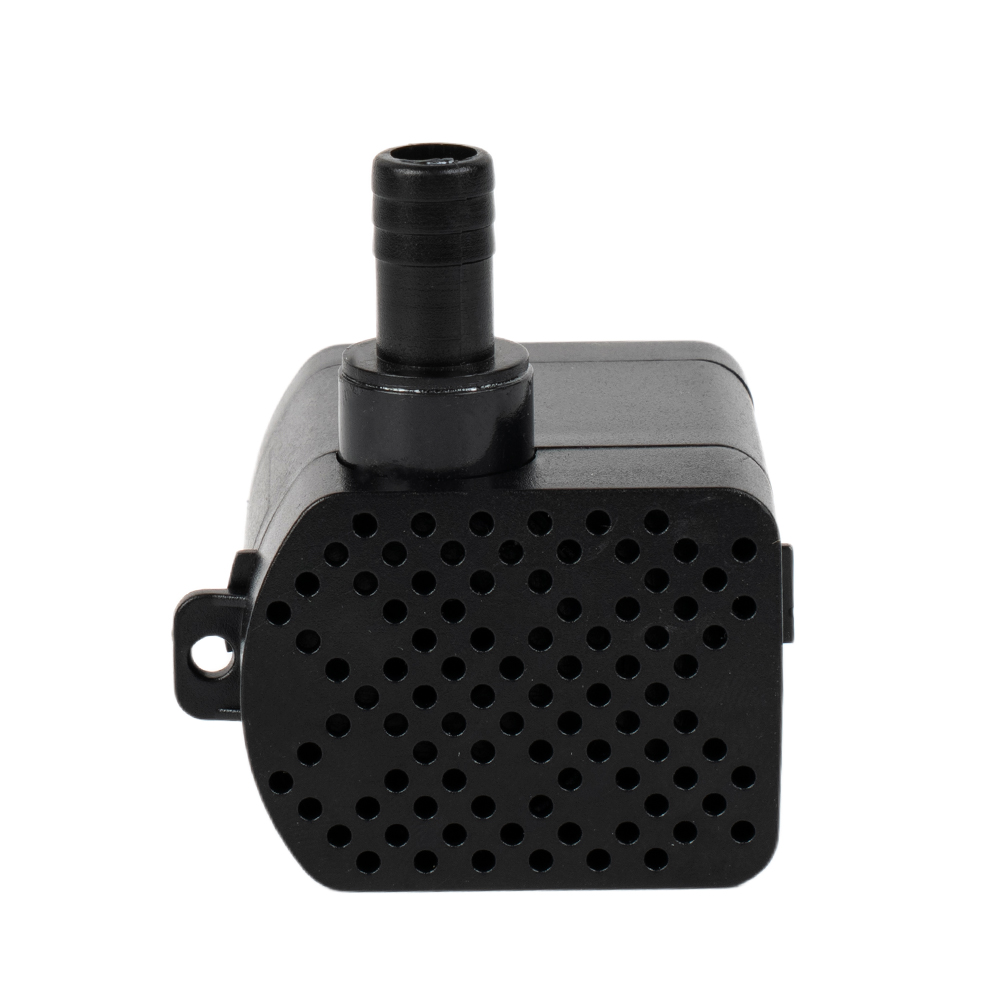
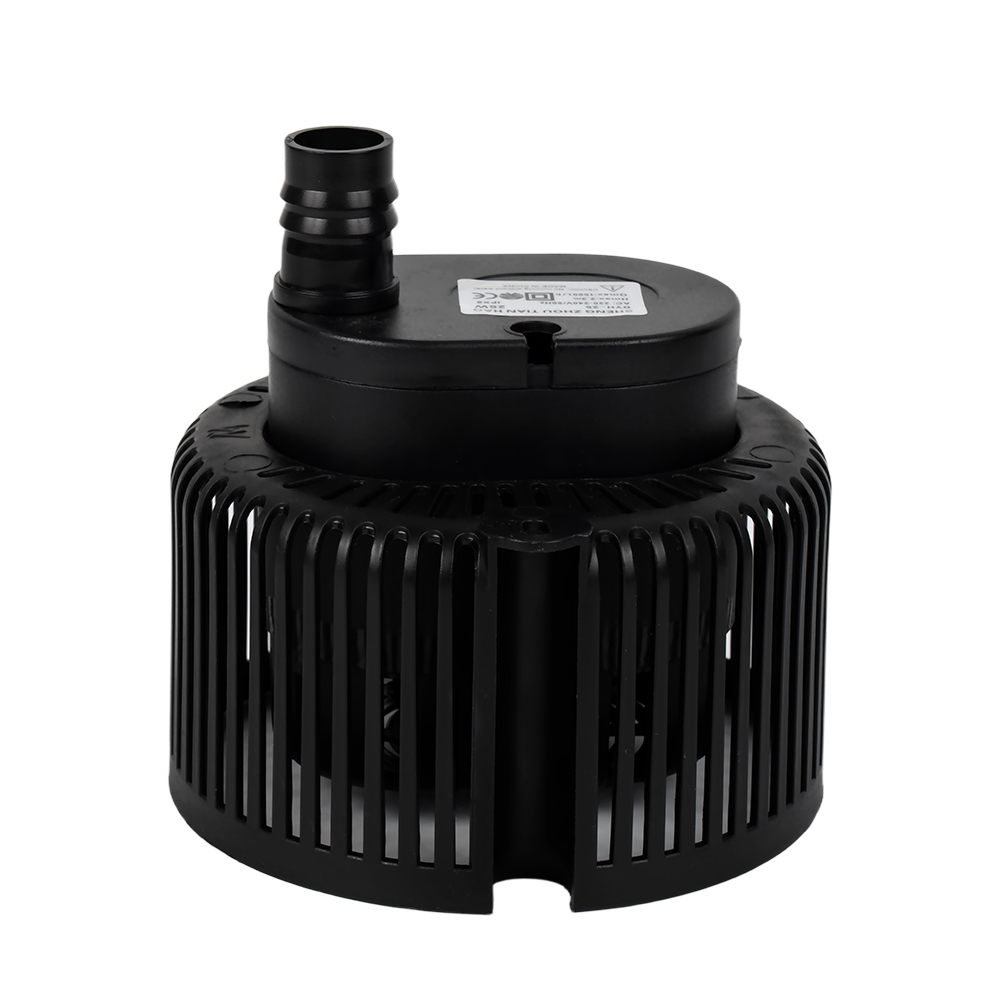
This is precisely the logic behind a cooler water pump — the small unit circulating water through an evaporative cooling pad. It sits inside a shallow reservoir, but its motor and housing remain shielded from full submersion.
water pump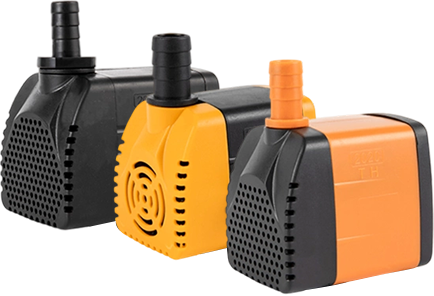
Life Underwater: The Submersible Sump Pump
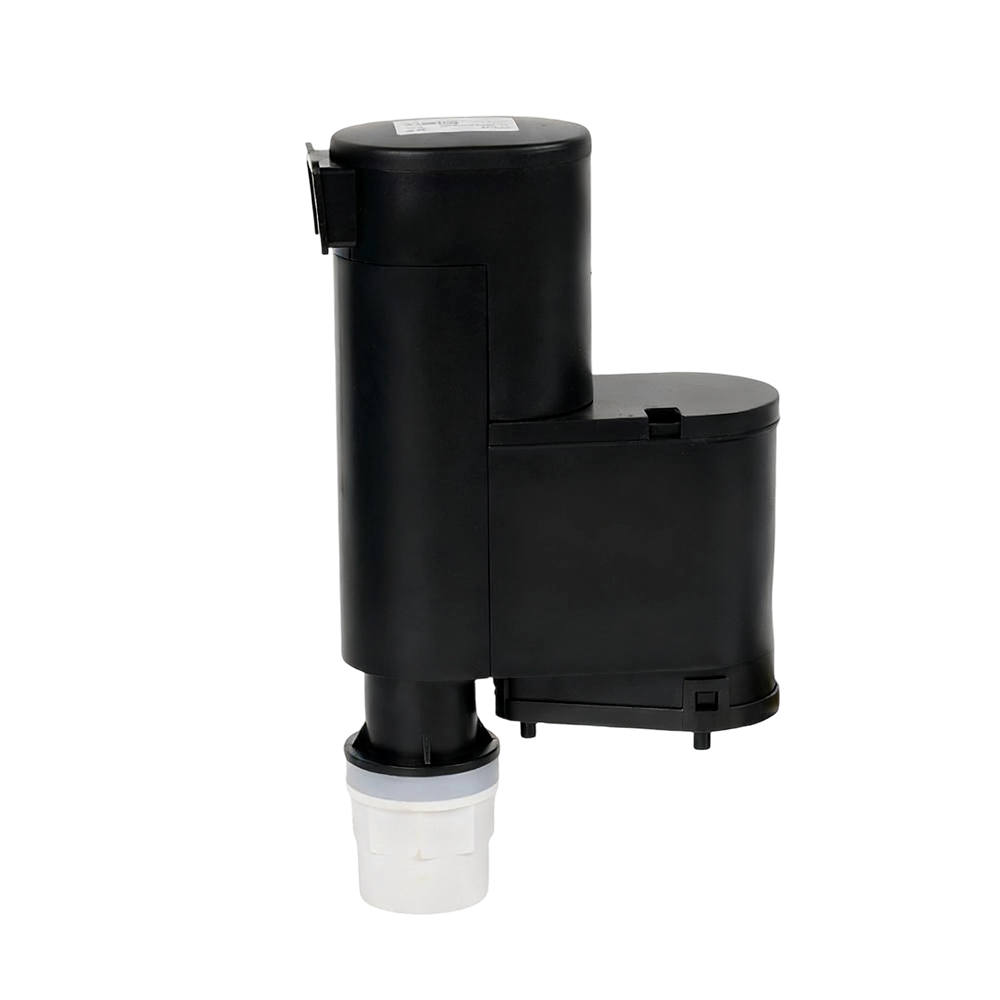
A submersible sump pump is built to live where the standard pump cannot — at the bottom of a sump pit, fully surrounded by the water it removes. Its motor sits inside a waterproof, airtight housing, often filled with oil, which keeps moisture away from the electrical windings entirely.
Counterintuitively, this submersion is an advantage: the surrounding water cools the motor continuously, allowing it to run at high output for long stretches without overheating.
Info
A float switch triggers activation automatically as water rises, then shuts the motor off once the pit drains — no manual intervention required.
Two Machines, Side by Side
| Feature | Standard Water Pump | Submersible Sump Pump |
|---|---|---|
| Installation | Above water, dry mounted | Fully submerged in pit |
| Cooling method | Ambient air exposure | Cooled by surrounding water |
| Noise | Moderate, audible hum | Muffled, notably quieter |
| Activation | Manual switch or thermostat | Automatic float switch |
| Typical role | Circulation, irrigation, cooling | Flood prevention |
Flow, Power, and Why the Gap Exists
A small circulation pump inside a household cooling appliance might move only 400 to 800 gallons per hour at low wattage. A submersible sump pump built for flood response commonly moves 2,000 to 4,000 gallons per hour — because standing water in a basement can cause structural damage within hours, not days.
This is also why a swamp cooler water pump is intentionally modest — its role is to keep a cooling pad evenly wet over long, quiet stretches of time, not to move volume quickly.
Warning
Using a lightweight circulation pump in place of a sump pump during active flooding can lead to motor burnout — it simply isn't built to sustain that throughput.
Built to Last: Sealing and Service Life
A submersible sump pump depends on double-sealed shaft assemblies, corrosion-resistant housings, and — in higher-end units — moisture sensors that guard the motor compartment. A standard pump, cooler water pump included, generally only needs splash resistance around the impeller chamber, since its motor stays above the waterline.
Success
A well-maintained submersible sump pump typically lasts 7 to 10 years. A seasonal circulation pump, cared for properly, can reach 3 to 5 years even with regular mineral exposure.
Matching the Pump to the Problem
Choosing correctly starts with recognizing the environment, not just the task.
- Circulating water through an evaporative cooling pad — a cooler water pump
- Feeding a garden irrigation line from an above-ground tank
- Draining a flooded crawl space after heavy rainfall — a submersible sump pump
- Emptying a pond or trough requiring full submersion
Danger
Never rely on a swamp cooler water pump for pit drainage — its housing and flow capacity were never engineered for submerged, high-volume emergencies.
The Overlooked Details
Cord length matters more for a submersible sump pump, which must reach the bottom of a pit while its connection stays clear of standing water. Vibration, too, behaves differently — dampened by water in a sump pump, but capable of loosening fittings on a rooftop swamp cooler water pump if left unsecured.
Many households pair a sump pump with battery backup, since flooding and power outages tend to arrive together. A cooler water pump rarely needs that redundancy — a brief pause in circulation carries little structural risk.
In Closing
These two machines share a common ancestor — the impeller — but almost nothing else. One stays dry and reaches outward for water; the other lives inside it and pushes back. Understanding which environment you're solving for is, in the end, the entire decision.



Contact Us