 LANGUAGE
 中文简体
中文简体DYH-25 25W Bottom Suction Submersible Pump with Round Basket Design
The low-water-level design allows for pumping water as low as 1cm, ensuring cleaner water. The shaft is made of high-quality stainless steel, which is...
See Details [email protected]
 +86-575-83698898 / +86-13605859208 / +86-13615854385

The mechanical seal system of the Bottom Suction Submersible Pump is engineered with a multi-barrier sealing architecture — typically a double mechanical seal arrangement combined with an oil-filled seal chamber — to completely isolate the motor chamber from the pumped fluid. This design ensures that even under continuous submersion, aggressive media, or high-pressure conditions, fluid ingress into the motor is effectively prevented. Understanding this system in detail is critical for engineers and end-users who rely on these pumps in demanding industrial, municipal, or drainage applications.
The most widely adopted sealing solution in a Bottom Suction Submersible Pump is the double mechanical seal configuration. Unlike a single seal that relies on one sealing face, the double mechanical seal places two independent seal pairs in tandem along the pump shaft. The lower seal (pump-side seal) contacts the pumped fluid directly, while the upper seal (motor-side seal) acts as a secondary barrier protecting the motor chamber.
Between these two seals sits an intermediate oil chamber — typically filled with food-grade white mineral oil or a compatible lubricating fluid. This chamber serves three critical functions:
In a properly maintained Bottom Suction Submersible Pump, this double-seal system can achieve a service life of 8,000 to 20,000 operating hours depending on the fluid type, temperature, and operating pressure.
The effectiveness of the mechanical seal in a Bottom Suction Submersible Pump is largely determined by the material pairing of the rotating and stationary seal faces. Different applications demand different material combinations to resist corrosion, abrasion, and thermal stress.
| Seal Face Pairing | Best Suited For | Key Advantage |
|---|---|---|
| Silicon Carbide / Silicon Carbide (SiC/SiC) | Abrasive slurries, sludge, sandy water | Extremely high wear resistance |
| Tungsten Carbide / Carbon (TC/C) | General wastewater and clean water | Cost-effective and durable |
| Silicon Carbide / Carbon (SiC/C) | Mildly corrosive or chemically aggressive fluids | Good chemical resistance at moderate cost |
| Tungsten Carbide / Tungsten Carbide (TC/TC) | High-pressure and high-temperature media | Maximum mechanical strength and stability |
For most municipal sewage applications, the SiC/SiC pairing is the industry benchmark due to its ability to handle particles up to 40mm while maintaining a leak-free sealing surface. The elastomeric secondary seal elements — typically made from NBR (Nitrile), EPDM, or Viton — are selected based on fluid chemistry to prevent shaft leakage paths.
The specific geometry of the Bottom Suction Submersible Pump — where fluid enters from directly below the impeller — creates a hydraulic environment that directly affects seal behavior. Because the suction inlet is positioned at the lowest point of the pump body, the impeller generates a downward axial thrust during operation. This means the mechanical seal must be rated not only for the pumped fluid pressure but also for the net axial force acting on the shaft.
High-quality Bottom Suction Submersible Pump models address this through:
Modern Bottom Suction Submersible Pump units integrate active monitoring systems within the motor chamber to provide early warning of seal degradation before catastrophic motor failure occurs. These systems are particularly critical in continuously operated installations such as stormwater lift stations or industrial sump pits.
Conductivity-based moisture sensors are embedded in the oil chamber and motor stator housing of the Bottom Suction Submersible Pump. When fluid contamination in the seal oil exceeds a preset threshold — typically a conductivity rise above 500 µS/cm — the sensor triggers an alarm signal to the control panel, alerting operators to inspect and replace the lower seal before fluid reaches the motor windings.
PT100 or PTC thermistors mounted in the stator windings monitor motor temperature. An abnormal temperature spike may indicate that coolant fluid (process liquid that typically circulates around the motor jacket) is being replaced by ingressed pumped media with different thermal properties — providing a secondary indication of seal failure in the Bottom Suction Submersible Pump.
The mechanical seal is only one component of the overall fluid-exclusion strategy. The motor enclosure of the Bottom Suction Submersible Pump must meet IP68 ingress protection standards — meaning the motor housing can withstand continuous immersion beyond 1 meter depth (specific depth and duration are defined per manufacturer specification, commonly rated to 10–20 meters for 72 hours or more).
Cable entries represent one of the most vulnerable points for fluid ingress. The Bottom Suction Submersible Pump uses several methods to seal cable penetrations:
Together, these measures complement the internal mechanical seal to make the Bottom Suction Submersible Pump a fully watertight unit from both shaft and housing perspectives.
Even the most robust mechanical seal system in a Bottom Suction Submersible Pump requires periodic maintenance to deliver its full design life. Neglecting seal inspection is the leading cause of premature motor failure in submersible pumps across all industrial sectors.
Recommended maintenance practices include:
The mechanical seal system of the Bottom Suction Submersible Pump is not a single component but a carefully engineered, multi-layered defense strategy. From the double mechanical seal with oil buffer chamber, precision-matched seal face materials, and axial load management through balanced impellers, to active moisture detection sensors and IP68-rated motor enclosures — every element works in concert to keep the motor chamber completely dry. Selecting the right seal material combination and committing to a structured maintenance schedule are the two most impactful decisions an operator can make to maximize the lifespan and reliability of their Bottom Suction Submersible Pump installation.
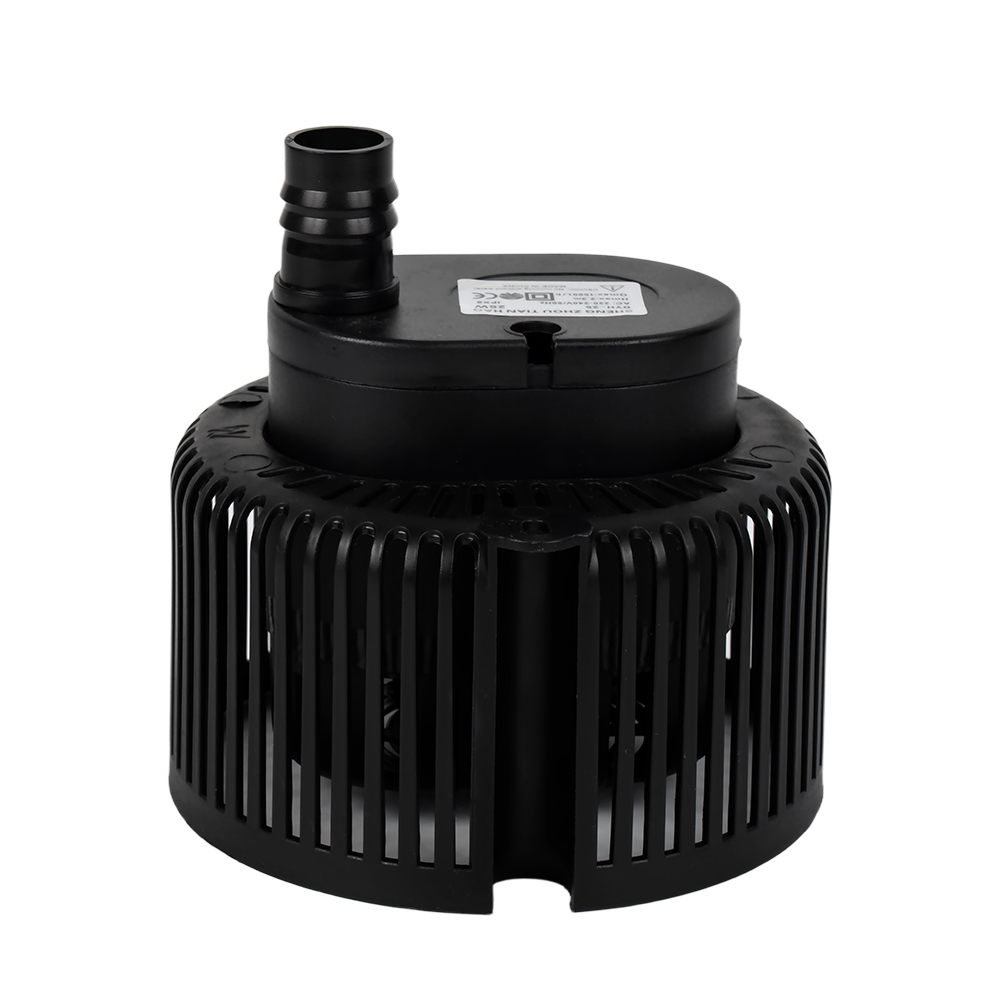
The low-water-level design allows for pumping water as low as 1cm, ensuring cleaner water. The shaft is made of high-quality stainless steel, which is...
See Details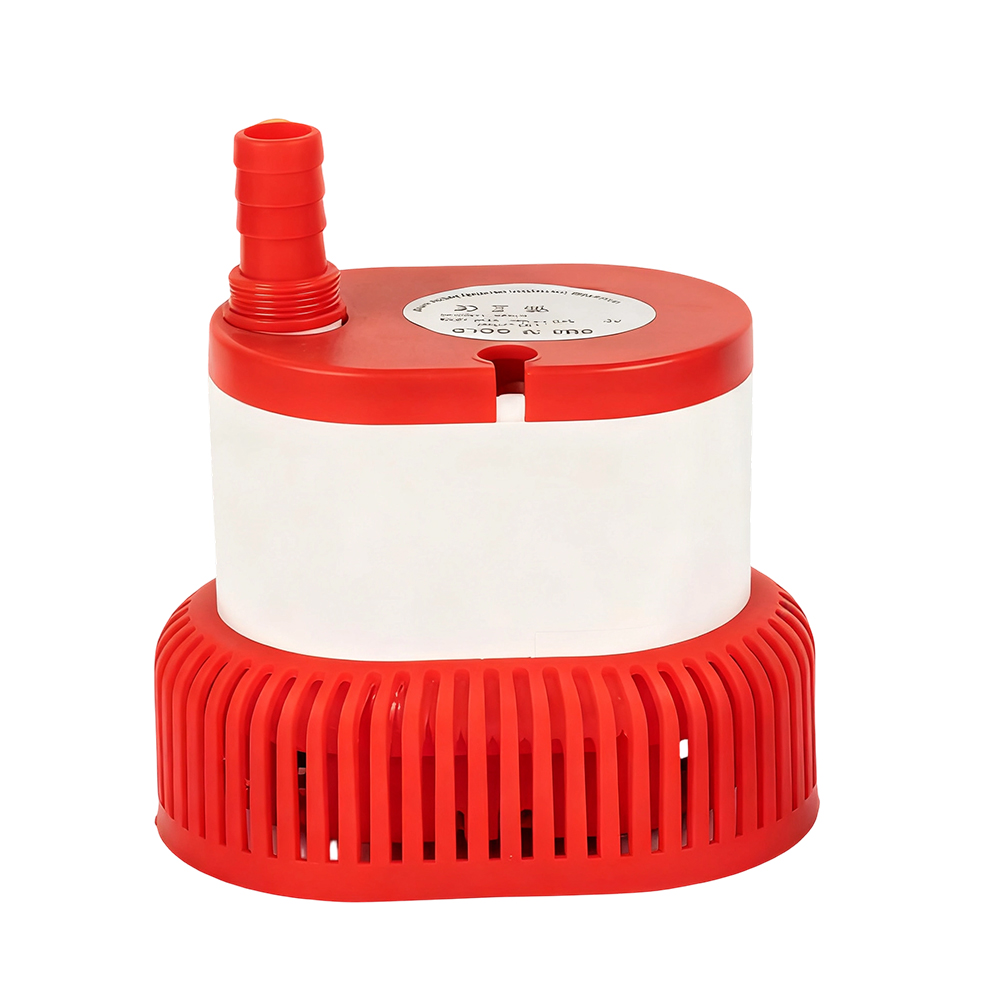
This compact yet powerful submersible pump is designed for ultra-low water level suction. Its innovative bottom suction design allows for near-complet...
See Details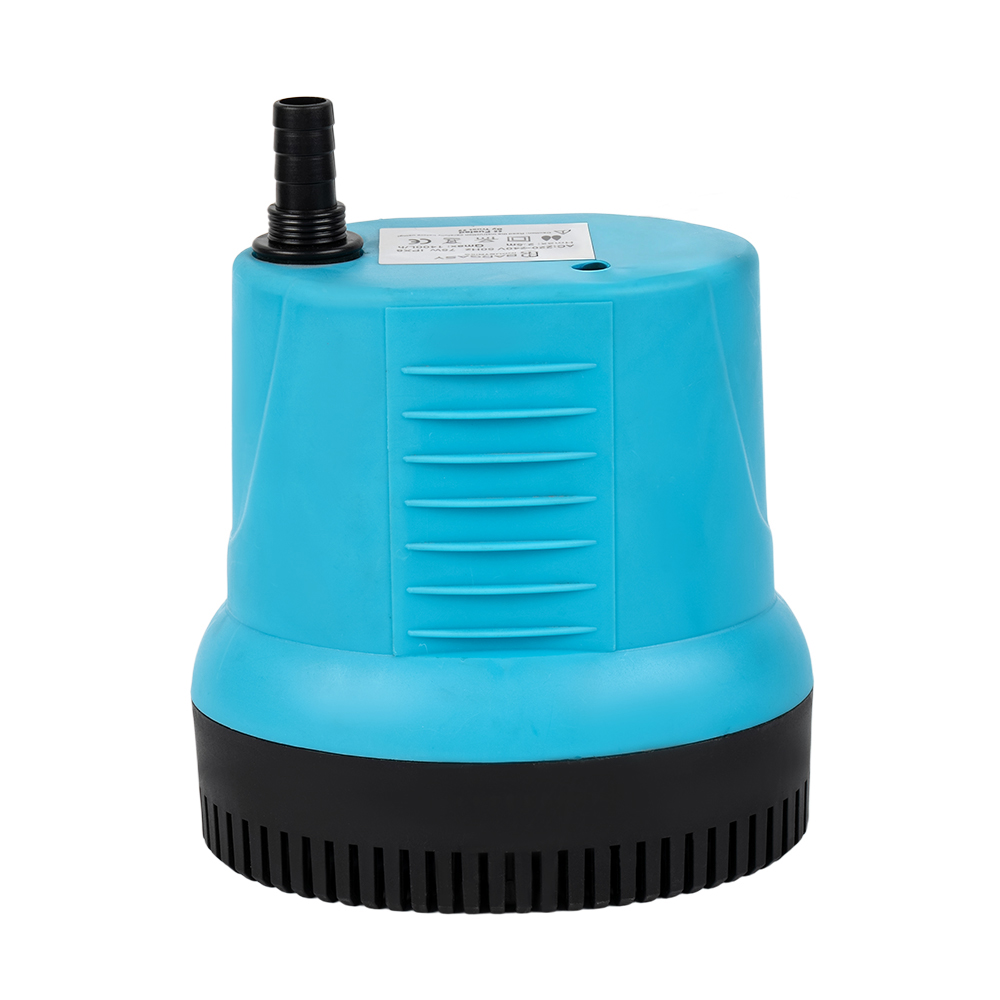
The DYH-45W Bottom Suction Submersible Pump is a high-performance, reliable solution designed to efficiently move water in a variety of applications. ...
See Details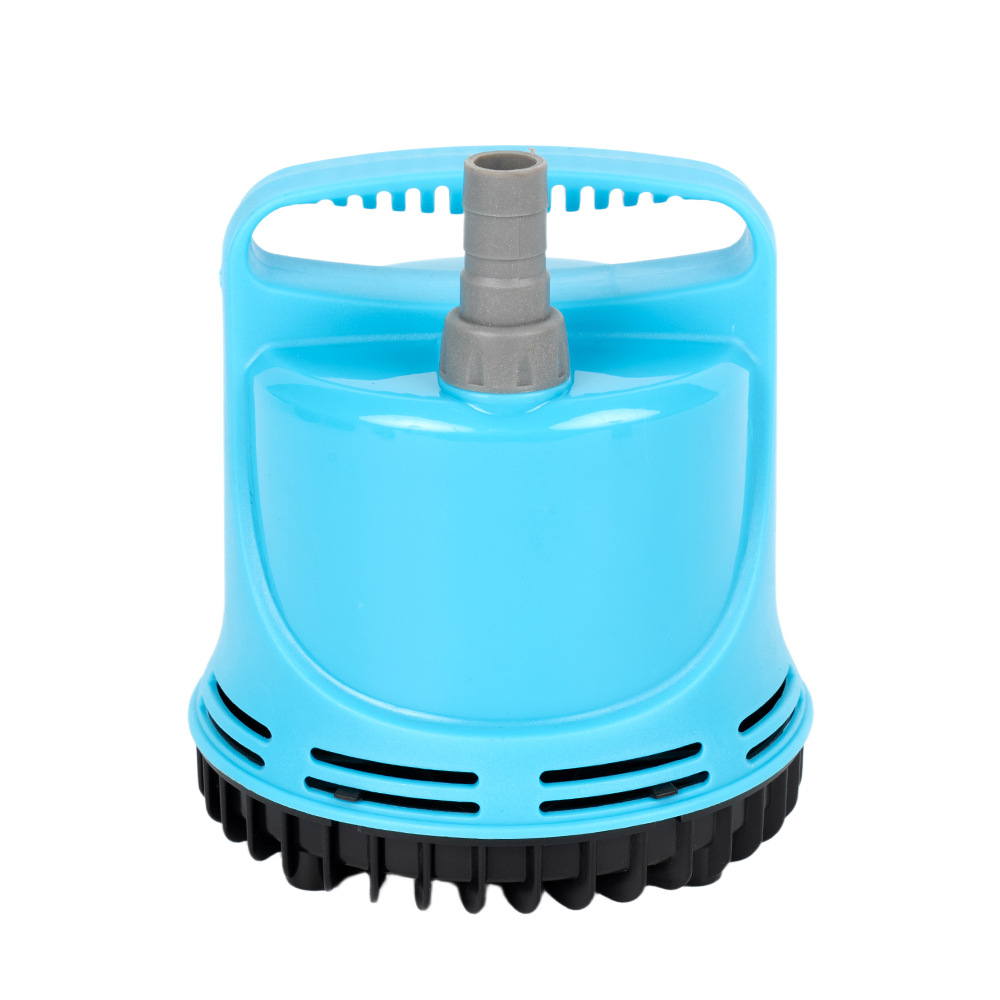
Tired of the stagnant water and grime at the bottom of your aquarium? The DYH-25 compact bottom-suction submersible pump delivers efficient and thorou...
See Details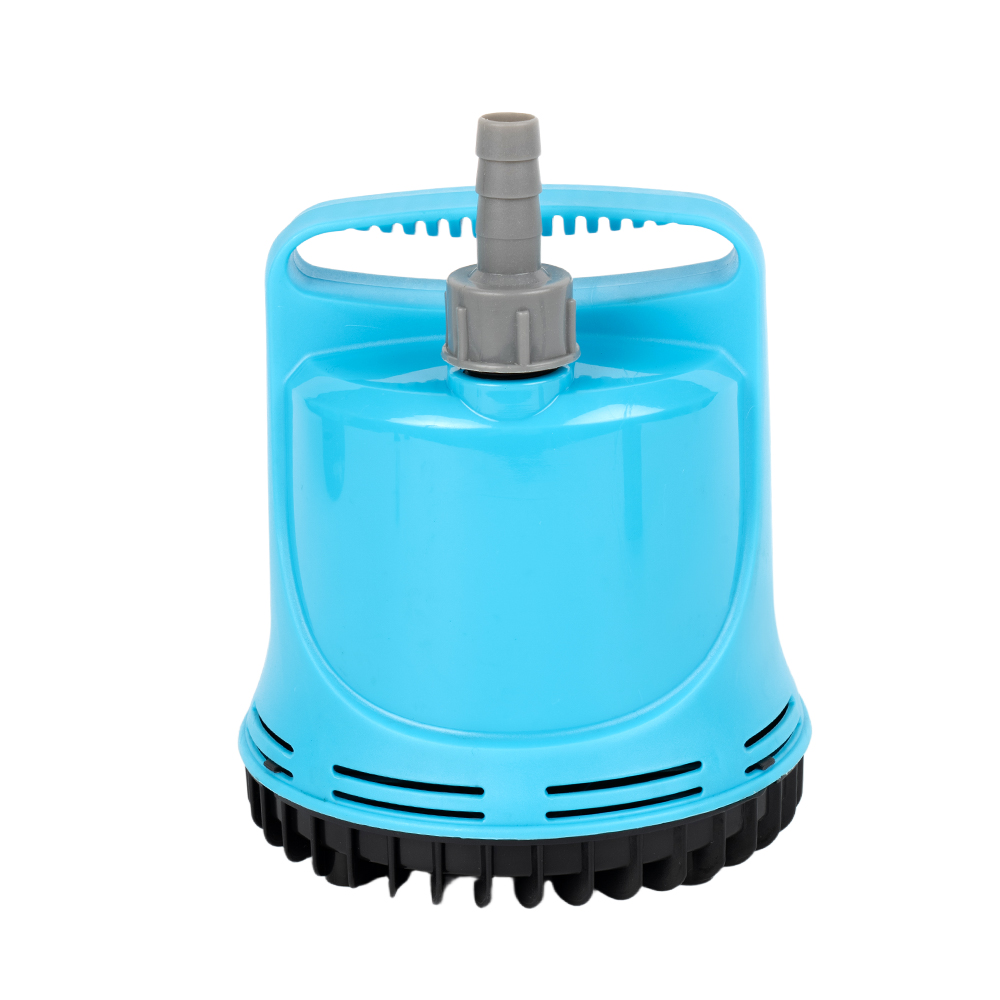
The DYH-45 Large Size Bottom Suction Submersible Pump is designed for high-efficiency water management in industrial and residential applications. Con...
See Details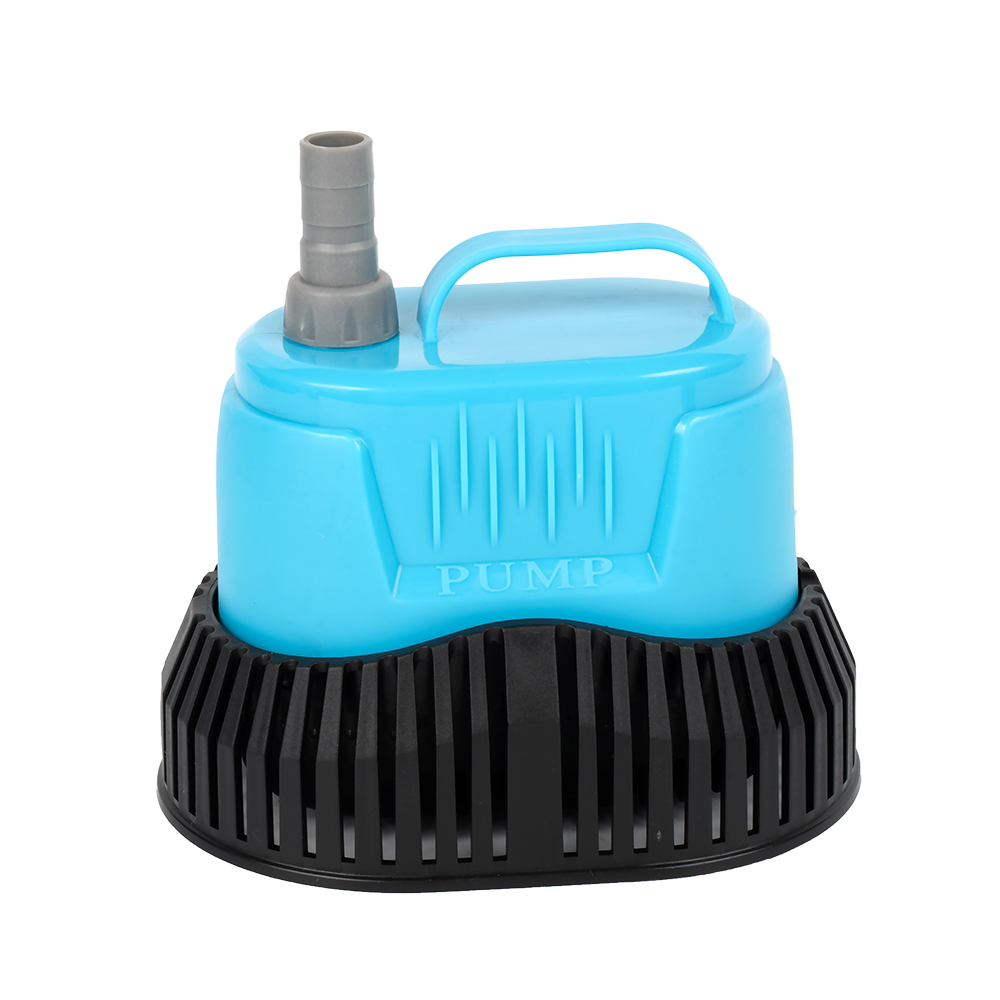
Customizable colored gift boxes are available. Larger sizes are also available. Features a user-friendly, streamlined handle for easy carrying. The ou...
See DetailsContent
Introduction to Air Cooler Drain Pumps In the realm of sustainable and cost-effective climate contro...
READ MOREWhat is an Air Cooler Pump? Definition of an Air Cooler Pump An air cooler pump is an essential comp...
READ MOREIntroduction to Industrial Evaporative Cooling Pumps An industrial air cooler pump is the driving fo...
READ MORE


+86-13605859208
+86-13615854385
+86-15167555022

Copyright © Shengzhou Tianhao Aluminum Foundry Co., Ltd.
All Rights Reserved.
 Wholesale Evaporative Cooling Water Pump Manufacturers
Contact Us