

 LANGUAGE
 中文简体
中文简体
Fluid Systems — Comparative Engineering
Water Cooler Water Pump vs. Self-Priming Jet Pump
A close look at why one pump lifts water inches, and the other lifts it stories high — and what that gap means for the system you're actually building.
Direct Answer
A standard water cooler water pump is built for short vertical travel, typically lifting water only 1 to 3 feet (0.3 to 1 meter) from a bottle or reservoir into the dispensing chamber. A self-priming jet pump, by contrast, is engineered for whole-property water transfer and can achieve a suction lift of 15 to 25 feet (4.5 to 7.6 meters), depending on pipe diameter, impeller design, and elevation above sea level. The gap exists because the two pumps solve entirely different problems: one moves a small volume of water a short distance with minimal pressure, while the other is designed to draw water from a well, cistern, or low-lying source and push it through an entire plumbing system.
This lift height gap is the single biggest factor separating the two pump categories, and it directly determines which one is appropriate for a given task. Understanding why the difference exists — and what it means for daily performance — helps homeowners and facility managers avoid installing the wrong pump for their needs.
The distance a pump can lift water isn't a measure of quality. It's a measure of purpose.
Understanding How Each Pump Achieves Lift
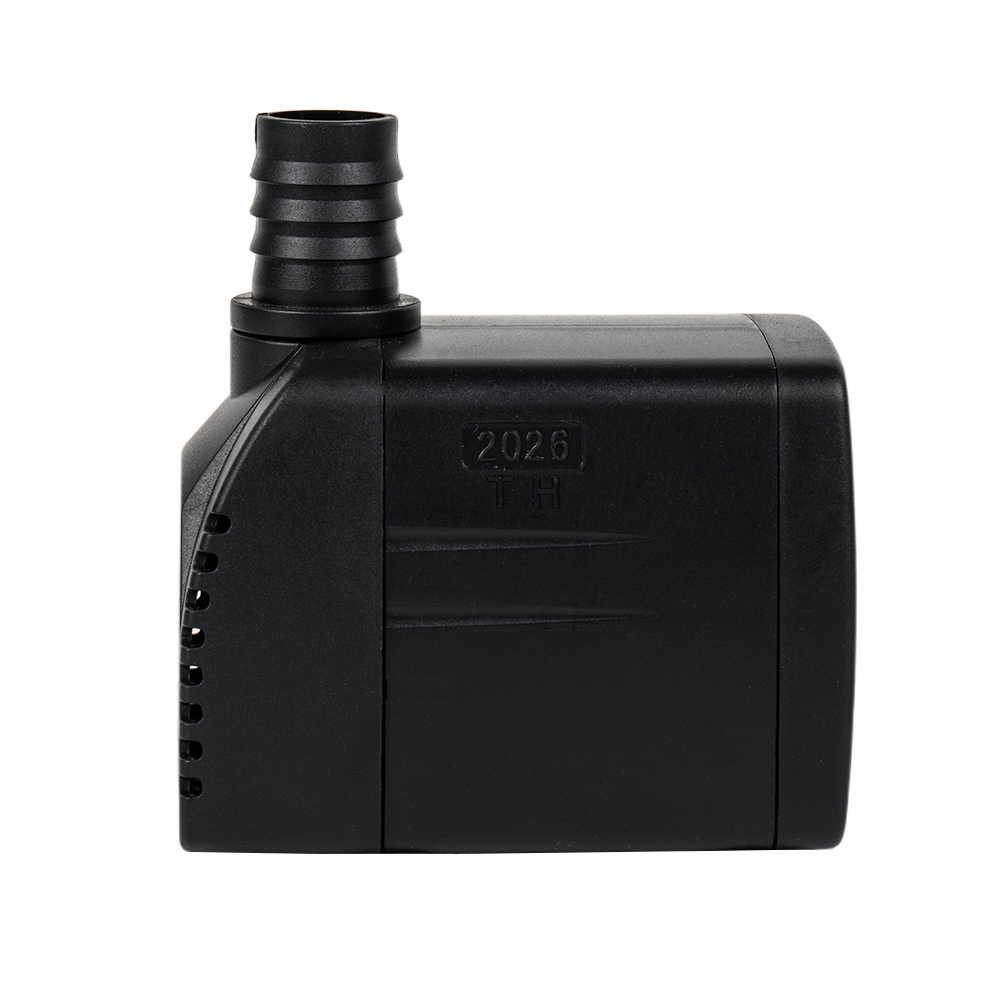
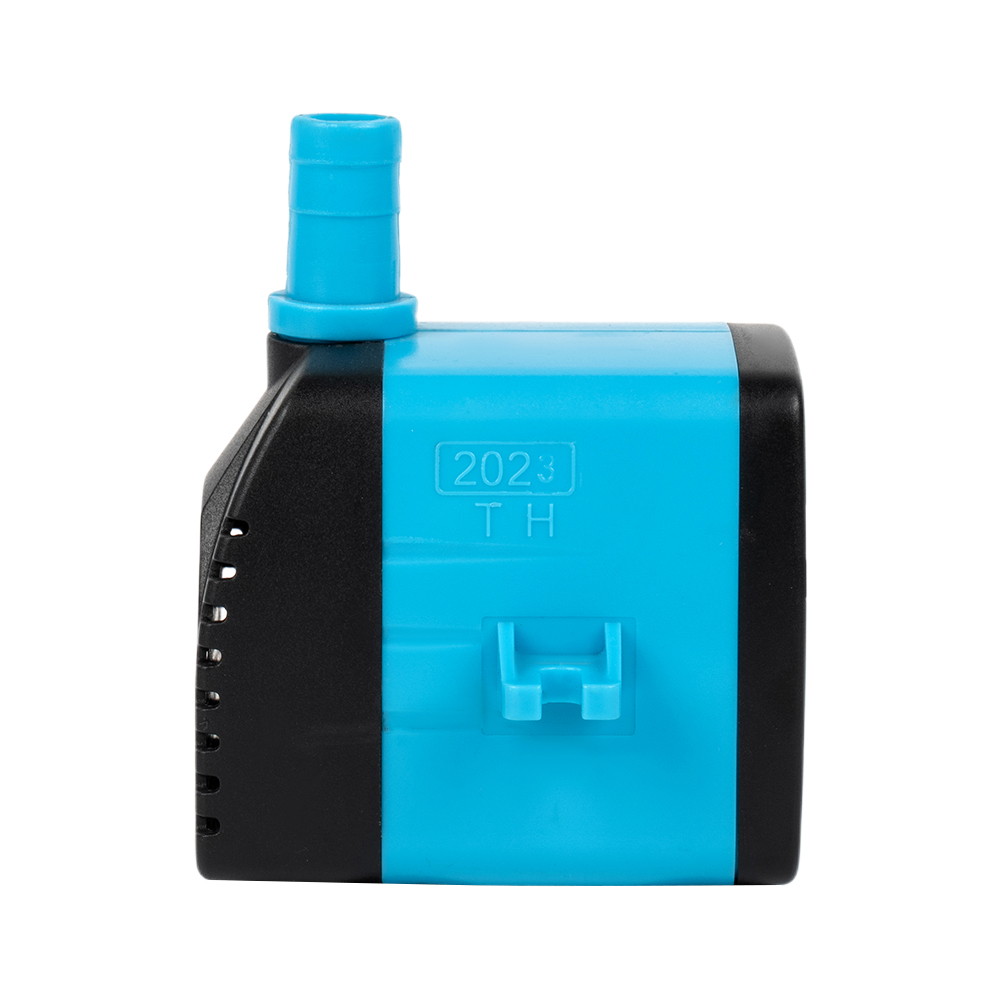
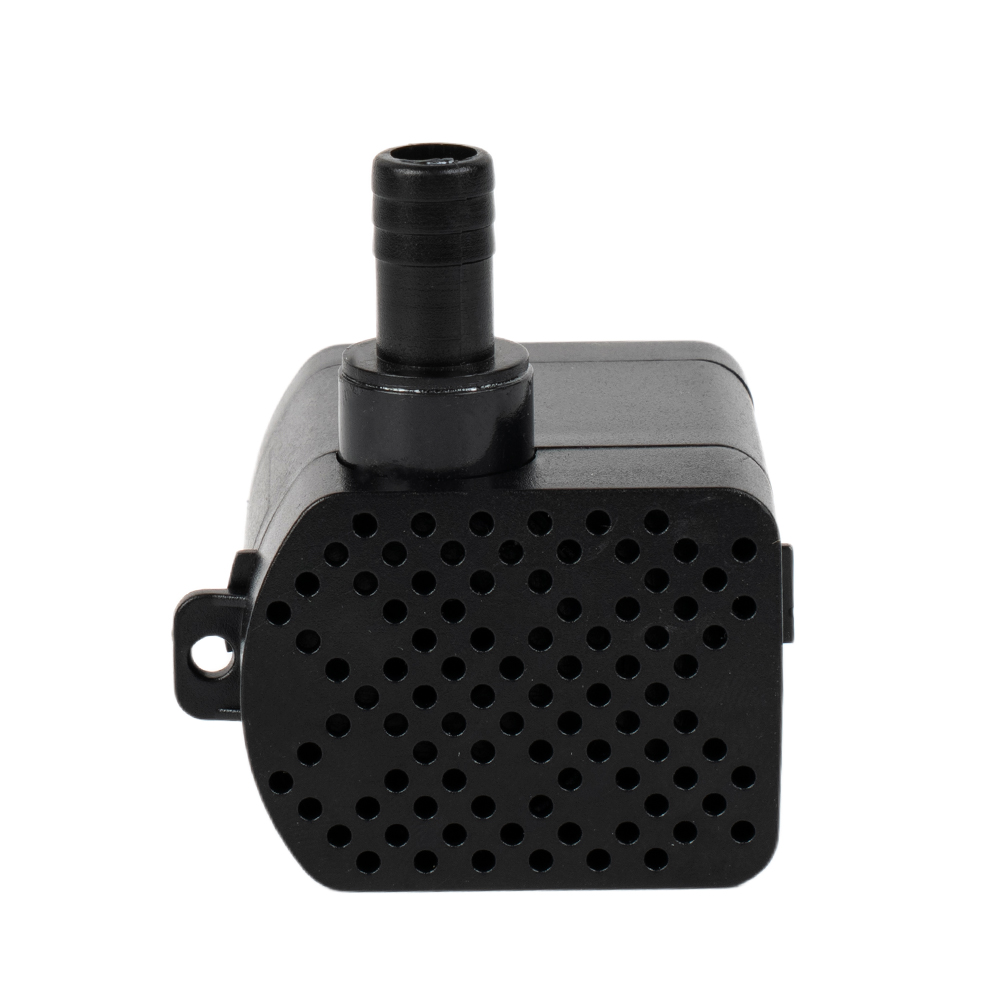
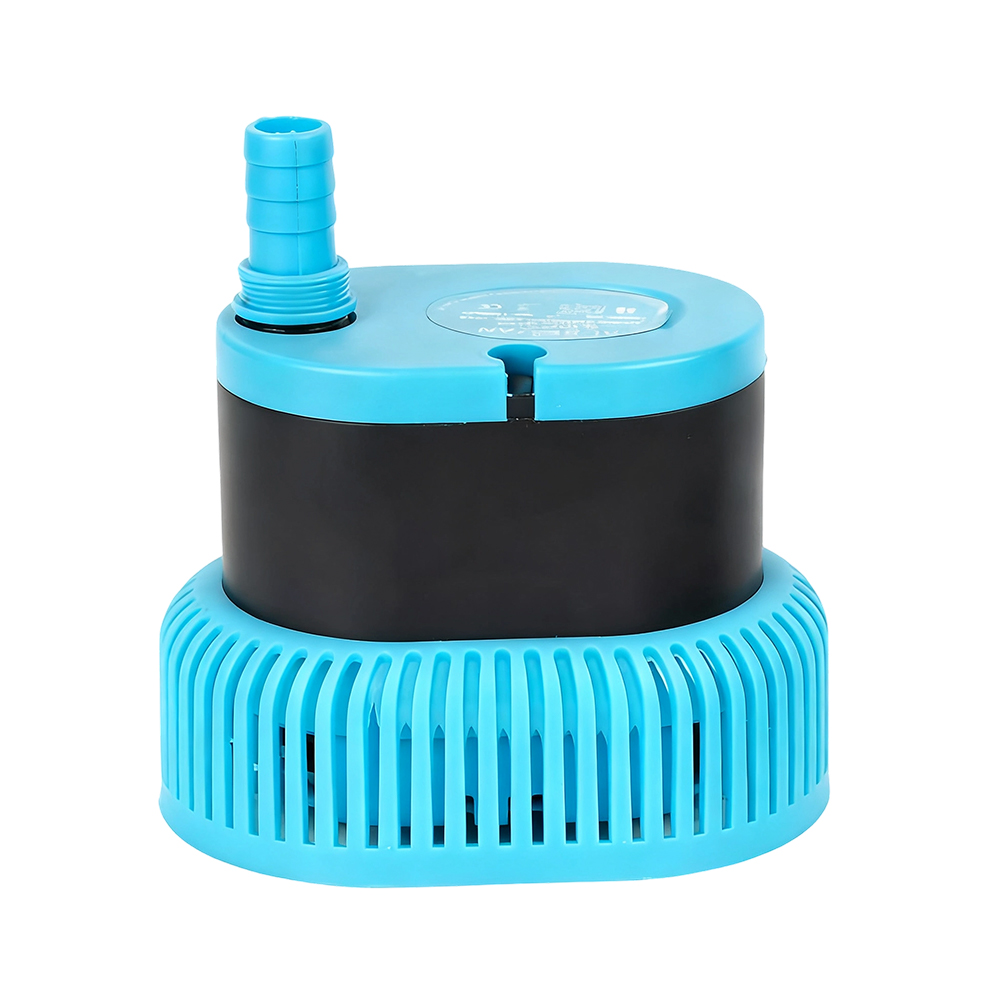
A water cooler water pump is almost always a small submersible or semi-submersible unit powered by a low-voltage DC motor. It sits directly inside or just below the water bottle and relies on a compact impeller spinning at low RPM to push water upward through a narrow tube. Because the motor is small — often under 5 watts — it simply does not generate enough hydraulic pressure to lift water more than a few feet. The tradeoff is intentional: these pumps prioritize quiet operation, low energy draw, and food-safe materials over raw lifting power.
Self-Priming Jet Pump Mechanics
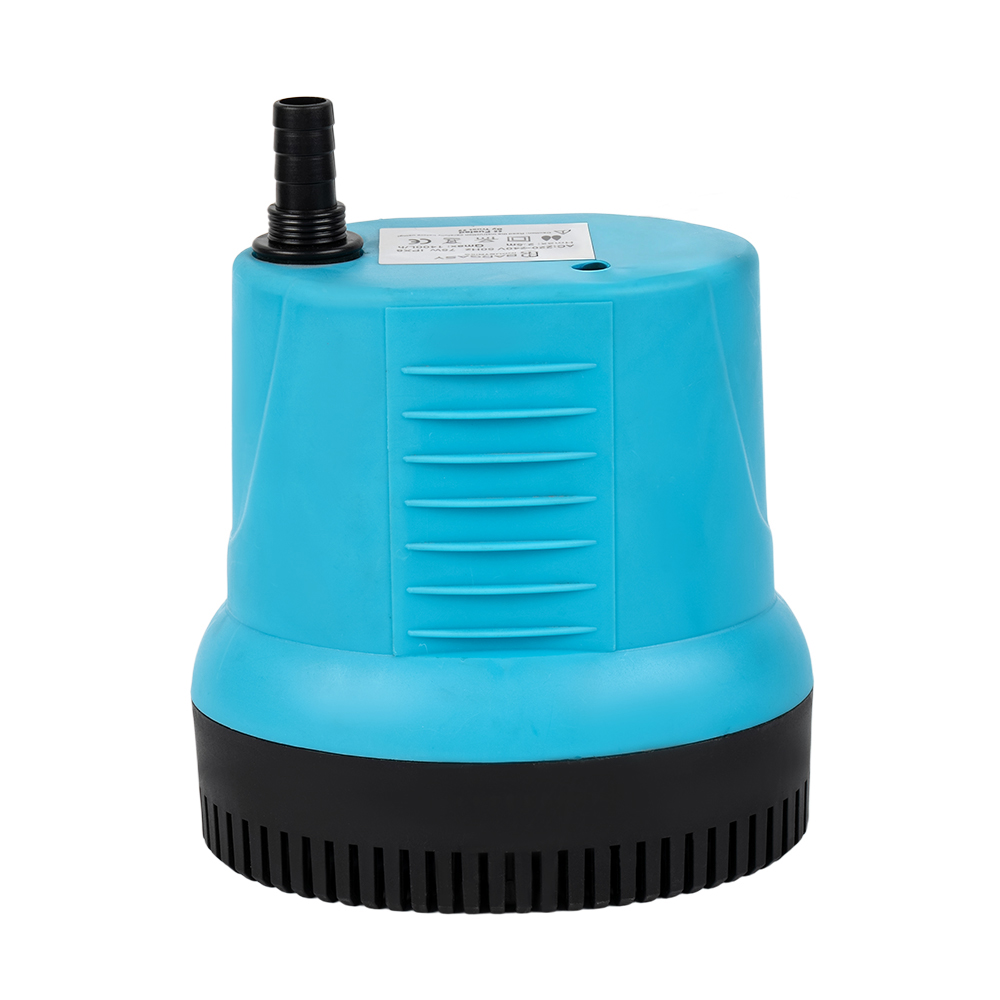
A self-priming jet pump uses a completely different approach. It draws water using a venturi effect, recirculating a small volume of water within the pump housing to create a vacuum strong enough to pull water up through a suction pipe from below. This mechanical priming action, combined with a larger motor (often 0.5 to 1.5 horsepower), is what allows it to overcome atmospheric pressure limits and achieve significantly greater vertical lift. The tradeoff here is size, noise, and power consumption — all of which are far higher than what a compact water cooler water pump requires.
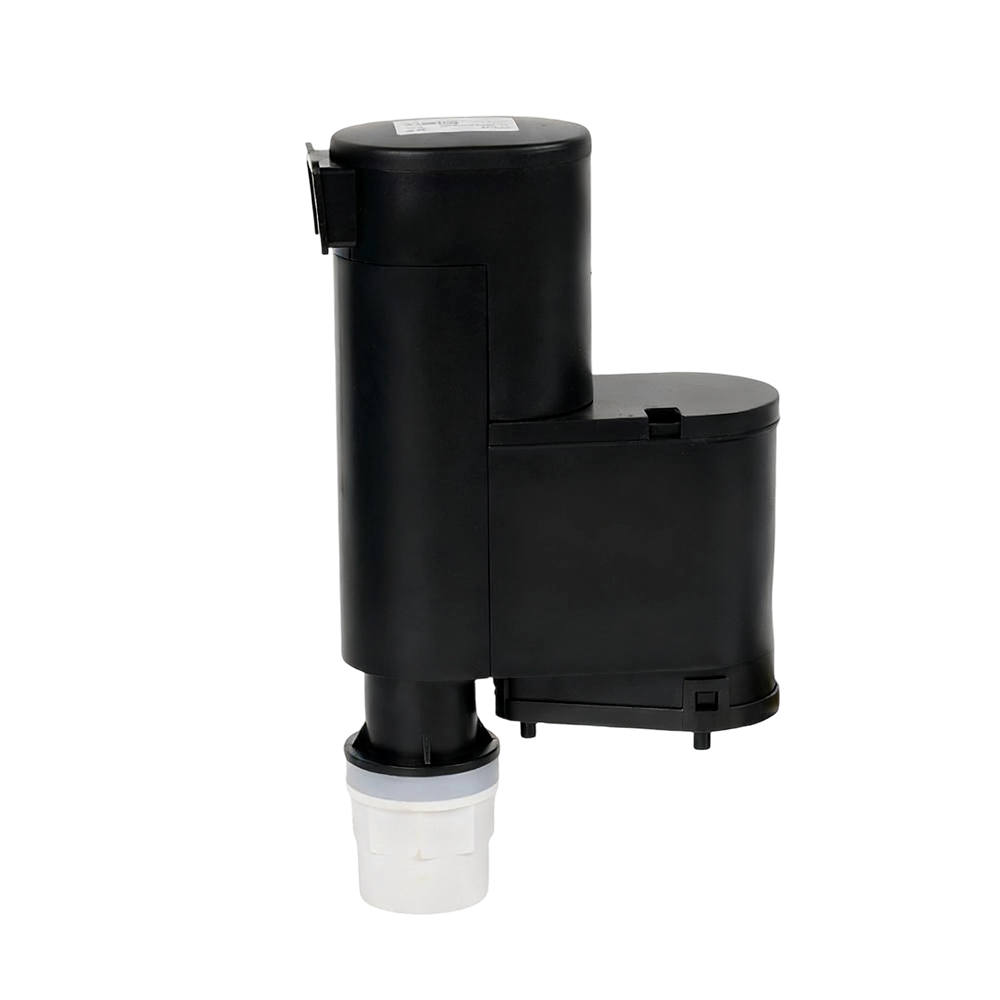
water cooler water pump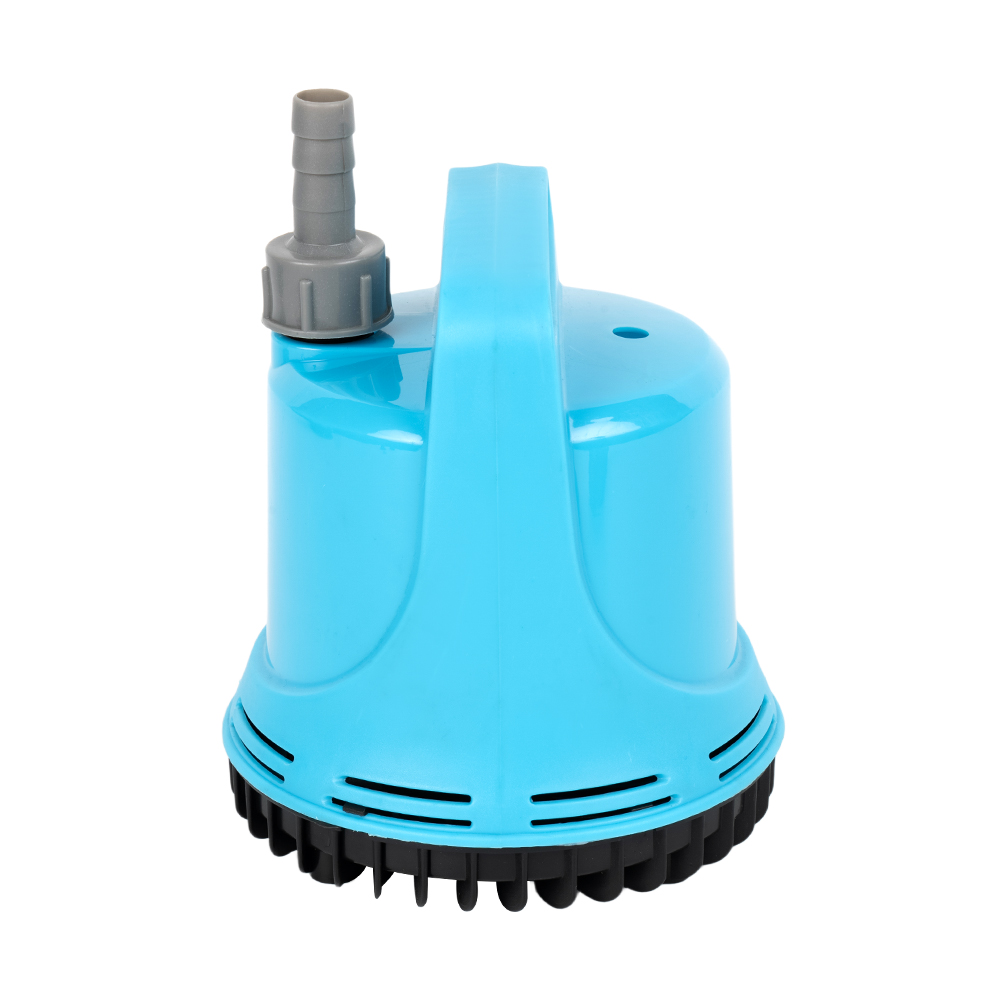
Why the Design Difference Matters for Everyday Use
Choosing a pump based on lift height alone can prevent costly mistakes. Installing a self-priming jet pump on a countertop water cooler would be impractical — the unit is too large, too loud, and far more expensive than the task requires. Conversely, attempting to use a water cooler water pump to draw water from a well or basement sump would fail almost immediately, since the motor simply cannot generate the suction force needed to overcome more than a few feet of vertical distance.
- Water cooler pumps are optimized for short-distance, low-pressure transfer within a dispenser unit.
- Self-priming jet pumps are optimized for long-distance vertical suction from wells, tanks, or low reservoirs.
- Mismatching the two leads to either wasted cost or complete performance failure.
Typical Application Scenarios for Each Pump
A water cooler water pump is most commonly found in bottled water dispensers, small countertop coolers, and portable hydration stations where the water source sits just below the outlet. These pumps are also frequently used in evaporative cooling systems, where water needs to be circulated a short distance from a basin to a cooling pad. In fact, many homeowners searching for an evaporative cooler water pump replacement are really describing this same category of low-lift, low-power pump — just applied to a swamp cooler rather than a beverage dispenser.
A self-priming jet pump, on the other hand, is used for whole-home water supply, irrigation systems, and drainage applications where water must travel vertically from a well, cistern, or below-grade source before being distributed across a property. Its higher lift capacity makes it suitable for tasks that a compact water cooler-style pump could never handle.
Info
Lift height is always measured as vertical distance only. Horizontal tubing runs add friction loss but do not count against a pump's rated lift.
Side-by-Side Specification Comparison
The table below summarizes the practical differences buyers should weigh before choosing between the two pump types.
| Specification | Water Cooler Water Pump | Self-Priming Jet Pump |
|---|---|---|
| Maximum Lift Height | 1–3 ft (0.3–1 m) | 15–25 ft (4.5–7.6 m) |
| Typical Motor Power | 1–5 watts | 0.5–1.5 horsepower |
| Noise Level | Near silent (under 30 dB) | Moderate to loud (60–75 dB) |
| Flow Rate | 0.5–1.5 gallons/minute | 10–40 gallons/minute |
| Typical Application | Water dispensers, evaporative coolers | Wells, irrigation, drainage systems |
When You Need an Evaporative Cooler Water Pump Replacement
Evaporative and swamp coolers rely on a small pump to draw water from the basin and distribute it across the cooling pads. Because this pump only needs to lift water a short vertical distance — usually less than two feet — it shares the same low-lift, low-power design as a typical water cooler water pump. When this component fails, most people describe the fix as an evaporative cooler water pump replacement or swamp cooler water pump replacement, and the good news is that these replacement pumps are inexpensive and simple to install, usually requiring only a screwdriver and a few minutes of downtime.
Signs a Replacement Is Needed
- Weak or uneven water flow across the cooling pads.
- Unusual grinding or rattling noise from the basin area.
- Pump runs but no water reaches the top distribution tray.
- Visible mineral crust or corrosion around the impeller housing.
Because these pumps operate at such low lift heights, a jet pump would be massive overkill for this task — both in terms of physical size and electrical draw. This is a case where the compact, short-lift design of a water cooler-style pump is not a limitation but the correct engineering choice.
Warning
Running a pump consistently at or beyond its rated maximum lift height accelerates wear, raises operating temperature, and shortens service life significantly.
Maintenance Factors That Affect Lift Performance Over Time
Even within its rated range, lift performance can degrade over time if a pump isn't maintained. Mineral scale buildup — common in areas with hard water — gradually narrows the internal flow path and reduces effective lift in both pump types. For a water cooler water pump, even a small amount of scale can meaningfully cut into its already limited 1–3 foot lift capacity, causing slow or inconsistent dispensing. Self-priming jet pumps are somewhat more tolerant of minor scale buildup thanks to their higher horsepower, but neglecting maintenance still reduces their lift ceiling and increases energy consumption.
- Flush the impeller housing periodically to remove mineral deposits.
- Check suction lines for air leaks, which reduce effective lift in jet pumps.
- Replace worn seals promptly to prevent gradual pressure loss.
Success
A pump sized with roughly 20% more lift capacity than the actual measured distance runs cooler, quieter, and lasts considerably longer under everyday use.
Choosing the Right Pump Based on Lift Height Requirements
The most practical way to choose between these two pump types is to measure the actual vertical distance water needs to travel. If the source and destination are within two or three feet of each other — as in a bottled water dispenser or an evaporative cooler basin — a compact water cooler water pump is the appropriate, cost-effective choice. If water needs to travel more than five feet vertically, such as from a well casing to a home's plumbing system, a self-priming jet pump becomes necessary.
Buyers should also account for a safety margin. A pump operating consistently near its maximum rated lift height will run hotter, wear faster, and lose efficiency sooner than one working comfortably within its range. For critical applications, selecting a pump rated for at least 20% more lift than the actual measured distance helps extend service life.
Common Misconceptions About Pump Lift Height
A frequent misconception is that a higher wattage rating always translates directly into a higher lift height. While motor power does play a role, lift height is more accurately determined by the pump's internal design — specifically whether it relies on impeller-driven centrifugal force alone, or whether it incorporates a self-priming venturi mechanism. This is why a small self-priming jet pump can often out-lift a larger, non-priming centrifugal pump of similar wattage. Shoppers comparing a water cooler water pump to other low-cost dispensing pumps should look past wattage alone and instead check the manufacturer's stated maximum lift specification, usually listed in feet or meters of "head" pressure.
Another common misunderstanding involves horizontal versus vertical distance. Lift height ratings describe vertical travel only; horizontal pipe runs add friction loss but are measured separately. A water cooler water pump moving water two feet vertically through a coiled horizontal tube inside a dispenser cabinet is still operating within its 1–3 foot vertical lift range, even though the total tubing length may be longer. Confusing these two measurements is one of the most common reasons buyers end up disappointed with a pump's real-world performance.
Altitude and Temperature Effects
Both pump types lose some lift capacity at higher altitudes, since thinner atmospheric pressure reduces the natural push that helps water rise into the suction line. This effect is more noticeable on self-priming jet pumps operating near their rated maximum, since they depend on atmospheric pressure differentials to complete the priming cycle. Water temperature matters as well: warmer water is more prone to cavitation, which can reduce effective lift in either pump type, though this is rarely a concern for the cool, low-lift environment a typical water cooler water pump operates in.
Danger
Never attempt to draw water from a well or below-grade source with a compact water cooler water pump. The motor cannot generate sufficient suction, and forcing continuous operation against an impossible lift can burn out the motor entirely.
Final Takeaway
The maximum lift height gap between a water cooler water pump and a self-priming jet pump — roughly 1–3 feet versus 15–25 feet — reflects two fundamentally different design goals rather than a simple quality difference. One is built for short, quiet, low-power transfer inside a dispenser or evaporative cooler basin; the other is built to overcome gravity across an entire property's plumbing system. Matching the pump to the actual lift distance, whether shopping for a whole-home water source solution or a simple swamp cooler water pump replacement, is the single most reliable way to ensure dependable performance and avoid unnecessary cost.



Contact Us