 LANGUAGE
 中文简体
中文简体DYH-40 Customizable Industrial Air Cooler Water Pump
The DYH-40 customizable industrial air-cooled water pump is a high-efficiency pump designed specifically for industrial applications, widely used in a...
See Details [email protected]
 +86-575-83698898 / +86-13605859208 / +86-13615854385

For small-to-medium evaporative coolers, an air cooler pump consistently draws less power than an axial flow pump, typically consuming between 15W and 60W compared to the 50W–200W range common in axial flow pumps used in similar cooling setups. If your primary goal is reducing electricity costs while maintaining effective water circulation across cooling pads, the air cooler pump is the more efficient choice. That said, the right decision depends on your cooler's scale, airflow demands, and installation environment — all of which are explored in detail below.
An air cooler pump is a small submersible or inline water pump specifically engineered to circulate water within evaporative coolers. Its primary function is to draw water from a reservoir at the base of the unit and distribute it evenly across cooling pads, where it evaporates and lowers the air temperature passing through.
These pumps operate on a straightforward impeller mechanism and are designed for low-head, low-flow applications. Typical specifications include:
Because the air cooler pump only needs to push water vertically 0.5 to 1.5 meters in most residential units, it doesn't require high motor output — which is exactly why its energy footprint stays low.
An axial flow pump moves fluid parallel to the pump shaft using a propeller-style impeller. It excels at moving large volumes of water at low pressure — making it highly effective in industrial cooling towers, irrigation channels, and large-scale HVAC systems.
However, when applied to small-to-medium evaporative coolers, the axial flow pump is often oversized for the task. Its specifications in light-duty configurations typically include:
Using an axial flow pump in a compact or mid-size evaporative cooler results in wasted energy because the pump operates well below its optimal load range, reducing overall efficiency.
The table below compares both pump types across key performance and energy metrics relevant to small-to-medium evaporative coolers:
| Parameter | Air Cooler Pump | Axial Flow Pump |
|---|---|---|
| Rated Power | 15W – 60W | 50W – 200W |
| Daily Energy Use (8 hrs) | 0.12 – 0.48 kWh | 0.4 – 1.6 kWh |
| Monthly Cost (at $0.12/kWh) | $0.43 – $1.73 | $1.44 – $5.76 |
| Ideal Flow Rate Match | Small–Medium coolers | Large–Industrial coolers |
| Noise Level | 25 – 40 dB | 45 – 70 dB |
| Installation Complexity | Low | Moderate to High |
| Replacement Cost | $5 – $25 | $40 – $150+ |
The data clearly shows that the air cooler pump uses up to 75% less energy than an axial flow pump when both are applied to small-to-medium evaporative cooling systems.
One of the most common and costly mistakes in cooler setup is selecting a pump with too much capacity. An axial flow pump rated at 100W running at 40% of its optimal flow range doesn't save 60% energy — it often consumes nearly full rated power while delivering mismatched output, leading to turbulent water distribution, pad saturation issues, and accelerated wear.
In contrast, an air cooler pump matched to the cooler's pad area and water volume operates within its designed efficiency band, ensuring:
This principle mirrors problems seen in pressure-based water systems. For example, when users need to repair pressure washer pump components, a frequent root cause is running the pump outside its rated pressure range — the same logic applies to evaporative cooler pumps running outside their designed flow parameters.
Beyond electricity, maintenance frequency directly affects the total cost of running either pump type over a cooling season.
Air cooler pumps are simple, single-stage units with few moving parts. Routine tasks include monthly cleaning of the impeller housing to remove mineral deposits and seasonal inspection of inlet screens. Because they operate at low pressure and flow, mechanical stress is minimal. When issues arise — such as reduced output or noise — users can follow straightforward steps on how to repair pressure washer pump-style impeller blockages: disassemble the housing, clear the impeller, and check the seal. The same basic approach applies to air cooler pump servicing, making DIY maintenance practical.
Axial flow pumps involve more complex shaft-seal systems, larger bearings, and propeller alignment requirements. Maintenance intervals are shorter under continuous residential use, and servicing typically requires professional assistance. A common symptom of axial flow pump degradation in cooler systems is inconsistent water pressure across pad sections — similar in diagnostic nature to understanding why won't my pressure washer build pressure, where the answer often points to worn seals or impeller damage. These repairs are more expensive and time-consuming in axial flow designs.
Matching pump type to cooler scale is the most practical way to optimize both performance and power efficiency.
| Cooler Category | Coverage Area | Recommended Pump | Reason |
|---|---|---|---|
| Personal / Desktop | Up to 15 m² | Air Cooler Pump (15–25W) | Minimal head, very low flow required |
| Residential Window | 15 – 40 m² | Air Cooler Pump (30–50W) | Matches standard 3-pad cooler layout |
| Medium Commercial | 40 – 100 m² | Air Cooler Pump (50–60W) | High-flow model covers larger pad arrays |
| Large Industrial | 100 m²+ | Axial Flow Pump (100W+) | High volume flow across wide pad systems |
If you're still deciding between an air cooler pump and an axial flow pump for your evaporative cooler system, consider the following practical criteria:
For the vast majority of small-to-medium evaporative cooler applications — including personal units, residential window coolers, and mid-size commercial installations up to 100 m² — the air cooler pump is the superior choice for lower power consumption. It draws significantly less electricity, costs far less to replace, operates more quietly, and requires simpler maintenance.
An axial flow pump only becomes the right tool when the cooler system demands high-volume water movement across large industrial pad arrays, typically in spaces exceeding 100 m². Outside of that context, choosing an axial flow pump for a smaller cooler means paying more to run a pump that delivers more flow than you need, at the cost of energy, noise, and maintenance complexity.
Choose an air cooler pump rated between 30W and 60W for most residential and light commercial evaporative coolers. Match the flow rate (L/h) to your pad area, verify the head height requirement, and you'll have a pump that runs efficiently through even the hottest cooling seasons.
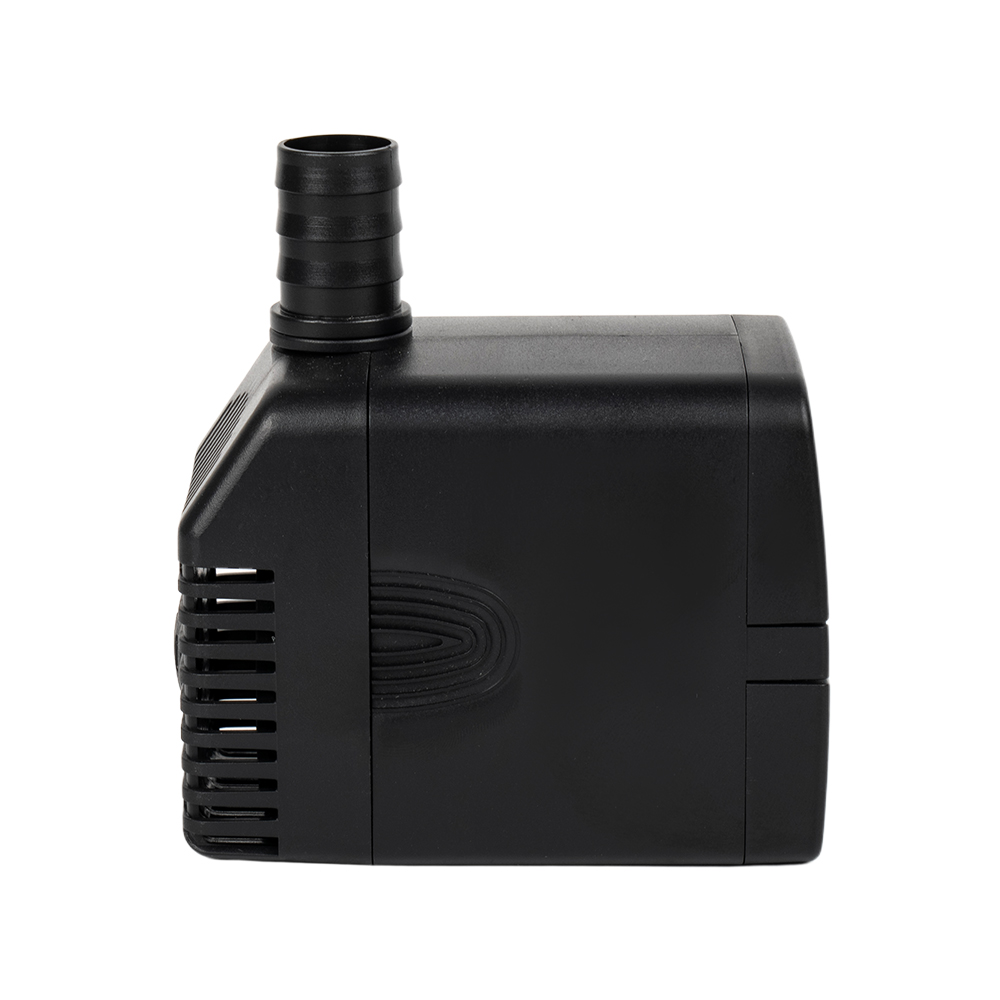
The DYH-40 customizable industrial air-cooled water pump is a high-efficiency pump designed specifically for industrial applications, widely used in a...
See Details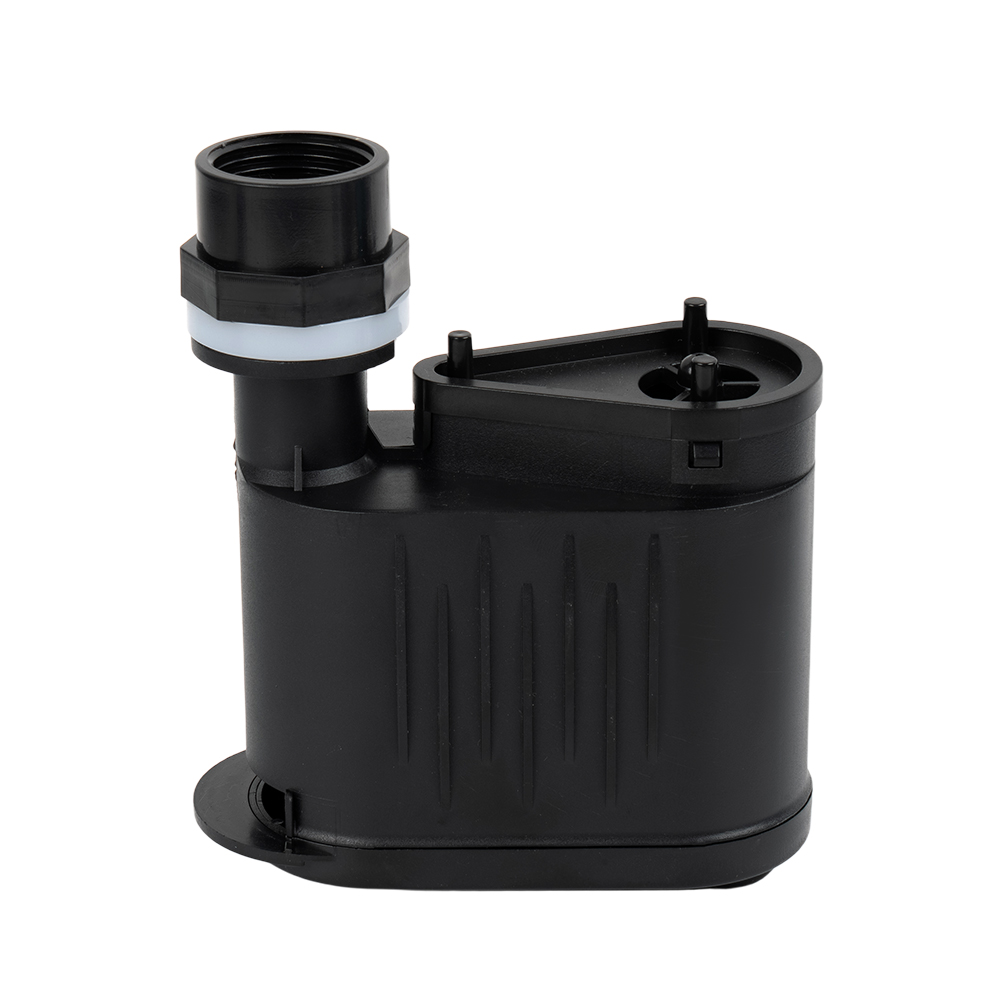
Factory direct supply, OEM/ODM supported, custom branding available. Suitable for a wide range of applications including air conditioning fans and oth...
See Details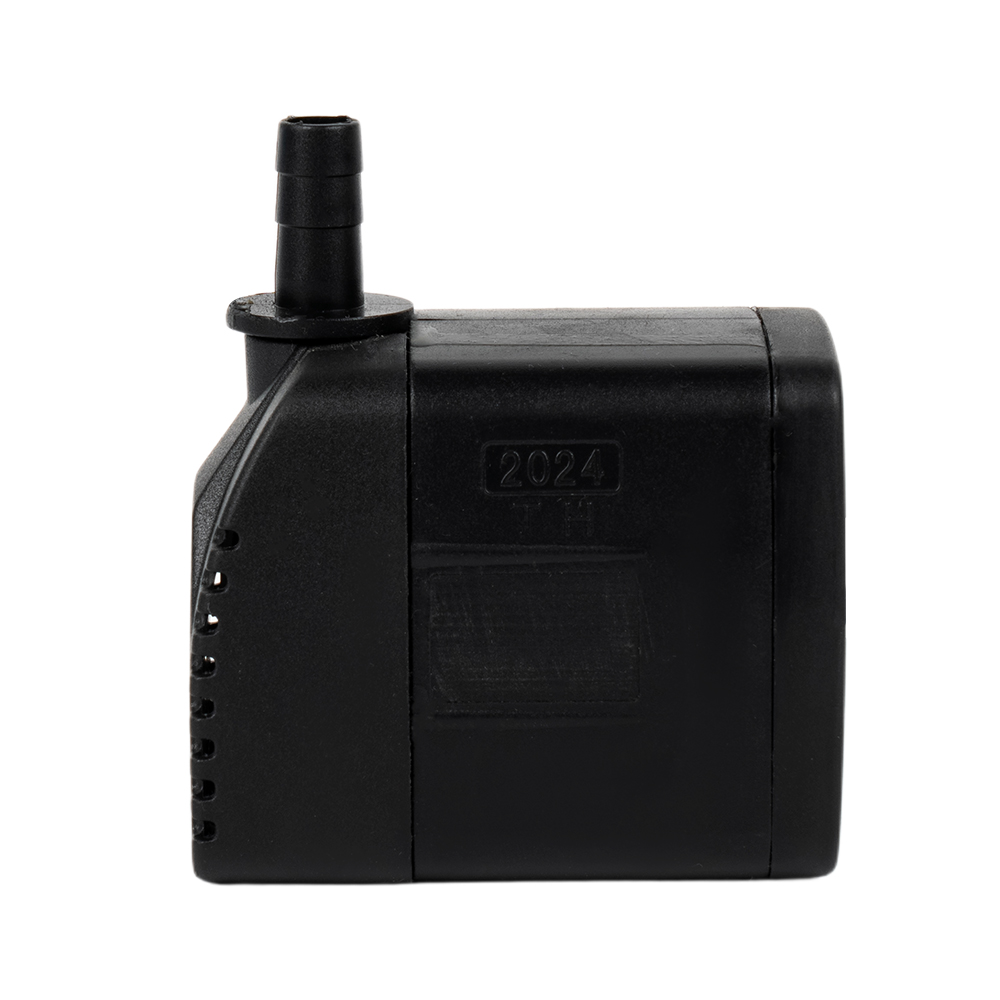
Applications: Water-circulating electrical equipment such as evaporative air conditioners, air coolers, misting fans, eco-friendly air conditioners, a...
See Details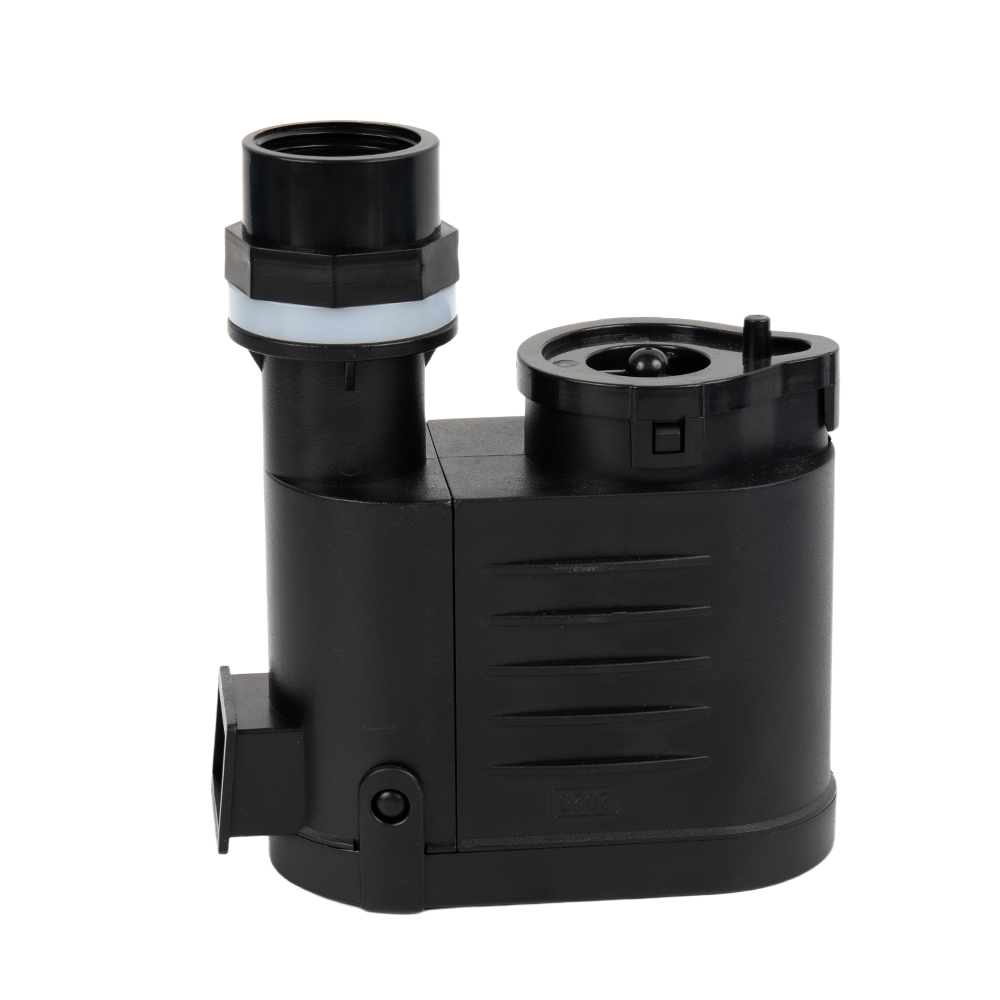
Customizable power and frequency, and customizable color box. Available in black and white outlets. Suitable for a wide range of applications includin...
See Details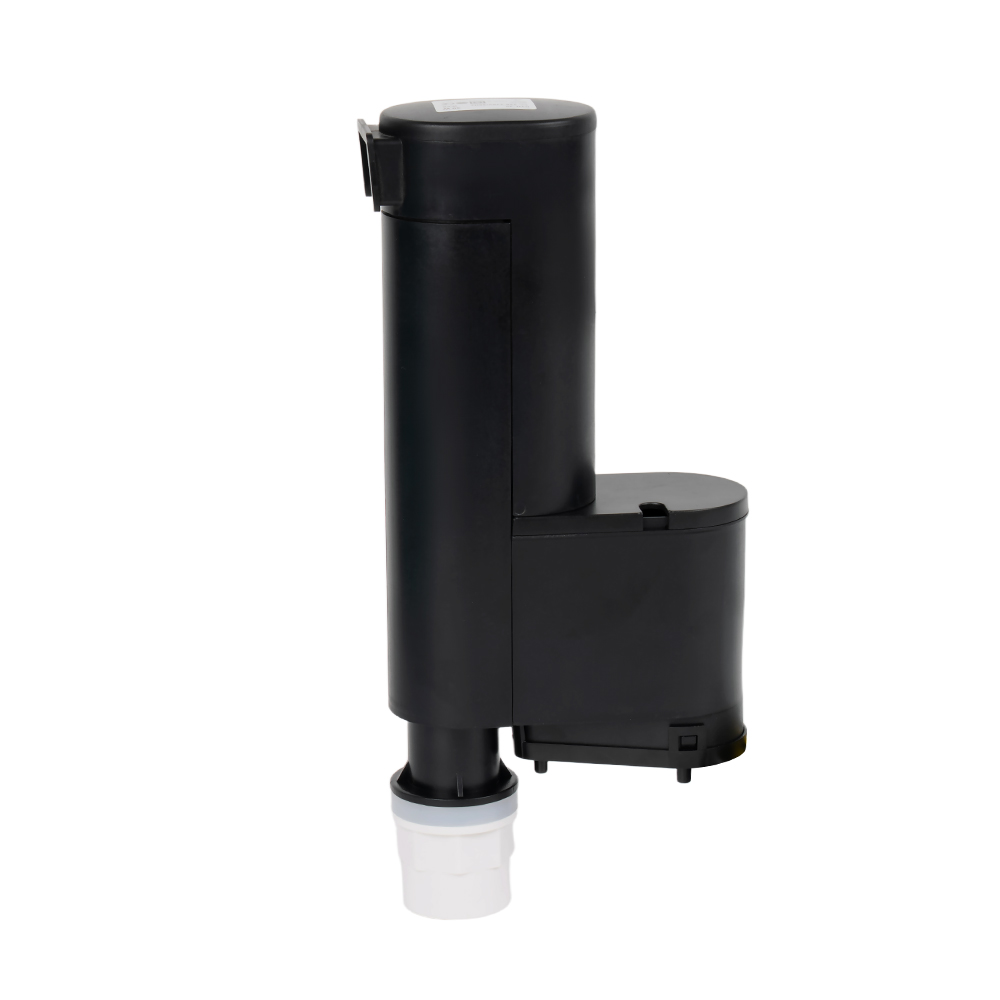
Are you troubled by the condensate drainage problem of your central air conditioning or fan coil units? Traditional drainage solutions often suffer fr...
See Details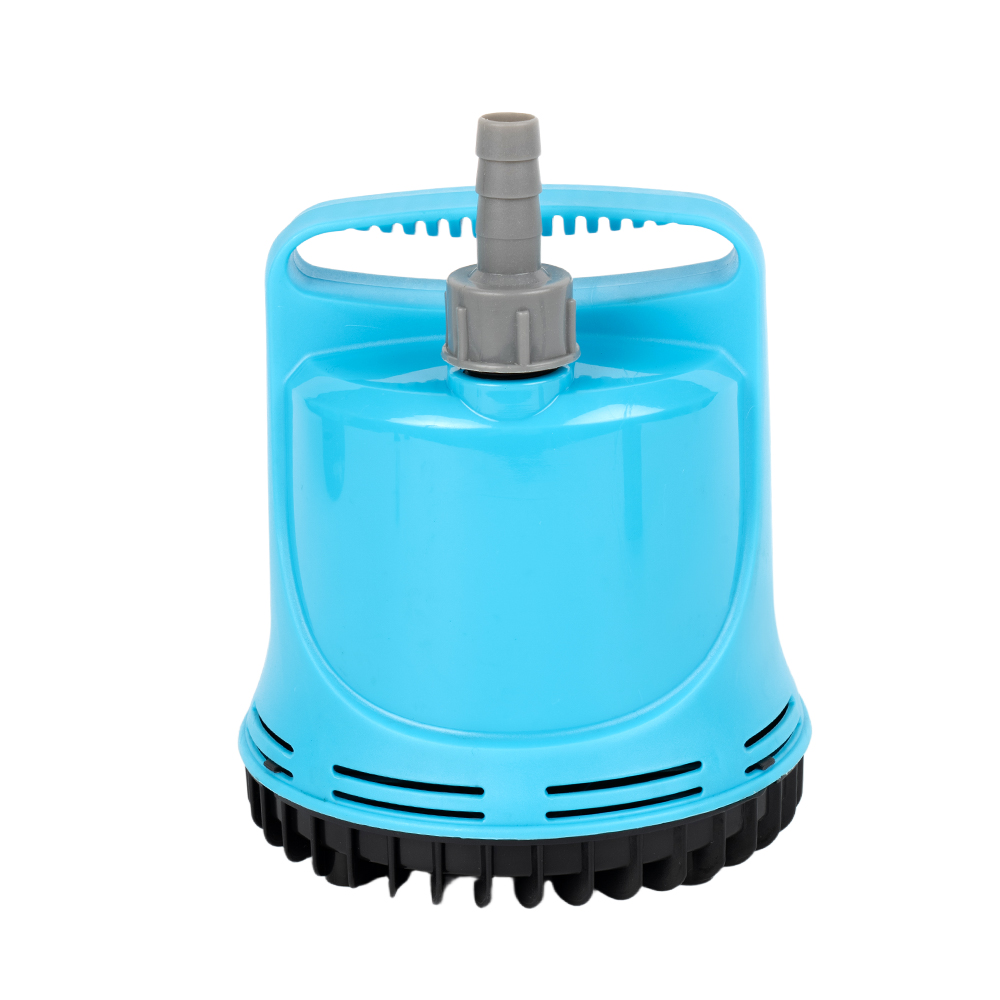
The DYH-45 Large Size Bottom Suction Submersible Pump is designed for high-efficiency water management in industrial and residential applications. Con...
See DetailsContent
Introduction to Air Cooler Drain Pumps In the realm of sustainable and cost-effective climate contro...
READ MOREWhat is an Air Cooler Pump? Definition of an Air Cooler Pump An air cooler pump is an essential comp...
READ MOREIntroduction to Industrial Evaporative Cooling Pumps An industrial air cooler pump is the driving fo...
READ MORE


+86-13605859208
+86-13615854385
+86-15167555022

Copyright © Shengzhou Tianhao Aluminum Foundry Co., Ltd.
All Rights Reserved.
 Wholesale Evaporative Cooling Water Pump Manufacturers
Contact Us