 LANGUAGE
 中文简体
中文简体DYH-25 Special Square Design with Feet, Cooling Fan and Water Pump
Applications: Water-cooled electrical equipment such as air coolers, air conditioners, misting fans, eco-friendly air conditioners, and mechanical coo...
See Details [email protected]
 +86-575-83698898 / +86-13605859208 / +86-13615854385

The DC Aquarium Water Pump generally provides superior flow control and better energy efficiency compared to a traditional Aquarium Water Pump. The primary reason is that DC technology allows users to adjust flow rates electronically, while many conventional AC-powered aquarium pumps operate at a fixed speed. In practical applications, a DC pump may consume 20% to 50% less electricity while delivering similar water circulation performance.
However, the best choice depends on the aquarium setup, livestock requirements, maintenance preferences, and budget. While DC pumps excel in efficiency and customization, standard Aquarium Water Pumps often offer simpler operation, lower purchase costs, and proven long-term reliability.
An Aquarium Water Pump is designed to move water throughout an aquarium system, supporting filtration, oxygen exchange, and waste removal. These pumps are commonly used in freshwater and marine aquariums of all sizes.
A DC Aquarium Water Pump performs the same core function but uses direct current technology combined with an electronic controller. This allows users to modify pump speed, optimize water movement, and reduce power consumption according to the aquarium's needs.
Both pump types can be used as an aquarium return pump in sump filtration systems or integrated into specialized circulation setups. The key distinction lies in their operational flexibility and energy management capabilities.
Most standard Aquarium Water Pumps operate at a constant speed. Once powered on, the pump delivers a predetermined flow rate. If lower flow is required, hobbyists typically need to install valves or other flow-restricting devices.
Although this method works, restricting flow mechanically does not reduce the pump's actual power consumption. The motor continues operating at full capacity.
DC Aquarium Water Pumps allow direct adjustment of motor speed through digital controllers. Many models provide multiple speed levels, enabling users to fine-tune circulation based on tank size, fish species, coral requirements, or filtration needs.
For users who prioritize customized water movement, DC pumps clearly outperform conventional Aquarium Water Pumps.
Energy consumption is one of the most important factors when selecting a pump because aquarium equipment often operates continuously, 24 hours per day and 365 days per year.
| Feature | Aquarium Water Pump | DC Aquarium Water Pump |
|---|---|---|
| Flow Adjustment | Limited | Highly Adjustable |
| Power Consumption | Moderate to High | Low to Moderate |
| Heat Production | Higher | Lower |
| Annual Operating Cost | Higher | Lower |
For example, a traditional pump consuming 50 watts continuously may use approximately 438 kilowatt-hours annually. A comparable DC model consuming 30 watts would use about 263 kilowatt-hours annually. This difference can result in significant energy savings over several years of operation.
Many aquarium owners recover the higher purchase cost of a DC pump through reduced electricity expenses over time.
Every water pump generates some heat during operation. Excessive heat transfer can affect aquarium stability, especially in marine systems where temperature fluctuations may stress sensitive organisms.
Traditional Aquarium Water Pumps generally produce more heat because they operate continuously at full speed. In contrast, DC pumps often generate less heat due to their improved motor efficiency and adjustable operation.
In large aquariums, the difference may be minor. However, in smaller tanks under 40 gallons, even a small reduction in heat output can contribute to more stable environmental conditions.
Noise is another area where DC technology often provides advantages. Because the motor speed can be optimized, vibration levels are typically reduced.
Many users report quieter operation from DC Aquarium Water Pumps, particularly when used as an aquarium return pump in living rooms, offices, or bedrooms. Reduced vibration can improve overall comfort and create a more enjoyable viewing experience.
Nevertheless, installation quality, plumbing design, and maintenance practices also play significant roles in determining final noise levels.
Reliability remains one of the strongest arguments in favor of traditional Aquarium Water Pumps. Their simpler design often means fewer electronic components and fewer potential failure points.
DC pumps include controllers, sensors, and electronic circuits that provide advanced functionality. While these features improve performance, they also introduce additional components that may eventually require replacement.
Proper maintenance significantly extends service life regardless of pump type.
Many aquarium owners use an aquarium return pump to move filtered water from a sump back into the display tank. In this application, flow consistency and energy efficiency are especially important because the pump operates continuously.
A DC Aquarium Water Pump can be particularly effective as an aquarium return pump because users can precisely match flow rates to overflow capacity and filtration requirements.
An aquarium suction pump serves a different role. It is commonly used for water transfer, debris removal, substrate cleaning, or localized circulation tasks. Depending on the intended use, either a traditional pump or a DC model may be suitable.
When selecting equipment, users should evaluate the specific application rather than focusing solely on advertised flow rates.
The ideal choice depends on the aquarium owner's priorities.
DC Aquarium Water Pumps lead in flow control and energy efficiency, while standard Aquarium Water Pumps remain competitive for users seeking durability, simplicity, and lower initial investment.
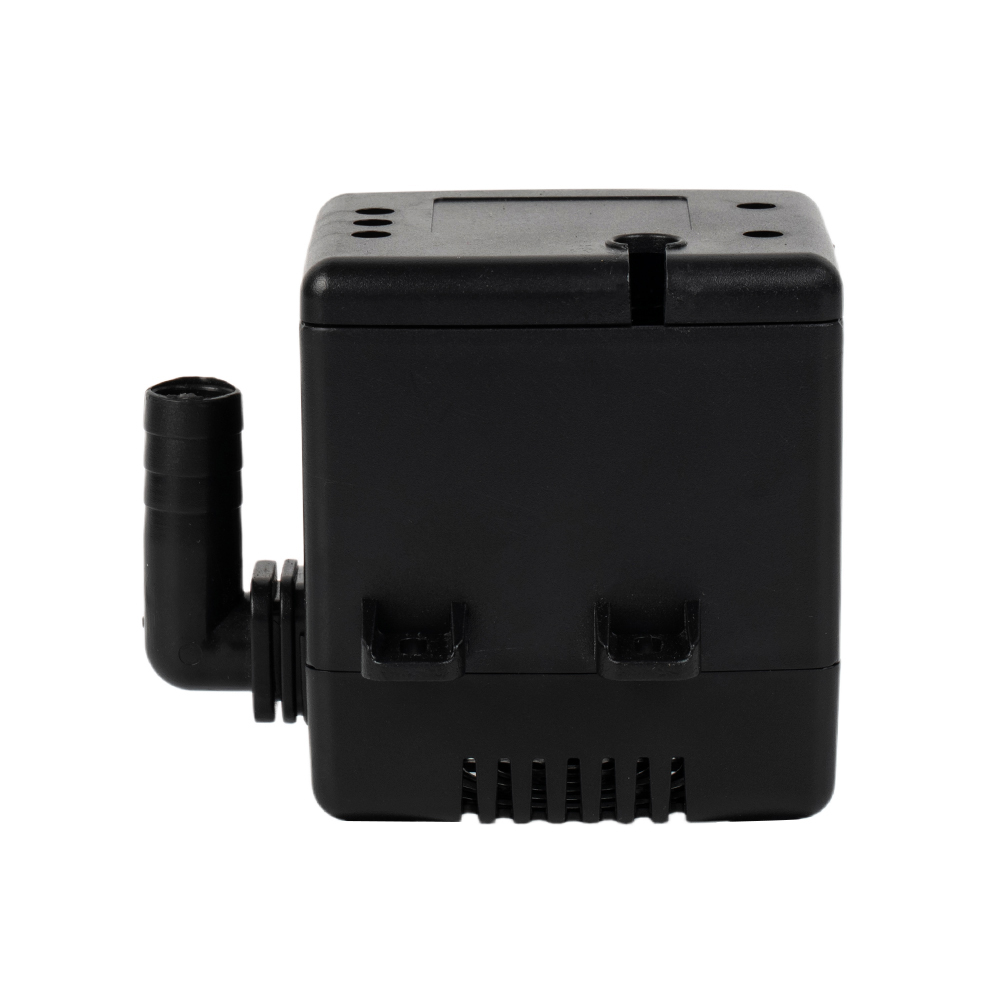
Applications: Water-cooled electrical equipment such as air coolers, air conditioners, misting fans, eco-friendly air conditioners, and mechanical coo...
See Details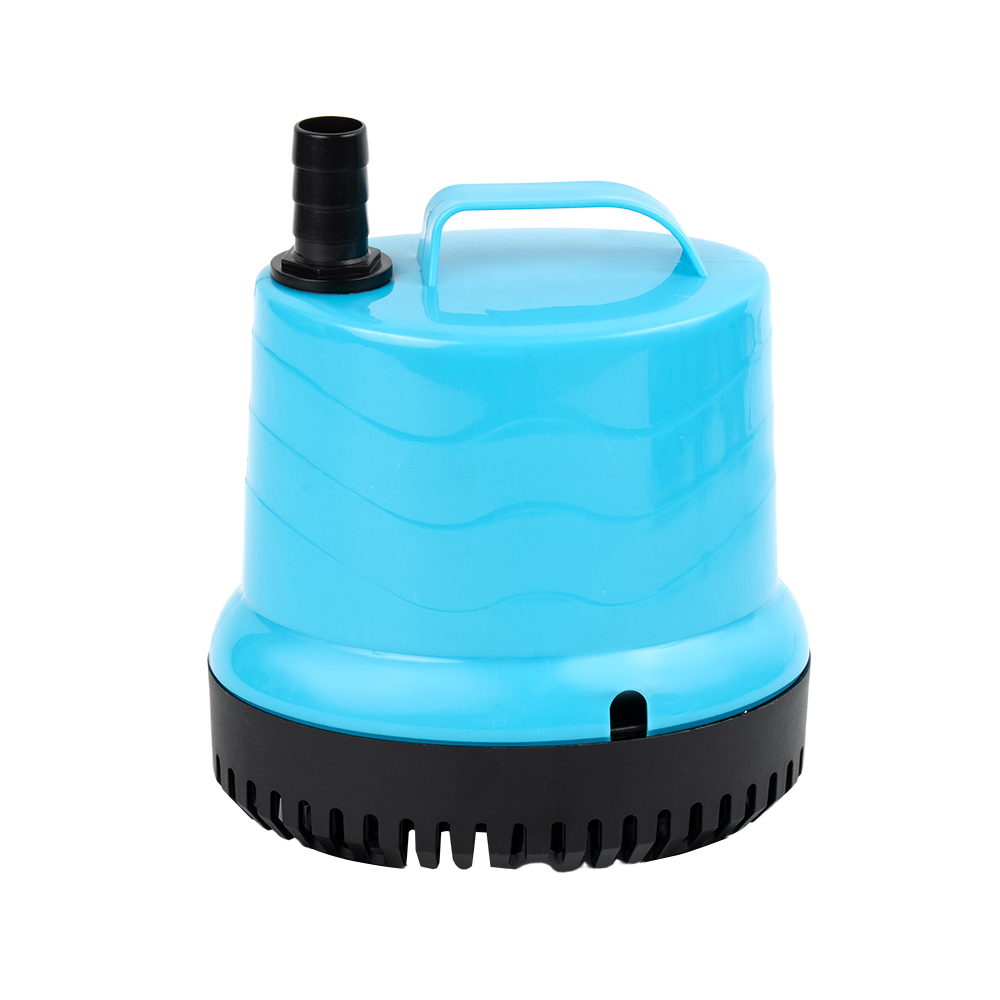
Applications: Fish tanks, fish ponds, top filters, etc. Available in 5 sizes. Features include: anti-dry-burning design, low-water-level operation, lo...
See Details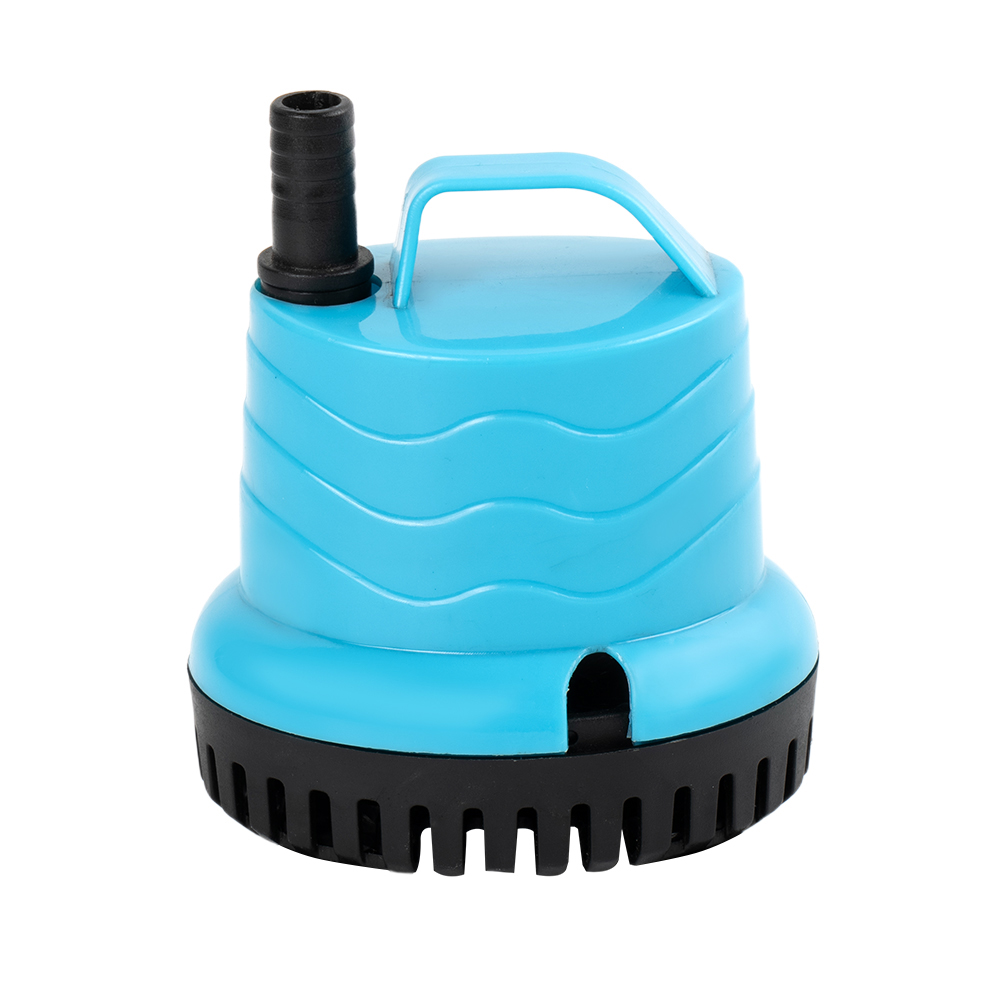
Application scenarios: Fish tanks, fish ponds, top filters, etc. Supports OEM/ODM and private labeling; voltage and frequency can be customized. Five ...
See Details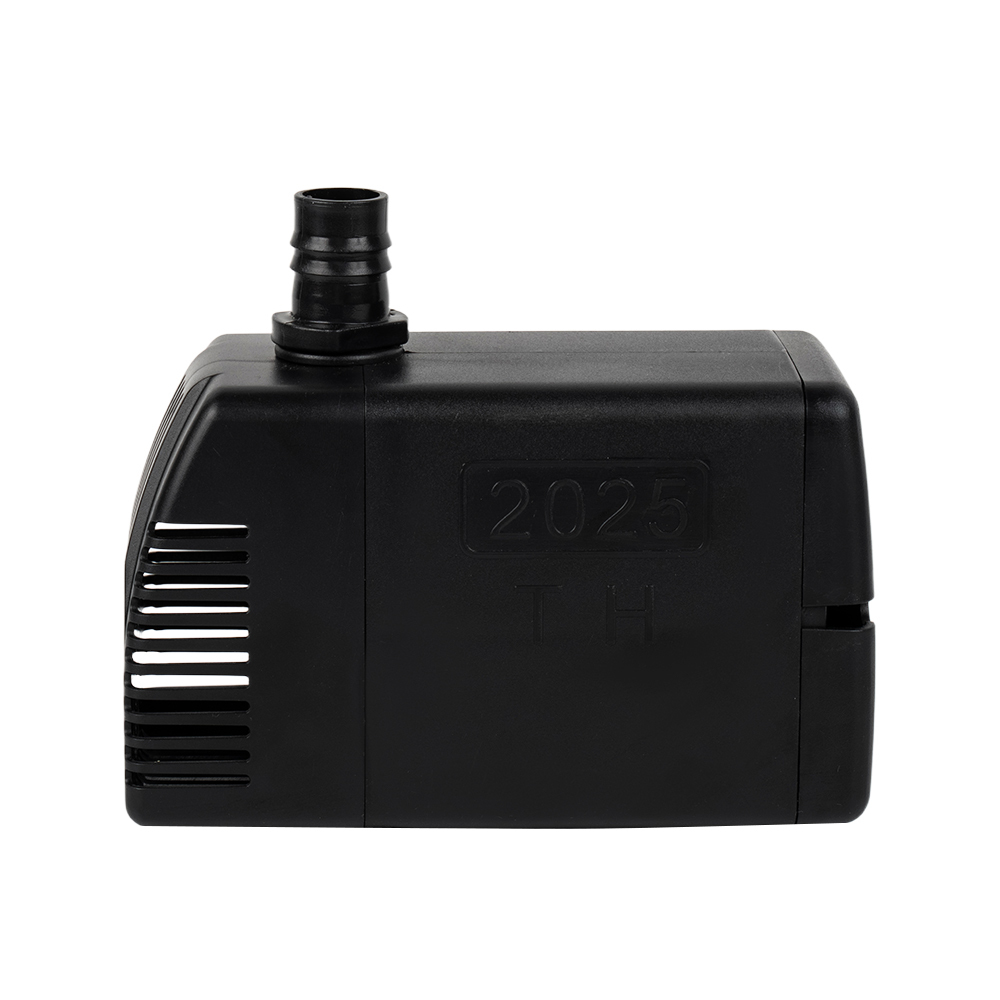
The DYH-80 High-Power 80W Resin Potting and Sealing Industrial Air Cooler Water Pump is a water pump designed specifically for industrial applications...
See Details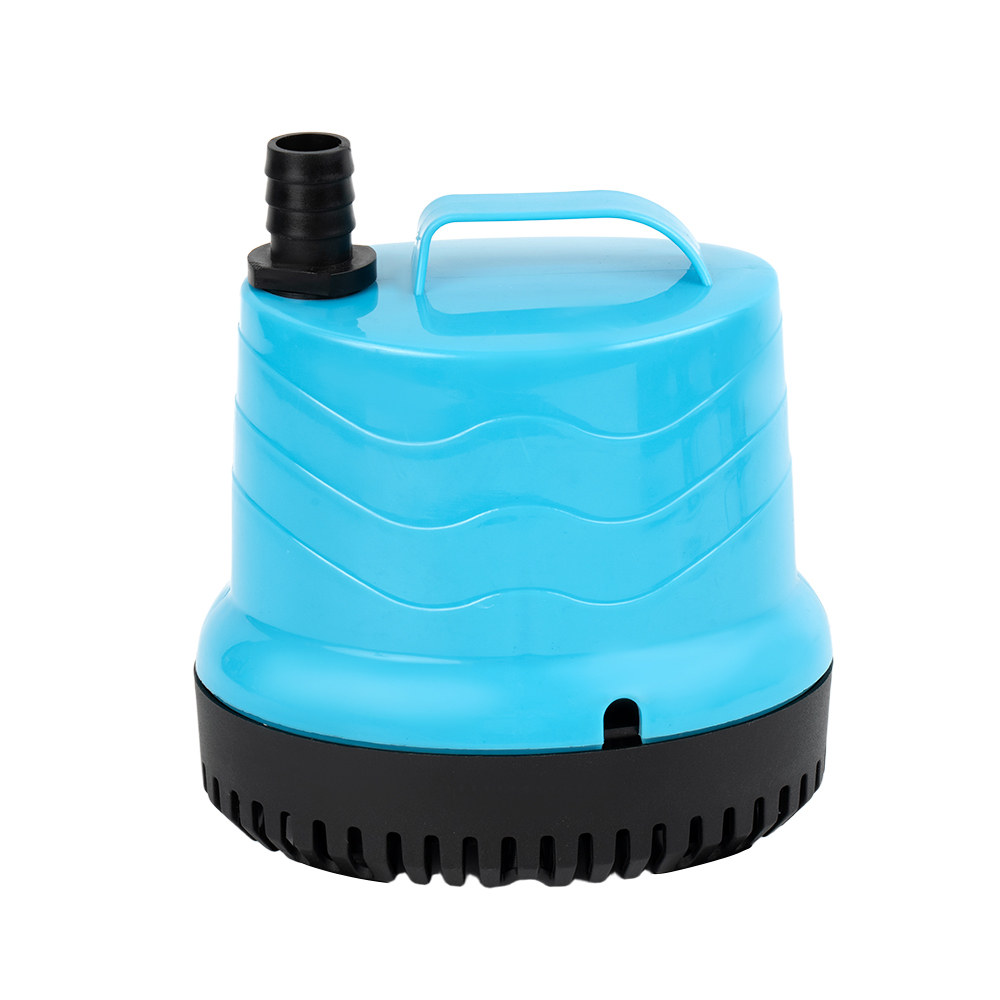
Key Highlights: High Power, Truly Portable The DYH-45 high-power portable aquarium water pump is a high-performance, multi-functional water treatment ...
See Details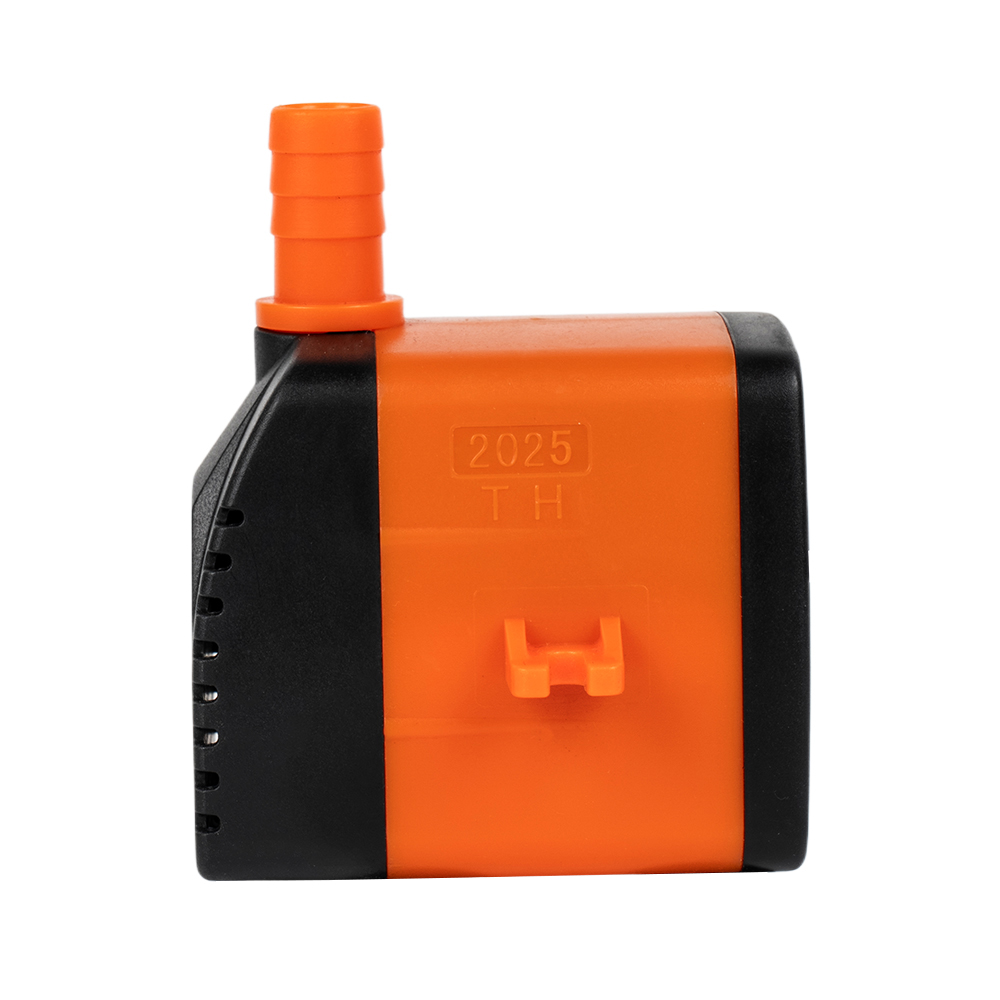
Factory direct supply, customization supported. Applications: Water-cooled electrical equipment such as evaporative air conditioners, air conditioners...
See DetailsContent
Introduction to Air Cooler Drain Pumps In the realm of sustainable and cost-effective climate contro...
READ MOREWhat is an Air Cooler Pump? Definition of an Air Cooler Pump An air cooler pump is an essential comp...
READ MOREIntroduction to Industrial Evaporative Cooling Pumps An industrial air cooler pump is the driving fo...
READ MORE


+86-13605859208
+86-13615854385
+86-15167555022

Copyright © Shengzhou Tianhao Aluminum Foundry Co., Ltd.
All Rights Reserved.
 Wholesale Evaporative Cooling Water Pump Manufacturers
Contact Us