 LANGUAGE
 中文简体
中文简体DYH-40 Customizable Industrial Air Cooler Water Pump
The DYH-40 customizable industrial air-cooled water pump is a high-efficiency pump designed specifically for industrial applications, widely used in a...
See Details [email protected]
 +86-575-83698898 / +86-13605859208 / +86-13615854385

EVAPORATIVE COOLING — PUMP ENGINEERING
The difference between a cooler that cools and one that just blows warm air is usually a pump specification read correctly — and matched to the unit it serves.
On a 46°C afternoon, the desert cooler hums beside the window, but the air moving through the room feels barely cooler than the heat outside. The pads are new, the fan belt is tight, the cabinet is sealed. The fault, more often than not, is the pump. A water pump that is too weak, too powerful, or wrongly sealed for the reservoir can undo every other component decision in the unit.
This guide explains the specifications that define a desert cooler water pump, what each number actually controls, and the details that separate a component you ship with confidence from one that comes back under warranty.
Evaporative coolers draw air through pads kept continuously wet. As water evaporates from the pad surface, it absorbs heat from the airstream. The pump is the only component that controls how wet those pads stay.
The conclusion is straightforward: undersize the pump and dry patches form on the pads, so warm air blows straight through untreated gaps. Oversize it and the pads saturate, droplets enter the airstream, mineral deposits build up, and the motor compartment becomes a corrosion problem. That is why we treat the pump as the sizing starting point of the entire water circulation layout, not as an accessory added at the end of the design.
A correctly specified pump makes the rest of the cooler look good; a poorly chosen one makes every other component look bad.
Every circulating pump for a desert cooler — regardless of brand or price — can be evaluated with the same six parameters. Read them together; any single number on its own will mislead you.
Power is the easiest number to find and the easiest to misinterpret. In the submersible cooler pump class, ratings run from 4W for tiny appliance pumps to 80W for industrial blower coolers. A 60W pump installed in a cooler designed around a 16W model will flood the distribution tray, waste electricity, and shorten motor life without adding a single degree of cooling. Match wattage to the reservoir volume and the wetting area of the pad, not to a "more is better" instinct.
Warning. A pump that is too powerful is as damaging to cooler performance as one that is too weak. Check the pad wetting specification before choosing wattage.
Flow rate and maximum head must be read as a pair. A pump that lists a free-flow of several hundred litres per hour can deliver far less when it has to push water up an 80cm distribution riser. The figure that matters is the flow at your actual working head. If the cooler cabinet is tall, choose a model with a higher head rating in the same power band, rather than a larger, thirstier pump.
The physical connection stops more replacement projects than any electrical fault. Compact pumps commonly use a 9mm barb; larger circulation designs use 12mm, 14mm, or interchangeable outlets that accept several hose sizes. Always measure the existing hose, connector, or quick-fit fitting before ordering. In hard-water regions, the inlet mesh size also matters: a finer filter protects the impeller from sediment without restricting flow too much.
Sealing is the reliability specification. Simple O-ring designs are vulnerable when the pump runs dry or cycles frequently in warm water. More robust pumps use resin potting that fully encapsulates the motor winding, or a resin-filled chamber designed for continuous immersion. When comparing two models with similar power figures, ask for the sealing method rather than comparing IP numbers; the IP code does not tell you what happens after the seal ages.
Wetted parts should tolerate slightly alkaline or chlorinated water for years. Fresh ABS plastic resists warping and stays smooth enough to clean easily, which is why it appears in most of the 16–25W cooler pumps we build. Mounting structure is equally practical: side-suction pumps sit low and quiet in the reservoir, bottom-suction pumps draw from the very lowest water level to extend runtime between refills, and foot-mounted designs keep the intake clear of settled particles.
| Specification | What it controls | Typical range |
|---|---|---|
| Power rating | Energy draw and wetting intensity | 4W–80W |
| Flow rate | Speed of pad rewetting | Model-dependent |
| Maximum head | Height the pump can push water | 0.8m–2.5m class |
| Outlet diameter | Hose and fitting compatibility | 9mm–16mm |
| Sealing method | Submersion reliability and dry-run survival | O-ring / resin-filled / encapsulated |
| Mounting type | Reservoir clearance and maintenance access | Side suction / bottom suction / foot |
Note. Some spec sheets quote free-flow rather than flow at working head. Always ask for the performance curve or the flow figure at the mounting height of your cooler.
Once the six specifications are clear, selection narrows quickly. Three cooler classes cover most installations.
Single-room coolers with pad areas below roughly 1.5m² sit comfortably in the 8–25W band. Compact personal coolers and spray fans use the 8W class, where portability and a small 9mm interface keep the unit light; cabinet coolers with an 80cm or taller water path are better served by 16W and 25W models with high head ratings. When replacing an original equipment pump, keep the same power band: the original manufacturer already balanced pad wetting, reservoir size, and electrical load, and changing the pump class changes all three.
Workshop coolers, greenhouse cooling walls, and large evaporative systems need far more wetting surface, and hence a 30–80W pump. These units run 12 to 16 hours a day through the hot season, so durability dominates the specification: reinforced ABS housings, anti-dry-running protection, and encapsulated motor windings. Servicing matters too — a pump that can be opened, cleaned, and reassembled without draining the entire system saves a full day of downtime. Our industrial air cooler pump guide covers selection and maintenance in greater detail.
Desert coolers operating in high humidity also generate condensate inside the cabinet. Removing it actively requires a small drain pump, usually around 30W, designed to push collected water through a discharge line. Its specification differs from a circulation pump: the priority is flow through a narrow outlet, a body low enough to sit inside a drip tray, and a quiet start. If your cooler design includes active drainage, specify both pumps together so the electrical and plumbing layouts match.
In warranty returns, the common failure is rarely "not enough power." It is dry running, scale clogging, or a cracked seal. Three design features eliminate most of those returns:
Danger. Running a submersible cooler pump dry, even for a few minutes, can melt the impeller and burn the motor winding. If your cooler lacks a low-water cut-off, fitting a pump with anti-dry-burn protection is the cheaper fix.
For cooler brands, a good spec sheet is only a starting point. Three additional checks separate a dependable pump partner from a component gamble.
Certification coverage. Exporting coolers to North America or Europe means the pump inside must carry the same compliance documentation as the finished appliance: CE for Europe, ETL or TÜV where required, RoHS for material restrictions, and an ISO 9001 quality system behind the factory. Verify that the certificates are current and cover the specific pump model, not just the factory.
Customisation capacity. A pump supplier that can adjust outlet diameters, lead length, voltage (AC/DC), and colour lets your cooler design evolve without being forced around a fixed catalogue part. The range of variants built on the same 22W or 45W platform — enclosed, basket, low-water, multi-colour — is a reliable indicator of how much customisation a factory can actually deliver.
Manufacturing depth. The quietest predictor of supplier quality is how much of the pump is produced in-house. Casting, injection moulding, winding, stamping, and final assembly under one roof shorten lead times and give the engineering team control when a cooler test exposes a casting weakness. A pump manufacturer that has controlled its own casting and machining since 1999 can respond to specification changes faster than a trading operation that resells imported designs.
What a good supplier relationship looks like: a pump that arrives within tolerance, with certificates that match the model, and an engineer on the other end who can discuss sealing methods instead of just price.
Desert cooler water pump selection comes down to six specifications read together: power matched to the pad area, flow checked at working head, the right outlet diameter, a sealing method that survives continuous immersion, materials that tolerate local water chemistry, and a mounting structure that keeps the intake clear. Match those to the cooler class — 8–25W for residential units, 30–80W for industrial banks, and a separate 30W drain pump for condensate. Then verify the reliability features that prevent field failures and confirm the supplier's certifications and manufacturing depth.
Specify the pump as carefully as you specify the fan. The fan is what people feel; the pump is what keeps them feeling it all summer.
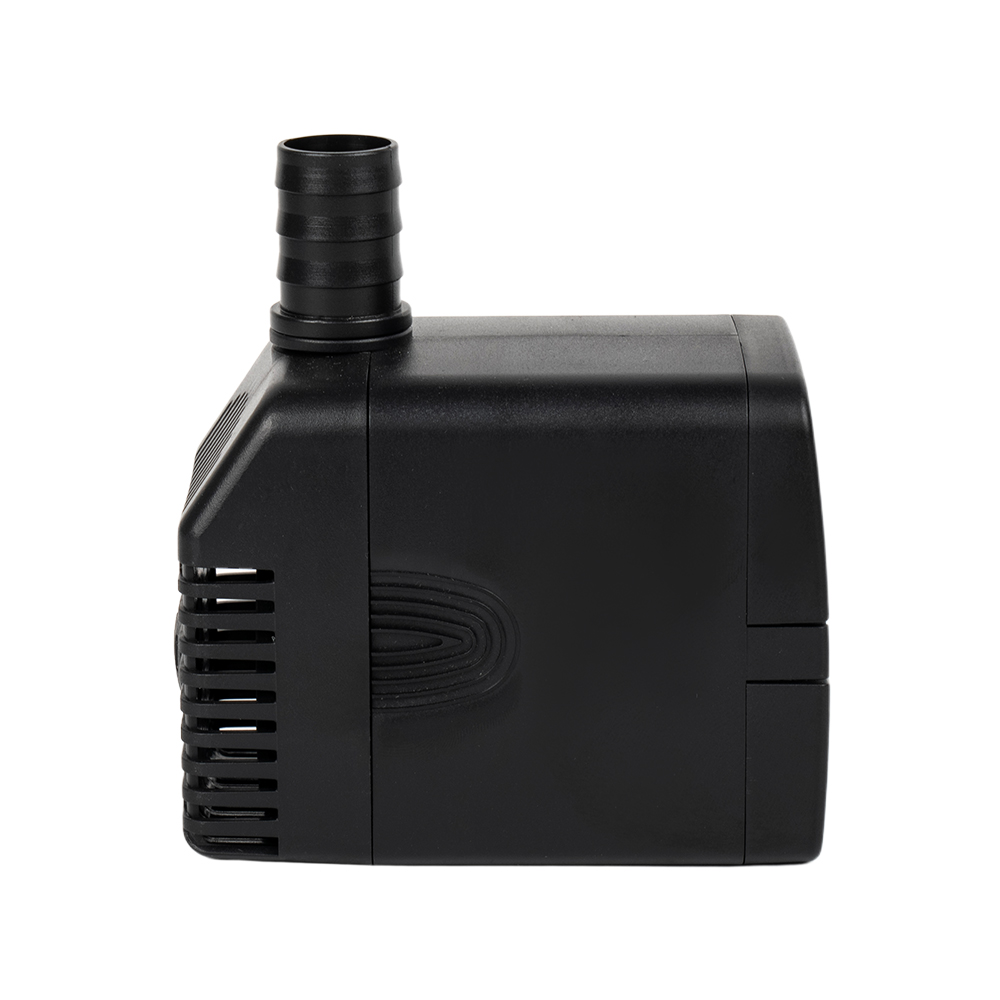
The DYH-40 customizable industrial air-cooled water pump is a high-efficiency pump designed specifically for industrial applications, widely used in a...
See Details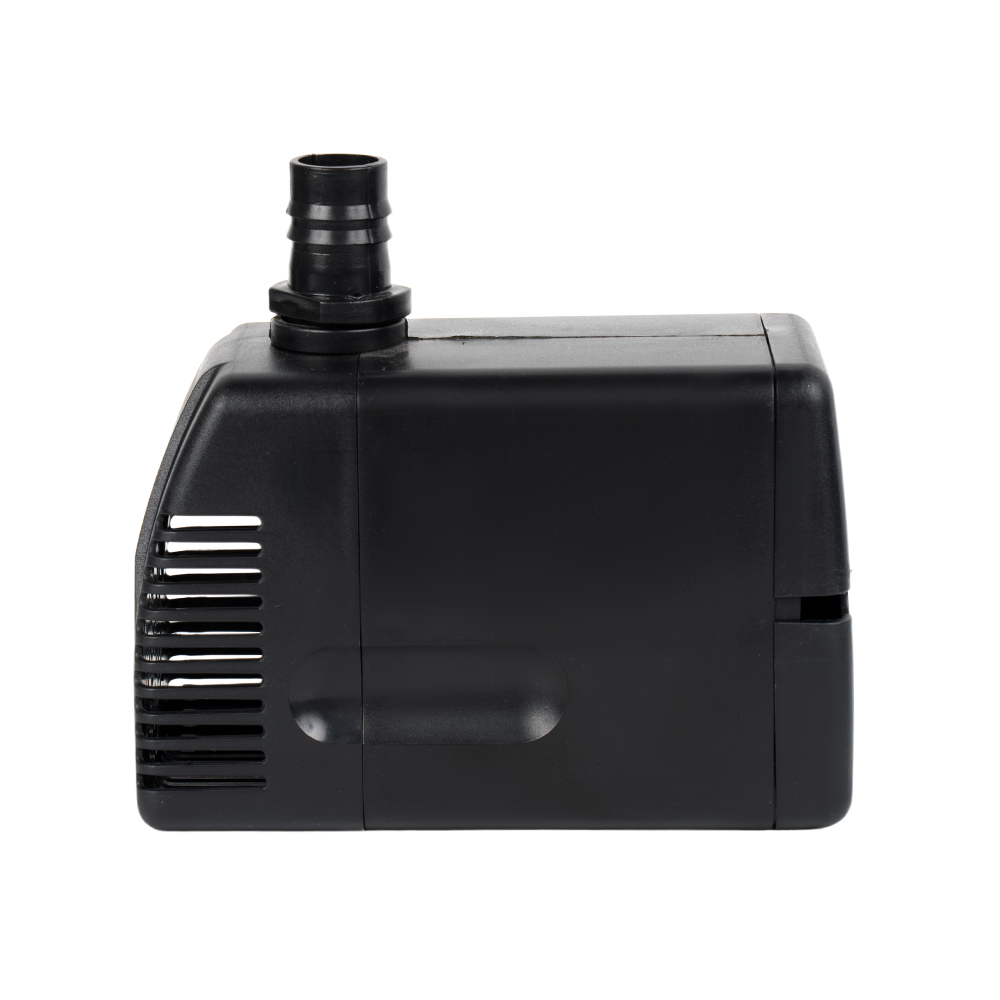
Product Applications: Suitable for industrial environmental air conditioning, mechanical equipment cooling, etc. Different outlet specifications can b...
See Details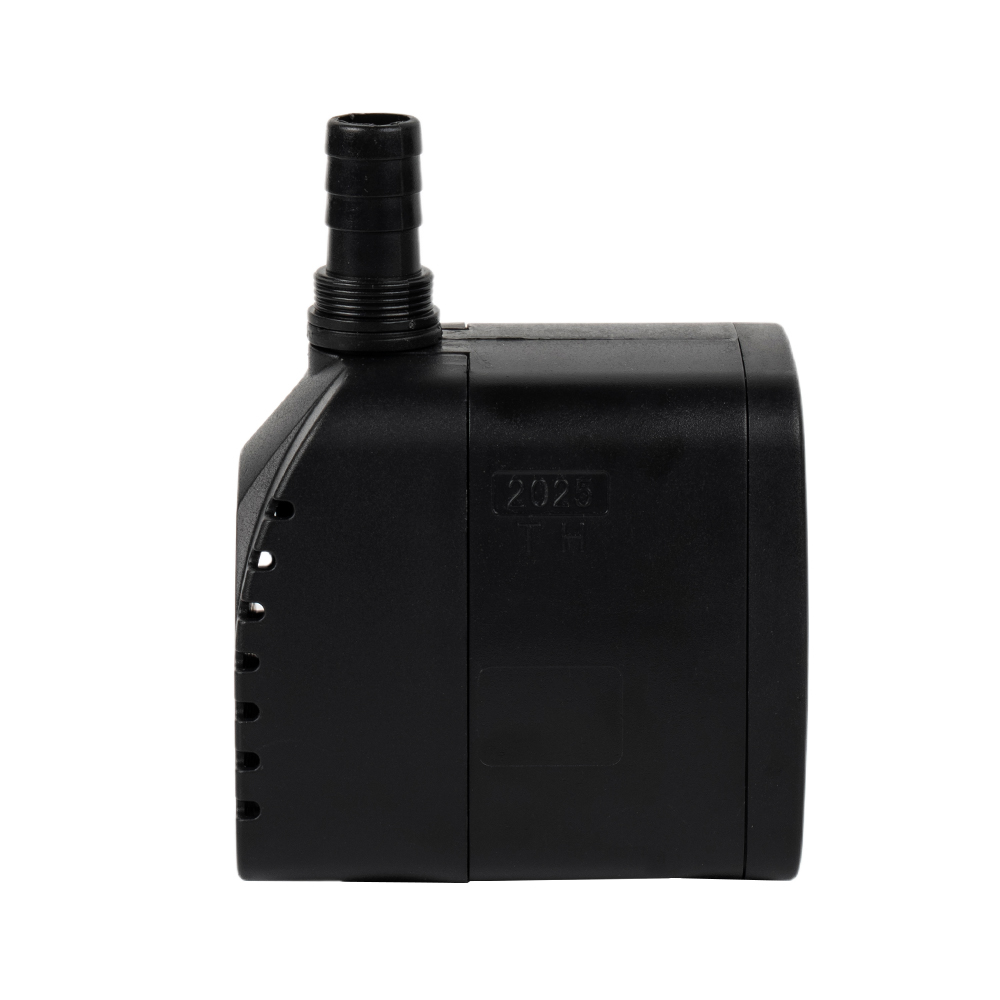
The DYH-25 is a high-performance water pump designed for a wide range of water circulation-based cooling applications. Its versatile and robust design...
See Details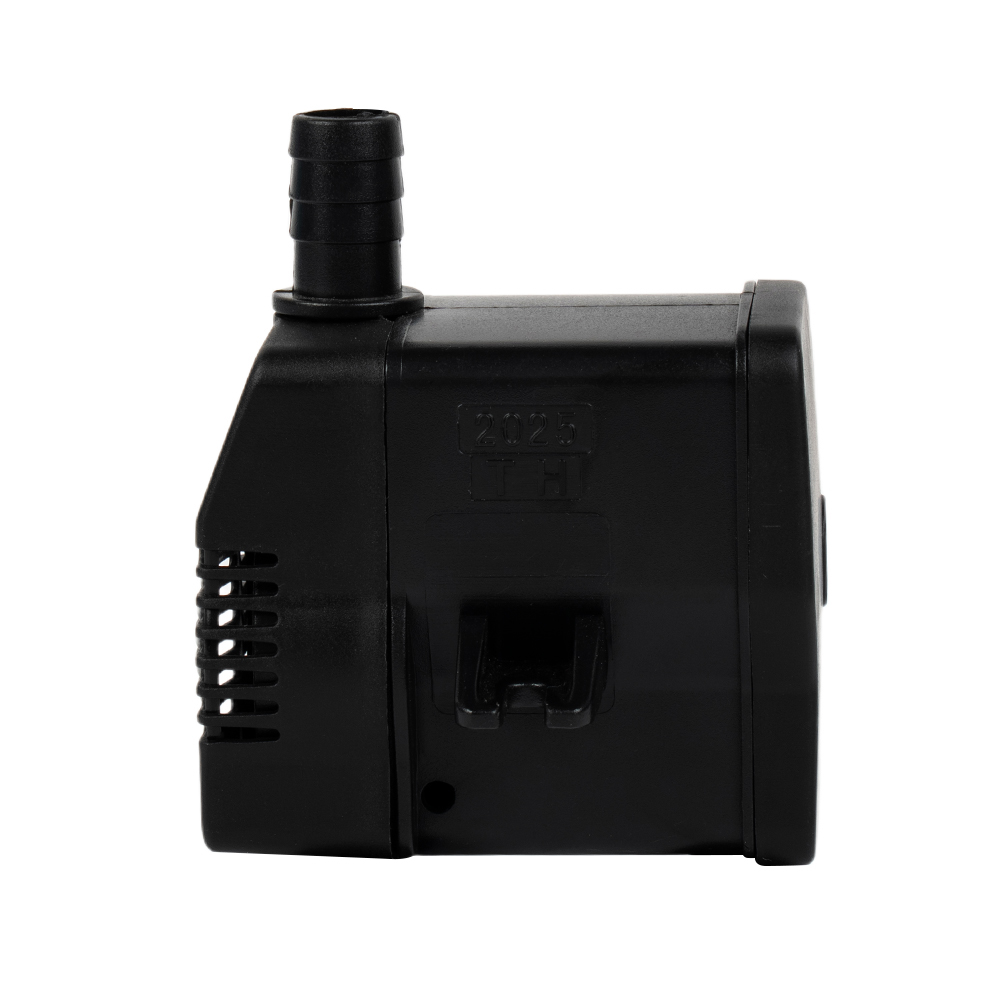
The DYH-18B Cooler Fan Water Pump is a high-performance, durable solution designed to enhance the efficiency of your cooling system. Made from brand-n...
See Details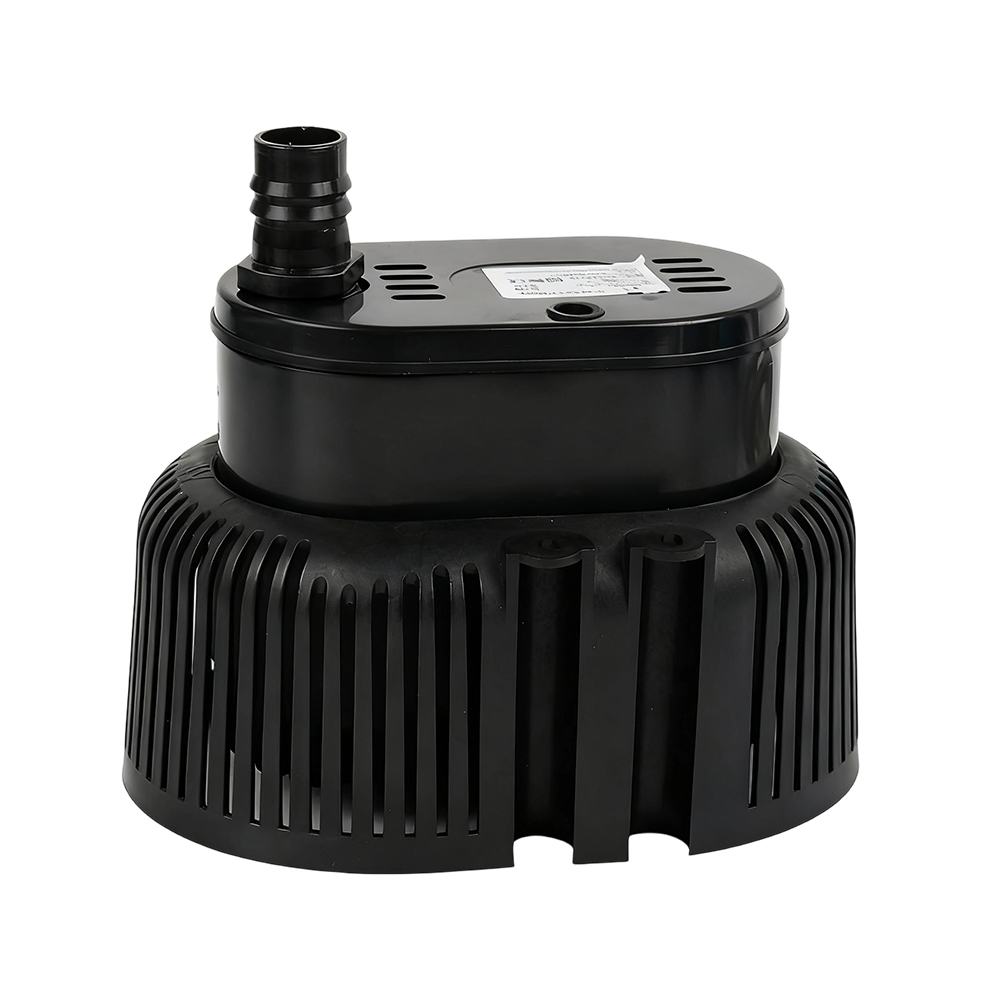
Factory direct supply, customization supported. Applications: Suitable for various scenarios, including industrial air conditioning, mechanical equipm...
See Details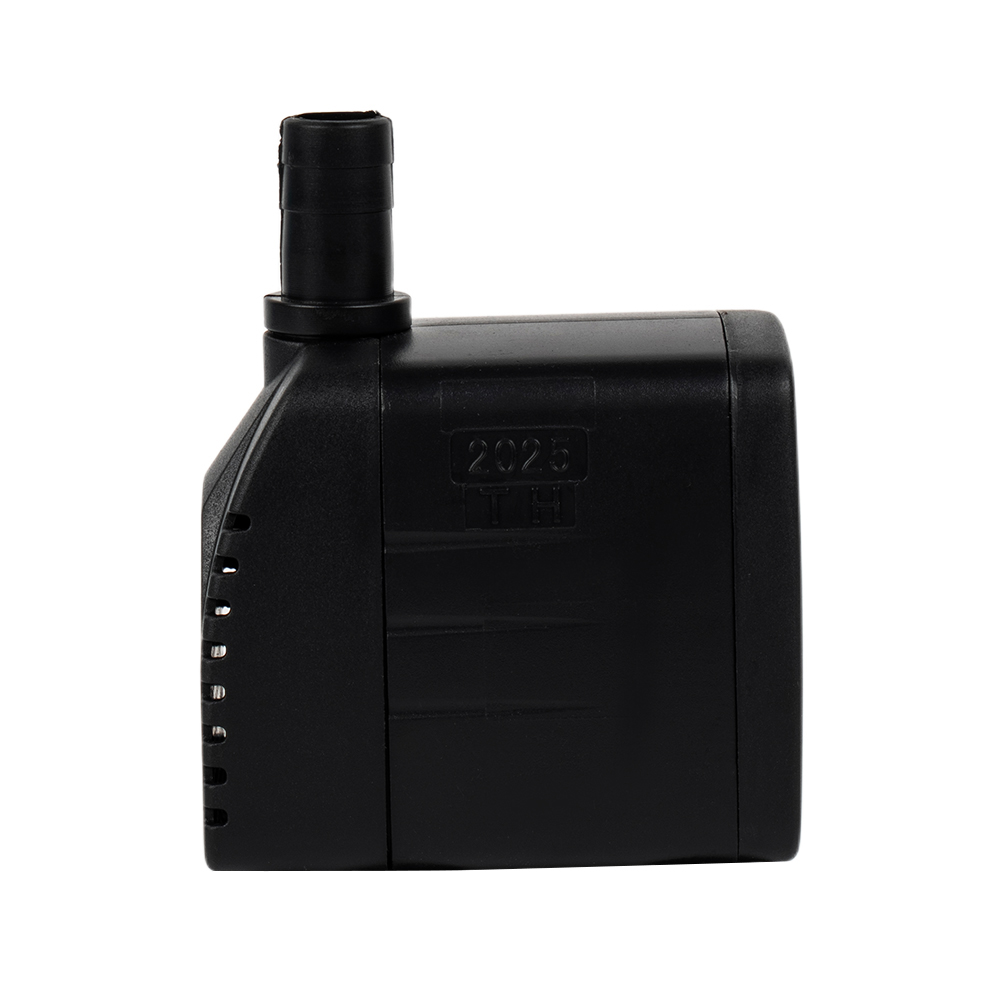
The DYH-16 16W Portable Cooling Fan and Water Pump is an innovative solution to beat the heat and enhance your comfort, whether at home, in the office...
See DetailsContent
Introduction to Air Cooler Drain Pumps In the realm of sustainable and cost-effective climate contro...
READ MOREWhat is an Air Cooler Pump? Definition of an Air Cooler Pump An air cooler pump is an essential comp...
READ MOREIntroduction to Industrial Evaporative Cooling Pumps An industrial air cooler pump is the driving fo...
READ MORE


+86-13605859208
+86-13615854385
+86-15167555022

Copyright © Shengzhou Tianhao Aluminum Foundry Co., Ltd.
All Rights Reserved.
 Wholesale Evaporative Cooling Water Pump Manufacturers
Contact Us