 LANGUAGE
 中文简体
中文简体DYH-25 Special Square Design with Feet, Cooling Fan and Water Pump
Applications: Water-cooled electrical equipment such as air coolers, air conditioners, misting fans, eco-friendly air conditioners, and mechanical coo...
See Details [email protected]
 +86-575-83698898 / +86-13605859208 / +86-13615854385

On a 34°C afternoon, an air conditioner may be too expensive for a workshop, too heavy for a rented room, or simply unavailable. An evaporative cooler can bring the temperature down by a few degrees using a fan, a wet pad, and a small water pump. This guide explains how to make an air cooler with a water pump — and more importantly, how to choose the right pump before you build anything.
An evaporative cooler works because the pump lifts water from a reservoir to the top of a cellulose cooling pad. The water trickles down through the pad evenly, and a fan pulls warm, dry air through the wet material. As the water evaporates, it absorbs heat and lowers the temperature of the moving air.
If the pump is too small, the pad dries out in patches and cooling nearly stops. If the pump is too large, water splashes over the edges, the motor creates unnecessary noise, and the unit wastes electricity. This is why the pump is the first component you should select, not an afterthought.
“Moving water is easy; moving the right amount of water to the right height, continuously, is the real task.”
Two specification numbers matter more than any other: flow rate, measured in litres per hour, and head, measured in metres of vertical lift. A pump rated at 300 L/h at zero head may deliver only 200 L/h through a distribution pipe placed one metre above the water surface. For a small cooler, target at least 150 L/h at the height you actually need.
| Cooler Size | Suggested Flow | Minimum Head | Typical Power | Features to Prioritize |
|---|---|---|---|---|
| Personal desk cooler | 150–300 L/h | 0.6–1.0 m | 5–8 W | Compact footprint, low noise |
| Bedroom-size cooler | 300–500 L/h | 1.0–1.8 m | 16–22 W | Removable inlet, easy cleaning |
| Large or industrial cooler | 500–1000 L/h | 1.5–3.0 m | 25–45 W | Anti-dry-burn, sealed motor |
For a personal desk cooler, a compact side-suction pump keeps the inlet above sediment and saves space inside the tank. The DYH8 series is a good starting point for this type of build.
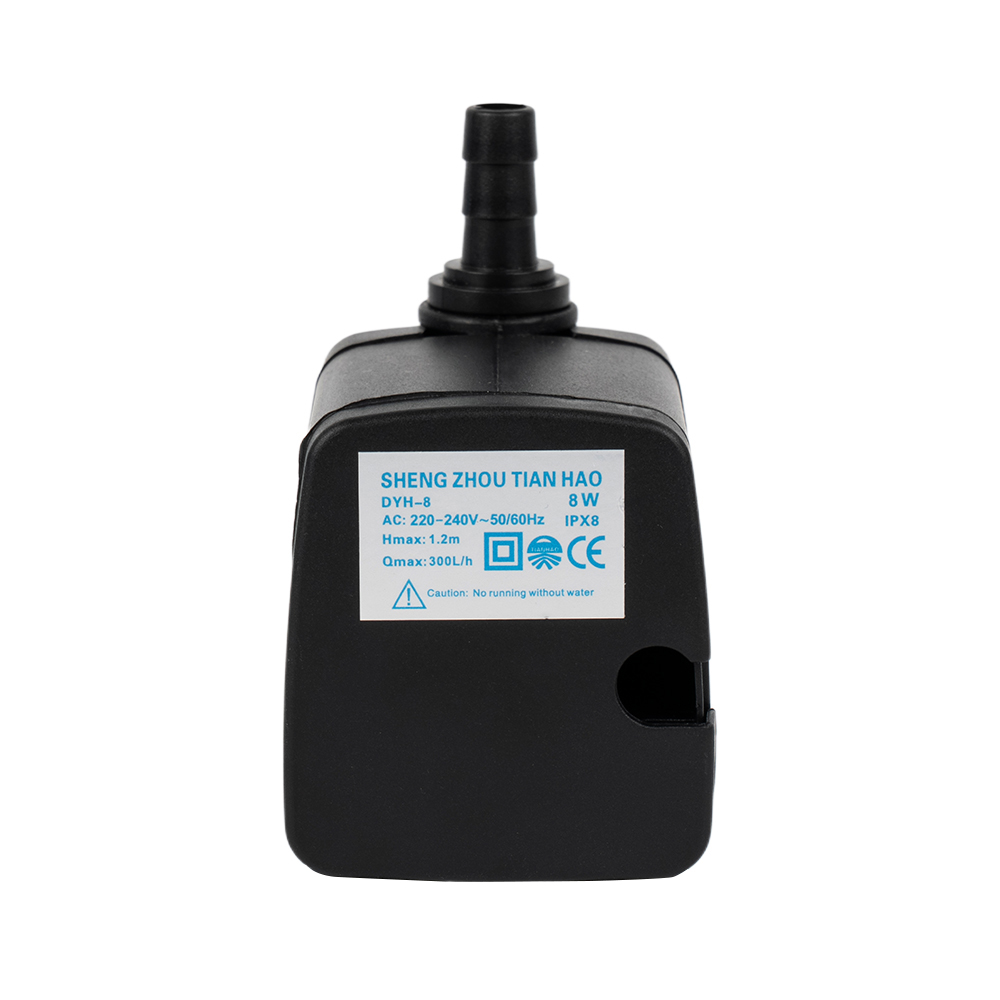 DYH8 Compact Side-Suction Cooling Fan Water PumpThis 8W pump with side-suction design suits personal desk coolers, keeping the inlet above sediment and saving space inside the tank. Multiple voltage options support various AC power setups.View Product →
Also consider the power source. Standard AC pumps plug into a wall outlet, while DC pumps are easier to use in solar-powered or battery-based portable coolers. Smaller builds can be powered with a 12V DC pump and a phone charger adapter if the current is within its rating.
Before you buy a higher-wattage model, understand the three numbers on the specification sheet: flow at rated head, maximum head, and outlet diameter. The maximum head tells you how high the pump can push water vertically, but flow drops sharply as the height approaches that limit.
Measure the distance from the water surface to the highest point of your distribution pipe. Add at least 20% to that value to choose a safe head rating. For example, a pipe placed 1.2 metres above the water level needs a pump with a head rating of at least 1.5 metres.
Outlet diameter is about resistance. A 9.5 mm outlet works well for a single distribution pad, while a larger outlet suits coolers with two or more water lines. Models with interchangeable outlet diameters let you switch between hose sizes without adapters.
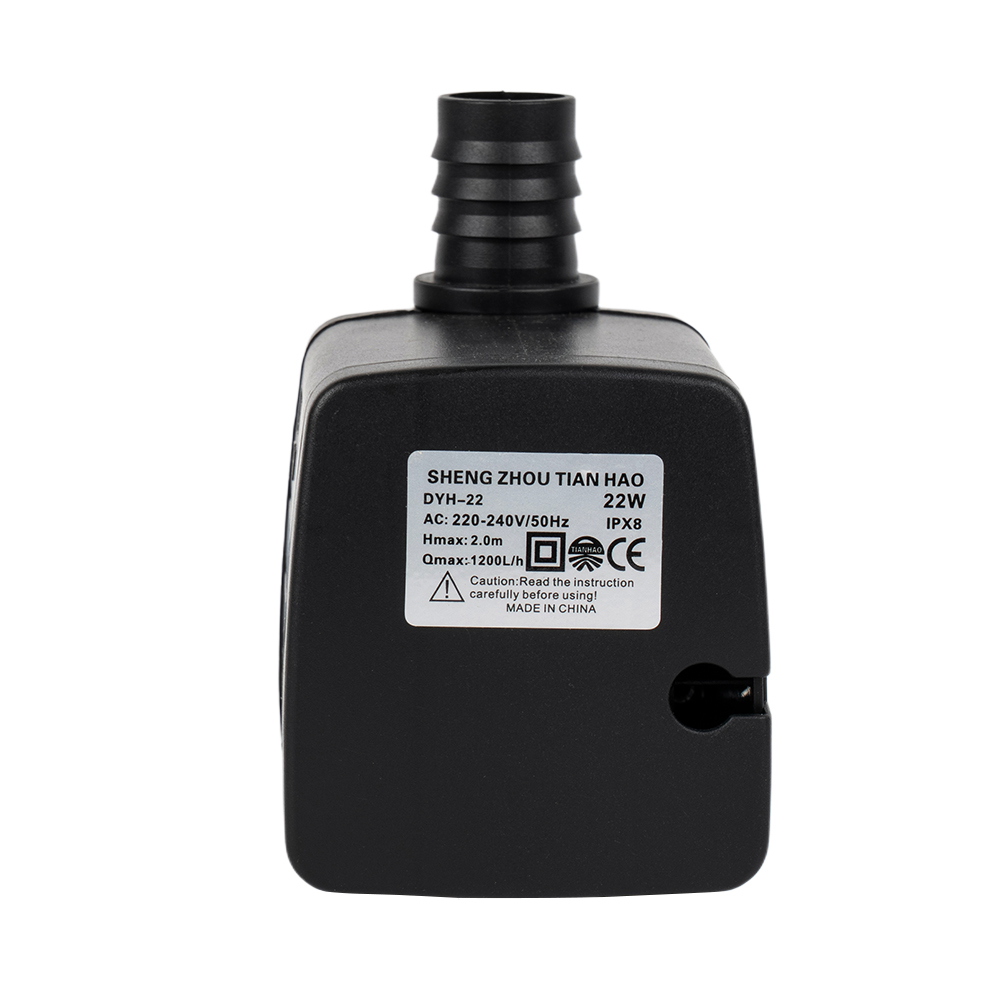 DYH22 High-Lift Cooler Pump with Interchangeable OutletsOffering four outlet nozzle sizes, this 22W pump adapts to single or multiple water distribution lines. Its high flow and head suit taller coolers where reliable circulation is essential.View Product →
For a taller cooler, choose a pump with a resin seal and low-water-level design so it keeps working even when the reservoir is shallow. A sealed motor also protects the windings from humidity inside the cabinet.
The distribution pipe is as important as the pump. A simple PVC pipe with small drilled holes works for most homemade coolers, but the hole spacing must match the pump flow.
A uniform wetting pattern is the difference between a cooler that feels dry and one that genuinely cools the air. Test the distribution with plain water before closing the cabinet.
Once the pump and pipe plan are ready, the assembly follows a simple order.
When the build is complete, cleaning will be easier if the pump inlet can be removed quickly. The DYH16 series is designed for that type of routine maintenance.
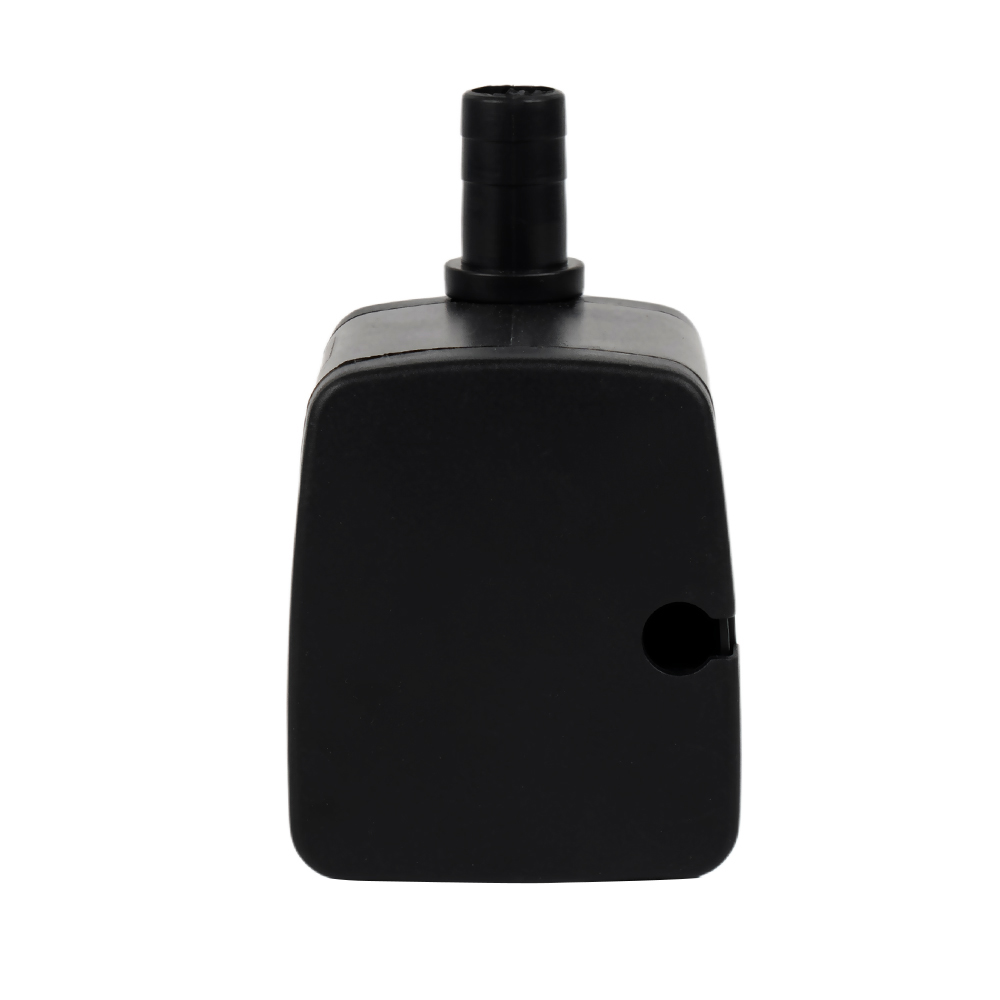 DYH16 Portable Easy-to-Clean Cooling Fan Water PumpA 16W pump with a detachable inlet for quick cleaning, ideal for routine maintenance in cooling builds. Delivers consistent water circulation for personal fans or small coolers.View Product →
Use a clear hose for the pump outlet so you can spot air bubbles and confirm water is moving after every start.
Most DIY cooler failures come from small planning errors, not broken parts. The list below covers the issues that cause the most repairable damage.
The same hydraulic logic that makes a homemade air cooler work also applies to commercial products, but production adds constraints: repeatable flow curves, corrosion-resistant materials, certification, and custom connectors. A supplier with in-house casting can adapt pump housings, outlet diameters, and mounting features much faster than a general import distributor.
Newer air cooler pumps use BLDC motors and anti-corrosion materials to reduce maintenance and improve efficiency. You can read more in our analysis of air cooler pump innovations. If you are choosing a platform for a product line, the full air cooler pump range provides a useful comparison of power, head, and mounting options.
Making an air cooler with a water pump is as much about pump selection as it is about the cabinet, pad, and fan. Start with the flow and head numbers, choose a sealed pump with a cleanable inlet, and build the frame around that choice.
For a DIY project, this approach gives you a cooler that runs quietly and reliably all afternoon. For a product development team, the same selection logic applies — with the added requirement of certification, long-running endurance, and supplier support for custom modifications.
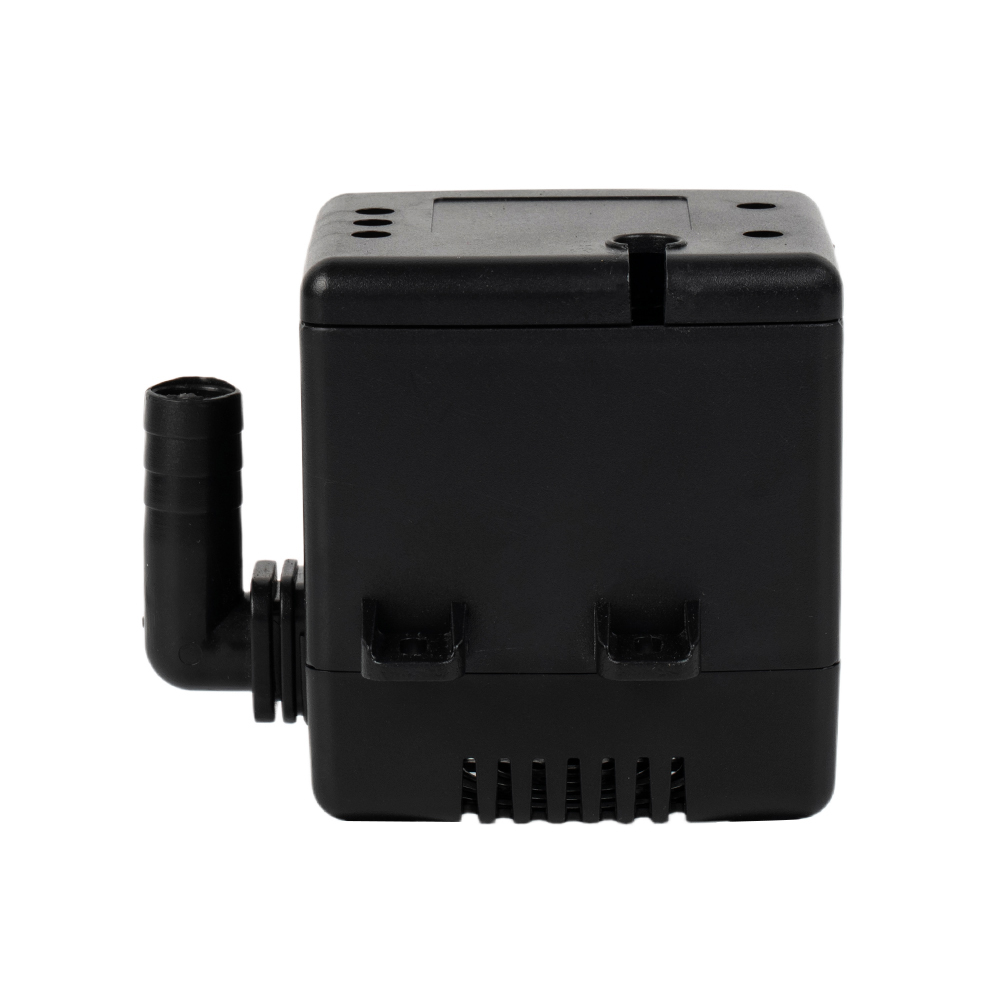
Applications: Water-cooled electrical equipment such as air coolers, air conditioners, misting fans, eco-friendly air conditioners, and mechanical coo...
See Details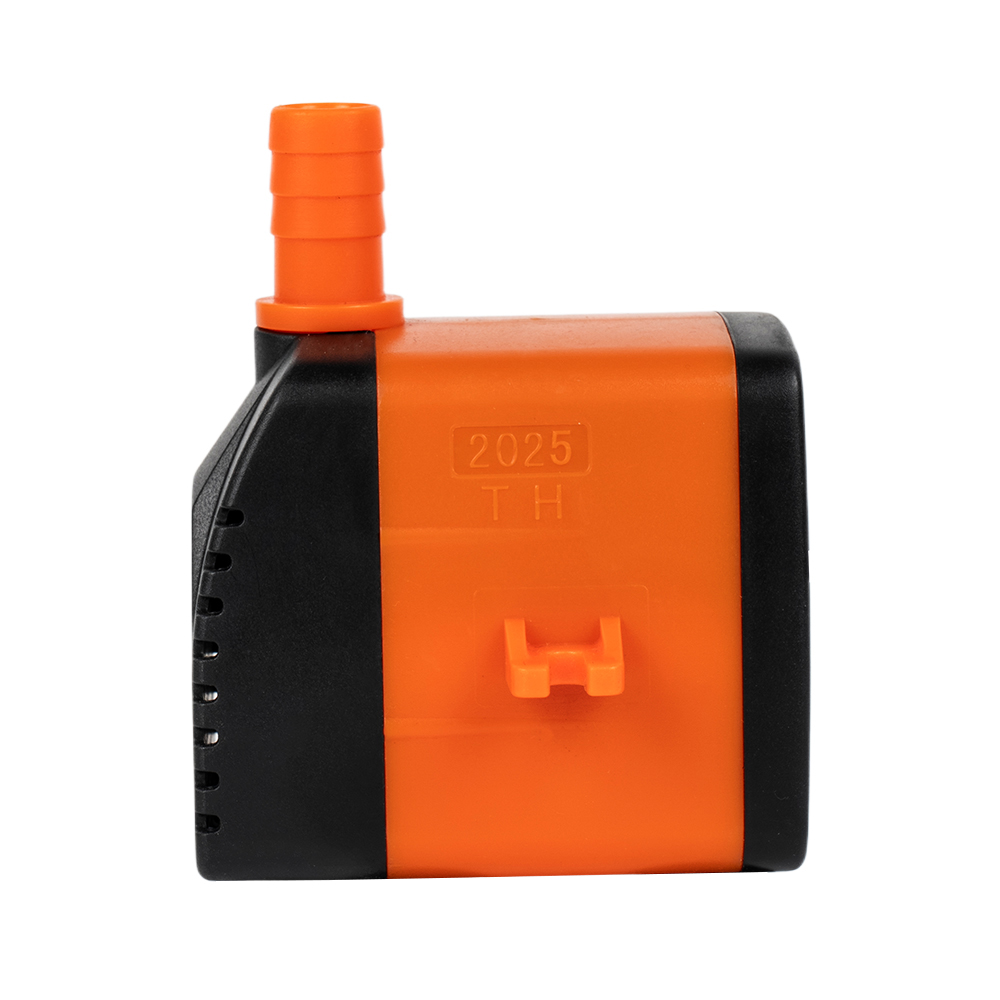
Factory direct supply, customization supported. Applications: Water-cooled electrical equipment such as evaporative air conditioners, air conditioners...
See Details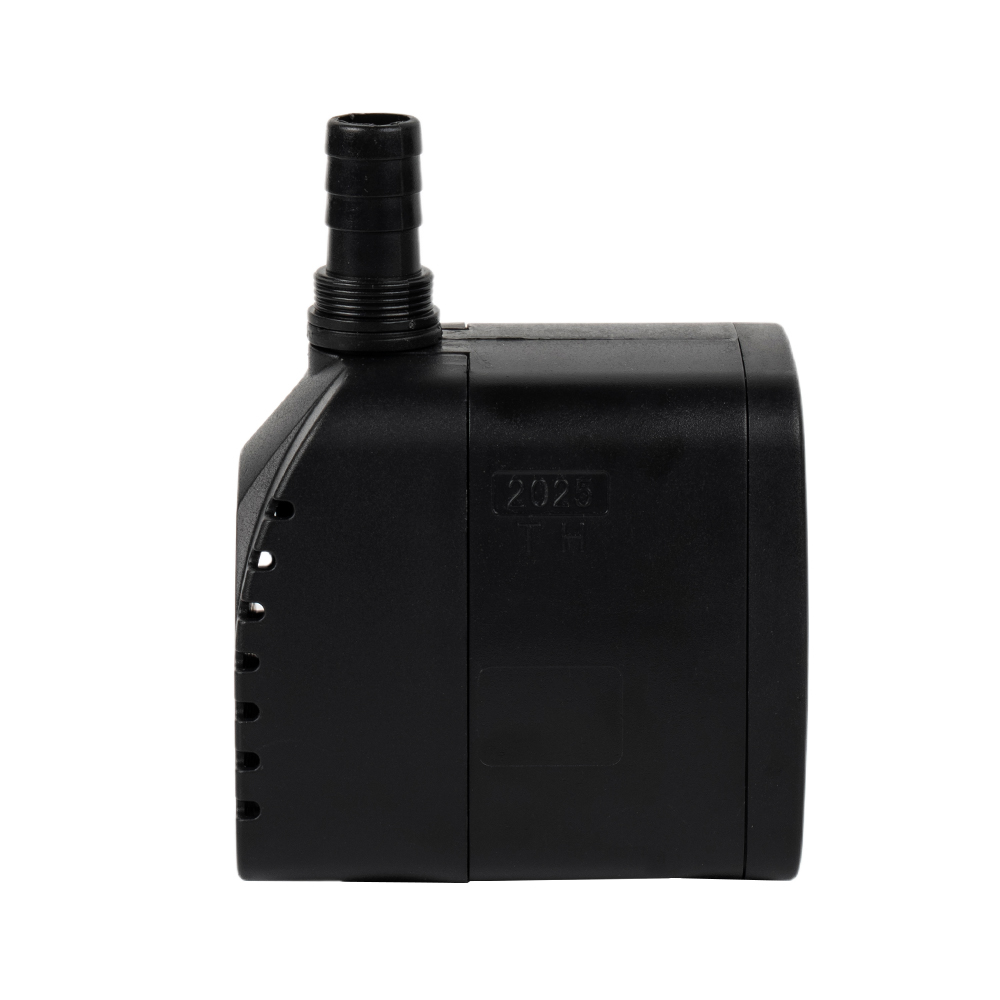
The DYH-25 is a high-performance water pump designed for a wide range of water circulation-based cooling applications. Its versatile and robust design...
See Details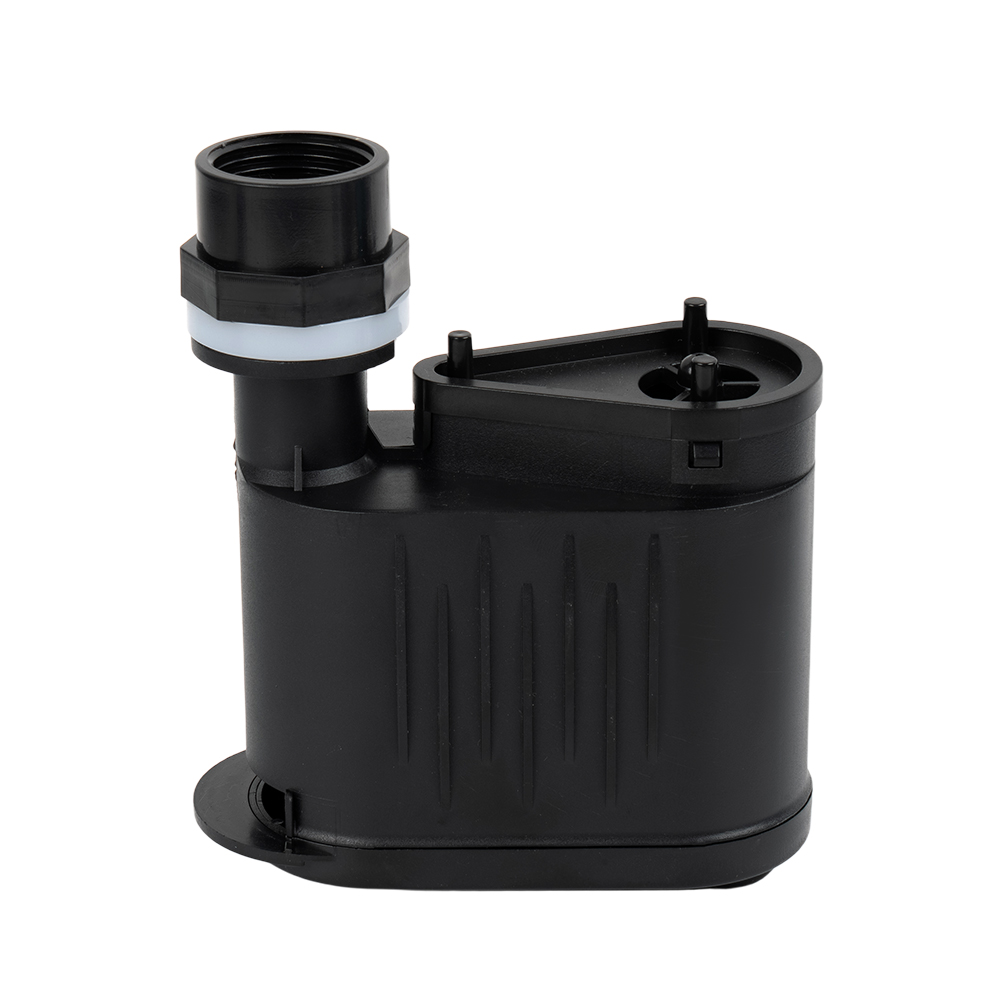
Factory direct supply, OEM/ODM supported, custom branding available. Suitable for a wide range of applications including air conditioning fans and oth...
See Details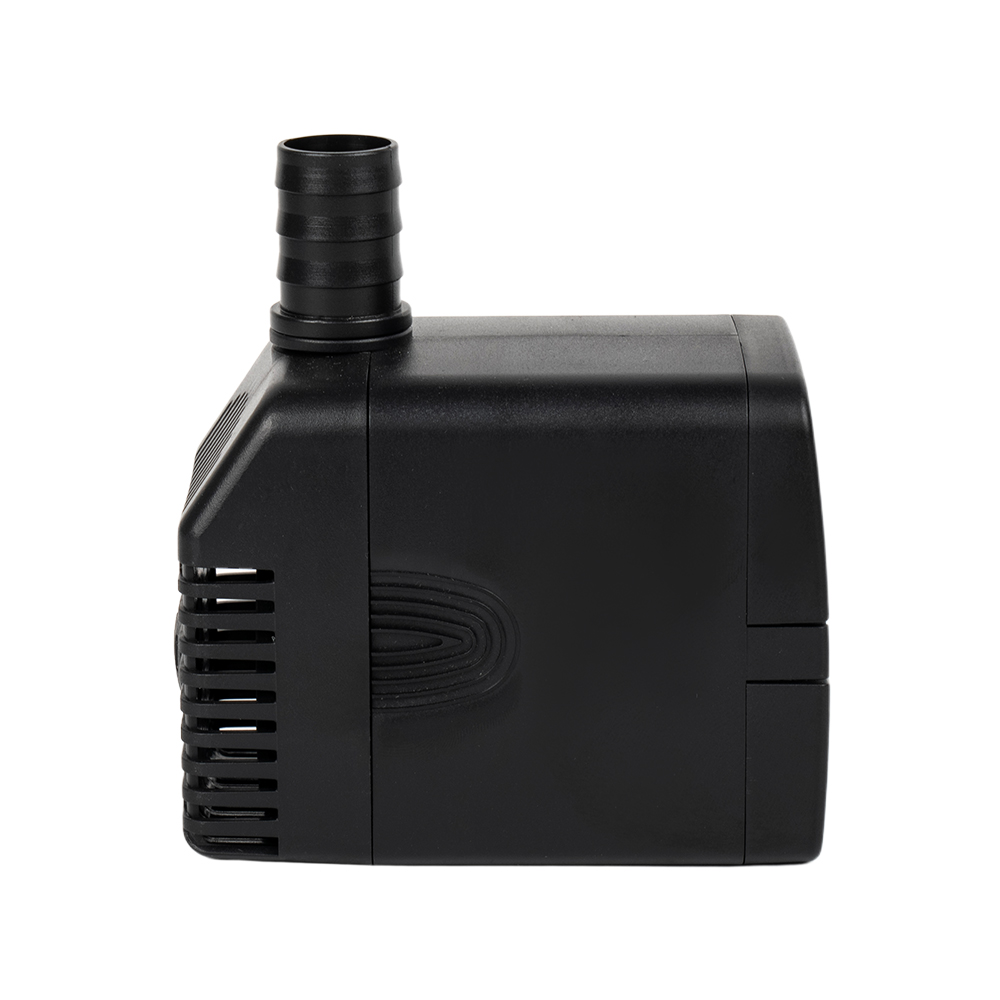
The DYH-40 customizable industrial air-cooled water pump is a high-efficiency pump designed specifically for industrial applications, widely used in a...
See Details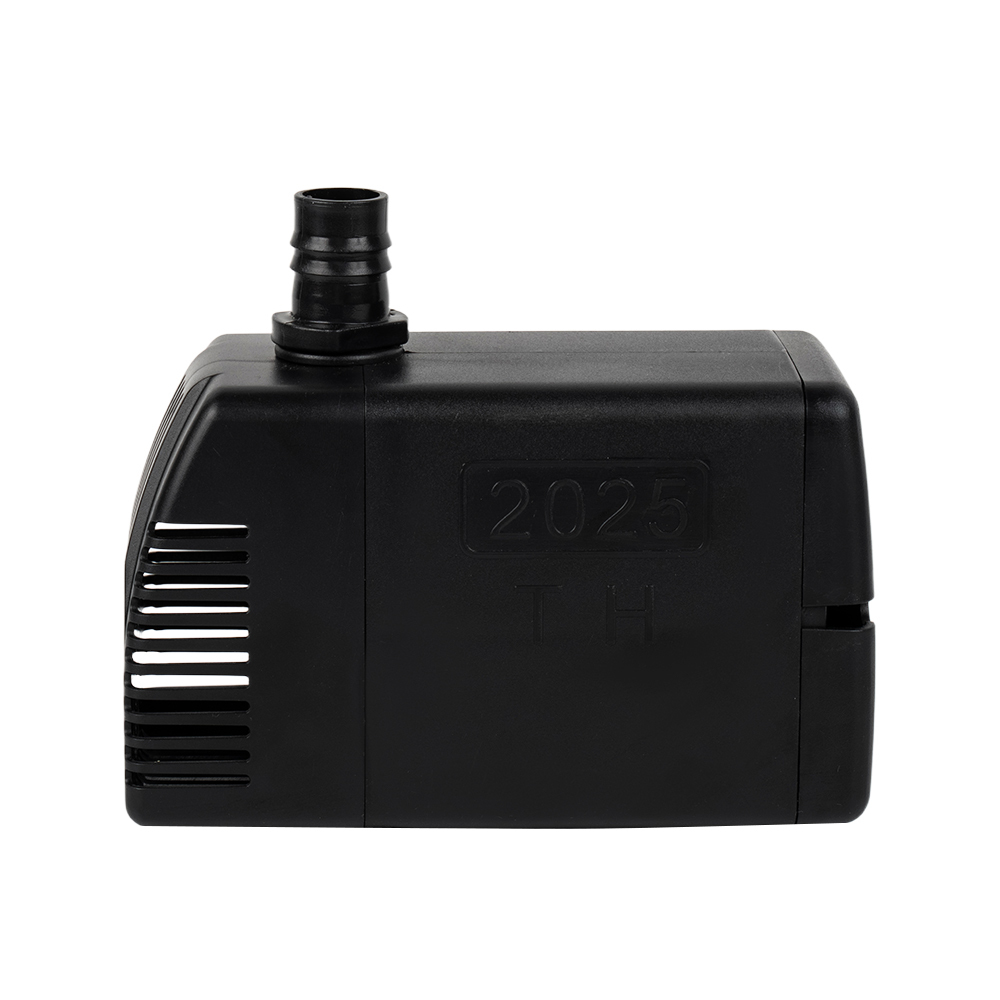
The DYH-80 High-Power 80W Resin Potting and Sealing Industrial Air Cooler Water Pump is a water pump designed specifically for industrial applications...
See DetailsContent
Introduction to Air Cooler Drain Pumps In the realm of sustainable and cost-effective climate contro...
READ MOREWhat is an Air Cooler Pump? Definition of an Air Cooler Pump An air cooler pump is an essential comp...
READ MOREIntroduction to Industrial Evaporative Cooling Pumps An industrial air cooler pump is the driving fo...
READ MORE


+86-13605859208
+86-13615854385
+86-15167555022

Copyright © Shengzhou Tianhao Aluminum Foundry Co., Ltd.
All Rights Reserved.
 Wholesale Evaporative Cooling Water Pump Manufacturers
Contact Us