 LANGUAGE
 中文简体
DYH-80 High-Power 80W Resin Potting and Sealing Industrial Air Cooler Water Pump
The DYH-80 High-Power 80W Resin Potting and Sealing Industrial Air Cooler Water Pump is a water pump designed specifically for industrial applications...
See Details [email protected]
 +86-575-83698898 / +86-13605859208 / +86-13615854385

At seven in the morning the cooler starts, and the cabinet fills with a rattle that sounds like gravel rolling inside a tin can. Twenty seconds later it fades into the ordinary hum of the fan, and the house cools down as if nothing had happened. That pattern, repeated every hot morning, is the most common swamp cooler water pump noise there is, and usually the pump itself is still healthy.
It helps to sort the sound into three families: hydraulic noise (water, air, and flow), mechanical contact (something touching something it should not), and wear or electrical failure (bushings, windings, a shaft that no longer spins true). Each family has its own signature and its own first move, and the first two rarely cost more than an hour and a fresh gasket.
Timing tells you more than volume. A rattle that disappears once water is moving is a different fault from a growl that never changes, no matter what you do to the water level.
| What you hear | What is usually happening | First move |
|---|---|---|
| Sharp rattle or gravel-like grind in the first 10 to 20 seconds | Impeller rubbing scale, or the pump body resting against the sheet-metal tank floor | Lift the pump, clean the intake screen, set it on a rubber pad |
| Slurping, gurgling, or a "last sip through a straw" sound | Water level has dropped below the intake port and the pump is drawing air | Top up the pan, then check the float valve shut-off height and the drain line |
| Rhythmic banging in the water line when the float valve closes | Water hammer: fast-moving water stopping suddenly in a loose or undersized line | Secure the line, remove kinks, reduce flow if the cooler allows |
| Steady hum with no water movement and a warm pump body | Seized impeller from dry running or a blocked intake | Switch off at once, clear the blockage, turn the shaft by hand |
| Whine that rises and falls with the flow | Cavitation from a partly blocked intake, or a pump pushed past its rated head | Backflush the intake and confirm the pump matches the cooler's lift |
If the noise changes when the water level changes, the problem is water. If it changes when you lift the pump off the floor, the problem is contact. If nothing changes it, the pump is finished.
An evaporative cooler is a machine that gets rid of water on purpose. Pads soak it up, dry air carries it away, and the pan level falls faster than most owners expect, especially when the drain cycle and the fill cycle overlap. As the level drops, the intake starts pulling air along with water.
Air is a poor lubricant. Once the impeller is chopping a water-and-air mix, the blades lose their cushion, the flow breaks into bubbles that collapse against the housing, and you get the gravel sound that sent you looking inside the cabinet. Nothing is broken yet, which is exactly why quick attention pays off.
Warning: five minutes of dry running can do more damage than a season of rattling. Water carries heat away from the shaft and seal; without it, the bushing and seal face overheat and the pump never runs quietly again.
Work through these checks in order:
For coolers that run through long, dry afternoons, a bottom-suction design with a low-water-level intake removes much of this noise at the source, because the intake keeps working cleanly as the level falls.
The second most common cause is dirt you cannot see from outside the tank. Pad fibers, dust, and calcium flakes collect in the intake screen, and mineral scale builds unevenly on the impeller until one side is heavier than the other. An unbalanced impeller rattles on every rotation, and no amount of tightening will fix it.
A cleaning routine that takes about ten minutes:
If the rattle returns within a week, cleaning is only treating the symptom. In hard-water regions it is worth choosing a pump whose intake and impeller housing come apart without tools, so scale never gets a chance to build up in the first place.
A perfectly healthy pump can still sound terrible when it touches the tank. Sheet metal amplifies vibration the way a drum skin does, so a pump foot resting against the wall or floor of a cooler can be louder than the blower. Setting the pump on a rubber pad or a suction-cup base, and keeping its body a finger-width away from the tank wall, is often the entire fix.
A different noise, a rhythmic knock, usually comes from the tubing. When a float valve snaps shut, water moving quickly through a kinked or undersized line stops suddenly and the energy travels back along the pipe. Straighten the run, clip it every 300 mm or so, and use the outlet diameter the pump was designed for instead of stepping it down to fit an old hose.
Drain lines deserve the same attention. Gurgling at the drain is air being pulled into the hose, and it disappears when the line falls continuously to the outlet with no low spots where water can pool. The air cooler drain pump installation and maintenance guide walks through that layout in detail.
Some sounds do not respond to anything. A continuous growl that stays identical at every water level, a pump body that is hot to the touch, visible side-to-side play in the shaft, or a hum with no rotation at all point to worn bushings, a distorted impeller, or winding damage from an earlier dry run.
Sealed micro pumps are not built to be rebuilt. The bushing is pressed into the housing, and once the seal face is scored the unit will always be noisy. Replacement is cheaper than repair.
When you buy that replacement, look beyond wattage and price:
Most noisy replacements are simply the wrong size. A pump chosen for maximum flow gets pushed close to its head limit, and pumps running near the limit hum, cavitate, and run warm. Match the pump to the lift you actually have, then leave margin.
Info: head and flow are a pair. A pump rated at 1.5 m of maximum head may deliver almost nothing at 1.4 m. Measure vertical lift plus tubing friction, then pick a model that reaches that height in the middle of its curve rather than at the very top.
Buyers who specify pumps by the thousand weight the same factors differently. Batch-to-batch consistency, certification coverage such as ETL, TÜV, CETL, RoHS, CB, CE, and CQC, and a factory willing to adjust intake geometry or outlet size for a specific cabinet all matter more than a datasheet headline. Suppliers like Tianhao, an OEM pump manufacturer in Zhejiang, build air cooler, drain, bottom-suction, and appliance pumps from 4 W to 80 W for small appliance brands, which is the profile to look for when a noise problem turns out to be structural rather than a single worn unit.
Work the list in order and the diagnosis usually takes one afternoon. Ask whether the noise stops when the water rises, whether it stops when the pump is lifted off the tank floor, and whether it stops after a proper descaling. A yes to any of those three means you have found the cause without buying anything.
A no to all three means the pump has earned its retirement. Replace it with one sized for the lift you actually have, sealed against the water it works in, and easy to open when next summer's scale arrives.
Success: a quiet cooler usually needs three small habits, not a new pump — keep the pan above the intake, keep the impeller free of scale, and keep the pump body off the metal.
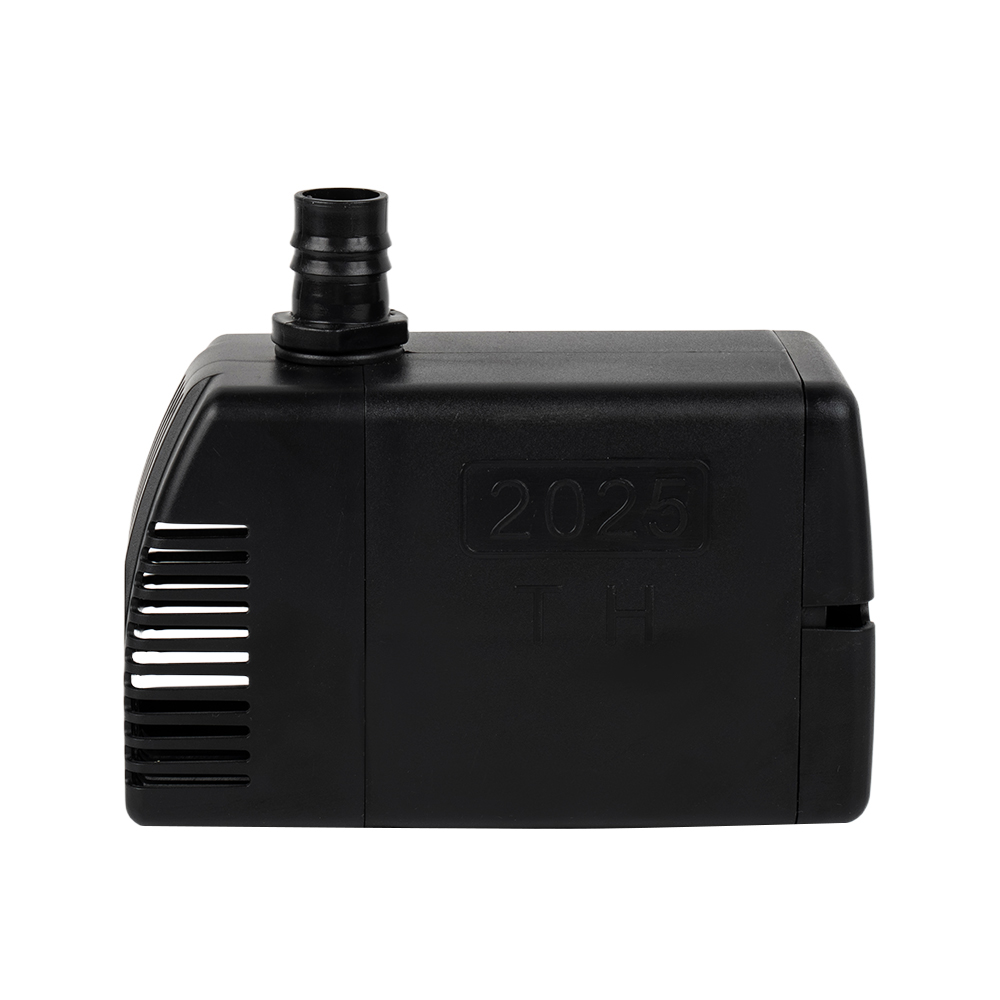
The DYH-80 High-Power 80W Resin Potting and Sealing Industrial Air Cooler Water Pump is a water pump designed specifically for industrial applications...
See Details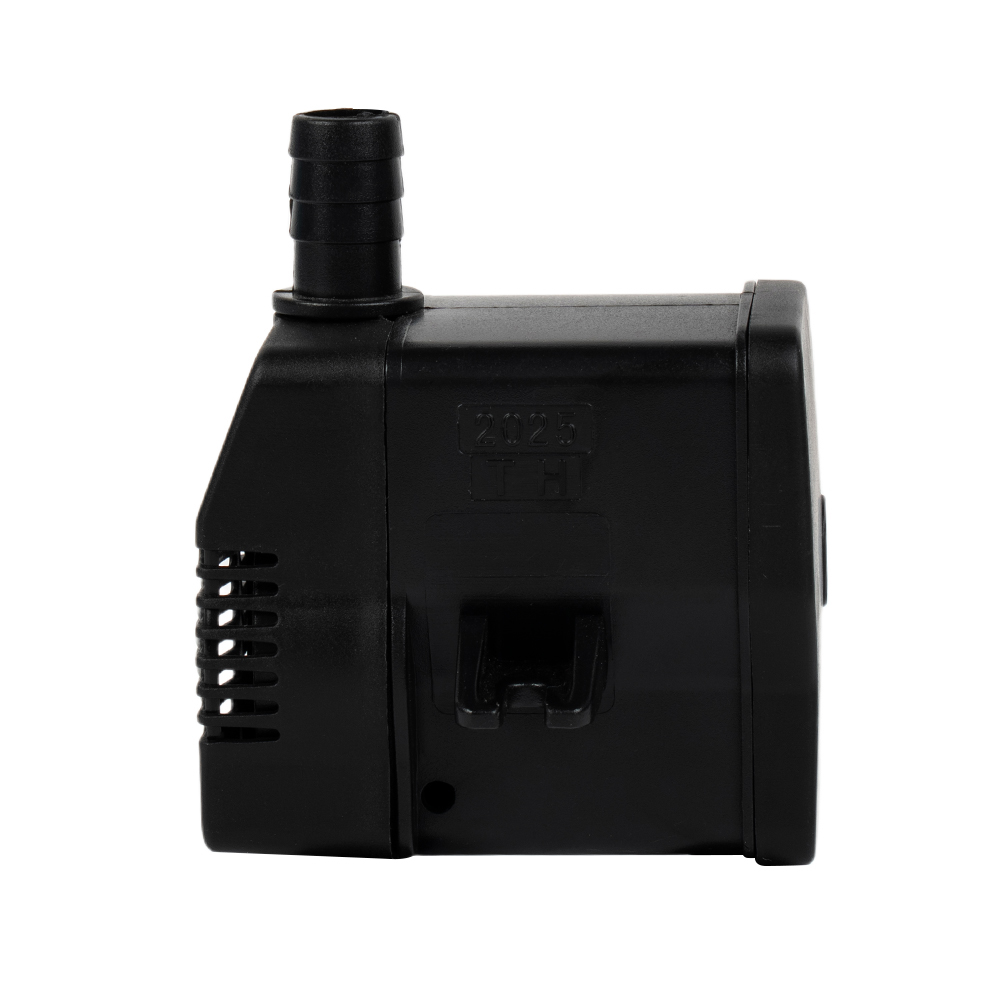
The DYH-18B Cooler Fan Water Pump is a high-performance, durable solution designed to enhance the efficiency of your cooling system. Made from brand-n...
See Details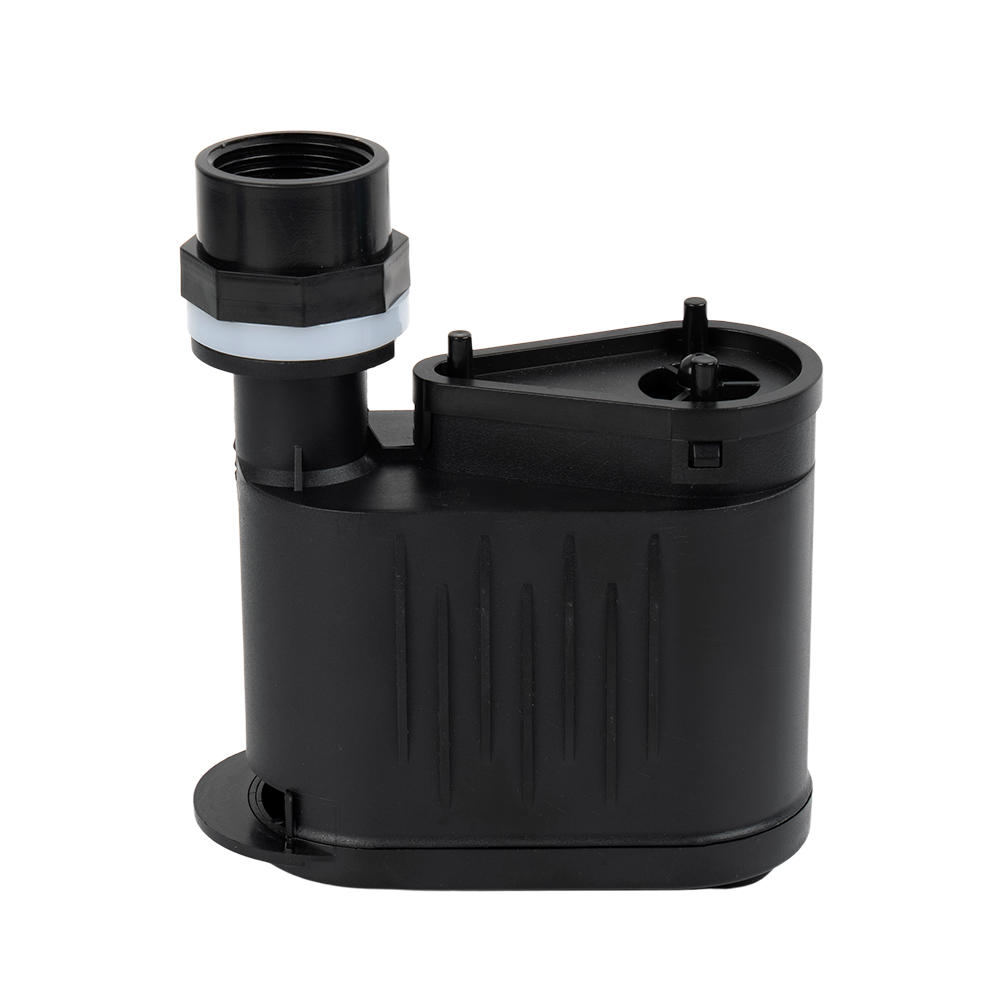
Factory direct supply, OEM/ODM supported, custom branding available. Suitable for a wide range of applications including air conditioning fans and oth...
See Details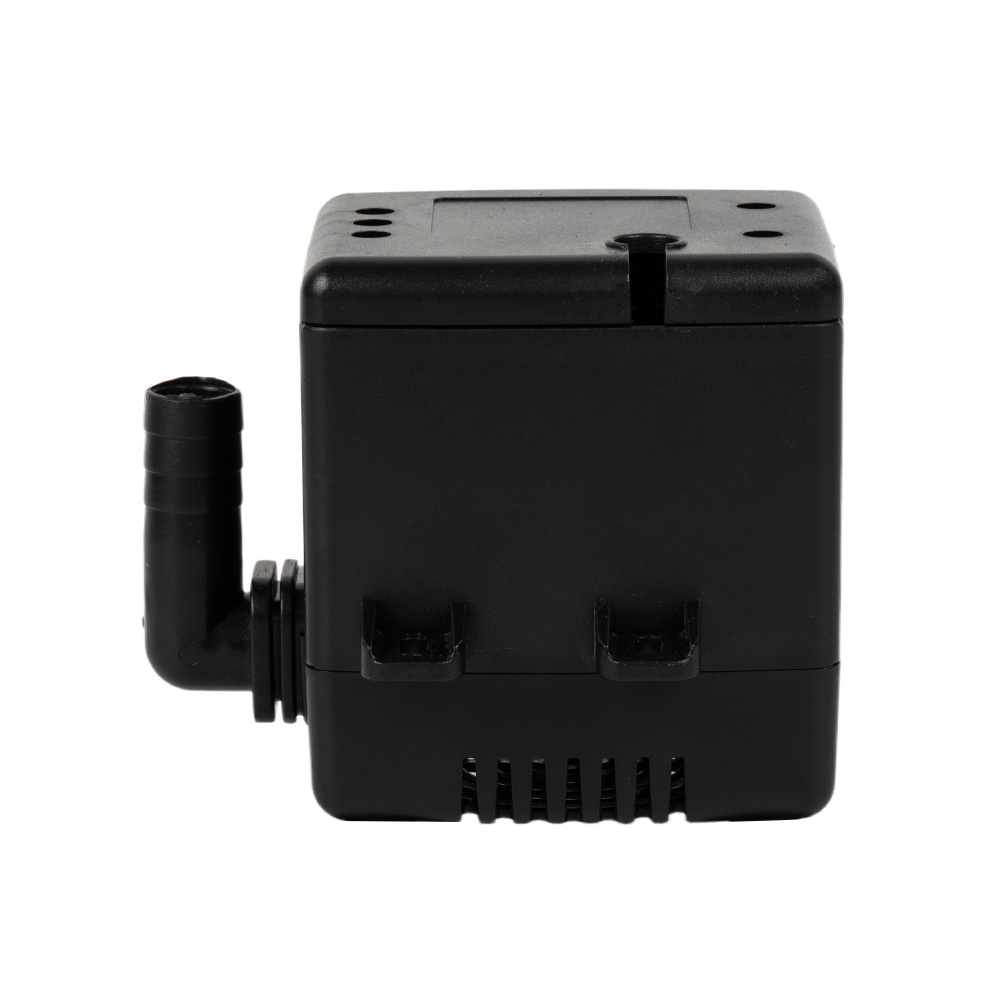
Applications: Water-cooled electrical equipment such as air coolers, air conditioners, misting fans, eco-friendly air conditioners, and mechanical coo...
See Details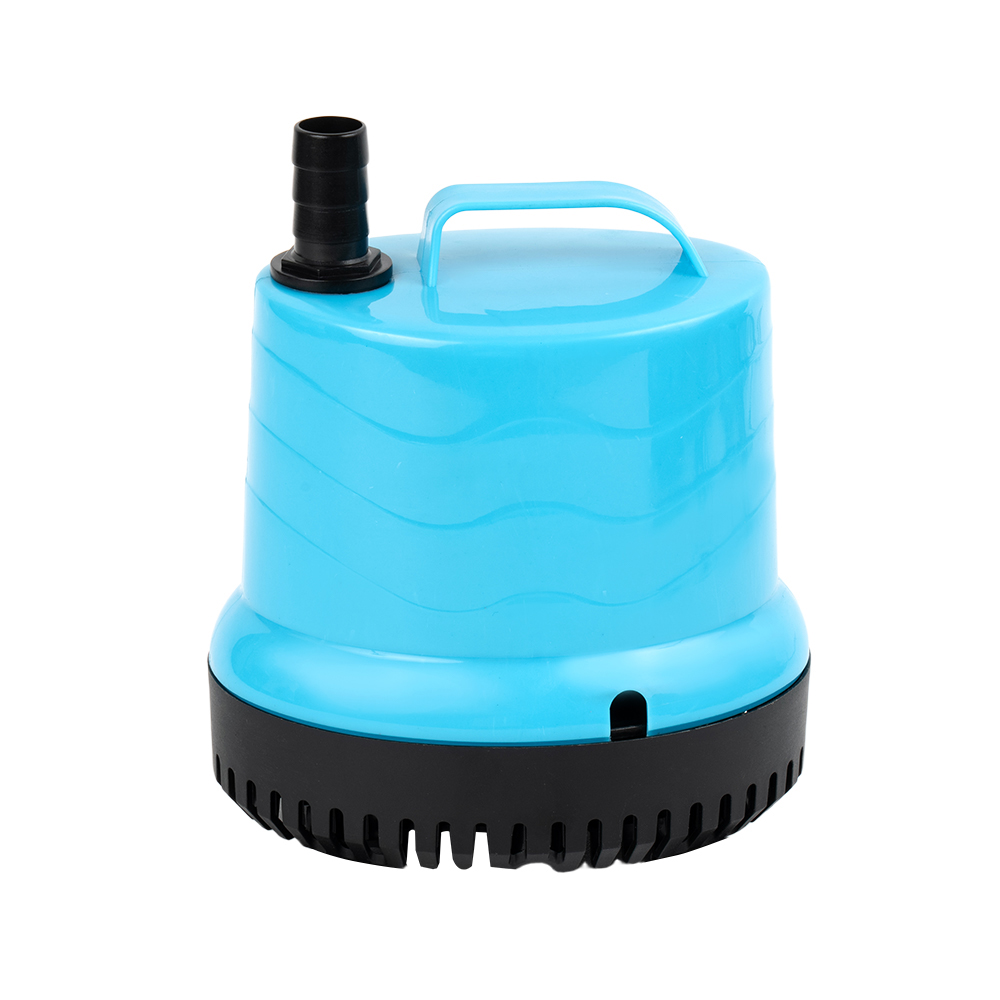
Applications: Fish tanks, fish ponds, top filters, etc. Available in 5 sizes. Features include: anti-dry-burning design, low-water-level operation, lo...
See Details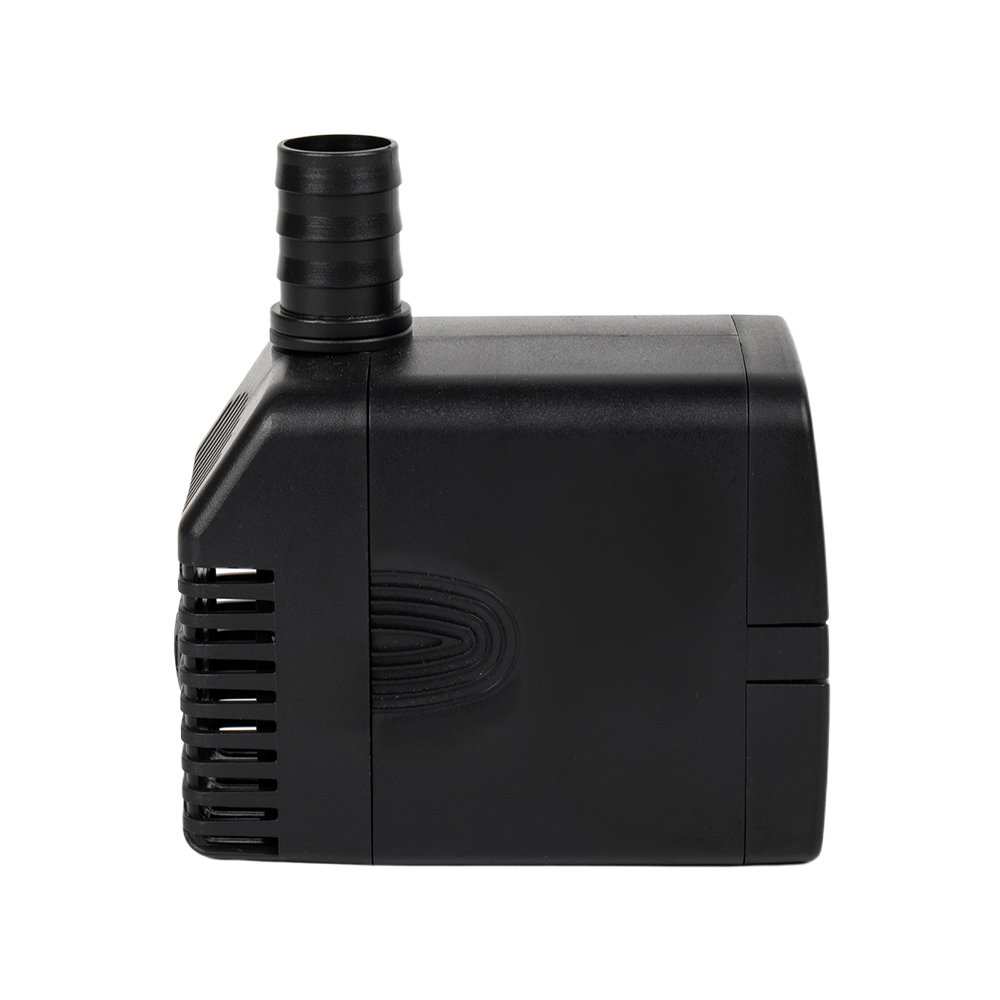
The DYH-40 customizable industrial air-cooled water pump is a high-efficiency pump designed specifically for industrial applications, widely used in a...
See DetailsContent
Introduction to Air Cooler Drain Pumps In the realm of sustainable and cost-effective climate contro...
READ MOREWhat is an Air Cooler Pump? Definition of an Air Cooler Pump An air cooler pump is an essential comp...
READ MOREIntroduction to Industrial Evaporative Cooling Pumps An industrial air cooler pump is the driving fo...
READ MORE


+86-13605859208
+86-13615854385
+86-15167555022

Copyright © Shengzhou Tianhao Aluminum Foundry Co., Ltd.
All Rights Reserved.
 Wholesale Evaporative Cooling Water Pump Manufacturers
Contact Us