 LANGUAGE
 中文简体
DYH-5 Anti-dry-burning 5W Water Pump with Foot Design for Electrical Appliances
Core Technology Highlight: Intelligent Anti-Dry-Burning ProtectionSafety is our foremost commitment. The DYH-5 water pump features an advanced, built-...
See Details [email protected]
 +86-575-83698898 / +86-13605859208 / +86-13615854385

Flow at the height you actually need, a body that fits your tank, and a motor that survives a full summer of continuous running — in that order.
The failure is rarely dramatic. A cooler leaves the warehouse with a full tank and a dry pad, because the pump moved plenty of water at zero head and almost nothing once it had to lift that water a metre to the distribution pipe. In a 60-litre household cooler, that gap is the difference between a working unit and a return.
The short answer: choose the pump by flow at working head first, then by physical fit — suction position, body height, outlet diameter — then by duty cycle and sealing, and compare wattage last. Within one manufacturer's range, power is a rough proxy for capability. Across suppliers it says very little, because motor efficiency and impeller design vary widely at the same rating.
Headline flow figures are measured at zero head, because that is where the number looks biggest. A pump advertised at 1,000 L/h may deliver only 350 to 450 L/h once it pushes water 1.2 m up a hose to the wet pad. If the pad needs a steady film of water across its full width, that shortfall decides whether the cooler cools or simply blows warm air.
Settle two numbers before looking at any model list: the vertical distance from the lowest water level the cooler can safely run at to the distribution pipe, and the flow the pad needs per minute. Household coolers usually sit between 0.6 m and 1.5 m of lift. Ducted and industrial units run higher, and a pump that looks generous on a desktop unit will be starved on a three-metre duct run. Ask for flow at the heads you care about, not a single headline figure.
| Cooler type | Typical pump power | What decides the choice | Most common failure |
|---|---|---|---|
| Desktop or portable cooler, 10–25 L tank | 4–8 W | Compact body, side suction, quiet running | Runs dry when the tank empties |
| Household cooler, 30–60 L tank | 16–25 W | Flow at 1.0–1.5 m lift, easy-clean impeller housing | Scale and dust clog the impeller |
| Ducted or commercial cooler | 40–60 W | Head, continuous duty, sealed motor | Overheating during long summer shifts |
| Industrial cooler and eco-friendly A/C | 40–80 W | High head, resin-sealed motor, dry-run tolerance | Burnout after repeated dry starts |
| Condensate drainage, not circulation | 30 W class | Low-profile or high-foot body, outlet routing | Standing water and siphon back-flow |
Note the pattern: power climbs with head and duty cycle, not with tank volume. A large tank with a short lift needs a smaller pump than a small tank feeding a tall pad.
Two pumps with identical flow curves can behave completely differently inside a real cooler, because the enclosure decides where water is drawn from and how much room the assembly line has to work with.
For mid-size household coolers, a 16 W unit with a removable head is a common compromise between flow, serviceability and the space left inside the tank.
An evaporative cooler pump runs for hours, often all day, in a compartment with little airflow. That is a harder job than the intermittent use most small pumps are built for.
Three details separate a pump that lasts from one that does not. The first is how the motor is cooled: most submersible designs rely on the surrounding water, so a pump left running dry overheats quickly. The second is stator protection — resin potting or resin filling seals the windings against moisture and dust, and matters most in industrial coolers that run continuously. The third is dry-start tolerance, either through a dry-burn-resistant design or a thermal cut-out, because a float valve that sticks once will destroy an unprotected motor.
If a pump is chosen on wattage, the cooler is designed around the wrong constraint. Flow at head is a specification; wattage is a marketing number.
In industrial air coolers and eco-friendly air conditioners, the combination of high head, continuous duty and resin-sealed construction is usually what explains the price difference between two pumps of identical wattage.
Coolers that produce condensate, and air conditioners running in humid markets, need water removed rather than recirculated. Drain pumps share the housing look of circulation pumps but are chosen on different criteria: a low-profile body to slide under a shallow tray, or a high-foot design that keeps the inlet clear of sludge; an outlet that can be routed downhill or through a wall; and enough flow to empty the tray faster than it fills.
One mistake repeats here: draining a tray completely. A pump that empties the sump starts sucking air at the end of every cycle, which shortens motor life. Leaving a small residual volume and adding a check valve against back-flow is usually the better arrangement. For installation and maintenance detail, the drain pump guide walks through the sequence step by step.
The supplier side matters as much as the part. A plant that handles die casting, injection moulding, winding, machining and assembly under one roof can adjust a mould or a winding spec without waiting on an outside vendor, which shortens the loop between a sample problem and a production fix. You can review the full pump range and match a body, a suction position and a power class to the cooler you are building.
Picking a cooler pump comes down to four numbers and one shape: flow at working head, the lift height from the lowest usable water level, the duty cycle the motor has to survive, the outlet and hose it feeds, and the envelope the tank allows. Get those right and the wattage takes care of itself. Get them wrong and no amount of extra power will wet the top of the pad evenly — it will simply burn out a little faster.
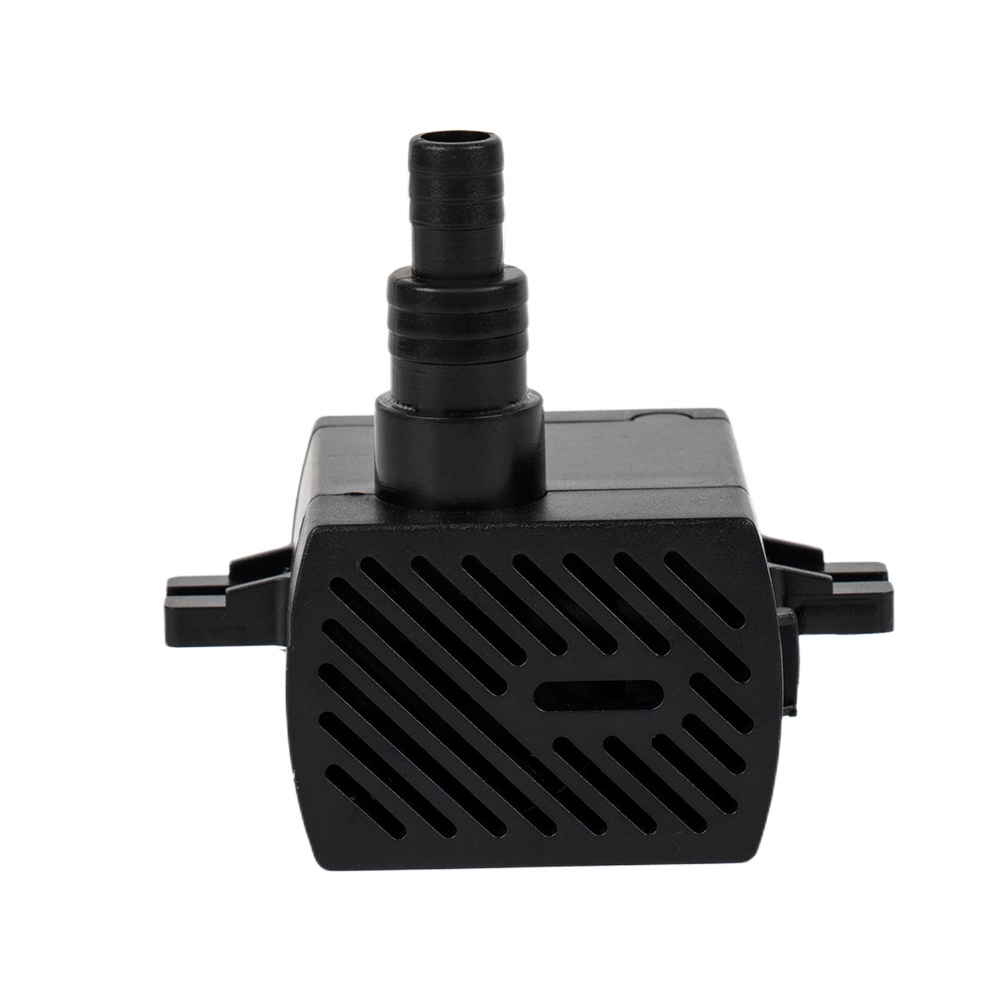
Core Technology Highlight: Intelligent Anti-Dry-Burning ProtectionSafety is our foremost commitment. The DYH-5 water pump features an advanced, built-...
See Details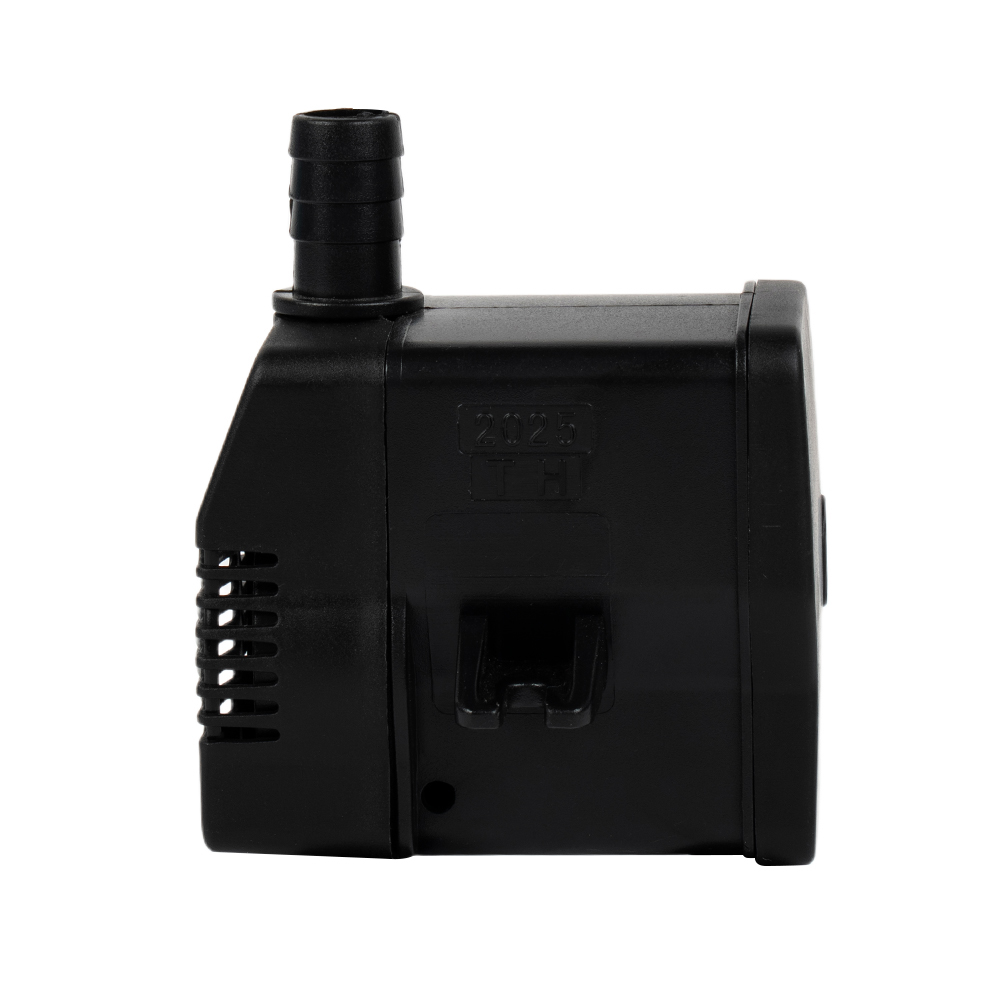
The DYH-18B Cooler Fan Water Pump is a high-performance, durable solution designed to enhance the efficiency of your cooling system. Made from brand-n...
See Details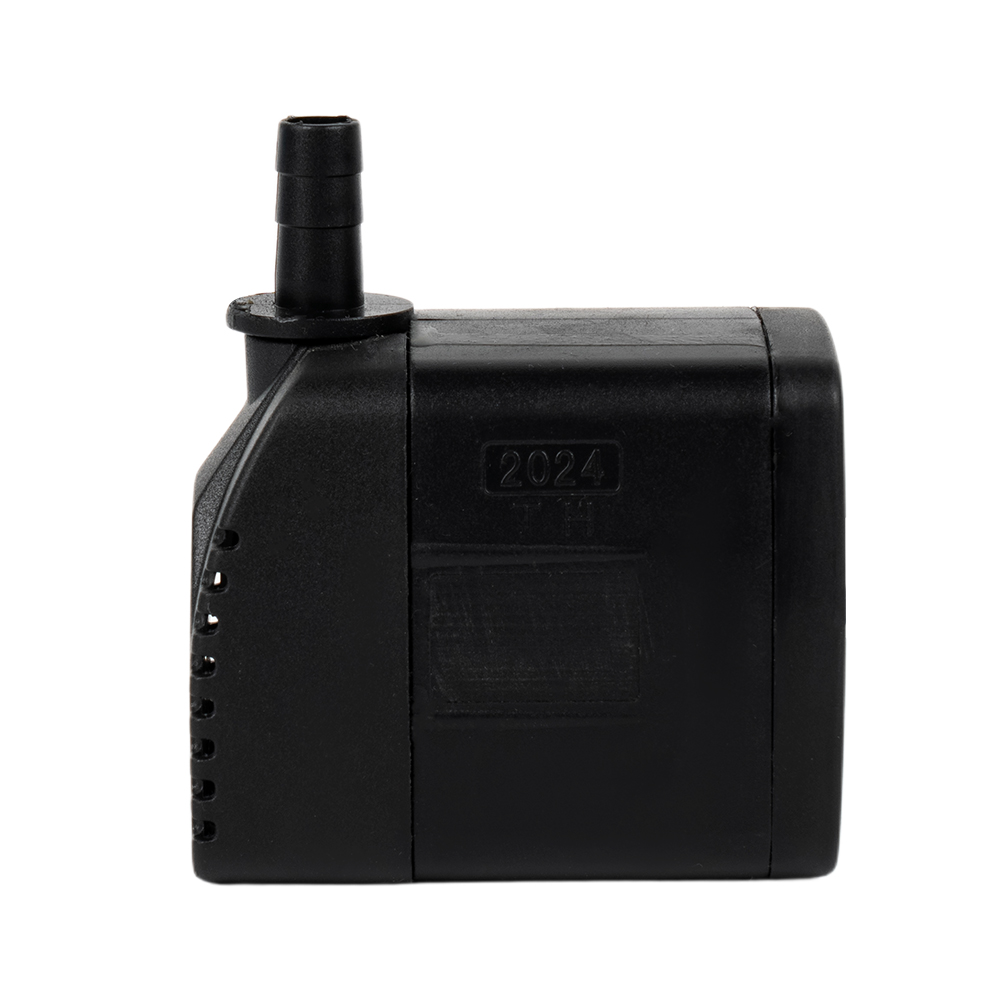
Applications: Water-circulating electrical equipment such as evaporative air conditioners, air coolers, misting fans, eco-friendly air conditioners, a...
See Details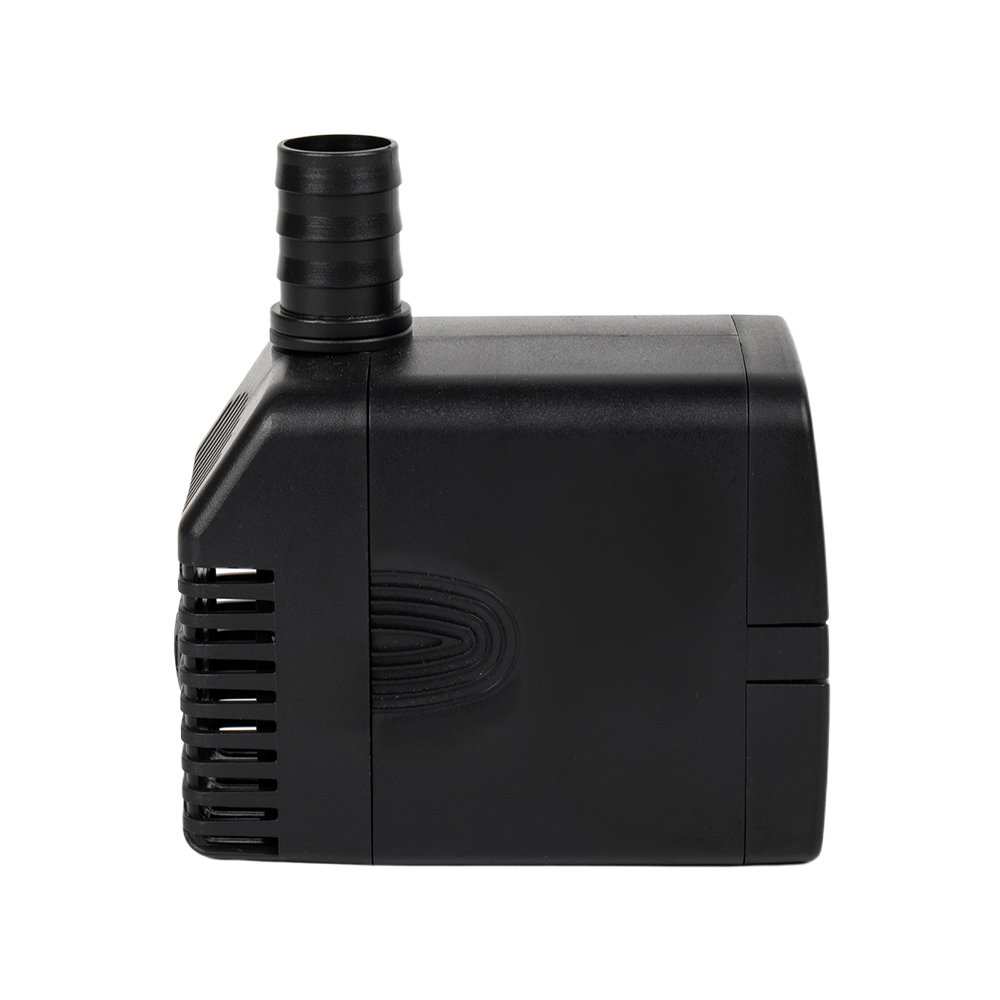
The DYH-40 customizable industrial air-cooled water pump is a high-efficiency pump designed specifically for industrial applications, widely used in a...
See Details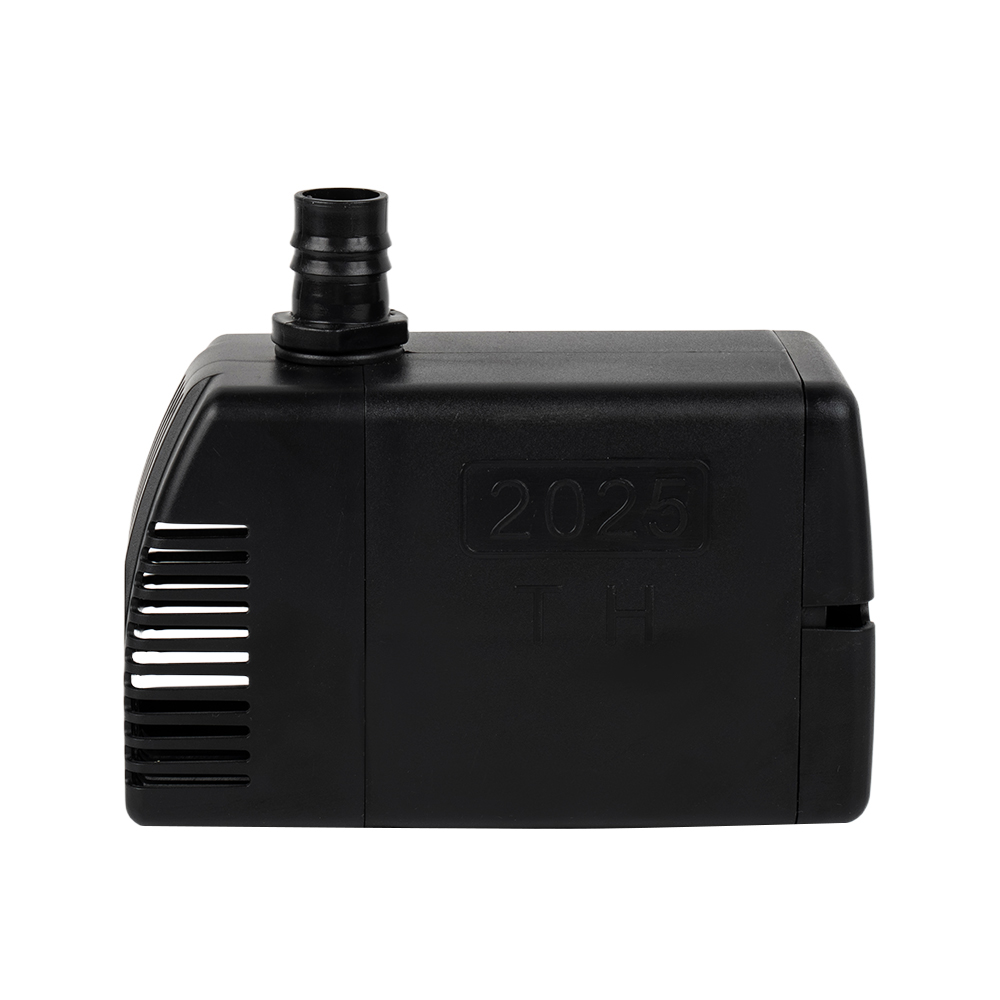
The DYH-80 High-Power 80W Resin Potting and Sealing Industrial Air Cooler Water Pump is a water pump designed specifically for industrial applications...
See Details
This enclosed water pump features a magnetic steel rotor that is completely isolated from the water, preventing sewage sedimentation from obstructing ...
See DetailsContent
Introduction to Air Cooler Drain Pumps In the realm of sustainable and cost-effective climate contro...
READ MOREWhat is an Air Cooler Pump? Definition of an Air Cooler Pump An air cooler pump is an essential comp...
READ MOREIntroduction to Industrial Evaporative Cooling Pumps An industrial air cooler pump is the driving fo...
READ MORE


+86-13605859208
+86-13615854385
+86-15167555022

Copyright © Shengzhou Tianhao Aluminum Foundry Co., Ltd.
All Rights Reserved.
 Wholesale Evaporative Cooling Water Pump Manufacturers
Contact Us