 LANGUAGE
 中文简体
中文简体DYH-30 Air Cooler Drain Pump with High Flow Rate and Outlet Design
Factory direct supply, OEM/ODM supported, custom branding available. Suitable for a wide range of applications including air conditioning fans and oth...
See Details [email protected]
 +86-575-83698898 / +86-13605859208 / +86-13615854385

Variable-speed air cooler pumps deliver measurably better cooling efficiency than fixed-speed models — typically achieving a 10–20% greater temperature drop under the same ambient conditions. By dynamically adjusting water circulation speed to match real-time heat load, humidity, and pad saturation levels, a variable-speed pump ensures that the cooling pads remain optimally wet without over-saturating or running dry. Fixed-speed pumps, by contrast, operate at a single output regardless of conditions, often wasting energy and reducing pad longevity. If you are choosing between the two, the pump's circulation speed control is one of the most impactful specifications to evaluate.
The core function of an air cooler pump is to draw water from the tank and distribute it evenly across the evaporative cooling pads. The speed at which this circulation occurs determines how consistently moist the pads remain — and pad moisture is the single most critical variable in evaporative cooling effectiveness.
When circulation speed is too low, sections of the pad dry out, creating hot spots that reduce the cooler's effective surface area. When it is too high, excess water pools at the bottom of the pad, runs off into the tank without evaporating, and unnecessarily increases energy consumption. An optimal circulation rate keeps pad saturation between 85–95%, which laboratory testing from evaporative cooling manufacturers consistently identifies as the efficiency sweet spot.
For a standard residential air cooler with a 20-liter tank and a single 60cm × 90cm cellulose pad, the ideal pump flow rate typically falls between 800–1,200 L/h. A fixed-speed pump locked at 1,500 L/h in this scenario will continuously oversupply water, while a variable-speed pump can throttle down to the appropriate range and maintain efficiency.
The table below summarizes the key performance and operational differences between variable-speed and fixed-speed air cooler pumps across commonly evaluated criteria.
| Criteria | Variable-Speed Air Cooler Pump | Fixed-Speed Air Cooler Pump |
|---|---|---|
| Cooling Efficiency | 10–20% higher temperature drop | Consistent but unoptimized |
| Energy Consumption | 15–30% lower on average | Constant draw regardless of load |
| Pad Lifespan | Extended (less over-saturation) | Shorter (runoff and mineral buildup) |
| Noise Level | Lower at reduced speeds (≤35 dB) | Fixed noise output (38–45 dB typical) |
| Upfront Cost | Higher (brushless motor premium) | Lower (simpler motor design) |
| Maintenance Frequency | Less frequent (less scaling) | More frequent (higher runoff deposits) |
| Best Use Case | Residential, bedroom, long daily use | Short-use, budget, industrial settings |
One of the most significant advantages of a variable-speed air cooler pump is its ability to respond intelligently to changing environmental conditions. Fixed-speed pumps treat a 40°C dry desert afternoon the same as a mild 28°C morning — an approach that is fundamentally inefficient.
In arid conditions, evaporation from the cooling pad is extremely rapid. A variable-speed air cooler pump can increase its output to 1,400–1,600 L/h to keep pace with evaporation demand, preventing pad dry-out and sustaining maximum cooling. A fixed-speed pump operating below this threshold will result in partially dry pads and a noticeably higher outlet air temperature.
In more humid environments, evaporation slows significantly. Here, a fixed-speed air cooler pump often over-circulates water, flooding the pad and reducing airflow resistance efficiency. A variable-speed pump can dial back to 600–800 L/h, maintaining just enough pad moisture without impeding airflow — a balance that fixed-speed models structurally cannot achieve.
Energy efficiency is where the long-term cost argument for variable-speed air cooler pumps becomes compelling. Fixed-speed pumps typically draw between 25–60W continuously, regardless of whether maximum circulation is needed. Variable-speed models with brushless DC motors can operate as low as 8–15W at reduced speeds, scaling up only when conditions demand it.
Consider a household running an air cooler 10 hours per day across a 120-day summer season:
Over two to three seasons, these savings can offset the higher upfront cost of a variable-speed brushless air cooler pump, making it the economically rational choice for regular users.
An often-overlooked consequence of fixed-speed air cooler pump operation is its accelerated degradation of cooling pads. When a pump consistently delivers more water than the pad can evaporate, the excess water drains back into the tank carrying dissolved minerals. Over time, these minerals re-deposit on the pad surface as scale, reducing its porosity and evaporative capacity.
In hard-water regions (water hardness above 200 ppm), a fixed-speed air cooler pump can render cellulose honeycomb pads ineffective within a single season. Variable-speed pumps, by minimizing runoff through optimized flow rates, reduce mineral cycling and can extend pad service life by 30–50% — a meaningful saving given that quality cellulose pads cost between $15–$60 depending on size.
Despite the efficiency advantages of variable-speed models, fixed-speed air cooler pumps retain legitimate use cases where their simplicity is an asset rather than a liability:
Whether choosing a variable or fixed-speed model, use these concrete benchmarks to evaluate any air cooler pump:
Matching these specifications precisely to your air cooler's design requirements — rather than defaulting to the highest flow rate available — is the most reliable way to maximize both cooling performance and pump longevity, regardless of whether you choose a variable or fixed-speed model.
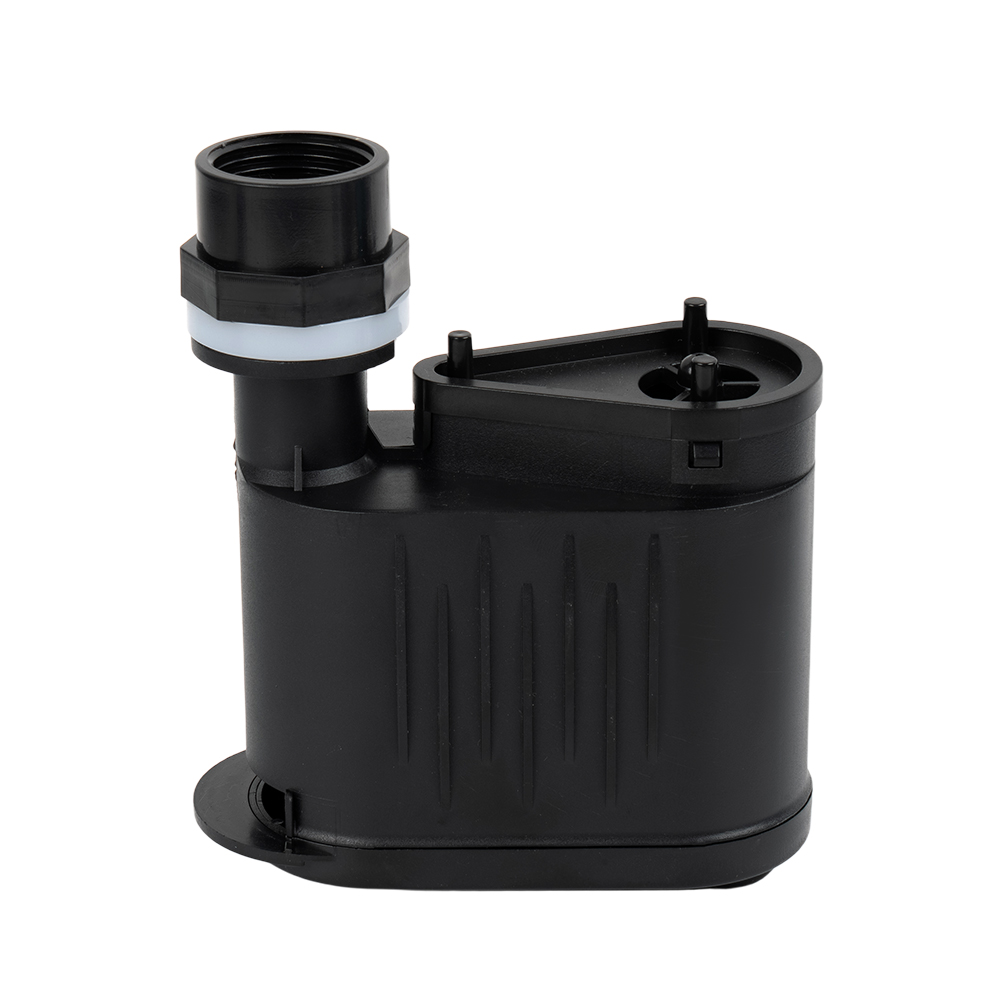
Factory direct supply, OEM/ODM supported, custom branding available. Suitable for a wide range of applications including air conditioning fans and oth...
See Details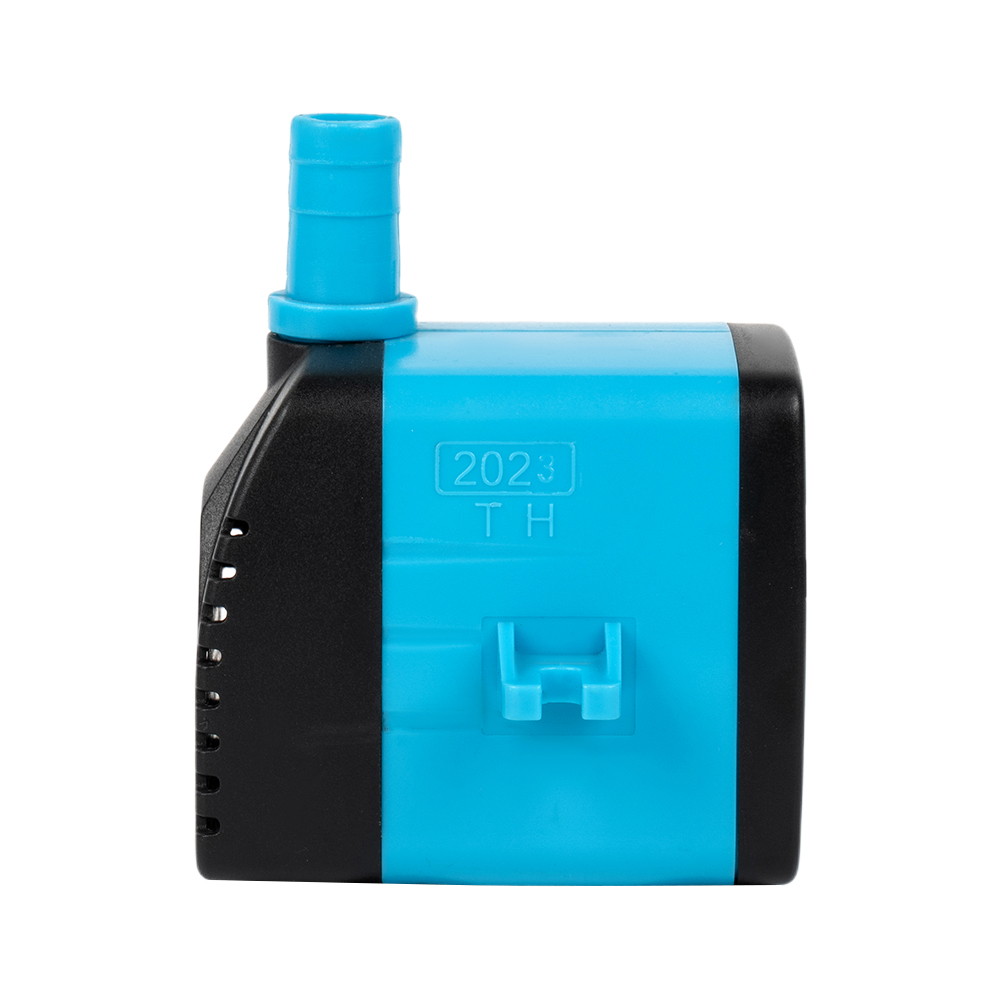
Applications: Suitable for water-cooled electrical equipment such as evaporative air conditioners, air conditioners, misting fans, eco-friendly air co...
See Details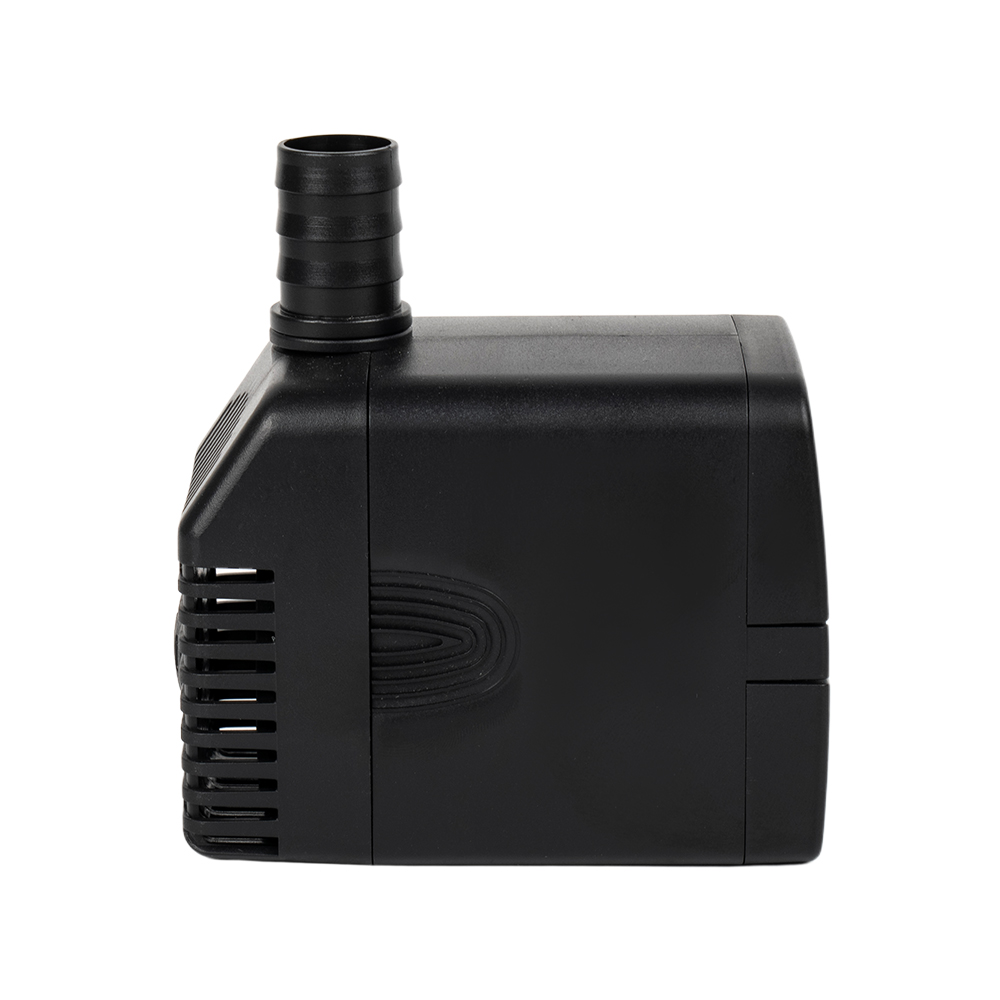
The DYH-40 customizable industrial air-cooled water pump is a high-efficiency pump designed specifically for industrial applications, widely used in a...
See Details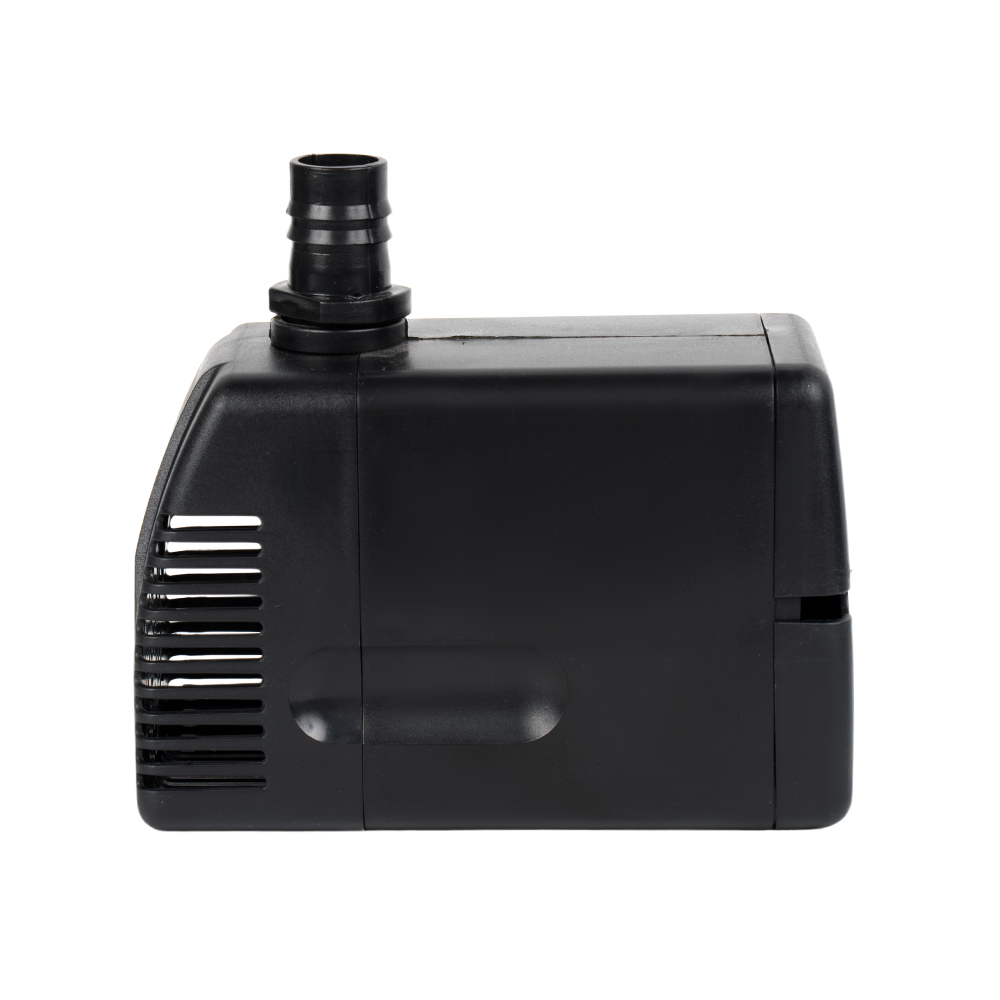
Product Applications: Suitable for industrial environmental air conditioning, mechanical equipment cooling, etc. Different outlet specifications can b...
See Details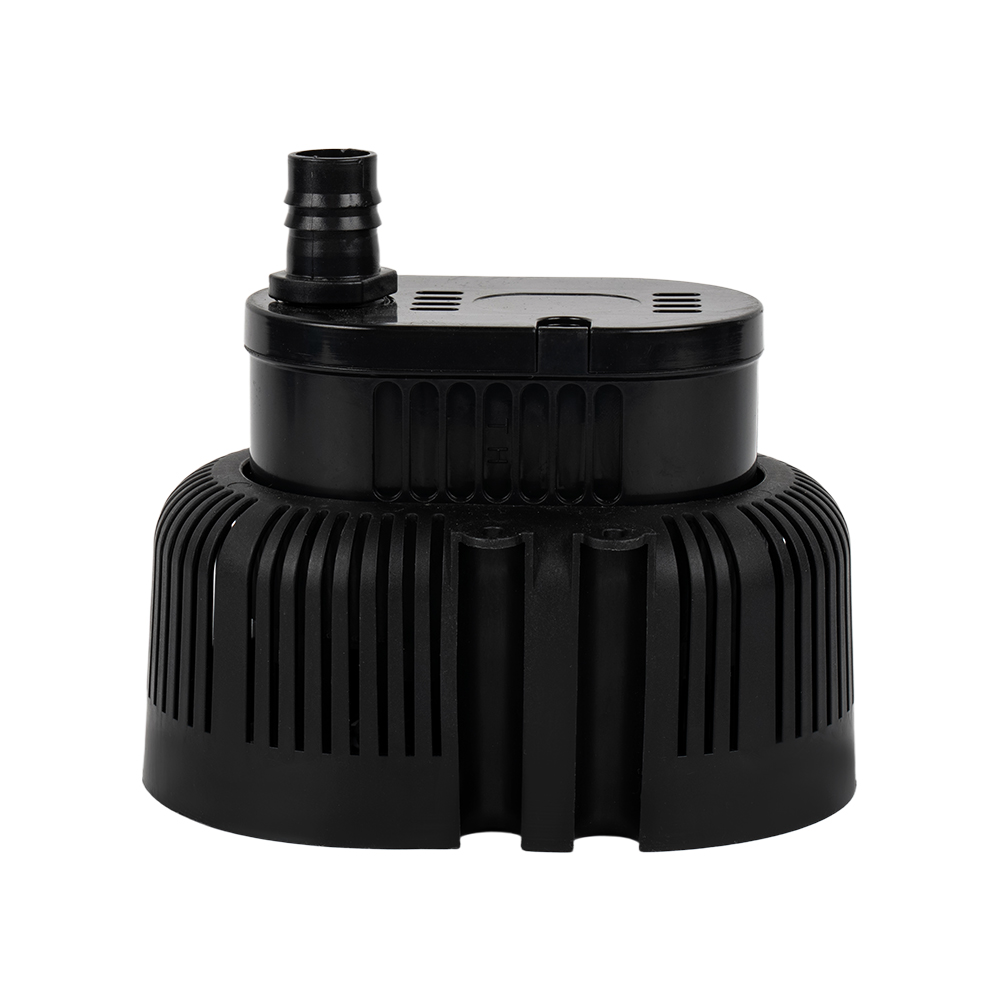
Suitable for a wide range of applications including industrial air conditioning, machinery cooling, fountain landscaping, and aquariums. The 360° surr...
See Details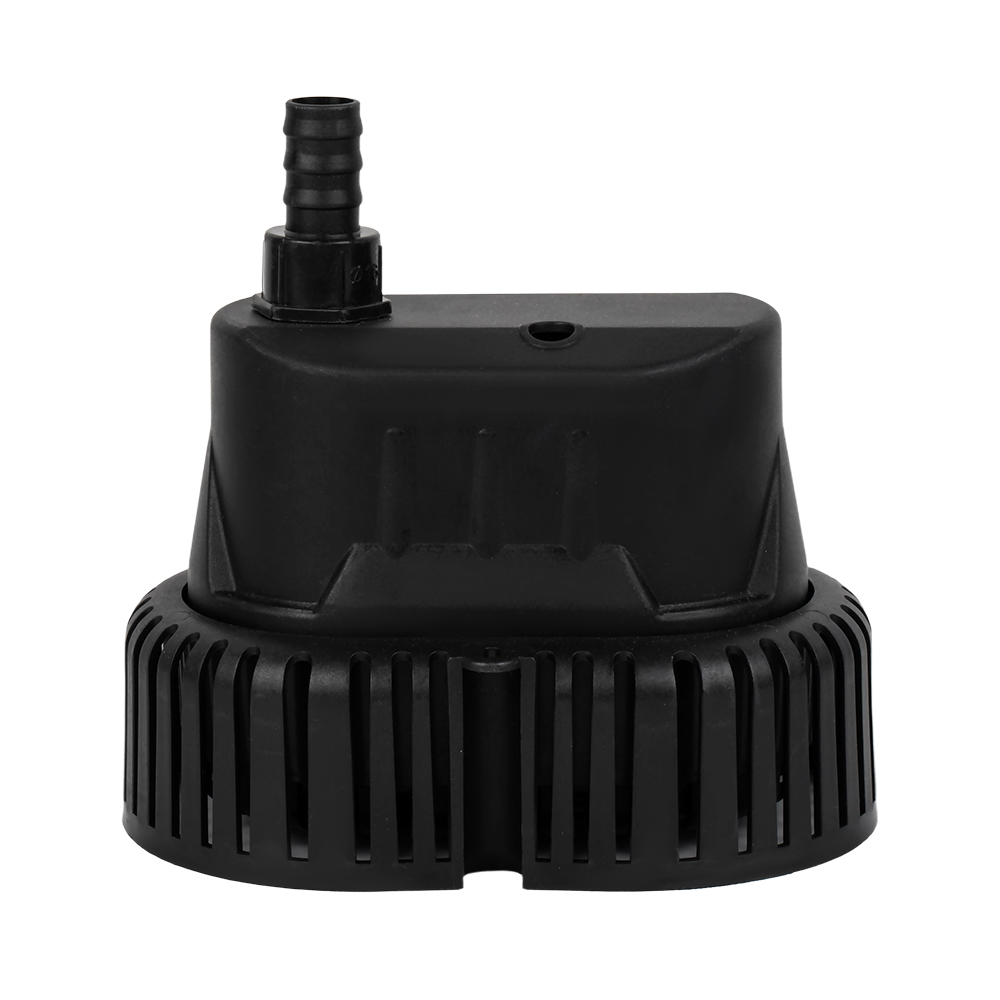
Suitable for a wide range of applications including industrial air conditioning, machinery cooling, fountain landscaping, and aquariums. Available in ...
See DetailsContent
Introduction to Air Cooler Drain Pumps In the realm of sustainable and cost-effective climate contro...
READ MOREWhat is an Air Cooler Pump? Definition of an Air Cooler Pump An air cooler pump is an essential comp...
READ MOREIntroduction to Industrial Evaporative Cooling Pumps An industrial air cooler pump is the driving fo...
READ MORE


+86-13605859208
+86-13615854385
+86-15167555022

Copyright © Shengzhou Tianhao Aluminum Foundry Co., Ltd.
All Rights Reserved.
 Wholesale Evaporative Cooling Water Pump Manufacturers
Contact Us