 LANGUAGE
 中文简体
中文简体DYH-22 high-lift fan cooler water pump with interchangeable outlet diameters
Applications: Suitable for water-circulating electrical equipment such as evaporative air conditioners, air conditioners, misting fans, eco-friendly a...
See Details [email protected]
 +86-575-83698898 / +86-13605859208 / +86-13615854385

The magnetic drive cooler water pump has significantly fewer leak risks than a mechanical seal cooler water pump. The core reason is structural: magnetic drive pumps eliminate the rotating shaft seal entirely, removing the most common failure point in traditional pump designs. For users running closed-loop liquid cooling systems, this distinction has direct consequences for long-term reliability, maintenance frequency, and system safety.
This article breaks down exactly why that leak risk gap exists, where each pump type performs better, and how to choose between them based on your specific use case.
Understanding the leak risk difference starts with how each cooler water pump is built to contain fluid.
In a magnetic drive cooler water pump, the motor and impeller are separated by a static containment shell. An outer magnetic rotor (driven by the motor) spins an inner magnetic rotor (attached to the impeller) through the shell wall without any physical contact. Because there is no shaft penetrating the pump housing, there is no dynamic seal to wear out. The only potential leak points are static gaskets or O-rings at fixed joints — components that degrade far more slowly than rotating seals.
A mechanical seal cooler water pump drives the impeller via a rotating shaft that passes through the pump housing. A mechanical seal — typically two precision-lapped faces pressed together by a spring — prevents coolant from escaping along the shaft. This seal is under constant friction, heat, and pressure during operation. Over time, seal faces wear, warp, or become contaminated, leading to gradual or sudden leaks. Industry data suggests mechanical seals account for over 70% of pump failures in process and cooling applications.
| Factor | Magnetic Drive Cooler Water Pump | Mechanical Seal Cooler Water Pump |
|---|---|---|
| Dynamic seal present | No | Yes |
| Primary leak cause | Static O-ring degradation | Seal face wear or failure |
| Typical seal service interval | 3–5+ years (static only) | 6 months – 2 years |
| Risk of sudden failure | Low | Moderate to High |
| Leak detection difficulty | Easy (rare, visible O-ring) | Hard (gradual seepage) |
| Suitability for hazardous coolants | High | Low to Moderate |
The mechanical seal in a cooler water pump is a precision component operating under harsh conditions. Several factors accelerate its degradation:
In PC liquid cooling environments, many users report mechanical seal cooler water pump failures within 12 to 18 months under continuous operation, particularly in high-ambient-temperature enclosures.
While magnetic drive cooler water pumps are far less prone to leaking, they are not entirely risk-free. Users should be aware of two specific vulnerabilities:
The containment shell — typically made of PEEK, polypropylene, or stainless steel — separates the wet and dry sides of the pump. If this shell cracks due to excessive pressure, chemical incompatibility, or manufacturing defects, a complete and sudden fluid release can occur. This is rare but more catastrophic than gradual seal wear. Always verify the containment shell material is compatible with your coolant chemistry before installation.
If system resistance exceeds the pump's rated torque, the inner and outer magnets can decouple, causing the impeller to stall while the motor continues spinning. This does not directly cause leaks, but the resulting heat buildup inside the containment shell can degrade the shell or O-rings over time, creating a secondary leak risk.
The materials used in both pump types directly influence how long they remain leak-free in real operating conditions.
The right choice depends on your priorities and operating conditions:
If your system carries any sensitive hardware — GPUs, CPUs, or custom water blocks — the cost premium of a high-quality magnetic drive cooler water pump is almost always justified by the reduced risk of a catastrophic coolant leak damaging components worth many times the pump's price.
A magnetic drive cooler water pump is objectively the lower-leak-risk option for the vast majority of liquid cooling applications. By eliminating the dynamic shaft seal entirely, it removes the component statistically most likely to fail in a conventional cooler water pump. While containment shell integrity must still be considered, the absence of a wear-based sealing mechanism means the magnetic drive design remains reliably leak-free for years longer than mechanical seal alternatives under equivalent operating conditions. For any system where a coolant leak carries serious consequences, the magnetic drive cooler water pump is the safer and smarter long-term investment.
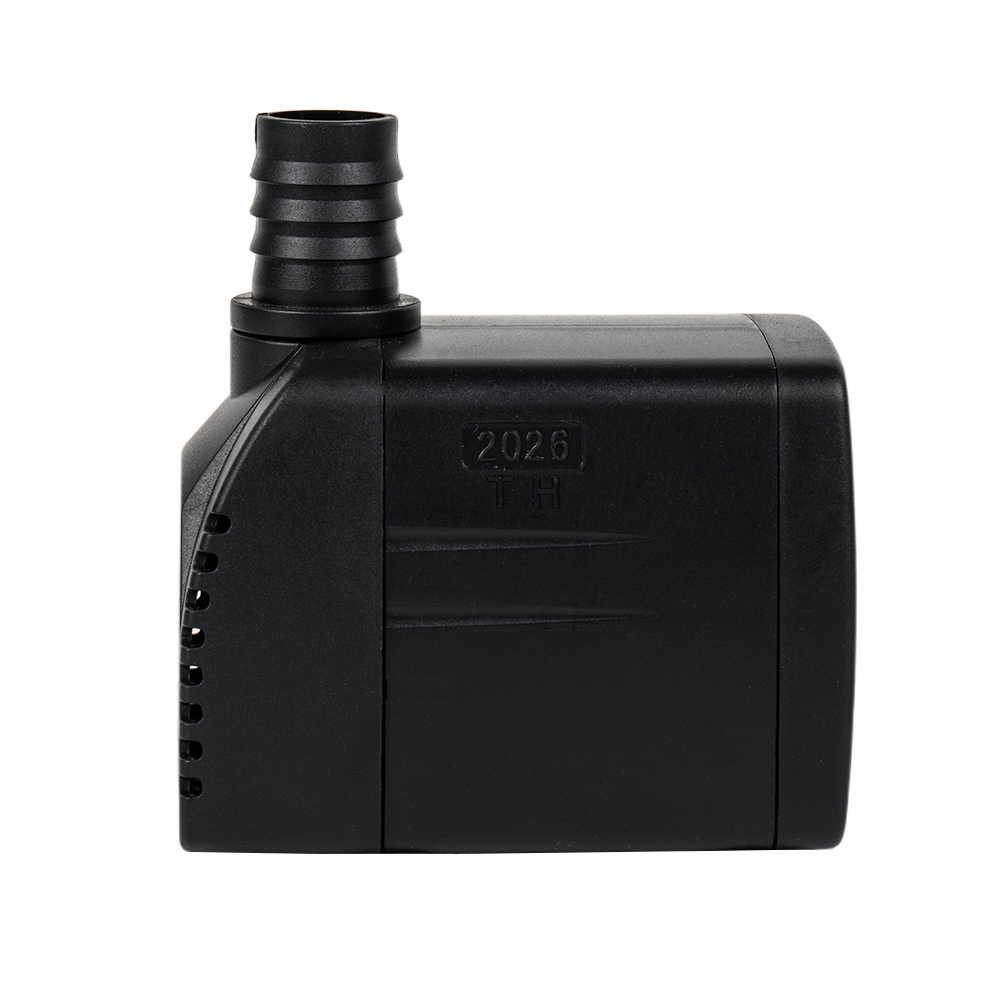
Applications: Suitable for water-circulating electrical equipment such as evaporative air conditioners, air conditioners, misting fans, eco-friendly a...
See Details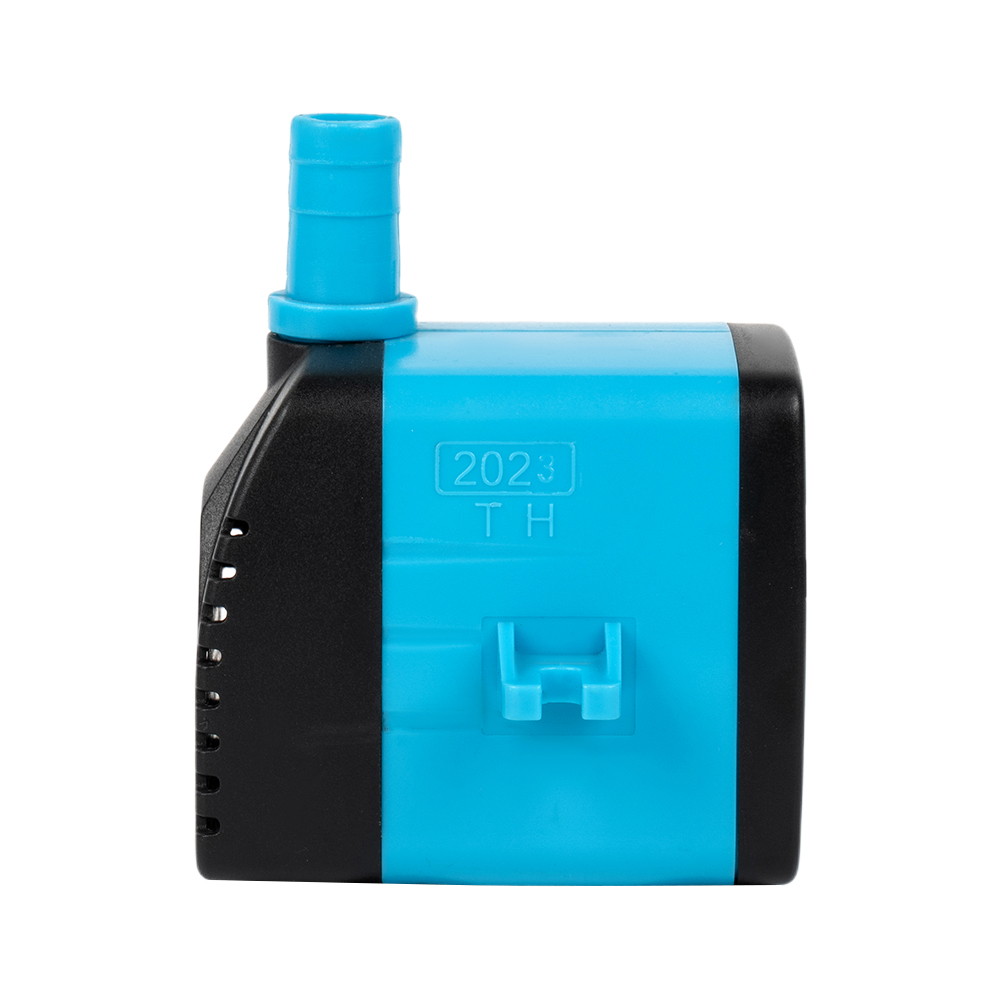
Applications: Suitable for water-cooled electrical equipment such as evaporative air conditioners, air conditioners, misting fans, eco-friendly air co...
See Details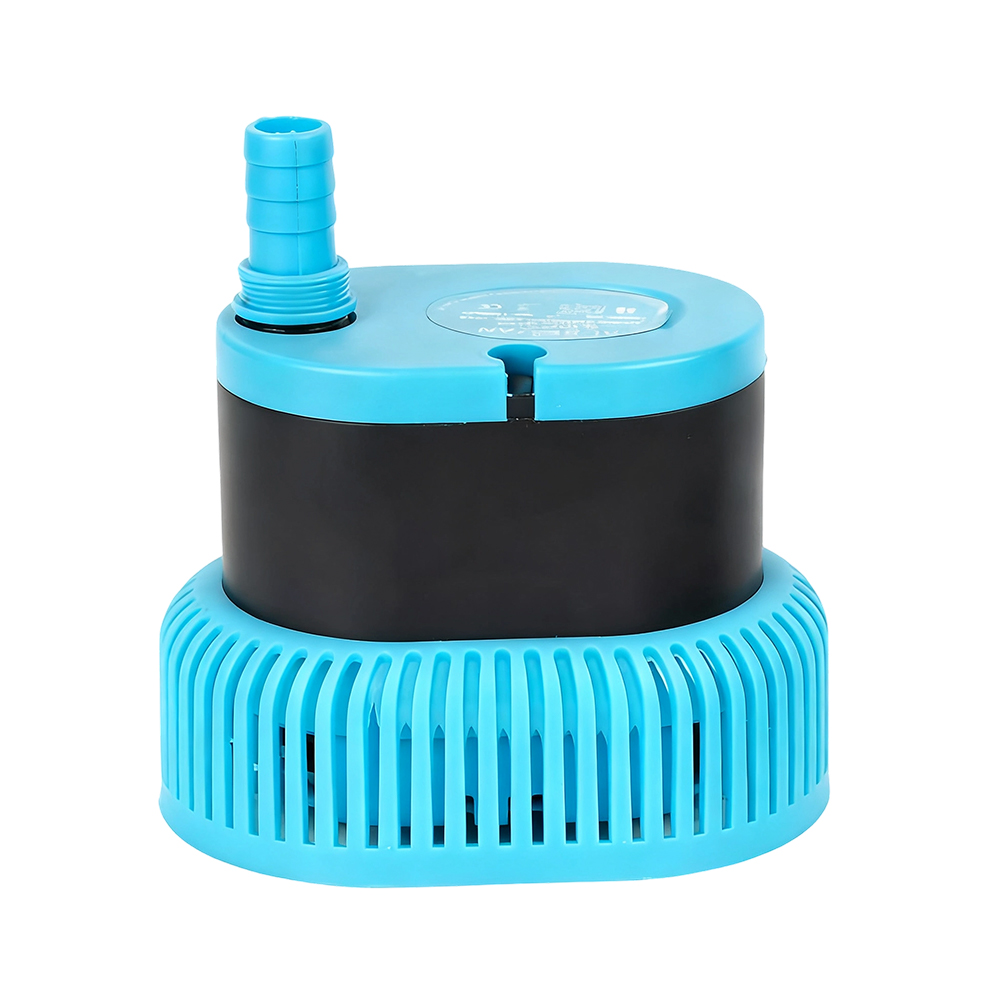
The DYH-22W low-water-level design bottom-suction submersible pump is a high-efficiency pump specifically designed for low-water-level environments. I...
See Details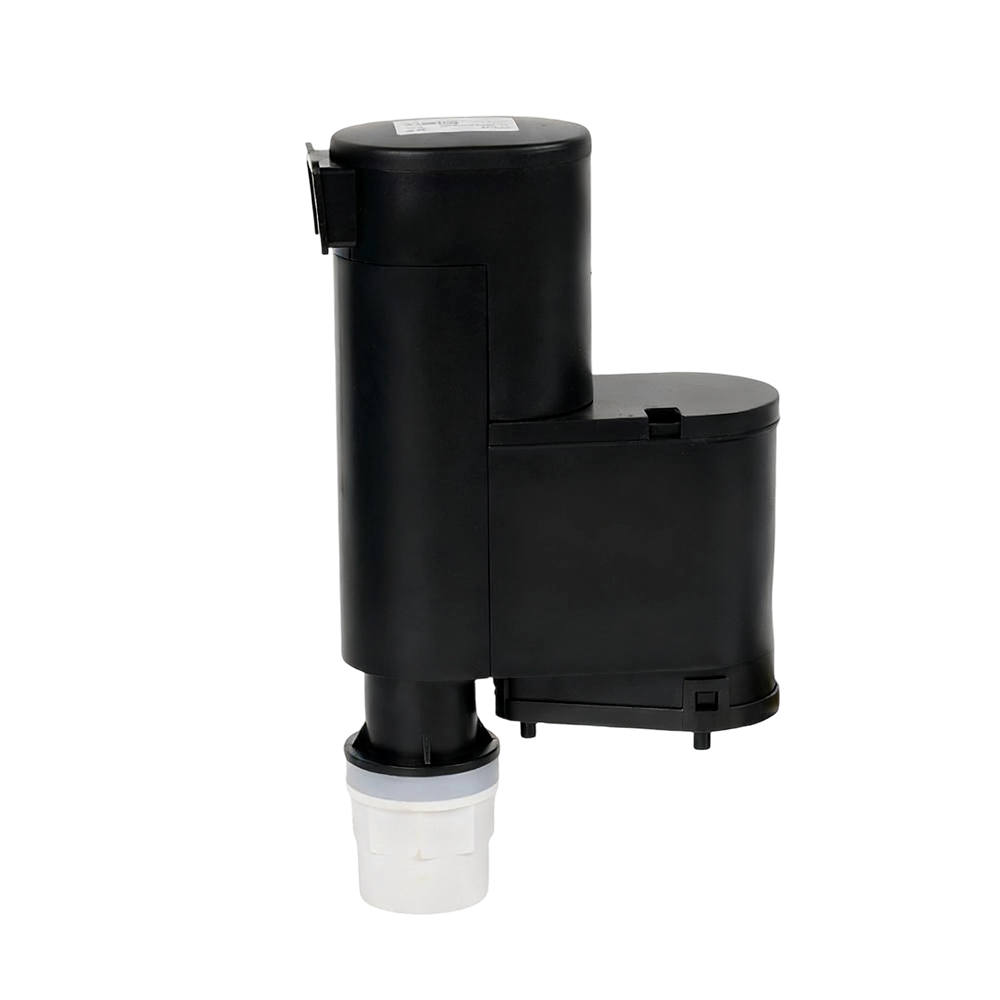
Suitable for a wide range of applications including air conditioning fans and mechanical equipment cooling. Available in black and white outlets. Avai...
See Details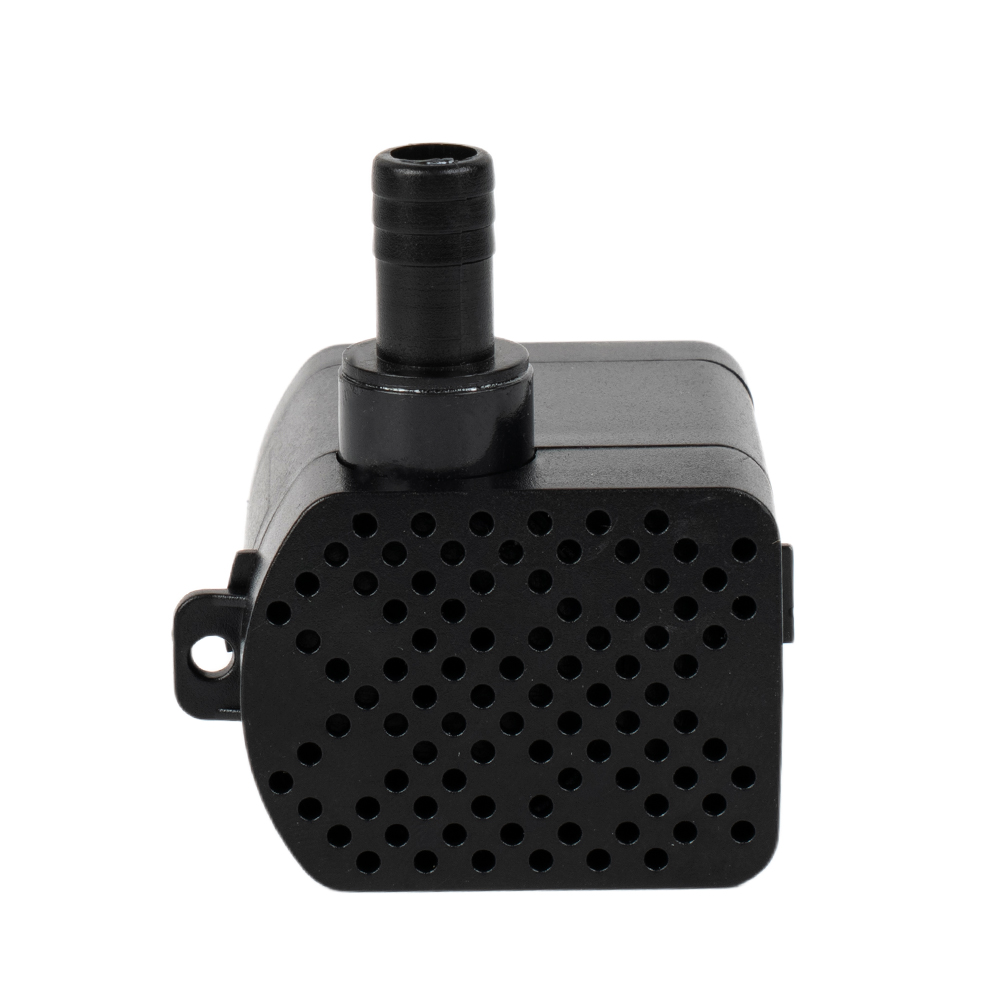
The DYH-4 Anti-dry-burning Low-Power 4W Electrical Appliance-Specific Water Pump sounds like a specialized type of water pump designed for use in smal...
See Details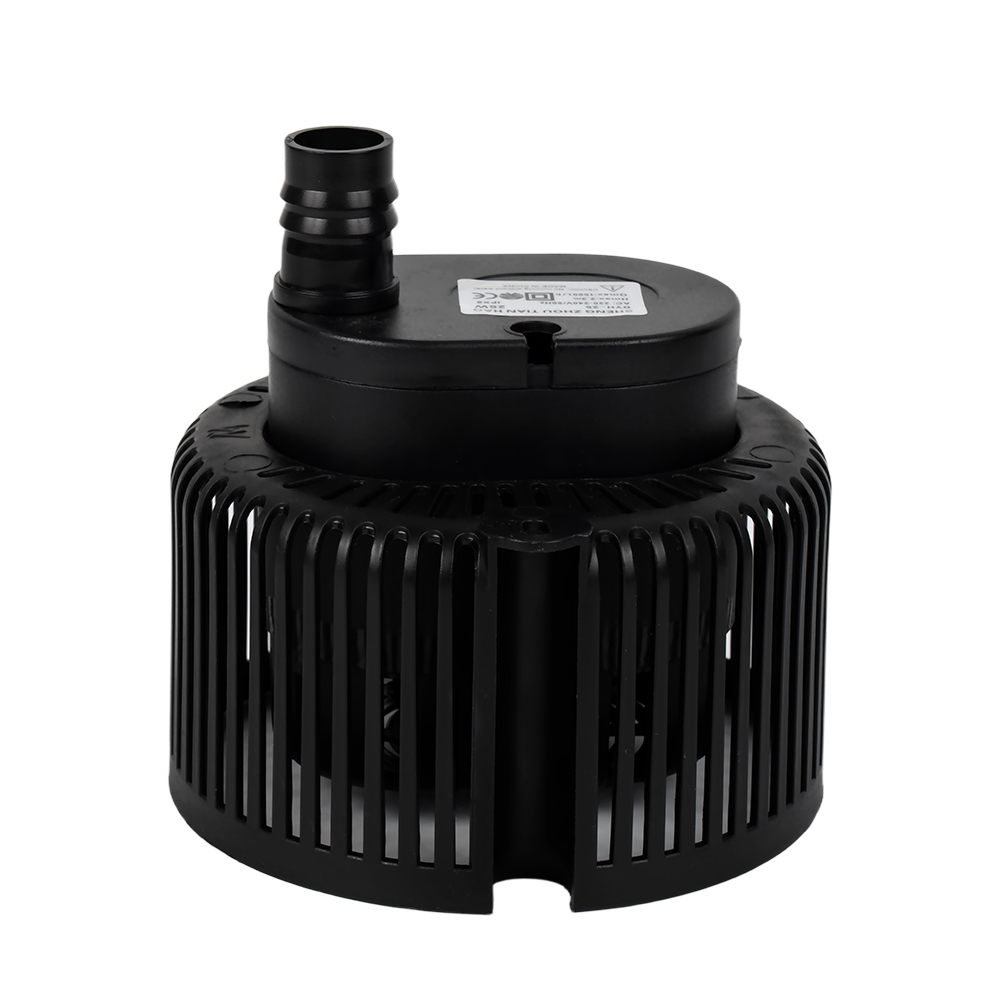
The low-water-level design allows for pumping water as low as 1cm, ensuring cleaner water. The shaft is made of high-quality stainless steel, which is...
See DetailsIntroduction to Air Cooler Drain Pumps In the realm of sustainable and cost-effective climate contro...
READ MOREWhat is an Air Cooler Pump? Definition of an Air Cooler Pump An air cooler pump is an essential comp...
READ MOREIntroduction to Industrial Evaporative Cooling Pumps An industrial air cooler pump is the driving fo...
READ MORE


+86-13605859208
+86-13615854385
+86-15167555022

Copyright © Shengzhou Tianhao Aluminum Foundry Co., Ltd.
All Rights Reserved.
 Wholesale Evaporative Cooling Water Pump Manufacturers
Contact Us