 LANGUAGE
 中文简体
中文简体DYH-40 Customizable Industrial Air Cooler Water Pump
The DYH-40 customizable industrial air-cooled water pump is a high-efficiency pump designed specifically for industrial applications, widely used in a...
See Details [email protected]
 +86-575-83698898 / +86-13605859208 / +86-13615854385

The Air Cooler Pump is easier and faster to install than a household sump pump. A typical Air Cooler Pump installation takes 5 to 10 minutes and requires no plumbing, drilling, or electrical wiring beyond a simple power connection. A household sump pump, by contrast, often takes 1 to 3 hours and may involve pit excavation, discharge pipe routing, check valve installation, and sometimes a dedicated electrical circuit. The difference in complexity comes down to function: an Air Cooler Pump simply circulates water within a self-contained cooling unit, while a sump pump manages drainage for an entire structure and must be integrated into a home's plumbing and grading system.
That said, installation ease depends on the specific setup, the water source, and whether the sump pump is a replacement or a first-time installation. Many households use an evaporative air cooler water pump as their primary cooling solution during warmer months, precisely because it avoids the labor and cost associated with drainage systems. The sections below break down each step so you can see exactly where the time and effort differences come from.
An Air Cooler Pump is designed as a plug-and-play component. It sits inside the water tank of an evaporative cooling unit and is typically secured with a simple bracket, suction cup, or weighted base. There is no need to cut into existing pipework or create a permanent water pathway, since the pump only needs to move water a short distance to the cooling pads. Because it operates as an air cooler submersible pump, it is designed from the outset to sit fully underwater without any special sealing work on the installer's part.
Because the components are lightweight and the tubing is flexible, most users complete this process without any specialized tools. A screwdriver is often the only tool required, and in many designs, none is needed at all. This simplicity is one reason the evaporative air cooler water pump has become a standard replacement part that homeowners feel comfortable swapping out themselves rather than calling in a technician.
A household sump pump has a fundamentally different job: removing groundwater or excess water from a basement or crawl space before it causes flooding. Because it interacts with a home's foundation drainage system, the installation process is significantly more involved.
Even when replacing an existing sump pump rather than installing a new one, homeowners still need to disconnect old plumbing, verify the check valve condition, and ensure the discharge line has no blockages. This adds time even in the simplest replacement scenario, and stands in sharp contrast to the near-instant setup of a submersible cooling pump.
The table below summarizes the key differences in installation requirements between the two pump types.
| Factor | Air Cooler Pump | Household Sump Pump |
|---|---|---|
| Average install time | 5–10 minutes | 1–3 hours |
| Tools required | Minimal or none | Drill, wrench, pipe cutter |
| Plumbing involved | No | Yes, discharge piping required |
| Electrical work | Simple low-voltage plug | Often a dedicated circuit |
| Professional help typically needed | Rarely | Often, especially for first installs |
Installing an Air Cooler Pump generally requires no prior plumbing or electrical experience. The tubing connections are designed for a snug, tool-free fit, and the power cord typically plugs directly into the existing cooler unit's wiring harness. This makes it a task that most users can complete on their own in under 15 minutes, even without a manual. Because the unit functions as an air cooler submersible pump, there is no risk of exposed wiring near water, which further simplifies the process for first-time installers.
A household sump pump installation, on the other hand, benefits from at least basic plumbing knowledge. Improperly sized discharge pipes, incorrect check valve orientation, or inadequate pit depth can all lead to poor drainage performance or premature pump failure. Because the stakes of a failed installation are higher, flooding damage versus a temporarily warm room, many homeowners choose to hire a licensed plumber for sump pump installation, particularly for a first-time setup in a finished basement.
Installation simplicity directly affects overall cost. Since an Air Cooler Pump installation is a do-it-yourself task, there is typically no labor cost involved. The only expense is the pump itself, which is a low-cost component compared to the rest of the cooling system. Replacement units, whether sold as a standard evaporative air cooler water pump or a compact submersible model, are generally inexpensive and widely available.
Sump pump installation costs vary more widely because of the additional labor and materials involved. Beyond the price of the pump, homeowners often pay for:
These added steps mean that even a mid-range sump pump installation often costs several times more in total than the pump hardware alone, largely due to labor and materials rather than the unit itself.
Ease of installation often carries over into ease of maintenance. An Air Cooler Pump can usually be removed and reinstalled in minutes for cleaning, since it is not connected to any fixed plumbing. Most users simply lift it out of the tank, rinse away mineral deposits, and place it back. Because an evaporative air cooler water pump sits directly in standing water, periodic descaling is important in hard water regions, but the process remains quick thanks to the tool-free design.
A sump pump, being embedded in a pit and connected to a discharge line, requires more caution during maintenance. Disconnecting the discharge pipe or check valve incorrectly can lead to leaks or reduced drainage efficiency. Routine testing, typically every few months, is also recommended to confirm the float switch and check valve are functioning properly, an extra step that Air Cooler Pump owners do not need to worry about.
While an Air Cooler Pump rarely requires professional help, there are situations where a sump pump installation should not be a DIY project:
In these cases, the complexity gap between the two pump types becomes even more pronounced, reinforcing why an Air Cooler Pump remains the simpler, faster option to set up.
Part of the reason installation differs so much between these two devices comes down to their underlying engineering. An air cooler submersible pump is built with a sealed motor housing that allows it to sit fully immersed in water without any external wiring exposed to moisture. This design eliminates the need for waterproof junction boxes, conduit, or specialized electrical certification during setup.
A household sump pump, while also submersible in most designs, must be paired with external components that are not waterproof by nature, including discharge piping, check valves, and often a backup power system. These additional components are what push the installation timeline from minutes into hours, since each piece must be measured, cut, sealed, and tested individually.
Beyond the initial installation, everyday convenience matters. Because an evaporative air cooler water pump is designed for repeated removal and reinsertion, users can easily swap it out seasonally, store it during the off-season, or replace a worn unit without scheduling a service call. This flexibility is especially valuable for renters or seasonal cooler users who may need to relocate or store their equipment annually.
Sump pumps, by comparison, are permanent fixtures meant to run reliably for years without regular removal. While this long-term stability is appropriate for flood protection, it also means any adjustment, upgrade, or repair typically requires more planning, more tools, and often professional assistance to avoid disrupting the drainage system.
If installation speed and simplicity are the priority, an Air Cooler Pump wins by a clear margin. It requires no plumbing, minimal tools, and can be set up by nearly anyone in under 10 minutes. A household sump pump, while essential for flood protection, involves excavation, piping, and often electrical work that can take hours and may call for professional assistance. Understanding these differences, from the simplicity of an evaporative air cooler water pump to the more demanding setup of a sump pump, helps set realistic expectations before starting either project, and can help you budget both time and money accordingly.
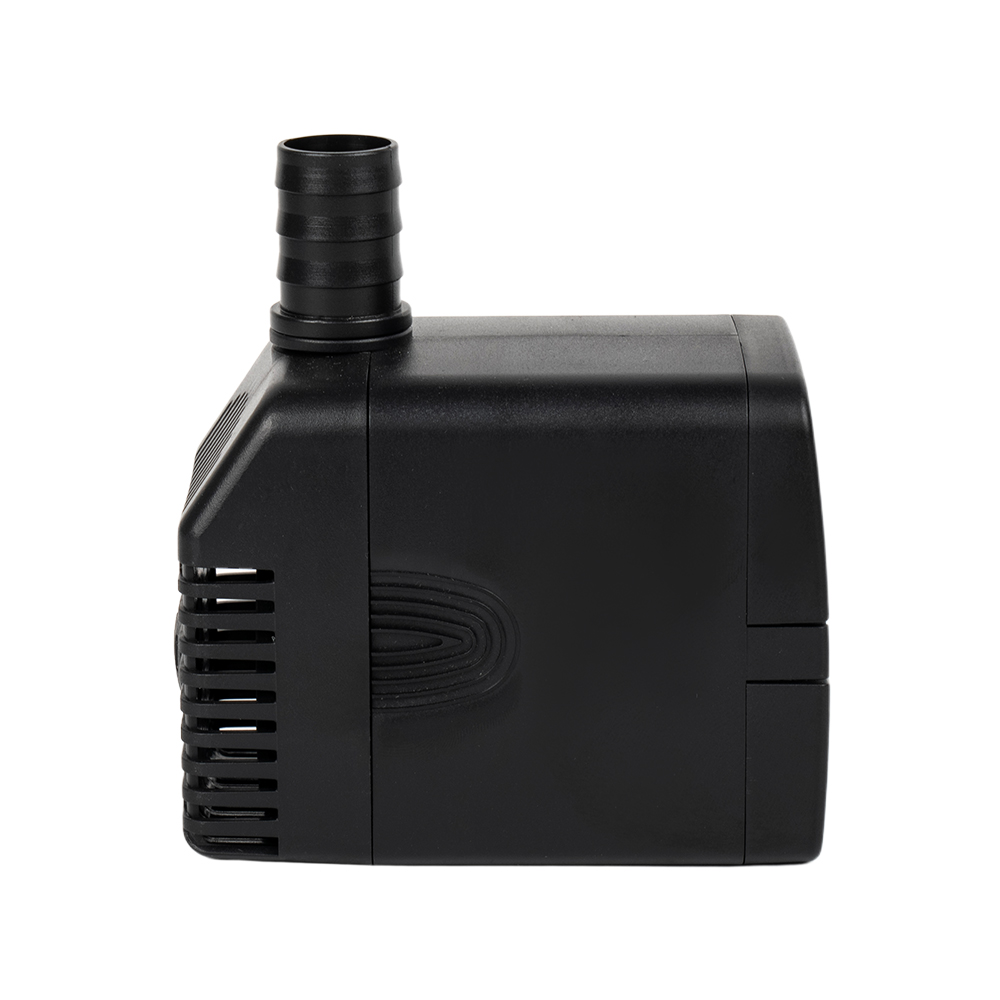
The DYH-40 customizable industrial air-cooled water pump is a high-efficiency pump designed specifically for industrial applications, widely used in a...
See Details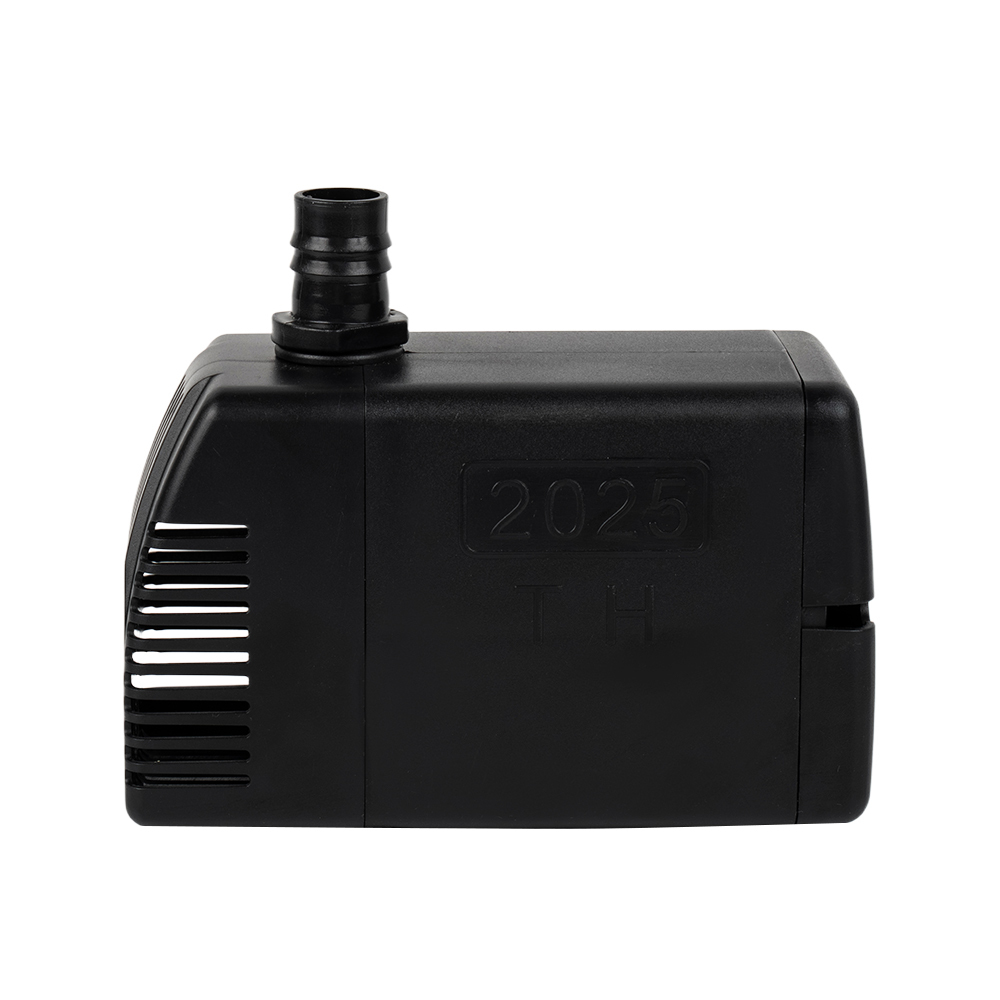
The DYH-80 High-Power 80W Resin Potting and Sealing Industrial Air Cooler Water Pump is a water pump designed specifically for industrial applications...
See Details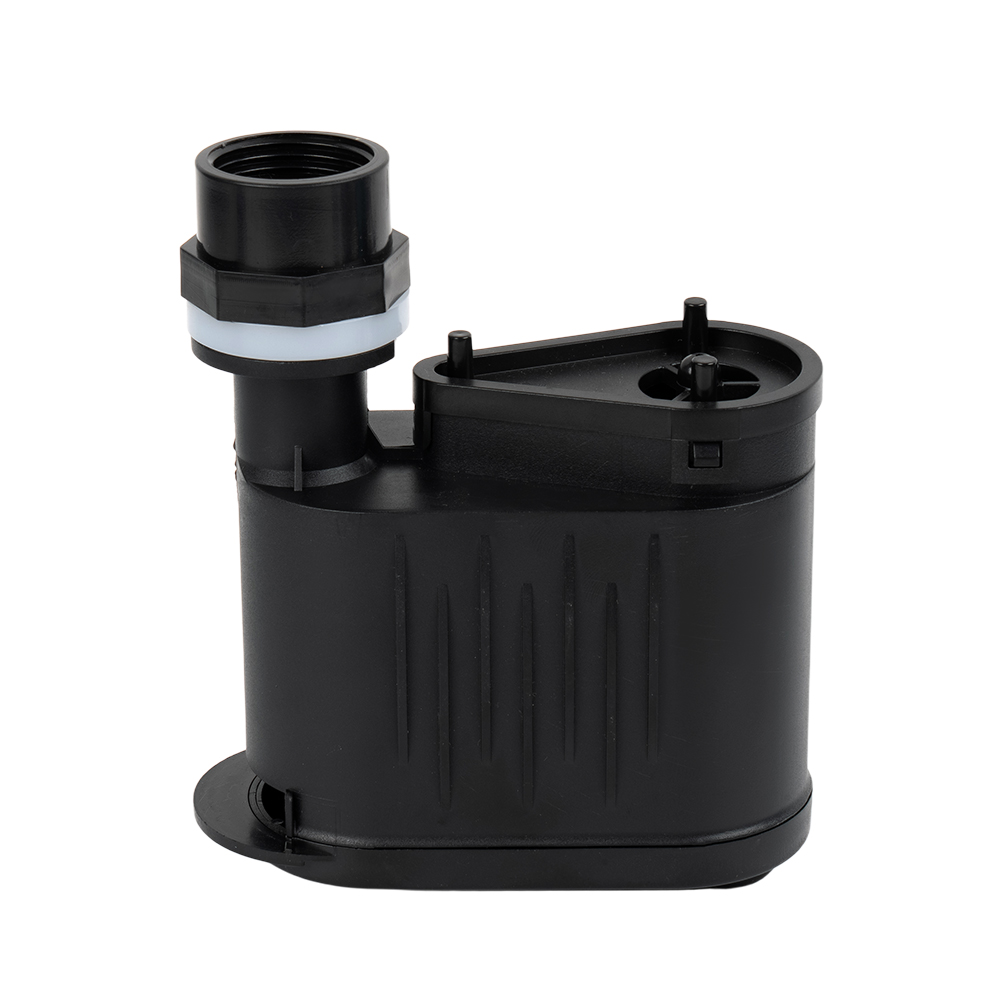
Factory direct supply, OEM/ODM supported, custom branding available. Suitable for a wide range of applications including air conditioning fans and oth...
See Details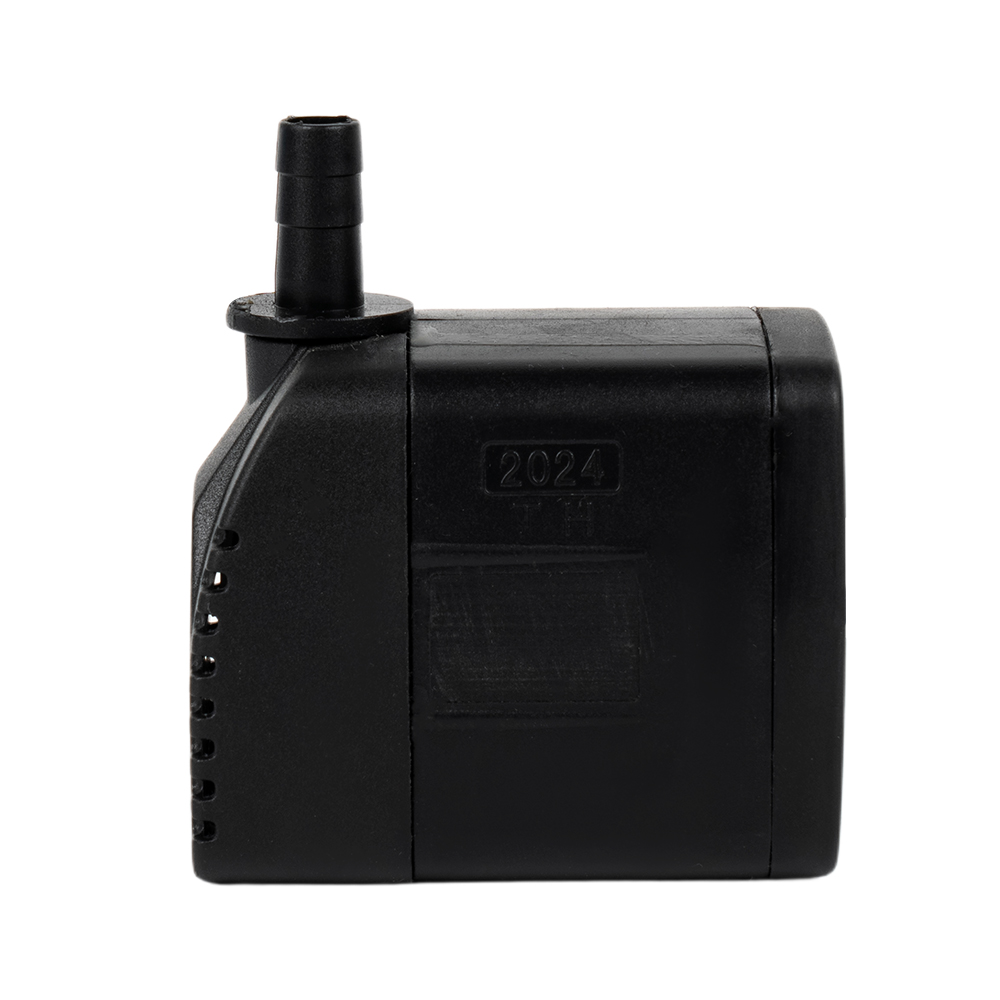
Applications: Water-circulating electrical equipment such as evaporative air conditioners, air coolers, misting fans, eco-friendly air conditioners, a...
See Details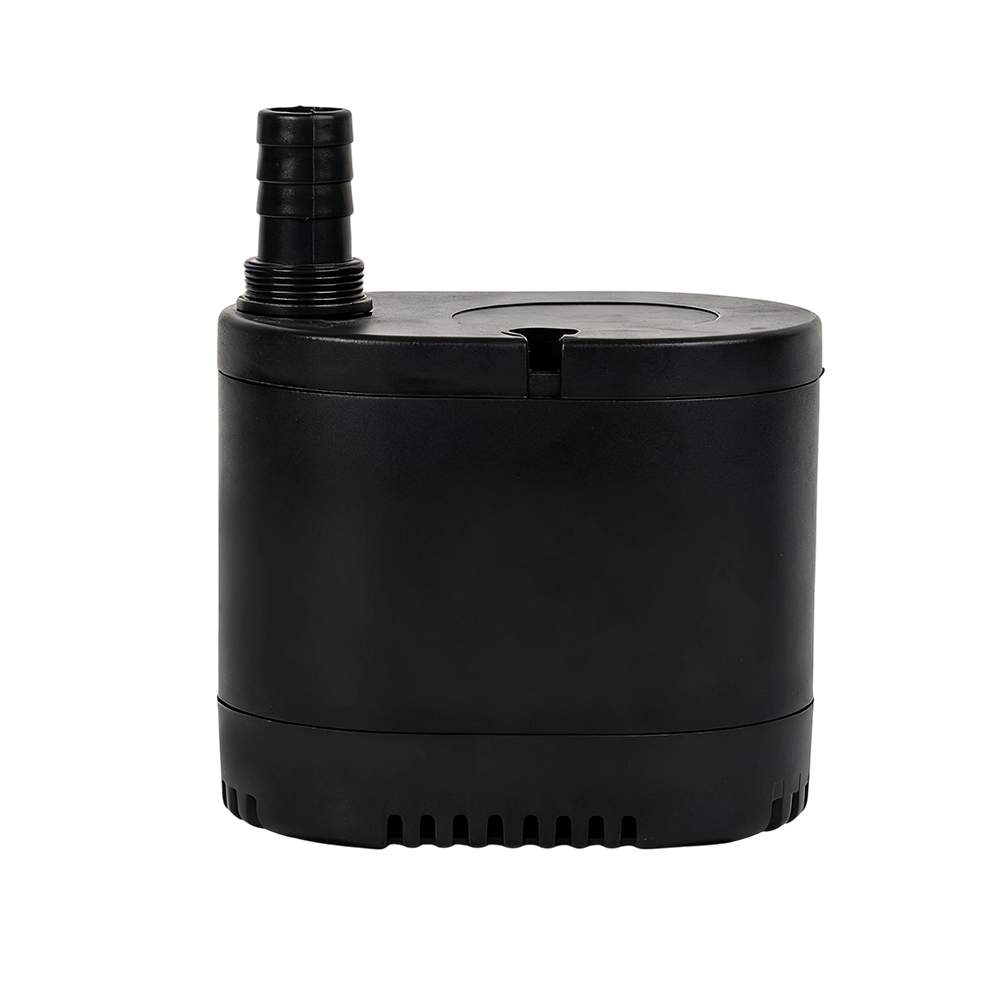
A round basket style is also available for order, with a variety of colors to choose from. The low-water-level design allows for pumping water levels ...
See Details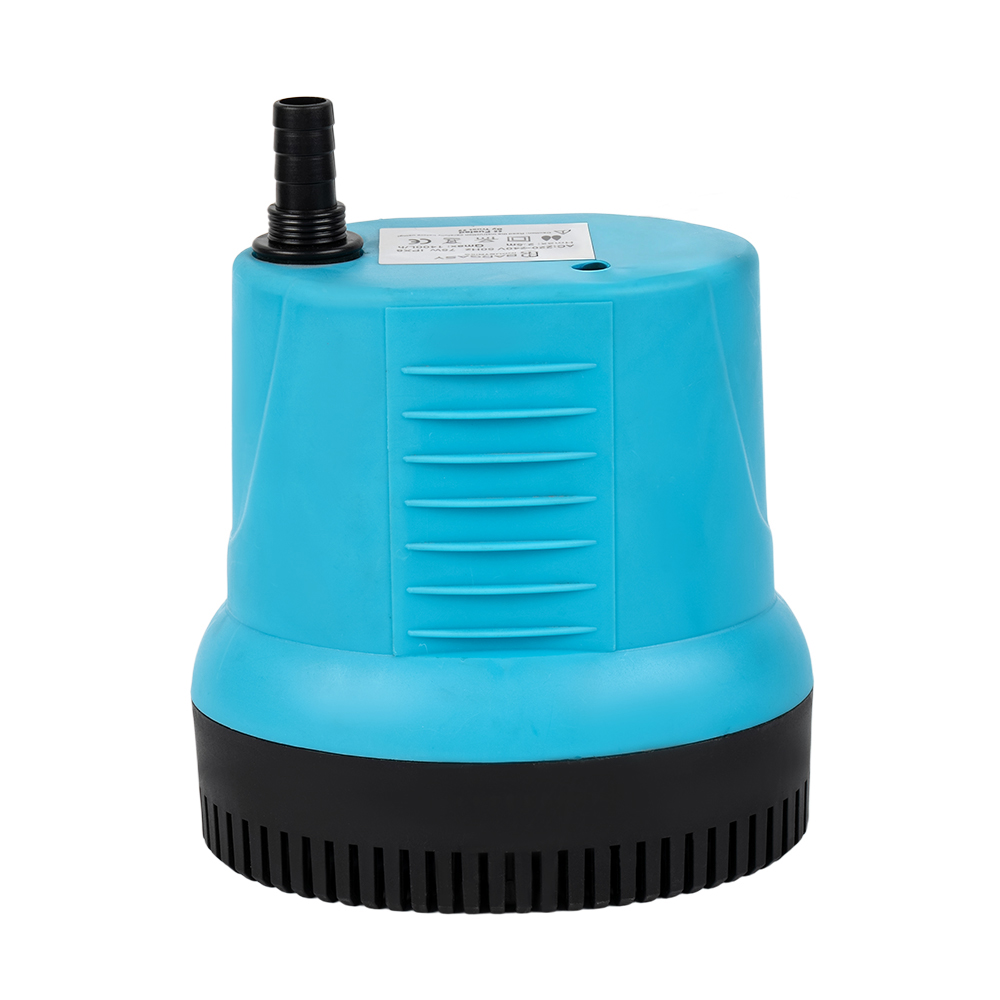
The DYH-45W Bottom Suction Submersible Pump is a high-performance, reliable solution designed to efficiently move water in a variety of applications. ...
See DetailsContent
Introduction to Air Cooler Drain Pumps In the realm of sustainable and cost-effective climate contro...
READ MOREWhat is an Air Cooler Pump? Definition of an Air Cooler Pump An air cooler pump is an essential comp...
READ MOREIntroduction to Industrial Evaporative Cooling Pumps An industrial air cooler pump is the driving fo...
READ MORE


+86-13605859208
+86-13615854385
+86-15167555022

Copyright © Shengzhou Tianhao Aluminum Foundry Co., Ltd.
All Rights Reserved.
 Wholesale Evaporative Cooling Water Pump Manufacturers
Contact Us