 LANGUAGE
 中文简体
中文简体DYH-30 Air Cooler Drain Pump with High Flow Rate and Outlet Design
Factory direct supply, OEM/ODM supported, custom branding available. Suitable for a wide range of applications including air conditioning fans and oth...
See Details [email protected]
 +86-575-83698898 / +86-13605859208 / +86-13615854385

A low-noise Air Cooler Pump generally provides better user comfort with minimal performance trade-offs, while a standard Air Cooler Pump often delivers similar water circulation efficiency but produces noticeably higher operational noise. In most modern cooling systems, the low-noise version performs within 5–10% efficiency difference compared to standard pumps, making it the preferred choice for indoor environments such as bedrooms and offices where sound control is important.
However, if cost and basic functionality are the priority, a standard Air Cooler Pump remains a practical option, especially in environments where noise is not a major concern such as workshops or outdoor cooling setups.
The most significant difference between both pump types is acoustic output. A low-noise Air Cooler Pump typically operates at 25–35 dB, which is comparable to a quiet library environment. In contrast, a standard Air Cooler Pump usually operates between 40–55 dB, which is clearly audible in quiet rooms.
This difference becomes important in sleeping environments. For example, in a 20 m² bedroom, a low-noise pump reduces perceived background disturbance by up to 60%, improving sleep quality and concentration during work or study.
Both pump types are designed to circulate water through cooling pads, but the internal structure differs slightly. A standard Air Cooler Pump may deliver marginally higher raw flow rates, often around 600–1000 L/h, while low-noise pumps usually range between 550–950 L/h.
Despite this slight difference, real-world cooling performance remains almost identical because evaporation efficiency depends more on pad quality and airflow rather than pump noise design.
Low-noise Air Cooler Pump systems are often engineered with optimized motor coils, resulting in 10–20% lower energy consumption compared to standard models. A typical low-noise pump consumes around 8–15 watts, while a standard pump may consume 10–20 watts.
Over long-term usage, this difference can reduce annual electricity costs, especially in regions where air cooling systems operate for more than 6 hours per day.
Standard Air Cooler Pumps often use simpler mechanical structures, while low-noise pumps incorporate vibration-dampening materials. As a result, low-noise versions typically have a longer lifespan of 2–4 years under regular usage, compared to 2–3 years for standard pumps.
However, durability also depends heavily on water quality, maintenance frequency, and operating conditions.
The air cooler water pump price varies significantly depending on design and noise control technology. Standard pumps are generally more affordable, ranging from basic entry-level pricing, while low-noise versions typically cost 15–40% more.
This price difference is mainly due to enhanced motor balancing, insulation materials, and precision engineering used to reduce vibration and acoustic output.
Modern cooling systems often use an air cooler submersible pump configuration, where the pump operates fully immersed in a water tank. Both low-noise and standard pumps are compatible with this setup, but low-noise models perform better in enclosed water tanks due to reduced vibration resonance.
Submersible systems also help extend pump life by providing natural cooling and reducing mechanical stress, especially during continuous operation.
Low-noise pumps require slightly more precise maintenance due to tighter tolerances. Regular cleaning every 2–4 weeks is recommended to prevent sediment buildup. Standard pumps may tolerate slightly longer maintenance intervals but may accumulate noise-related wear faster over time.
Proper maintenance ensures stable water flow and prevents performance degradation in both pump types.
| Feature | Low-Noise Air Cooler Pump | Standard Air Cooler Pump |
|---|---|---|
| Noise Level | 25–35 dB | 40–55 dB |
| Energy Use | 8–15 W | 10–20 W |
| Lifespan | 2–4 years | 2–3 years |
| Cost | Higher (15–40% more) | Lower |
When selecting between the two, users should consider environment, budget, and noise sensitivity. If comfort and quiet operation are priorities, a low-noise Air Cooler Pump is the optimal choice. If cost efficiency is more important and noise is not a concern, a standard Air Cooler Pump remains a reliable alternative.
Ultimately, both options perform the same core function, but the low-noise variant enhances overall user experience significantly in residential environments.
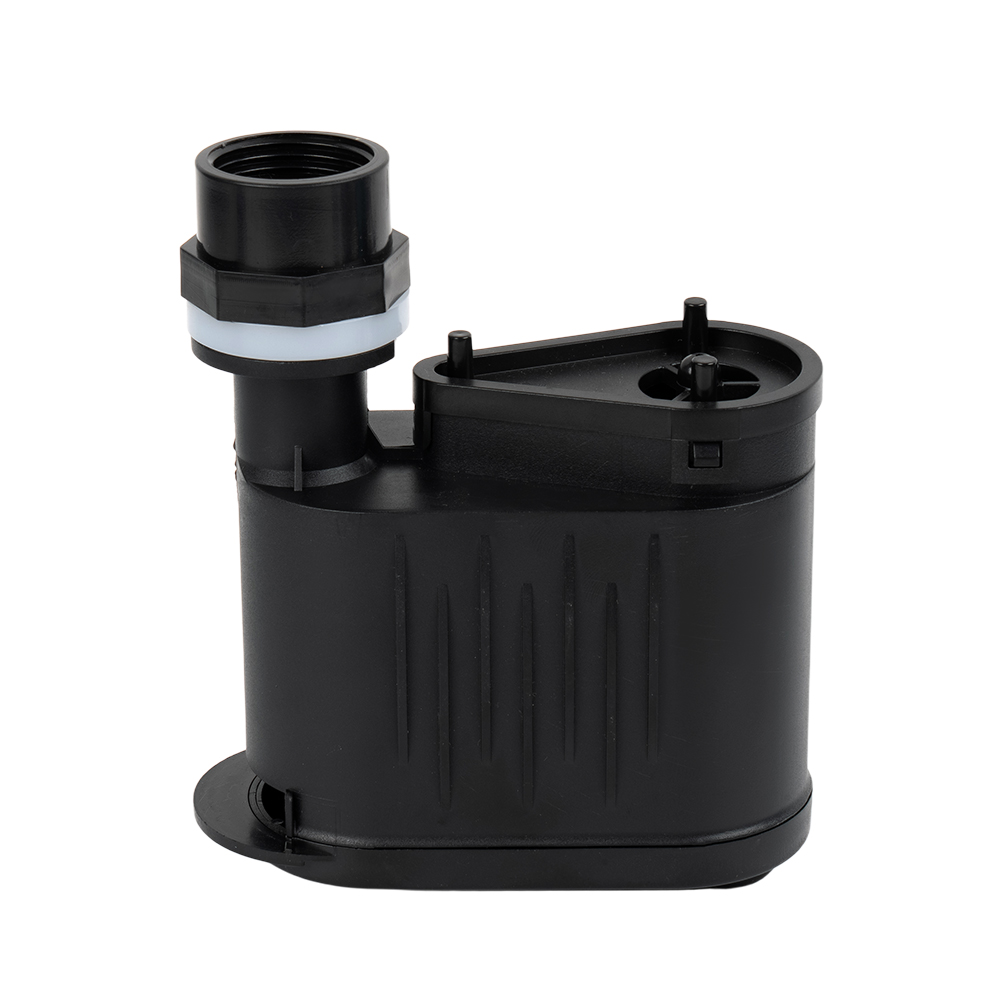
Factory direct supply, OEM/ODM supported, custom branding available. Suitable for a wide range of applications including air conditioning fans and oth...
See Details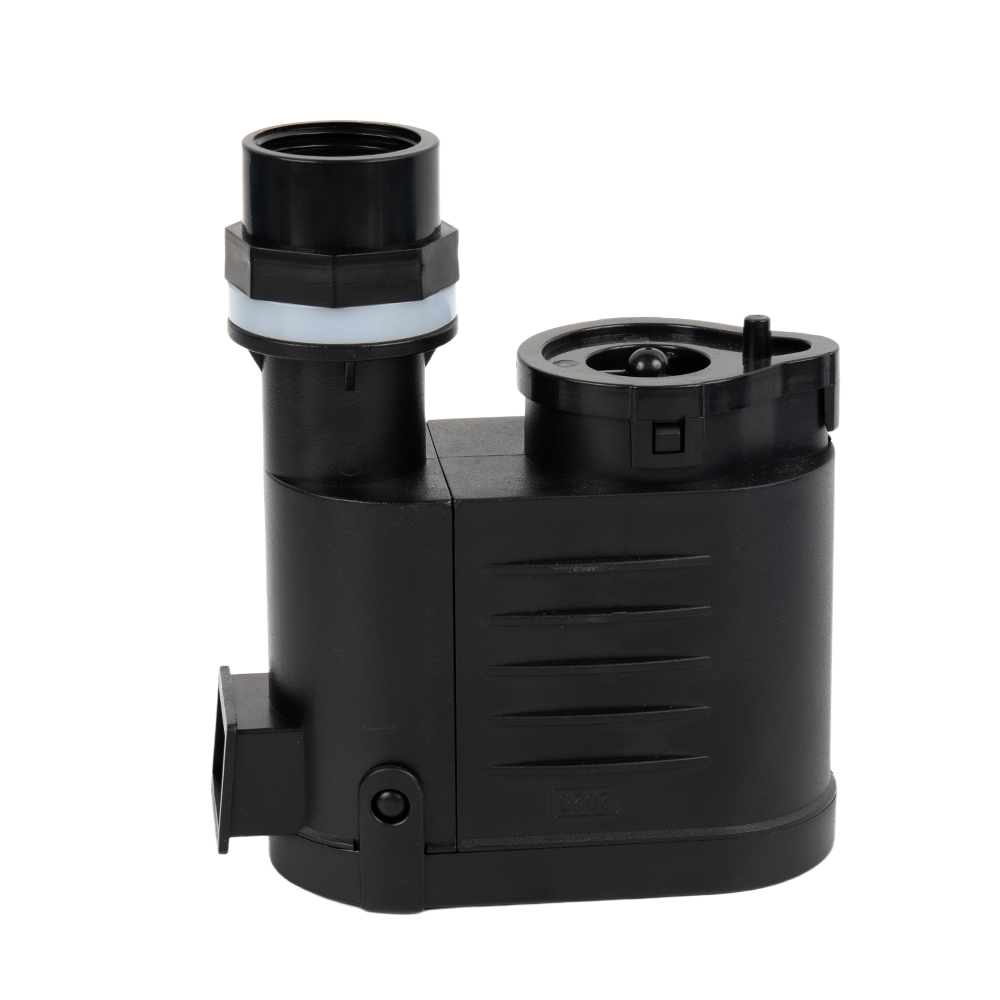
Customizable power and frequency, and customizable color box. Available in black and white outlets. Suitable for a wide range of applications includin...
See Details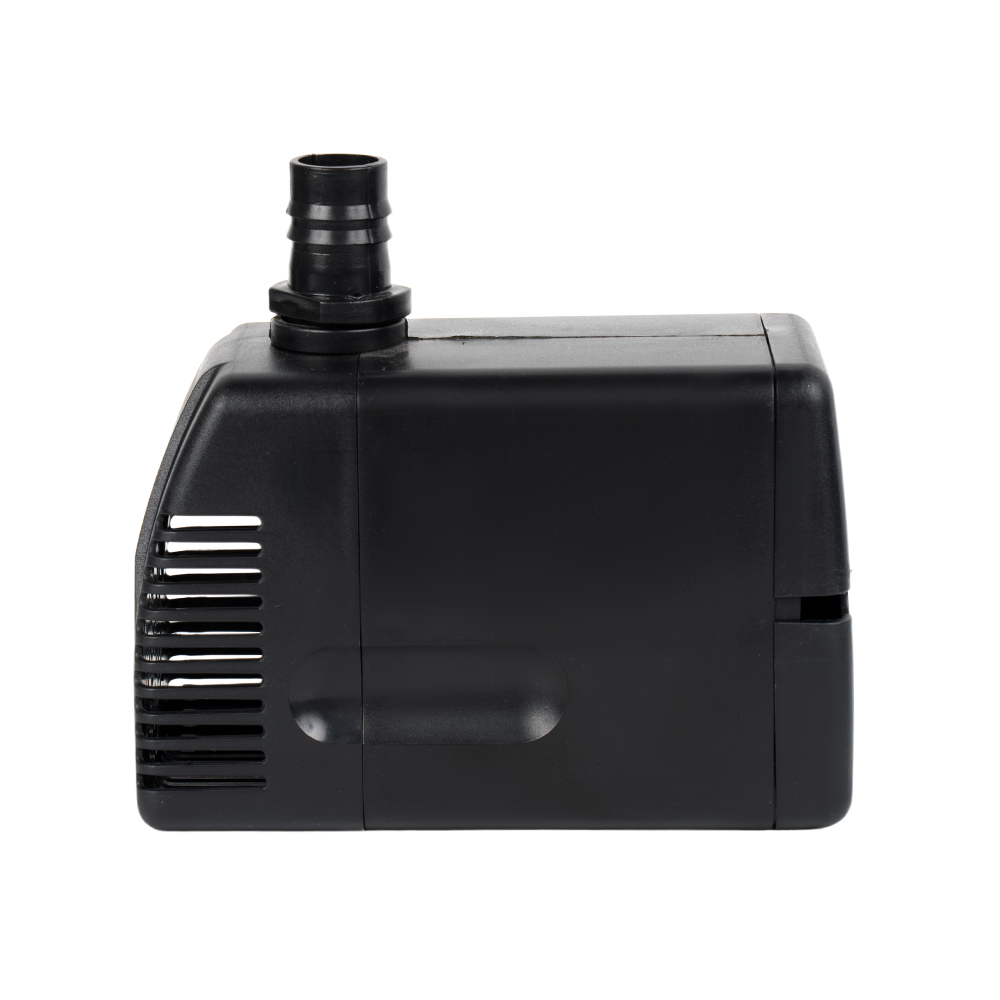
Product Applications: Suitable for industrial environmental air conditioning, mechanical equipment cooling, etc. Different outlet specifications can b...
See Details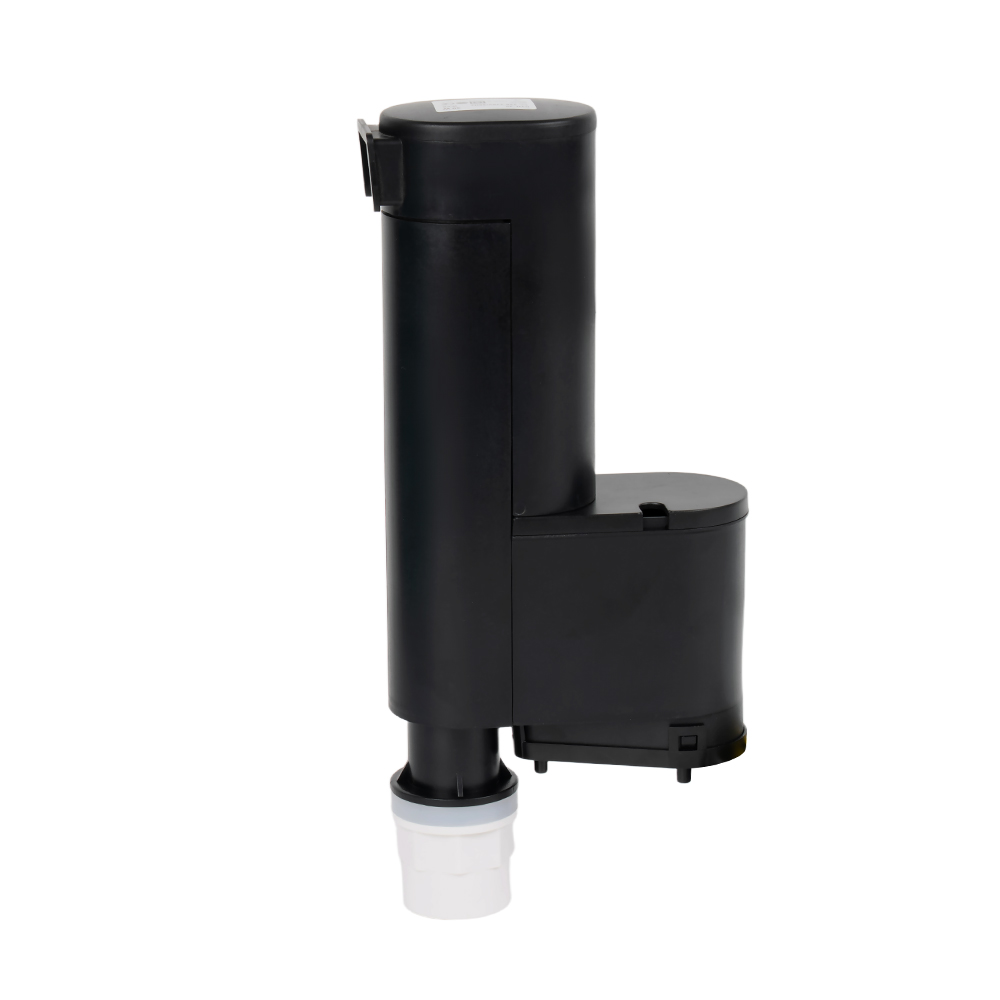
Are you troubled by the condensate drainage problem of your central air conditioning or fan coil units? Traditional drainage solutions often suffer fr...
See Details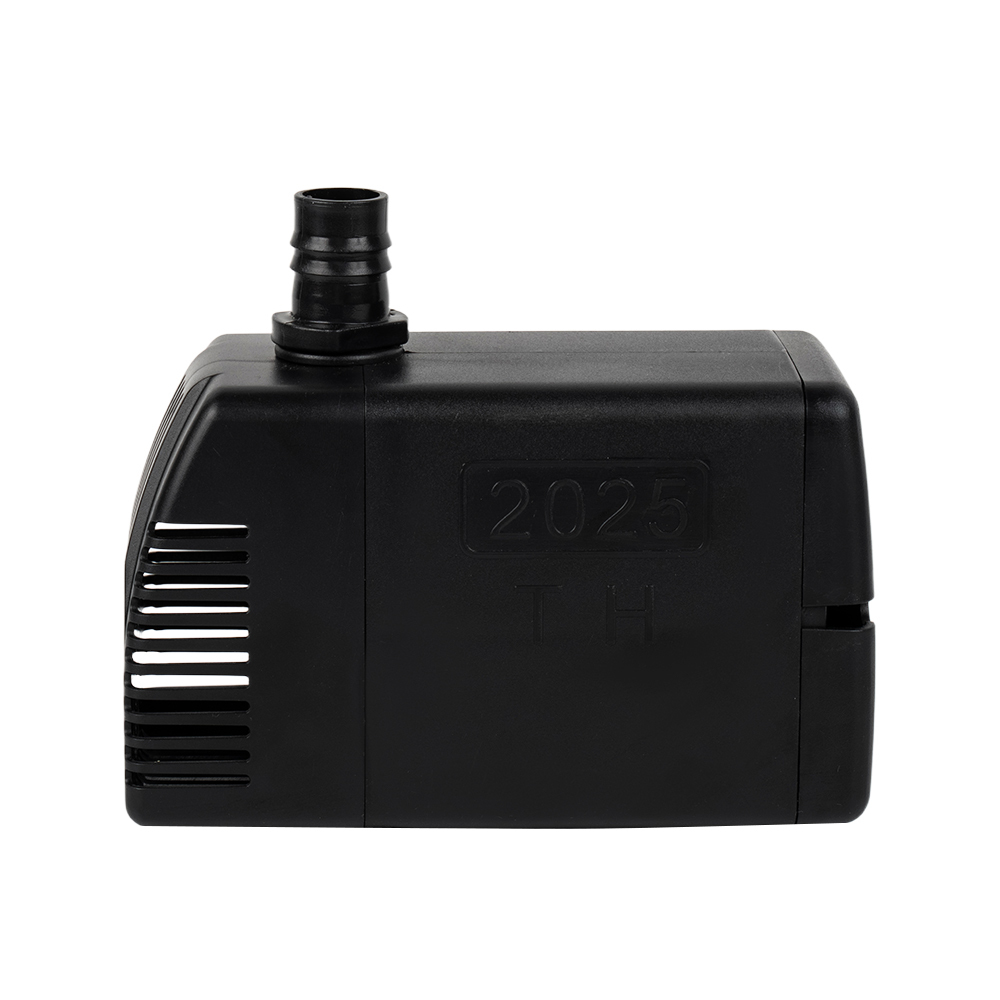
The DYH-80 High-Power 80W Resin Potting and Sealing Industrial Air Cooler Water Pump is a water pump designed specifically for industrial applications...
See Details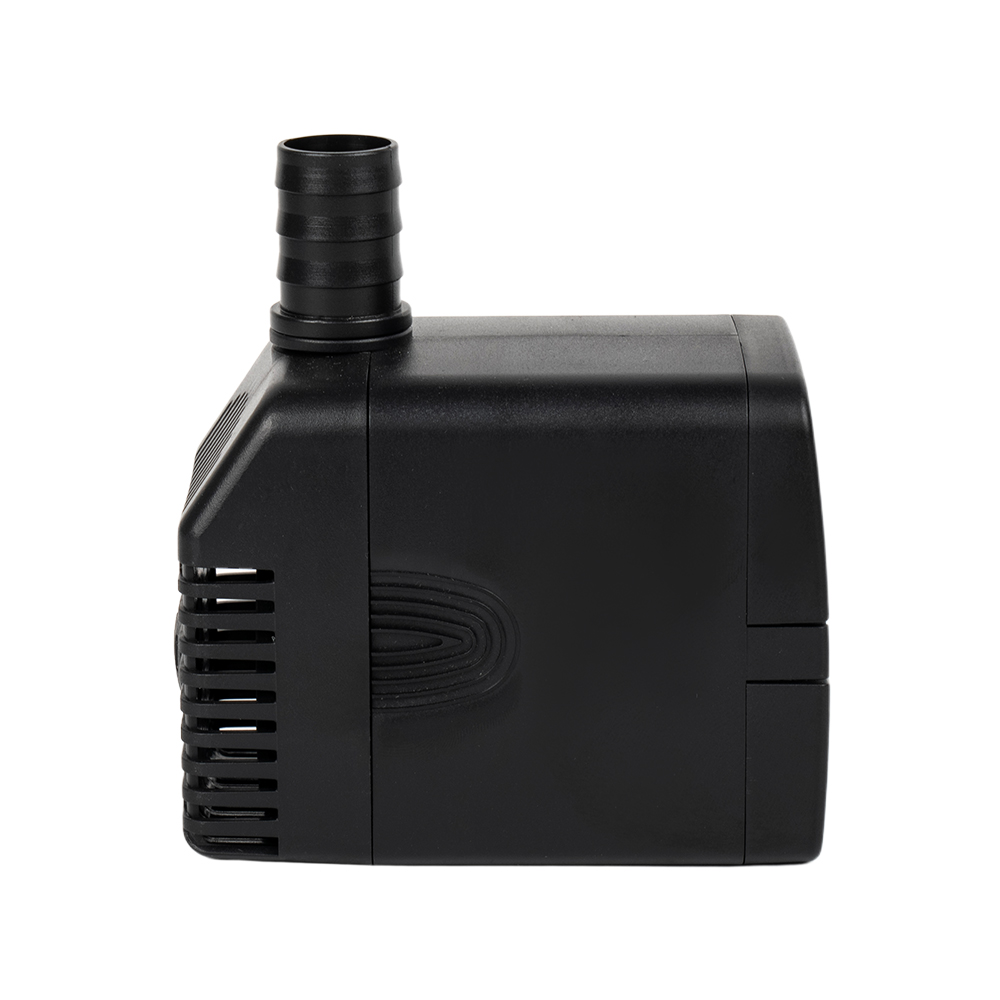
The DYH-40 customizable industrial air-cooled water pump is a high-efficiency pump designed specifically for industrial applications, widely used in a...
See DetailsContent
Introduction to Air Cooler Drain Pumps In the realm of sustainable and cost-effective climate contro...
READ MOREWhat is an Air Cooler Pump? Definition of an Air Cooler Pump An air cooler pump is an essential comp...
READ MOREIntroduction to Industrial Evaporative Cooling Pumps An industrial air cooler pump is the driving fo...
READ MORE


+86-13605859208
+86-13615854385
+86-15167555022

Copyright © Shengzhou Tianhao Aluminum Foundry Co., Ltd.
All Rights Reserved.
 Wholesale Evaporative Cooling Water Pump Manufacturers
Contact Us