 LANGUAGE
 中文简体
中文简体DYH-18B Cooler Fan Water Pump, Made of Brand New ABS Plastic
The DYH-18B Cooler Fan Water Pump is a high-performance, durable solution designed to enhance the efficiency of your cooling system. Made from brand-n...
See Details [email protected]
 +86-575-83698898 / +86-13605859208 / +86-13615854385

If the blower runs, the pads are bone dry and the pump is silent, the motor is usually the last thing that failed. In hard-water areas, most swamp cooler pumps that will not spin are mechanically locked: calcium and magnesium have bonded the impeller to the shaft, and the small motor inside has nowhere near the starting torque to break that bond. The remaining cases divide between a pump that is not receiving voltage and a winding already cooked by a dry run.
That order is also the order of cost. Descaling a locked pump takes twenty minutes and a bottle of white vinegar. Replacing a burnt one means matching voltage, wattage, discharge diameter and mounting footprint before the cooler is useful again.
Read the symptom before you reach for a tool, because each behaviour points at a different part of the system:
Evaporating water leaves its minerals behind. Over one season the sump becomes a mild brine, and that brine deposits a hard film on the pump shaft, the impeller bore and the intake grille. A film a fraction of a millimetre thick is enough to stop a small rotor. Push the impeller with a small screwdriver through the intake to confirm it: gritty resistance or a locked shaft means scale, while a smooth free spin points to an electrical fault. Soak the pump in a 1:1 white vinegar and water solution for thirty to sixty minutes, then work the impeller loose by hand. Never force it with pliers, because most impellers are glass-filled plastic on a soft steel shaft.
A swamp cooler pump rarely has its own switch. It is wired through the cooler control panel, often via a relay or a low-water float, so the fault may be upstream of the pump entirely. Test at the pump connector with a multimeter while the cooler is calling for water. Line voltage present and the pump silent means the pump has failed. No reading means the fault sits in the switch, the relay, the float or the wiring, and a new pump will change nothing.
Small submersible pumps use the water around them to carry heat out of the stator. Run one dry for even five minutes and the winding can open, or a built-in thermal protector can trip and reset only after the motor cools. A pump that is hot to the touch and silent deserves half an hour in a bucket of water before you condemn it. A protector that trips again ten minutes later is reporting a dying motor, not a temporary fault.
| Symptom | Most likely cause | Fastest test | What it tells you |
|---|---|---|---|
| Silent, cool to the touch | No voltage at the pump | Multimeter on the pump leads while the cooler calls for water | Line voltage means a failed pump; no reading means a failed switch, relay or float |
| Short hum, then silence | Stalled rotor from scale or debris | Turn the impeller by hand through the intake | Free spin suggests an electrical fault; gritty or locked means clean and retest |
| Spins dry, stalls in water | Worn bearing or swollen impeller | Soak thirty to sixty minutes in a vinegar solution | Free spin after soaking means the pump is serviceable |
| Trips the breaker | Moisture in the housing or a damaged cable | Inspect the cable jacket and the potted seal | Any crack or water ingress means replace, never re-seal |
| Hot body, no rotation | Open winding after a dry run | Resistance across the motor leads | Open circuit or near-zero ohms means scrap |
Before ordering anything, take the pump out of the cabinet. Working on a bench removes the water hazard and makes the results readable.
Replace the pump when the winding is open, the seal is compromised, the shaft is scored or the cable is damaged. A small circulation pump costs far less than a service call, and a re-sealed motor is a temporary fix at best. When you buy, match five numbers:
For coolers that run through a long, hot season, a pump with a resin-sealed stator and an anti-fouling impeller housing gives scale less to grip and keeps moisture away from the winding, which are exactly the two failure modes described above.
Not every pump in an evaporative system circulates water. Ducted and indirect coolers, along with many commercial air conditioners, use a second pump to push condensate out of a drain pan. Those units run for a few minutes at a time, move more water at a lower head, and often sit in a shallow pan where a low-profile or tall-legged body is the only thing that fits.
The symptoms differ as well. A failed drain pump shows up as water pooling under the unit, a musty smell, or a pump that runs continuously without ever clearing the pan. Our walkthrough of air cooler drain pump performance, installation and maintenance covers the pan-side checks in detail, including the float and hose faults that mimic a dead motor.
Once you move past a residential cabinet, the pump has to survive longer duty cycles, dirtier air and, in many plants, an intermittent water supply. That is where anti-dry-burn designs, resin potting and sealing, and higher-head side-suction bodies earn their price. A 40 W pump with a dry-run protector tolerates a slow float valve far better than an unprotected 16 W unit, and an 80 W resin-potted pump handles the dust and vibration of a workshop cooler without letting water find its way into the stator.
Every failure described above is a maintenance problem with a mechanical ending. A few habits stretch a pump across several seasons:
A swamp cooler water pump that will not spin is rarely a mystery. Scale locks it, a switch starves it, or a dry run has already finished it. Two checks, turning the impeller by hand and reading voltage at the pump leads, tell you which of the three you are dealing with, and both take less time than booking a service appointment.
Clean it if it moves. Confirm the circuit if it does not. Replace it when the winding is open or the seal has let water in, and match voltage, wattage, outlet diameter and suction style to the cooler you actually own rather than the label on the pump that failed.
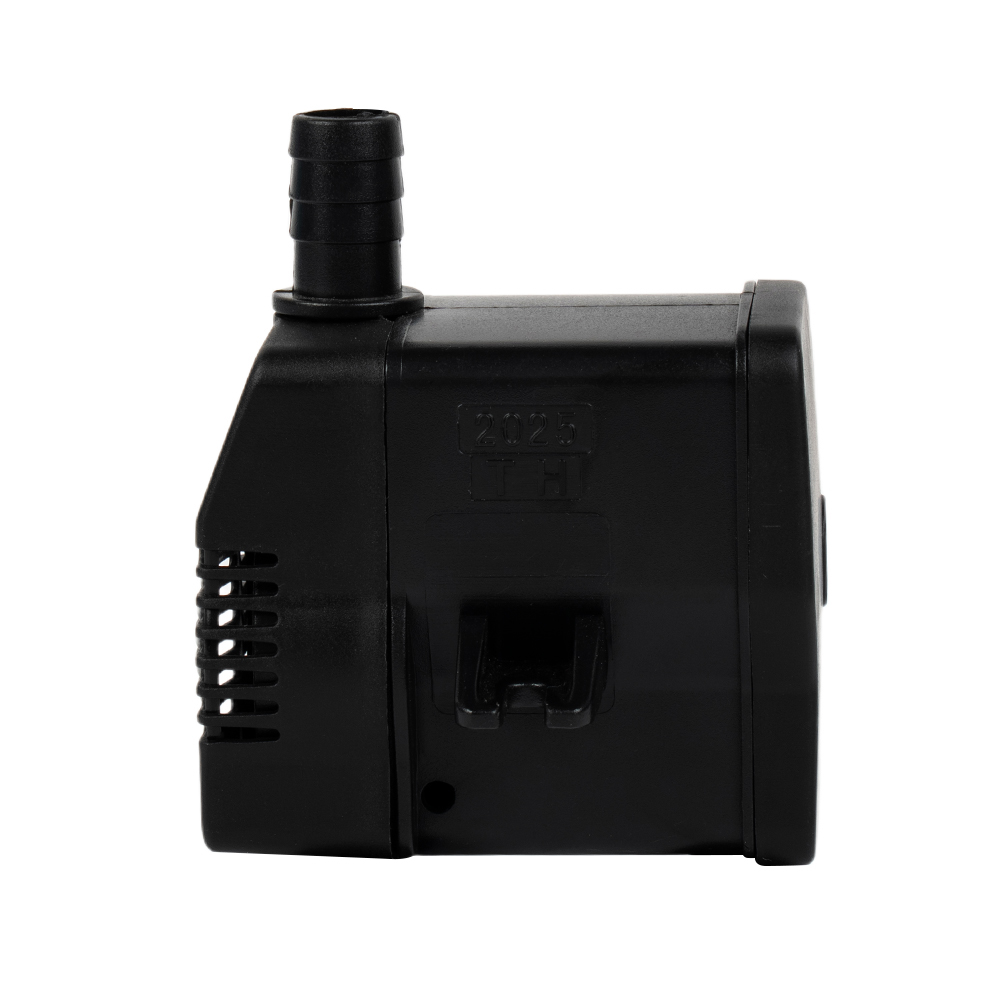
The DYH-18B Cooler Fan Water Pump is a high-performance, durable solution designed to enhance the efficiency of your cooling system. Made from brand-n...
See Details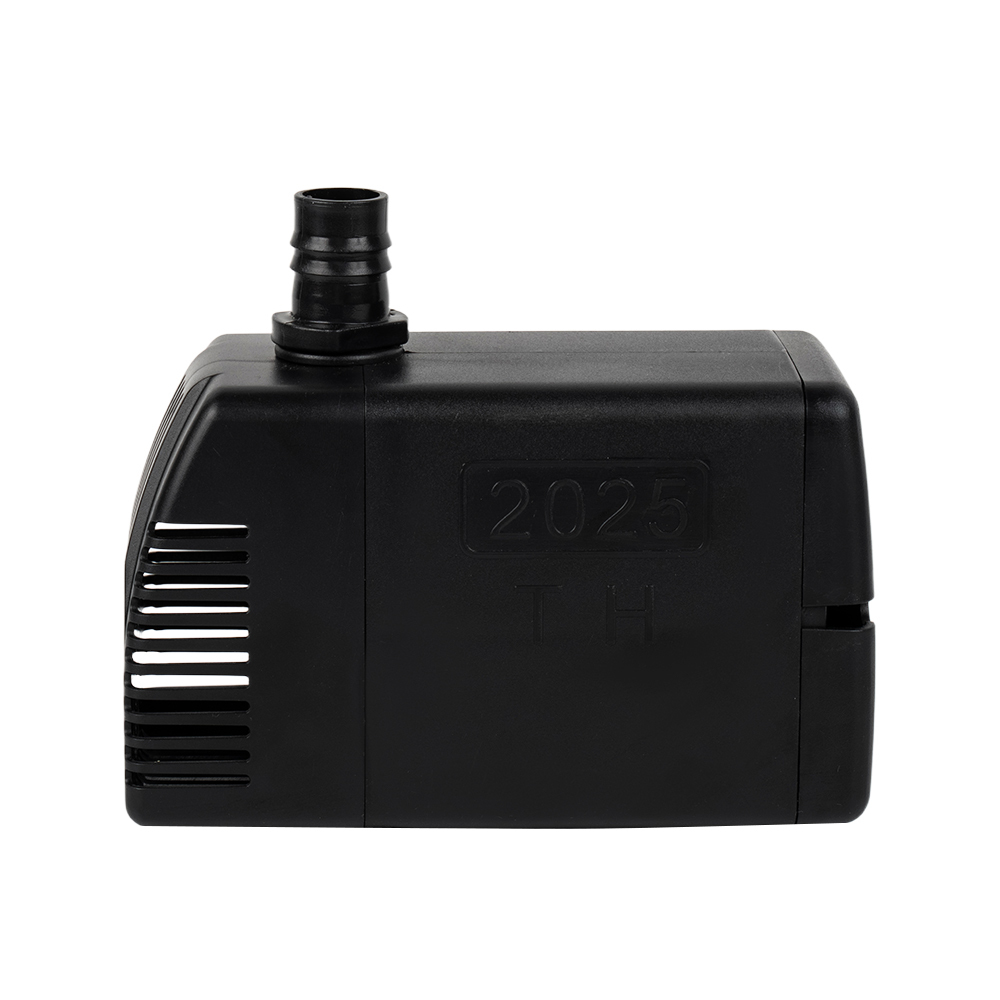
The DYH-80 High-Power 80W Resin Potting and Sealing Industrial Air Cooler Water Pump is a water pump designed specifically for industrial applications...
See Details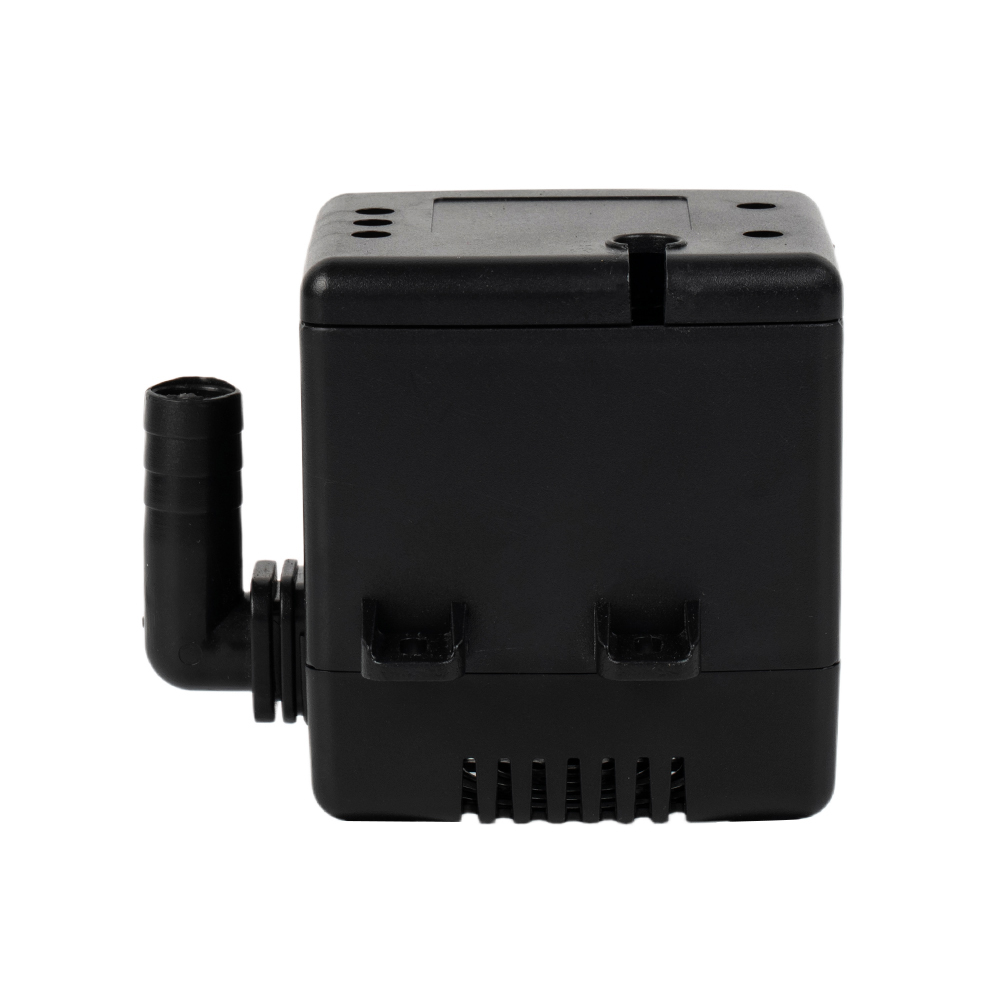
Applications: Water-cooled electrical equipment such as air coolers, air conditioners, misting fans, eco-friendly air conditioners, and mechanical coo...
See Details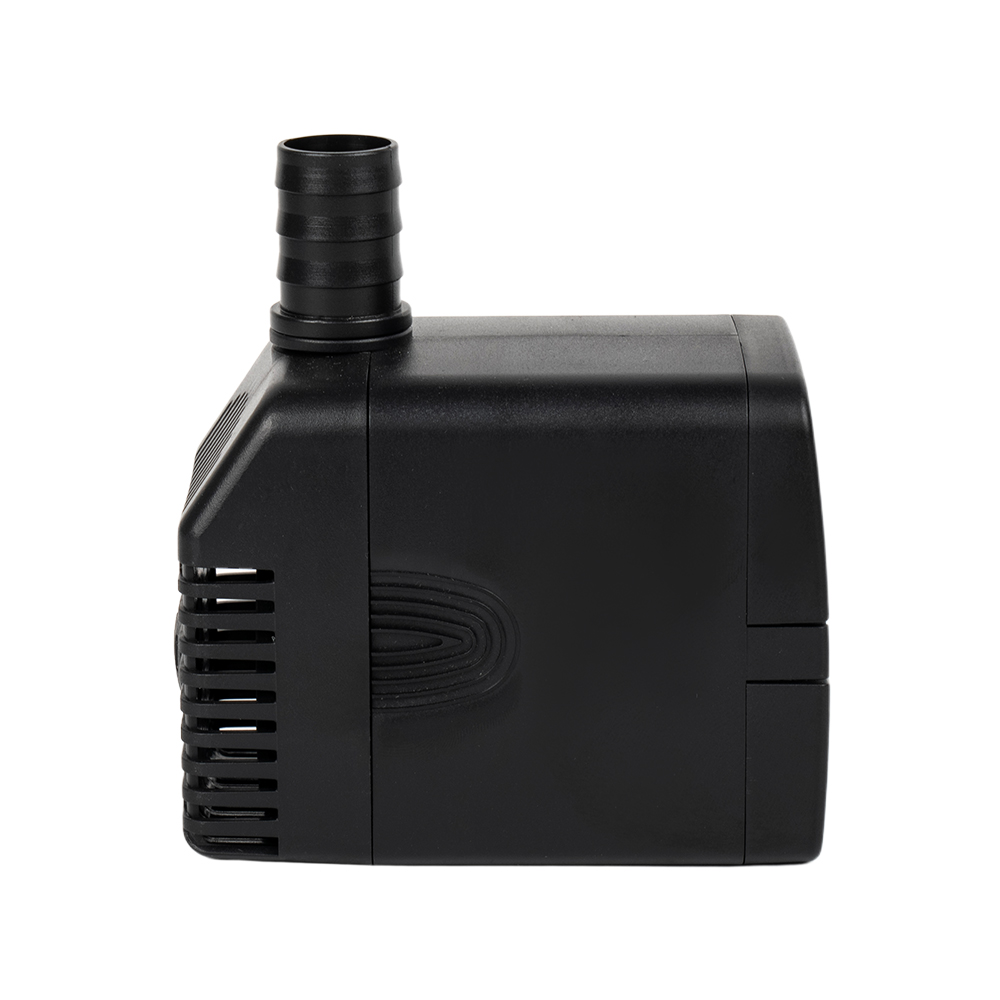
The DYH-40 customizable industrial air-cooled water pump is a high-efficiency pump designed specifically for industrial applications, widely used in a...
See Details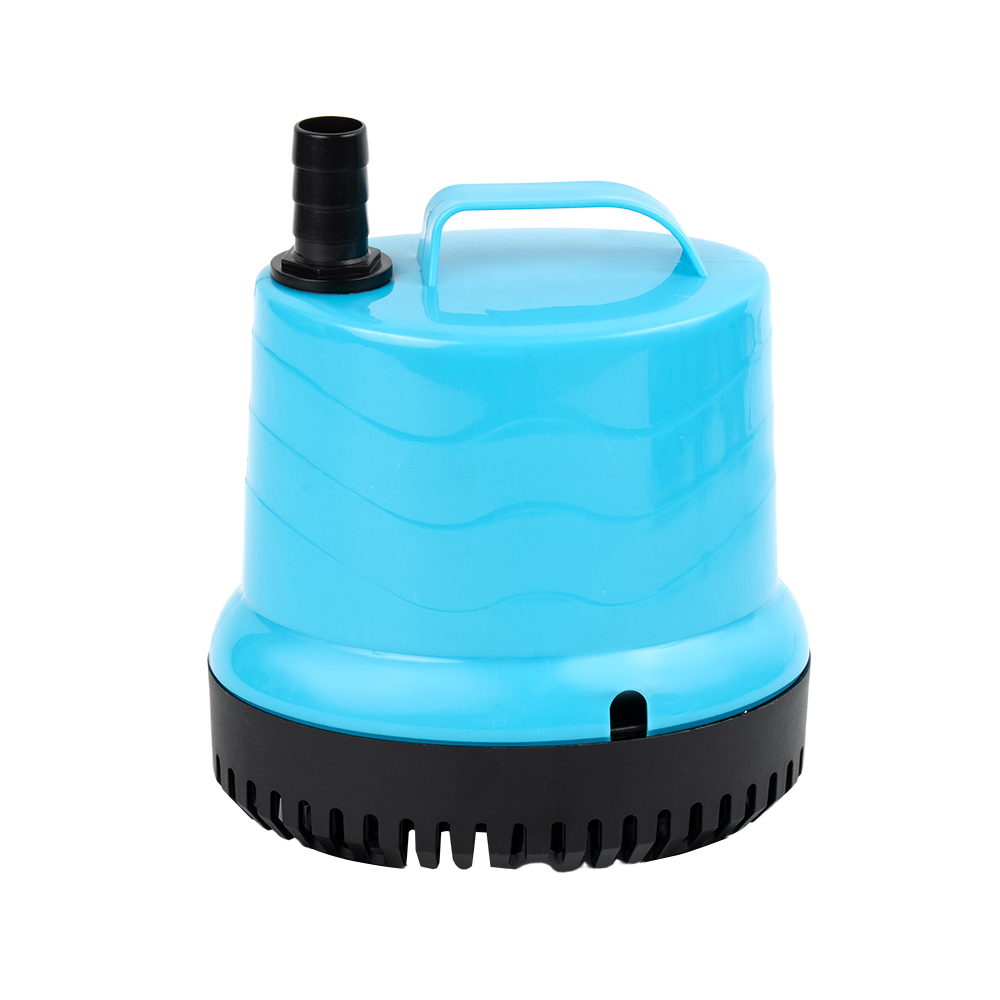
Applications: Fish tanks, fish ponds, top filters, etc. Available in 5 sizes. Features include: anti-dry-burning design, low-water-level operation, lo...
See Details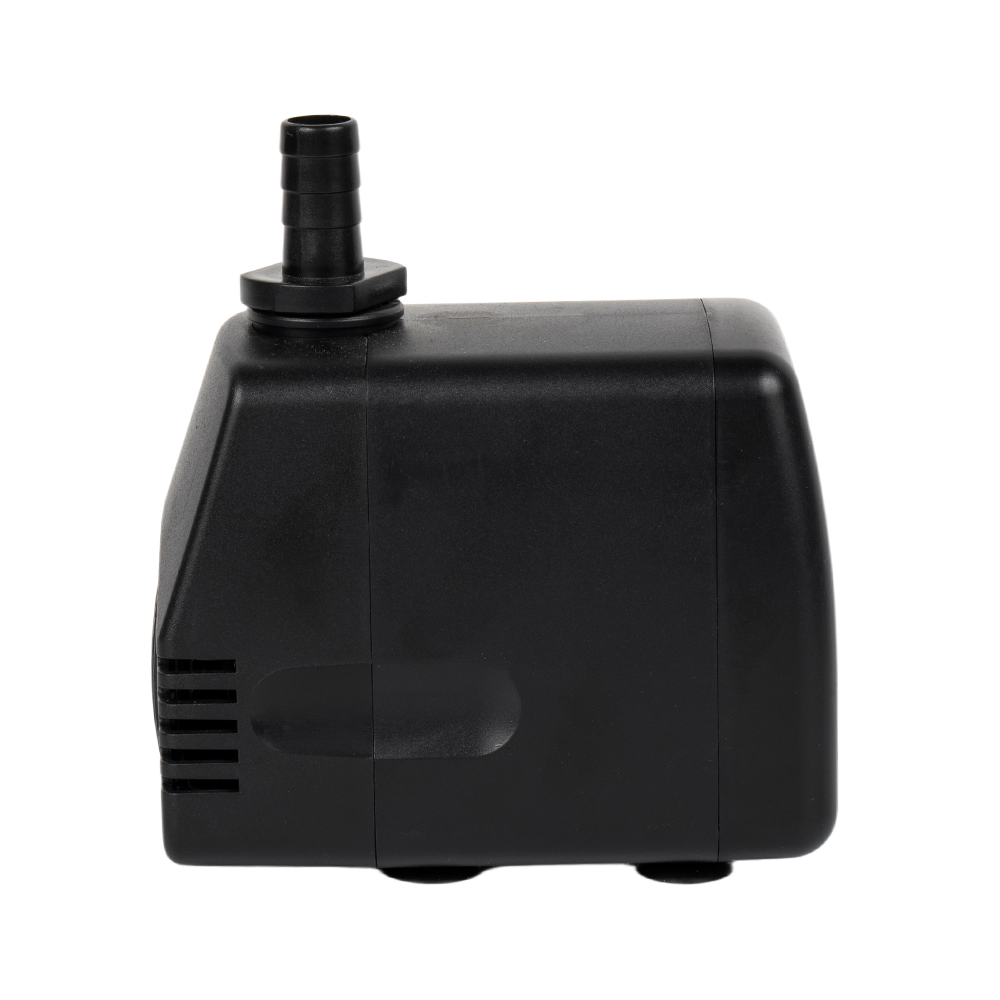
Both ceramic and steel shafts are customizable, featuring an anti-dry-burning design and resin potting seal. High-load bearings withstand heavy impact...
See DetailsContent
Introduction to Air Cooler Drain Pumps In the realm of sustainable and cost-effective climate contro...
READ MOREWhat is an Air Cooler Pump? Definition of an Air Cooler Pump An air cooler pump is an essential comp...
READ MOREIntroduction to Industrial Evaporative Cooling Pumps An industrial air cooler pump is the driving fo...
READ MORE


+86-13605859208
+86-13615854385
+86-15167555022

Copyright © Shengzhou Tianhao Aluminum Foundry Co., Ltd.
All Rights Reserved.
 Wholesale Evaporative Cooling Water Pump Manufacturers
Contact Us