

 LANGUAGE
 中文简体
中文简体
Diagnostics — Cooling System Health
A pump rarely fails without warning. It whispers first — through heat, through sound, through the quiet loss of flow — long before it stops.
The Direct Answer: What Are the Earliest Warning Signs of Pump Failure?
The earliest and most reliable warning signs that a cooler water pump is failing are rising system temperatures despite unchanged usage, unusual noises such as grinding or whining, and a noticeable drop in coolant flow rate. These three symptoms typically appear weeks or even months before a pump fails completely, giving users a critical window to diagnose and address the issue before it leads to overheating, thermal shutdown, or permanent hardware damage. In many cases, a pump does not fail instantly; instead, it degrades gradually as bearings wear down, seals weaken, or the impeller becomes obstructed, which is why catching these early indicators matters so much.
Whether you are running a sealed AIO liquid cooler, a custom loop, or even an air cooler water pump setup used in evaporative or swamp cooling systems, the underlying warning signs share a common pattern: reduced efficiency, abnormal sound, and inconsistent circulation. Understanding these patterns allows users to intervene early, saving both the pump and the components it protects.
Rising Temperatures: The First Red Flag
One of the most common early indicators is a gradual increase in idle or load temperatures, even when workload, ambient room temperature, and fan speeds remain unchanged. If a system that used to idle at 35°C now consistently sits at 42°C or higher under the same conditions, this often points to reduced coolant circulation caused by a weakening pump. Temperature creep is rarely dramatic at first; it tends to happen slowly over several weeks, which is why many users dismiss it as normal fluctuation until the problem becomes severe.
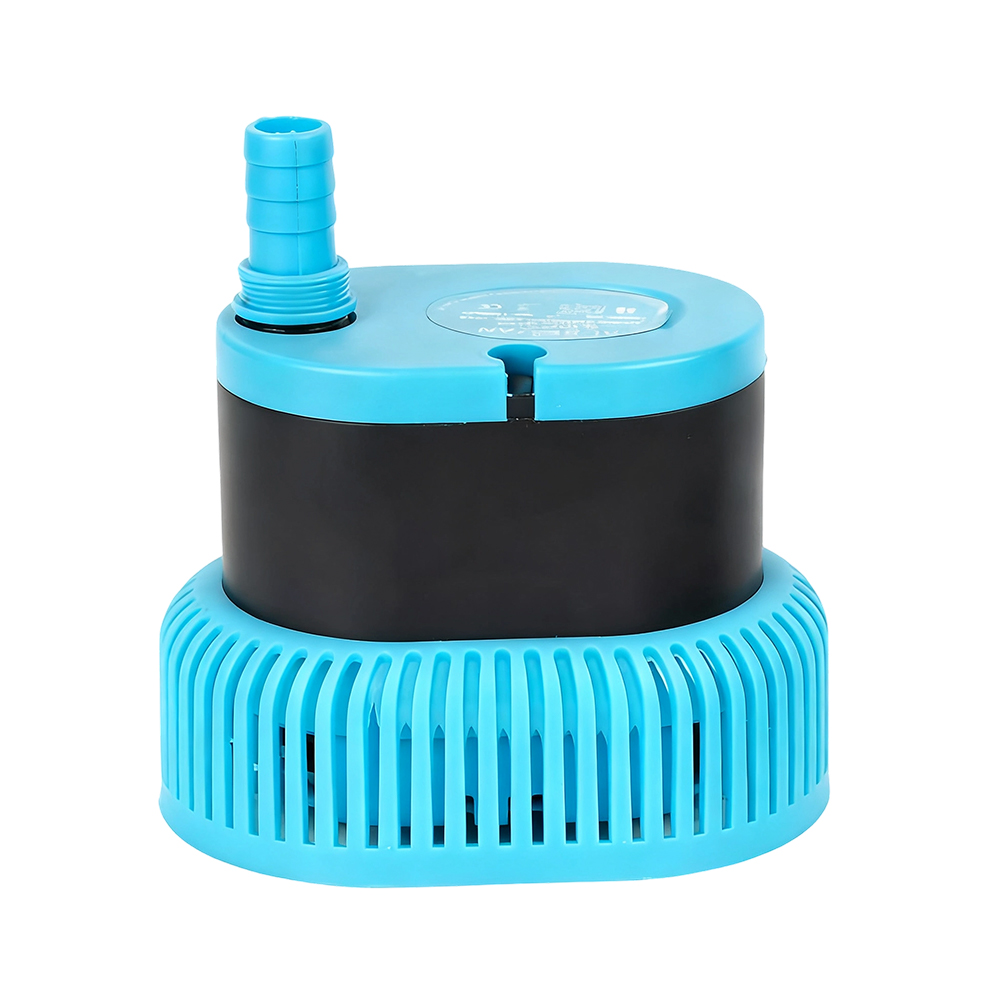
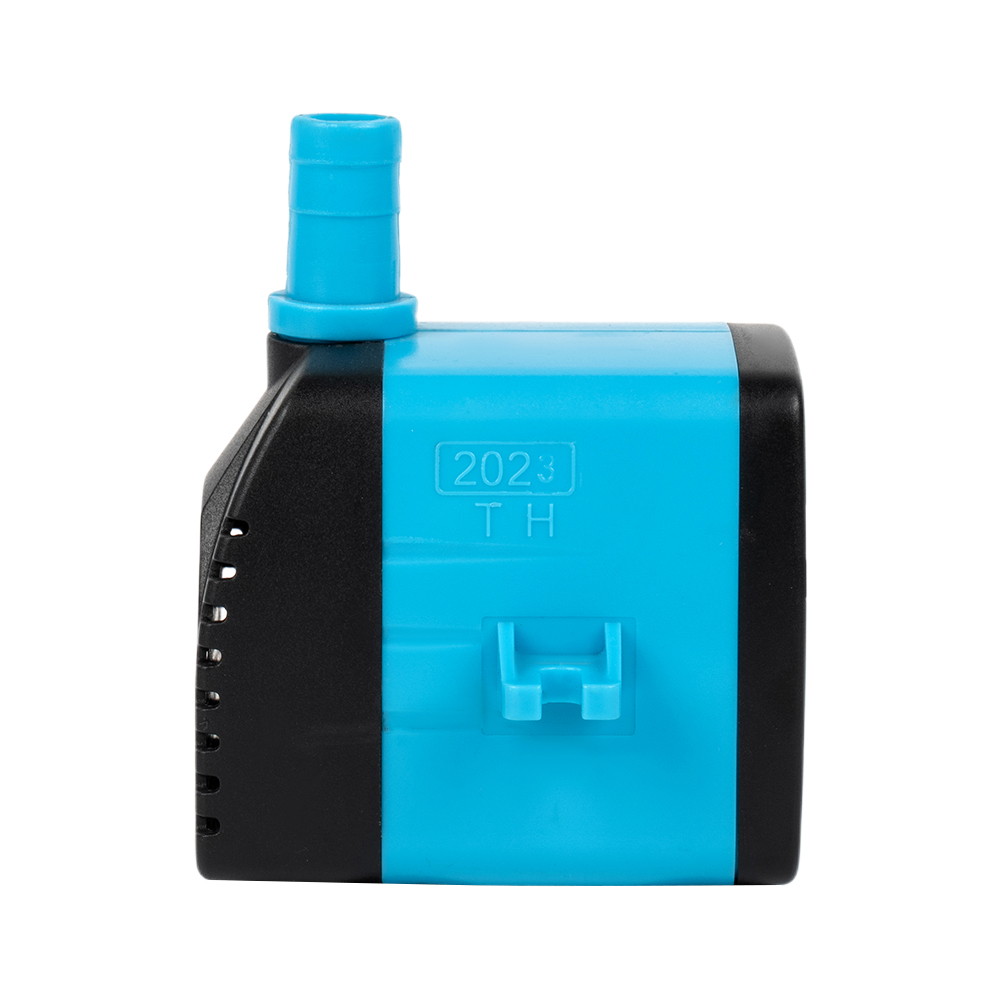
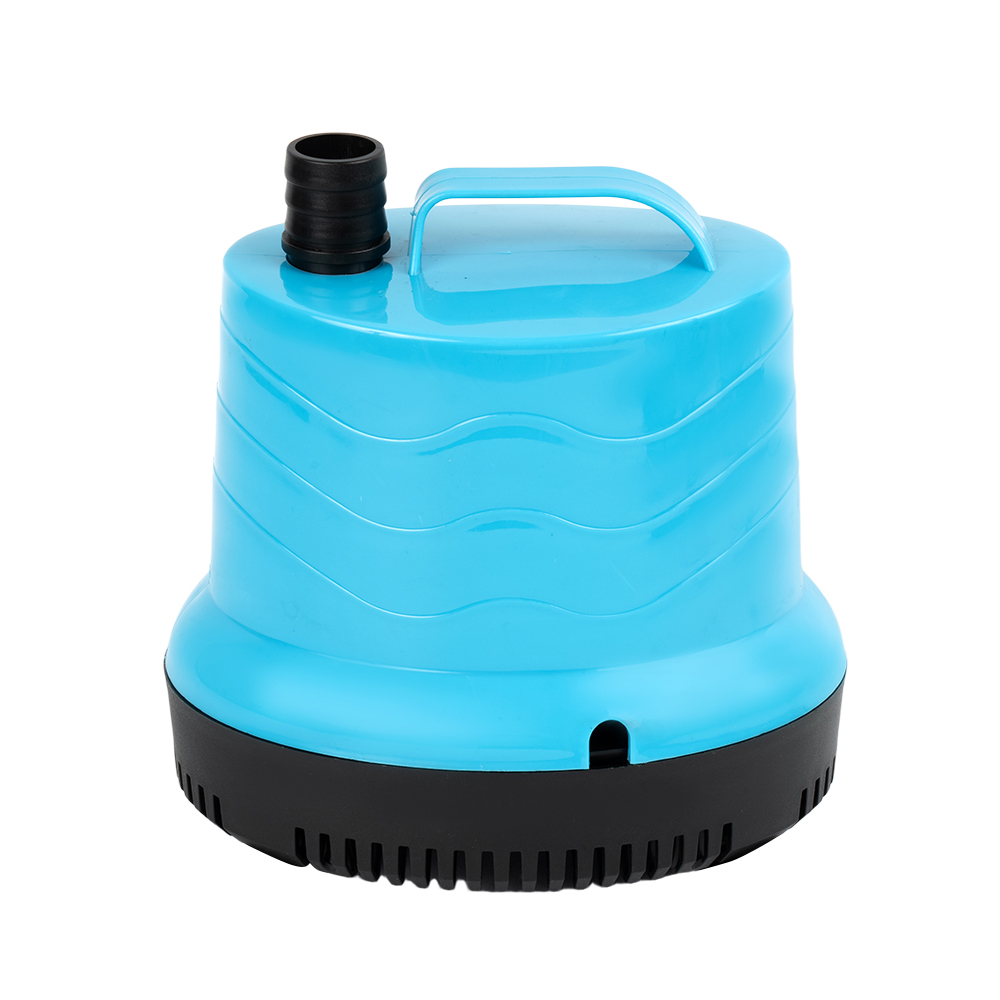
cooler water pump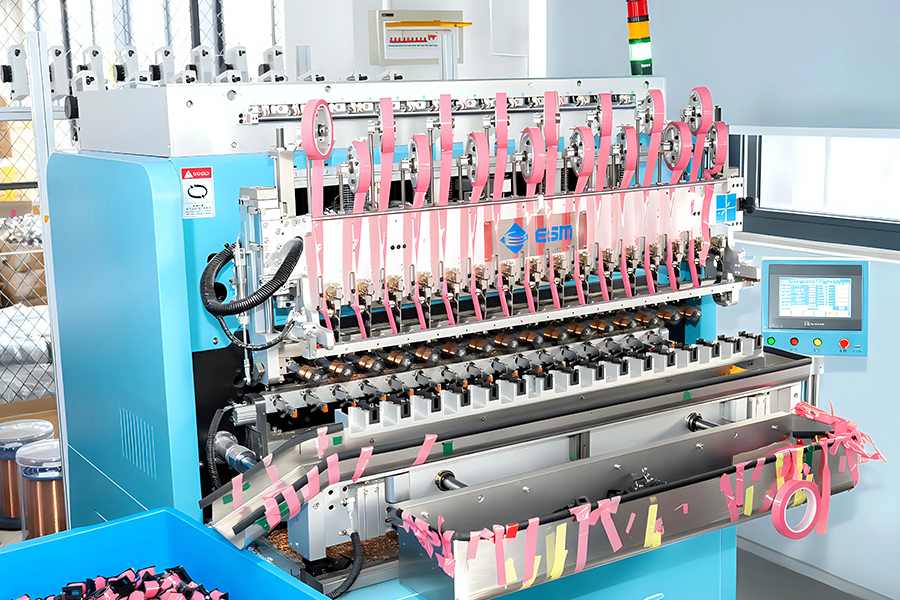
Why Temperature Rises Before Total Failure
As pump bearings wear or the impeller loses efficiency, the volume of coolant moved per minute decreases. Less coolant reaching the radiator or heat exchanger means less heat is carried away, causing a steady upward trend in temperature readings. Monitoring software that logs historical temperature data over time is one of the most effective tools for catching this trend early, since a single reading in isolation can be misleading.
Unusual Noises Coming From the Pump
Noise is often the most noticeable early warning sign because it is immediately obvious to the user, even without any diagnostic tools. A healthy pump typically produces a quiet, consistent hum. When that sound changes, it usually signals mechanical wear or internal disruption.
- Grinding or scraping sounds often indicate worn bearings or debris inside the impeller housing
- High-pitched whining can point to the motor working harder than normal to maintain speed
- Rattling noises may suggest loose internal components or trapped air bubbles cycling through the pump
- Intermittent clicking can indicate the impeller occasionally catching or stalling briefly before recovering
Not all unusual noise means the pump is failing. Trapped air after installation or maintenance can also produce gurgling or rattling sounds — if it persists beyond a few days after bleeding, mechanical wear is the far more likely cause.
Reduced or Inconsistent Coolant Flow
A visible or measurable drop in flow rate is one of the clearest technical indicators of pump degradation. In systems with clear tubing or a flow indicator, users can often see coolant moving more slowly or with visible pulsing rather than a smooth, continuous stream. In more advanced setups, flow sensors can provide exact readings in liters per minute, and a drop of 20% or more from the system's baseline flow rate is generally considered a strong indicator that the pump requires attention.
Manual Ways to Check Flow Without Sensors
For systems without built-in flow sensors, users can gently feel the tubing near the radiator inlet and outlet for temperature differential, or briefly observe the reservoir for turbulence, which indicates active circulation. A reservoir with little to no visible movement, despite the pump appearing to run, often points to a failing or clogged impeller.
RPM Fluctuations and Software Monitoring Clues
Modern pumps often report RPM data through monitoring software, and inconsistent or fluctuating RPM readings are a strong early warning sign. A healthy pump typically maintains a stable RPM within a narrow range under consistent conditions. When readings begin to jump erratically, or the pump briefly drops to zero RPM before recovering, this usually indicates internal resistance, bearing wear, or partial blockage.
Info
Setting up alerts in monitoring software to flag RPM drops below a certain threshold can provide an early notification before the issue becomes noticeable through temperature or noise alone. This is especially valuable in systems that run continuously, such as home servers or workstations under constant load.
Physical Signs: Leaks, Corrosion, and Sediment
Beyond sound and temperature, physical inspection can reveal early warning signs that are easy to miss during casual use. Small drops of coolant near the pump housing, discoloration around fittings, or visible sediment buildup near the inlet are all indicators that the pump's internal seals or components are beginning to degrade.
| Warning Sign | Likely Cause | Urgency Level |
|---|---|---|
| Rising temperatures | Reduced flow, weakening impeller | Moderate |
| Grinding noise | Worn bearings, debris | High |
| Reduced flow | Clogged impeller, wear | High |
| Visible leak or corrosion | Seal failure | Critical |
| RPM fluctuation | Internal resistance, blockage | Moderate to High |
Danger
Any visible coolant leak or corrosion around the pump housing should be treated as an urgent issue. Continued operation risks electrical exposure to nearby components and rapid, unrecoverable seal failure.
Warning Signs in Evaporative and Swamp Cooler Systems
While much of this discussion applies to liquid-cooled electronics, the same fundamental warning signs appear in evaporative cooling applications as well. A swamp cooler water pump that is beginning to fail often shows reduced water distribution across the cooling pads, resulting in dry spots, weaker airflow cooling, and a musty smell caused by insufficient water saturation. Homeowners frequently notice this as inconsistent cooling performance on hot days, even though the fan continues to run normally.
In these systems, listening for a change in pump hum, checking for reduced water flow onto the pads, and inspecting for mineral scale buildup are the equivalent early warning steps to those used in electronics cooling. Mineral-rich tap water accelerates wear in evaporative cooler pumps significantly faster than distilled or filtered water, making periodic descaling an important preventative measure.
How to Respond When You Notice These Signs
Once one or more warning signs appear, taking a structured approach helps confirm whether the pump is truly failing or whether a simpler fix will resolve the issue.
- Check monitoring software for RPM and temperature trends over the past two to four weeks
- Inspect tubing and reservoir visually for flow consistency, discoloration, or sediment
- Bleed the system to rule out trapped air as the cause of noise or flow issues
- Clean or replace coolant if it appears discolored or has not been changed in over a year
- If symptoms persist after these steps, plan for pump replacement before the system reaches critical temperatures
Success
Acting on early warning signs rather than waiting for complete failure typically prevents secondary damage to radiators, CPUs, GPUs, or other cooled components, making early detection one of the most cost-effective habits a system owner can develop.
Final Takeaway
A failing cooler water pump rarely breaks down without warning. Rising temperatures, unusual noise, reduced flow, RPM fluctuations, and visible physical wear all serve as early indicators that appear well before total failure. Whether monitoring an air cooler water pump in a PC liquid cooling loop or a swamp cooler water pump in an evaporative cooling unit, recognizing these signs early allows for timely maintenance or replacement, protecting both the pump and the broader system from more serious and costly damage.



Contact Us