

 LANGUAGE
 中文简体
中文简体
Hardware Longevity — Cooling Systems
Every pump has a countdown. Understanding where yours stands is the difference between planned maintenance and an unexpected shutdown.
The Direct Answer: How Long Does a Cooler Water Pump Last?
On average, the water pump of a cooler lasts between 5 and 10 years under normal operating conditions, though many all-in-one (AIO) liquid coolers are rated for a shorter continuous-use lifespan of around 50,000 to 70,000 hours, which translates to roughly 6 to 8 years of typical daily use. Custom loop pumps, especially higher-end DDC or D5-style pumps, often last longer because their bearings and impellers are built for continuous, heavy-duty operation, sometimes exceeding 100,000 hours of rated life. However, real-world lifespan depends heavily on usage patterns, coolant quality, ambient temperature, and how well the system is maintained. A pump that runs 24/7 in a hot, dusty environment will wear out considerably faster than one used moderately in a climate-controlled space.
It is important to understand that manufacturer-rated hours are statistical estimates based on Mean Time Between Failures (MTBF), not guarantees. This means some pumps fail earlier than expected while others continue running smoothly well past their rated lifespan. Knowing this baseline helps set realistic expectations before diving into the specific factors that influence how long your pump will actually survive.
Key Factors That Influence Pump Longevity
Several variables determine whether a pump reaches its full rated lifespan or fails prematurely. Understanding these factors allows users to make informed decisions about maintenance and eventual replacement.
Operating Temperature
Heat is one of the biggest enemies of pump longevity. Bearings, seals, and impeller motors degrade faster when consistently exposed to high temperatures. Systems running in poorly ventilated cases or hot climates tend to see pump degradation years earlier than those in cooler, well-ventilated environments.
Coolant Quality and Composition
Using distilled or manufacturer-approved coolant significantly extends pump life, while tap water or low-quality fluids introduce mineral deposits and corrosion. Over time, sediment buildup can clog the impeller or damage seals, leading to reduced flow and eventual pump failure.
Run Time and Duty Cycle
A pump that runs continuously without rest accumulates wear hours faster than one used intermittently. Servers and workstations that operate around the clock will reach their MTBF threshold years sooner than a home system used only a few hours daily.
Build Quality and Bearing Type
Ceramic bearings generally outlast sleeve bearings, and pumps with magnetic-drive or ceramic-shaft designs tend to resist wear better than budget alternatives. This is one reason why the cooler water pump price varies so widely — higher-quality components cost more upfront but often deliver a longer service life and better reliability.
Warning Signs That Your Pump Is Nearing the End of Its Life
Recognizing early symptoms of pump wear can prevent sudden system shutdowns or hardware damage. The following signs typically appear months before complete failure:
- Rising idle and load temperatures despite unchanged usage patterns
- Grinding, ticking, or whining noises coming from the pump housing
- Reduced or inconsistent coolant flow visible through clear tubing
- Pump RPM readings dropping or fluctuating in monitoring software
- Visible discoloration or sediment buildup near the pump inlet/outlet
- Occasional stalls where the pump briefly stops before restarting
If two or more of these symptoms appear together, it is a strong indicator that the pump is approaching failure and should be tested or replaced soon to avoid overheating-related damage to sensitive components.
Lifespan Comparison by Pump and Cooler Type
Not all cooling systems use the same pump design, and lifespan expectations vary accordingly. The table below summarizes typical rated lifespans across common categories.
| Pump / Cooler Type | Rated Lifespan (Hours) | Approximate Years |
|---|---|---|
| Entry-level AIO Pump | 30,000–50,000 | 4–6 years |
| Mid-range AIO Pump | 50,000–70,000 | 6–8 years |
| Custom Loop Pump (Standard) | 50,000–80,000 | 6–9 years |
| High-end Custom Loop Pump | 80,000–120,000 | 9–13 years |
| Industrial Cooling Pump | 100,000+ | 10+ years |
How to Extend the Life of Your Cooler's Water Pump
While every pump eventually wears out, proactive maintenance can add years to its functional life and delay the need for replacement. The following practices are proven to help:
- Flush and replace coolant every 1 to 2 years to prevent mineral buildup and corrosion inside the pump housing
- Keep the system's ambient temperature within recommended limits by ensuring adequate case airflow
- Avoid running the pump dry, even briefly, as this causes rapid bearing wear
- Use monitoring software to track RPM and temperature trends over time so early warning signs are caught quickly
- Position the reservoir and pump correctly to minimize air bubbles and cavitation, which accelerate impeller wear
- Clean radiator fins and filters regularly to reduce the workload placed on the pump
Info
Consistent maintenance not only extends pump lifespan but also protects the surrounding system components, since a struggling pump often forces fans and radiators to work harder to compensate for reduced flow.
Cost Considerations When Replacing a Pump
When a pump does eventually fail, understanding cooler water pump price ranges helps set realistic budget expectations. Standalone replacement pumps for custom loops typically range from moderate to premium pricing depending on brand reputation, flow rate capacity, and build materials such as ceramic bearings versus standard sleeve bearings. For AIO coolers, the pump is usually integrated into a sealed unit, meaning individual pump replacement is often impractical, and replacing the entire cooler becomes the more cost-effective option.
Several factors influence the final price of a replacement pump or unit:
- Flow rate and maximum head pressure rating
- Bearing type and expected rated lifespan
- Noise level and included RGB or monitoring features
- Compatibility with existing reservoir and tubing setups
Budgeting for a slightly higher-quality pump often pays off in the long run, since a more durable unit reduces the frequency of replacements and the associated downtime or risk of overheating-related hardware damage.
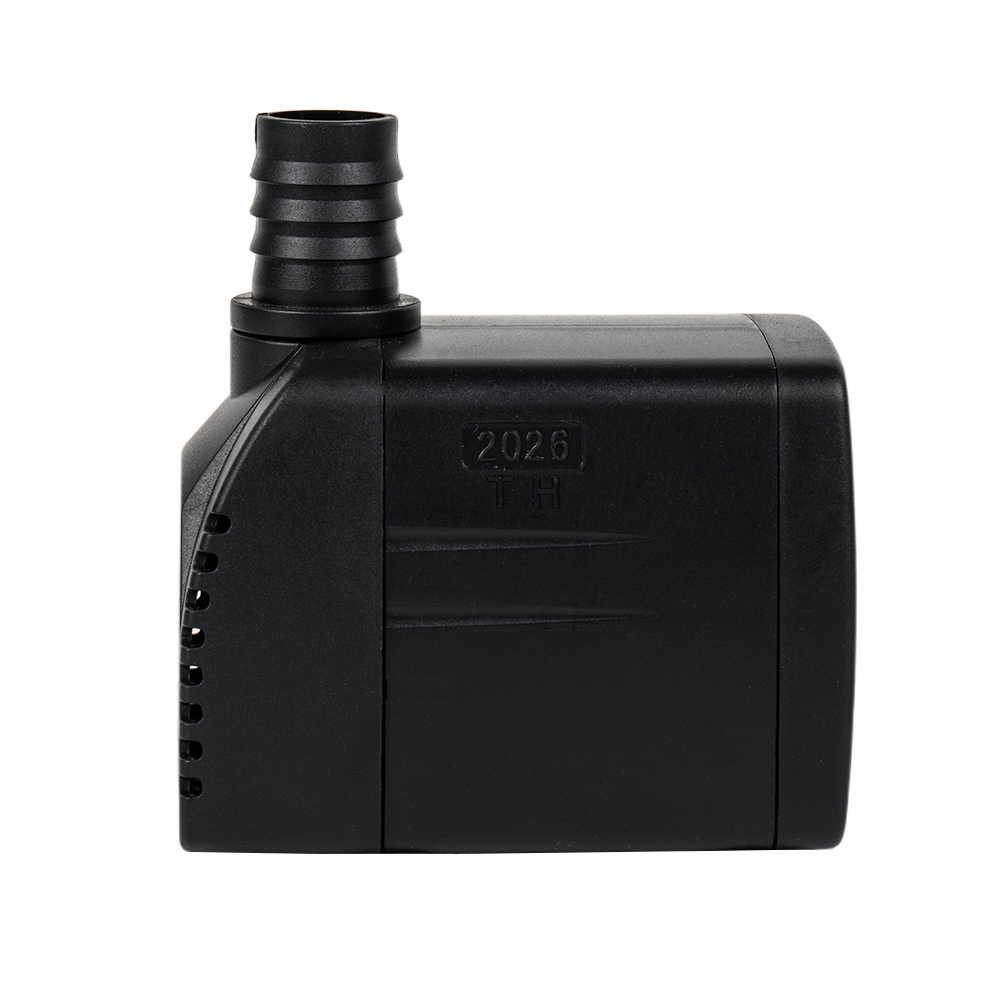
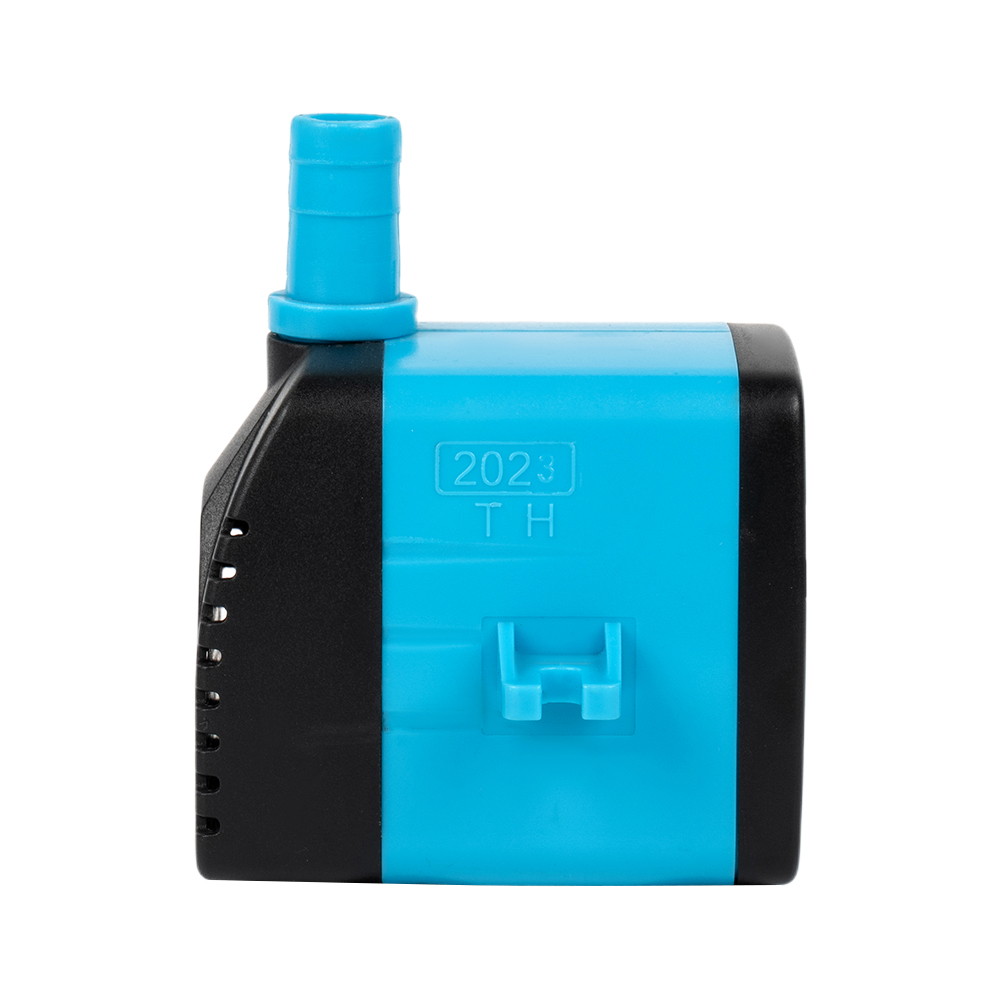
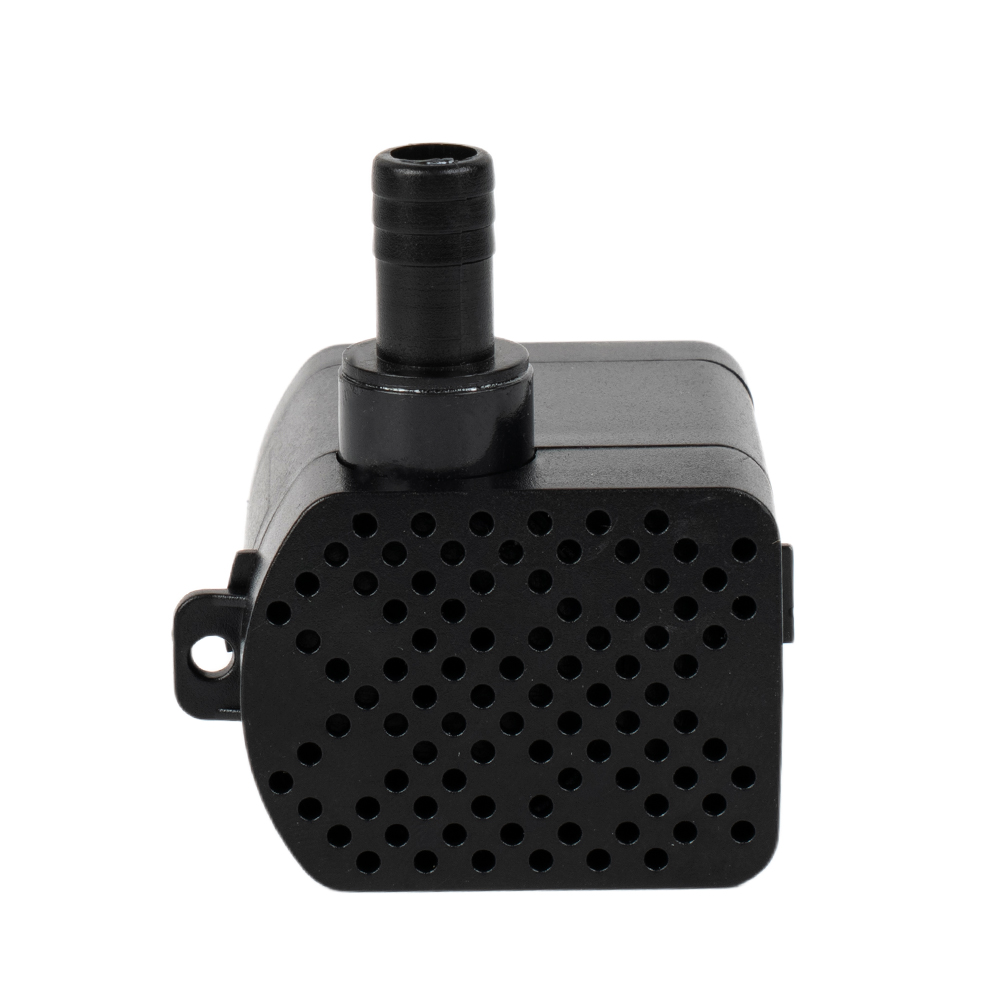
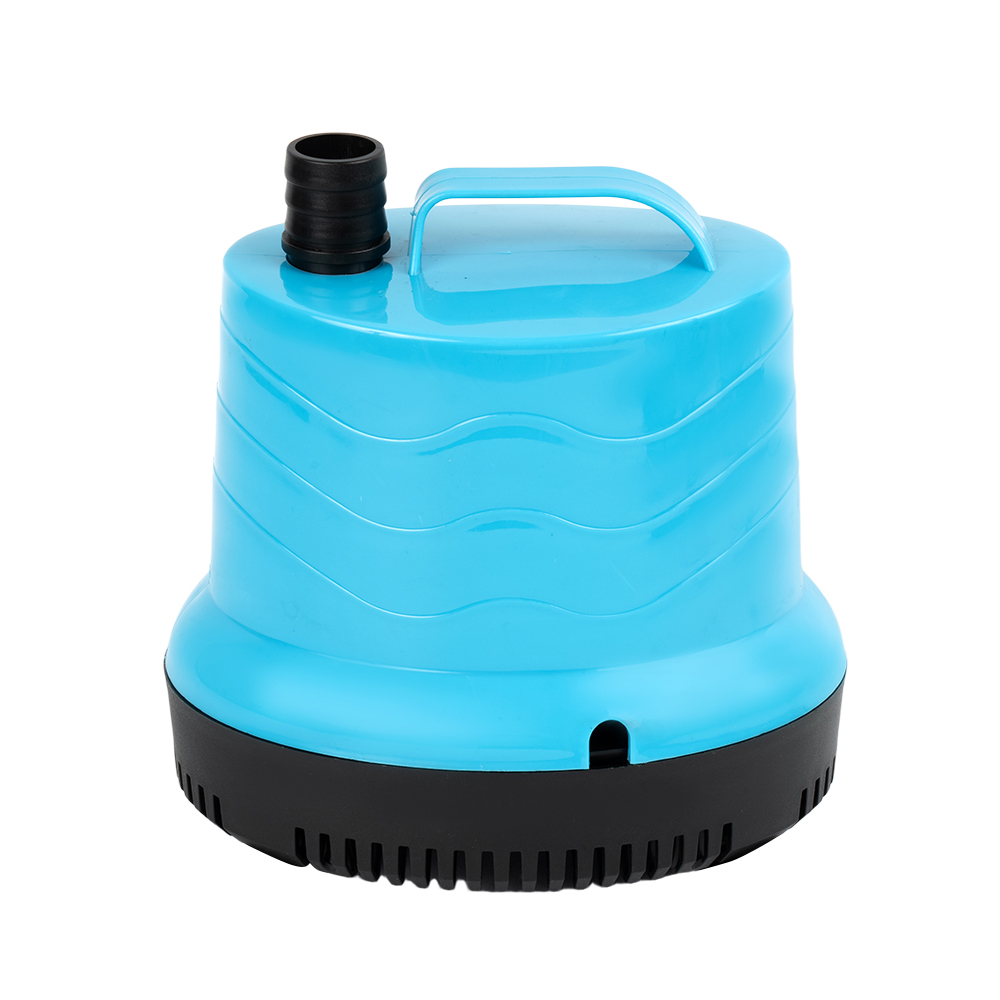
cooler water pump
Repair or Replace: Making the Right Decision
Not every performance issue requires a full pump replacement. Before committing to a new purchase, it is worth diagnosing whether the problem stems from the pump itself or from a related issue such as trapped air, a clogged radiator, or degraded coolant. Bleeding air from the loop and refreshing old coolant resolves a surprising number of "failing pump" symptoms without any hardware replacement at all.
However, replacement becomes the clear choice when the water pump of the cooler shows physical wear, produces persistent grinding noises, or has already exceeded its rated hour count by a significant margin. Continuing to run a failing pump risks sudden shutdown, thermal throttling, or in worst cases, permanent damage to the processor or other cooled components due to sustained overheating.
Warning
As a general rule, if the pump is more than 6 to 8 years old and showing any combination of noise, reduced flow, or rising temperatures, replacement is the safer and more cost-effective long-term solution compared to repeated troubleshooting.
Final Takeaway
Most cooler water pumps last between 5 and 10 years depending on build quality, usage intensity, and maintenance habits. Paying attention to early warning signs like rising temperatures, unusual noise, and reduced flow allows users to plan a replacement before failure causes system damage. Regular maintenance, quality coolant, and proper airflow all contribute to maximizing pump lifespan, while understanding typical pricing helps set realistic expectations when the time for replacement finally arrives.



Contact Us