 LANGUAGE
 中文简体
中文简体DYH-22 high-lift fan cooler water pump with interchangeable outlet diameters
Applications: Suitable for water-circulating electrical equipment such as evaporative air conditioners, air conditioners, misting fans, eco-friendly a...
See Details [email protected]
 +86-575-83698898 / +86-13605859208 / +86-13615854385

Cooling Systems / Explained
The main function of a cooler water pump is to continuously circulate water from the reservoir to the cooling pads — the single mechanical act that makes evaporative cooling possible at all.
The main function of a cooler water pump is to continuously circulate water from the reservoir at the bottom of the cooling unit up to the cooling pads, allowing the pads to stay saturated so that evaporative cooling can take place. Without this constant circulation, the pads would dry out within minutes, airflow would no longer be cooled, and the entire system would simply function as a fan blowing warm air. In short, the water pump of cooler equipment is the heart of the evaporative cooling process — it does not cool the air directly, but it makes the cooling process physically possible by keeping the medium wet.
cooler water pump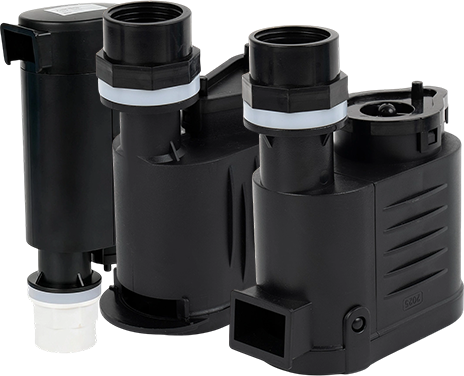
Understanding this core function helps explain why pump selection, flow rate, and maintenance all matter so much to overall cooler performance. Below, we break down exactly how the pump contributes to the cooling cycle, what happens when it fails, and how to keep it running at peak efficiency.
Evaporative cooling relies on a simple physical principle: as water evaporates, it absorbs heat from its surroundings, lowering the temperature of the air passing through. For this to happen continuously, water must be delivered to the cooling pads at a steady rate. This is where the pump takes on its central role.
This closed-loop cycle repeats continuously while the cooler operates. An air cooler water pump that delivers consistent flow ensures the pads never dry out, which directly affects how much the outgoing air temperature drops compared to the incoming air.
The relationship between water delivery and cooling efficiency is nearly linear up to a saturation point. Cooling pads that receive too little water dry out in patches, letting warm, unconditioned air pass straight through those dry zones. Independent testing on evaporative pad systems has shown that a drop from full saturation to roughly 60% saturation can reduce cooling efficiency by 15% to 25%, depending on ambient humidity and airflow speed.
| Pad Saturation Level | Approximate Cooling Efficiency | Common Cause |
|---|---|---|
| 90–100% | Optimal | Correctly sized pump, clean distribution tray |
| 70–89% | Slightly reduced | Partial mineral buildup, minor flow restriction |
| 50–69% | Noticeably reduced | Weak or aging pump, clogged tubing |
| Below 50% | Severely reduced | Pump failure or dry reservoir |
This is why the pump is often described as the single most important moving part in an evaporative cooler. A functioning fan and clean pads mean little if the water pump of cooler equipment cannot maintain adequate flow.
While circulating water to the pads is the primary job, a well-designed pump also contributes to several secondary functions that affect the longevity and reliability of the whole system.
Consistent water flow prevents pads from cycling between wet and dry states, which is one of the leading causes of mineral crust buildup. When pads dry out repeatedly, dissolved minerals in the water are left behind as hard deposits, gradually blocking airflow and reducing pad lifespan.
Uniform water distribution keeps airflow resistance consistent across the entire pad surface. This helps the fan motor operate under a more predictable load, which can reduce unnecessary strain and extend motor life.
An air cooler water pump sized correctly for the unit recirculates water efficiently rather than overflowing the tray, which reduces water consumption and minimizes the risk of leaks around the base of the unit.
Because the pump's function is so central to the cooling cycle, its failure produces immediate and noticeable symptoms. Recognizing these signs early can prevent damage to other components.
Warning
A pump that has stopped working entirely will usually cause the fan to keep running while the pads remain dry, which is one of the clearest signs of failure. In many cases, running the fan for extended periods without water circulation can also cause the pads to warp or crack, adding replacement costs beyond just the pump itself.
Several variables determine whether a pump can maintain its core function reliably over time. Matching these factors to the cooler's design is essential for consistent performance.
The pump's flow rate, typically measured in gallons or liters per hour, must match the surface area of the cooling pads. A pump that is undersized for a larger unit will struggle to saturate all the pads evenly, while an oversized pump can cause excess water to pool and overflow.
Danger
Hard water with a high mineral content accelerates scale buildup inside the pump housing and impeller, gradually reducing output. Areas with harder water often see pump performance decline noticeably faster than areas with softer water, sometimes cutting effective service life by 30% or more without regular cleaning.
Most pumps used in coolers are submersible types placed directly in the reservoir. Proper placement ensures the intake stays fully submerged even as water levels drop, preventing the pump from running dry and overheating.
Because the pump's job is continuous and repetitive, regular maintenance is what keeps its core function reliable season after season.
Success
Following a consistent maintenance routine allows a well-built water pump of cooler equipment to often last two to four cooling seasons before replacement becomes necessary, compared to a single season if neglected.
Since the pump's role is to keep pads saturated without overwhelming the tray, selecting the correct specification matters as much as maintenance. Buyers should confirm the flow rate matches the cooler's pad size, verify the voltage matches the unit's electrical system, and choose a housing material resistant to corrosion from continuous water exposure.
Info
For most household and small commercial units, a pump rated between 200 and 600 gallons per hour is sufficient, while larger industrial coolers may require significantly higher output to keep pace with bigger pad surfaces. Selecting a pump with a slight buffer above the minimum required flow rate can help compensate for gradual mineral buildup between cleanings, extending the interval between maintenance sessions without sacrificing cooling performance.
The cooler water pump's job is deceptively simple — move water from tank to pad, continuously, without interruption — yet almost every measure of cooling performance traces back to how well it performs that single task. Matching flow rate to pad size, managing water quality, and keeping to a routine maintenance rhythm are what turn that simple mechanical function into consistent, season-long cooling.
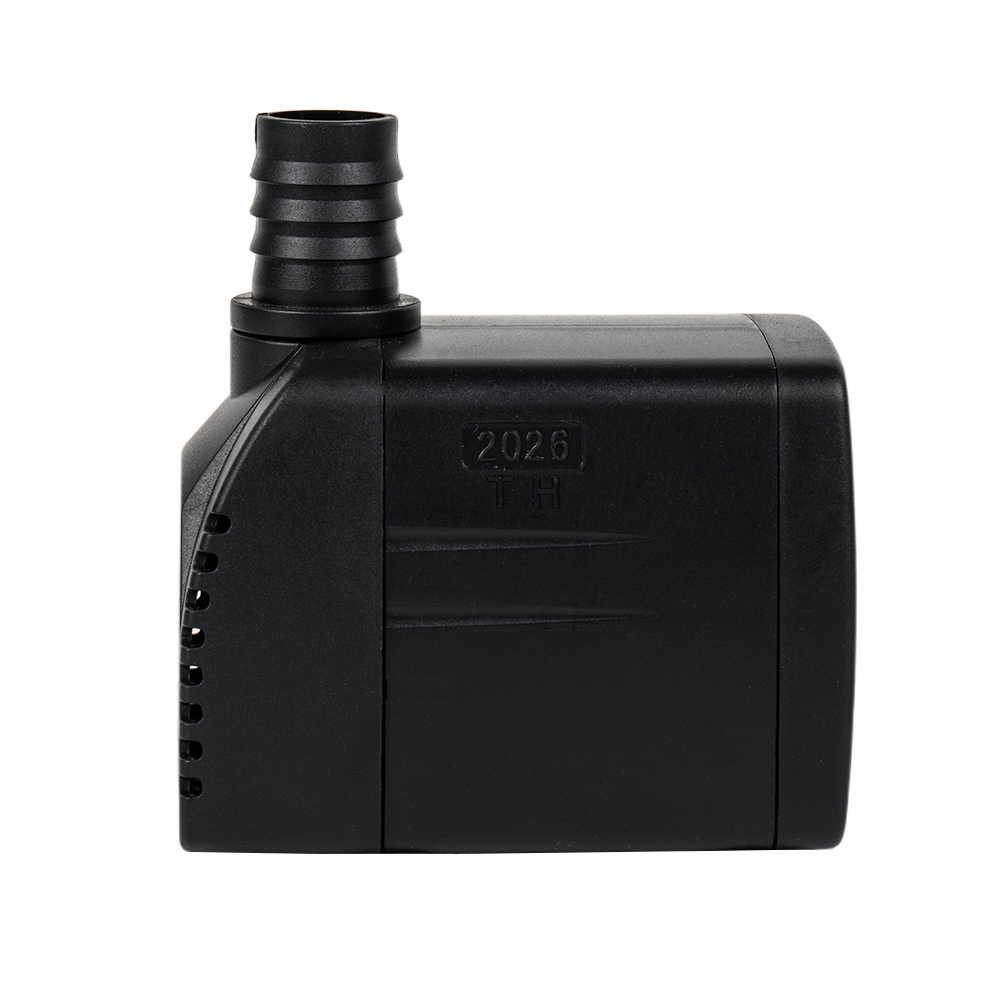
Applications: Suitable for water-circulating electrical equipment such as evaporative air conditioners, air conditioners, misting fans, eco-friendly a...
See Details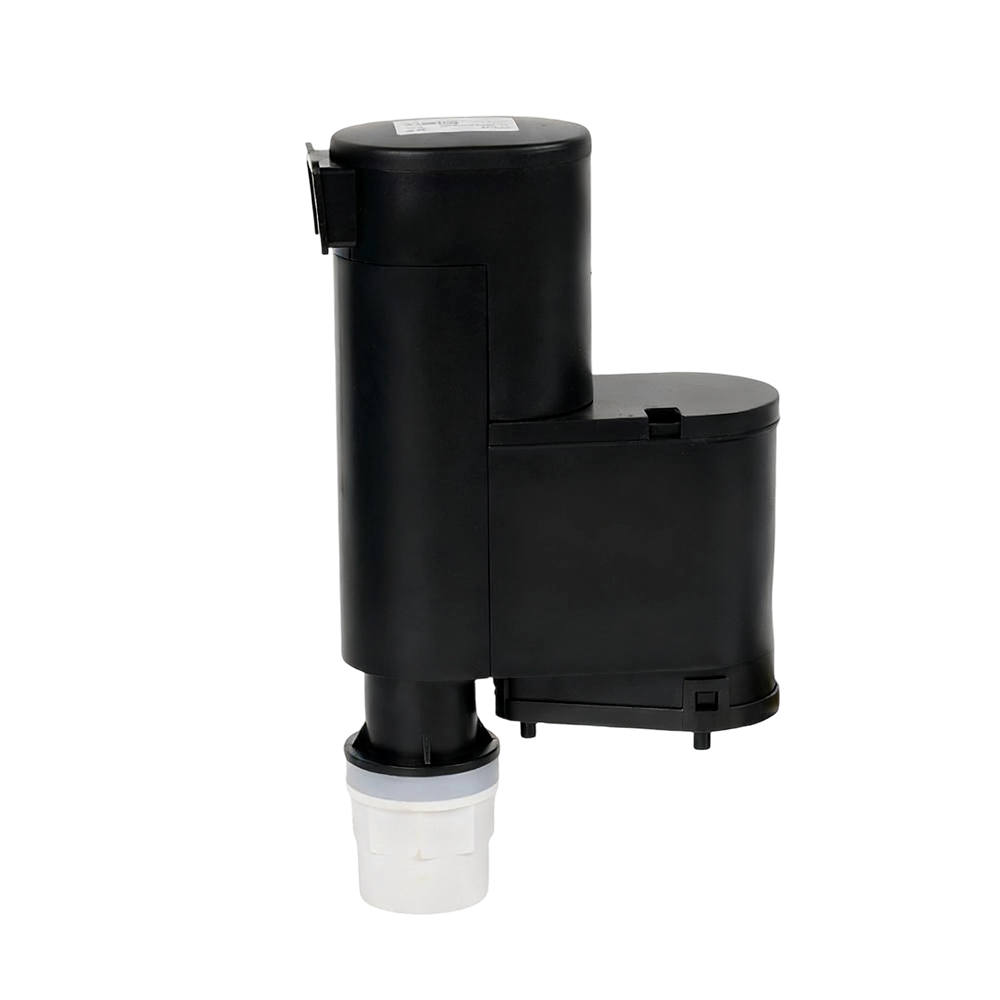
Suitable for a wide range of applications including air conditioning fans and mechanical equipment cooling. Available in black and white outlets. Avai...
See Details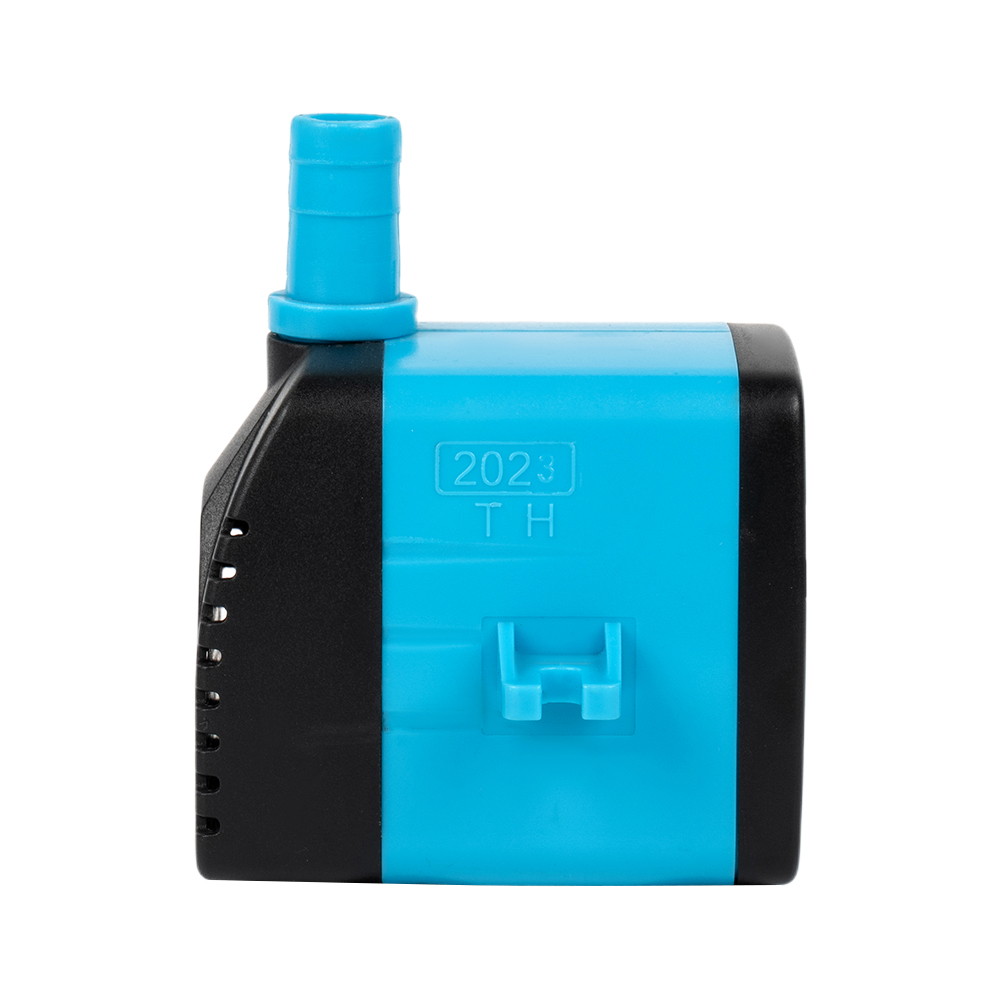
Applications: Suitable for water-cooled electrical equipment such as evaporative air conditioners, air conditioners, misting fans, eco-friendly air co...
See Details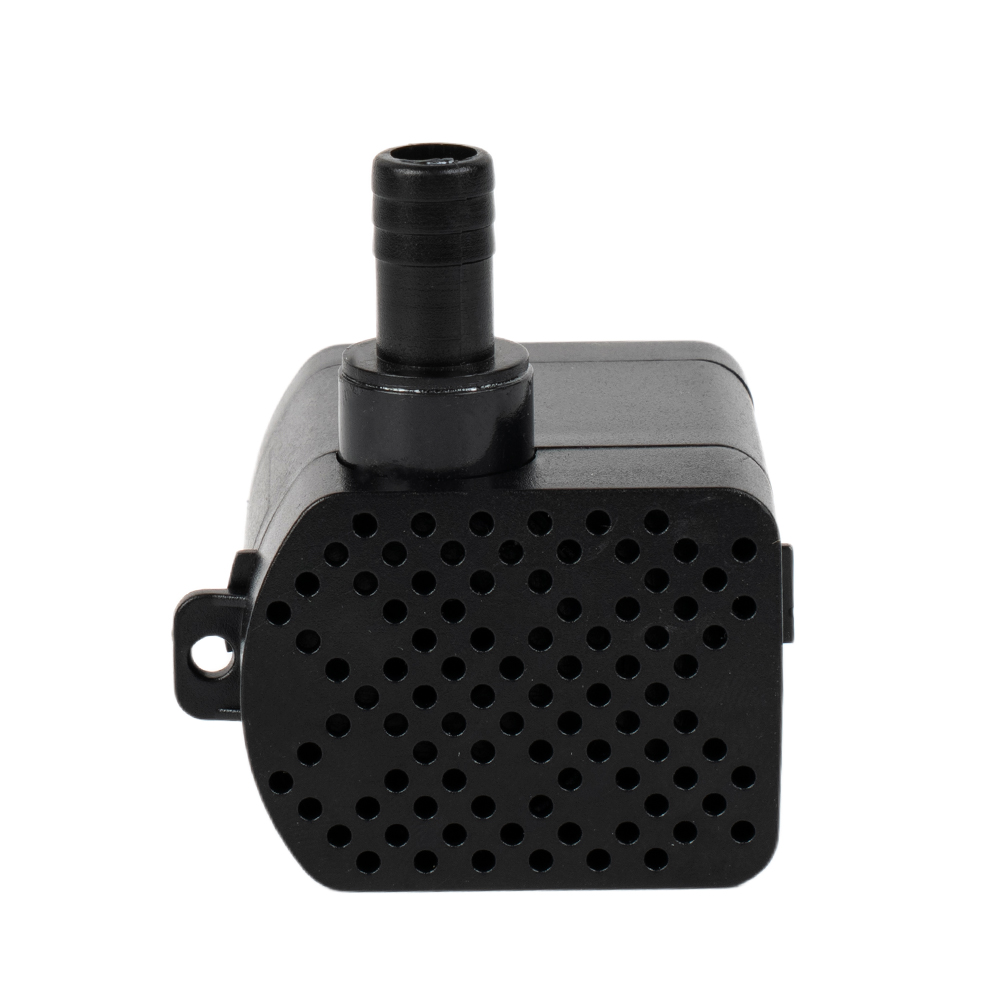
The DYH-4 Anti-dry-burning Low-Power 4W Electrical Appliance-Specific Water Pump sounds like a specialized type of water pump designed for use in smal...
See Details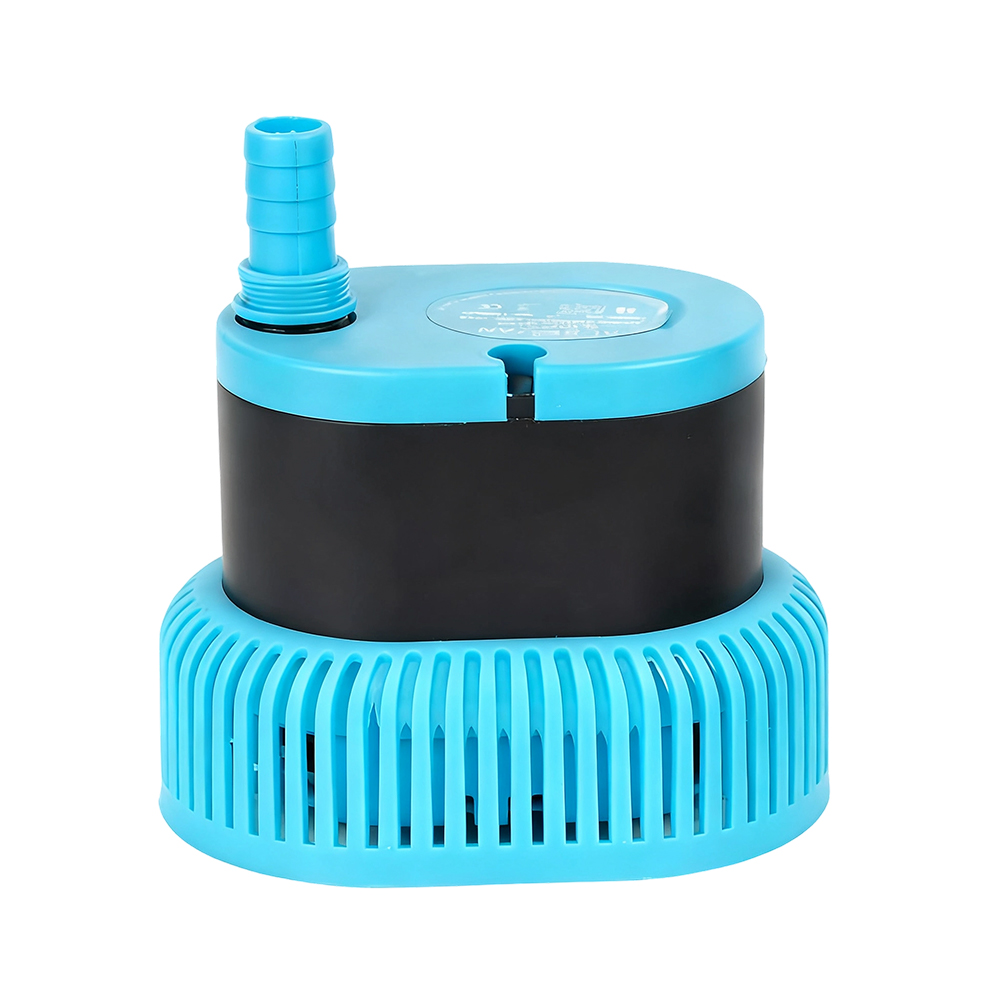
The DYH-22W low-water-level design bottom-suction submersible pump is a high-efficiency pump specifically designed for low-water-level environments. I...
See Details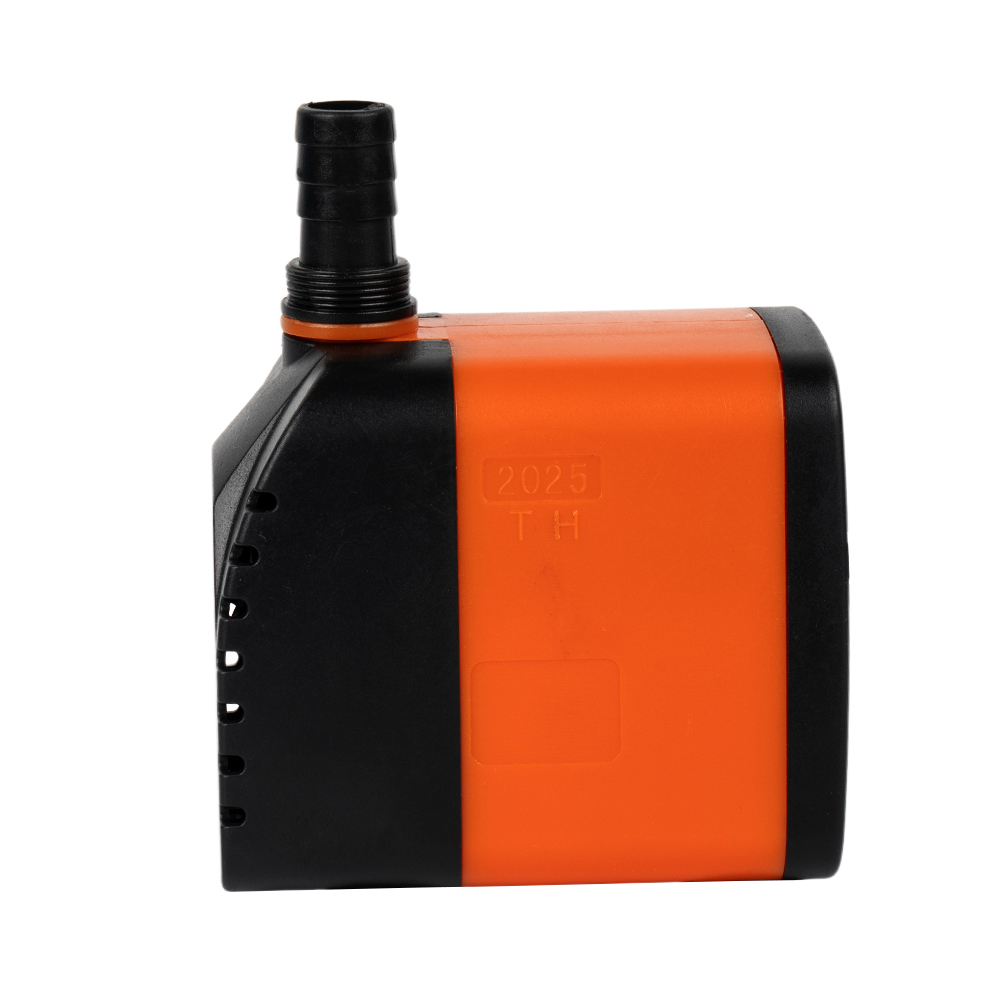
Applications: Water-circulating electrical equipment such as evaporative air conditioners, air conditioners, misting fans, eco-friendly air conditione...
See DetailsContent
Introduction to Air Cooler Drain Pumps In the realm of sustainable and cost-effective climate contro...
READ MOREWhat is an Air Cooler Pump? Definition of an Air Cooler Pump An air cooler pump is an essential comp...
READ MOREIntroduction to Industrial Evaporative Cooling Pumps An industrial air cooler pump is the driving fo...
READ MORE


+86-13605859208
+86-13615854385
+86-15167555022

Copyright © Shengzhou Tianhao Aluminum Foundry Co., Ltd.
All Rights Reserved.
 Wholesale Evaporative Cooling Water Pump Manufacturers
Contact Us